The pledge
When you take out a secured loan, you promise a specific asset to the lender as a backup. If you default and stop making payments, the lender seizes that property to cover their losses.

Collateral is a specific asset or property that a borrower pledges to a lender to secure repayment of a loan. If the borrower defaults and stops paying, the lender can take ownership of that asset to recover their money. Offering this safety net lowers the lender's risk, which earns the borrower a significantly lower interest rate.

By the edgi team We find the most surprising true thing about an idea and build a 60-second lesson around it.

When you take out a secured loan, you promise a specific asset to the lender as a backup. If you default and stop making payments, the lender seizes that property to cover their losses.
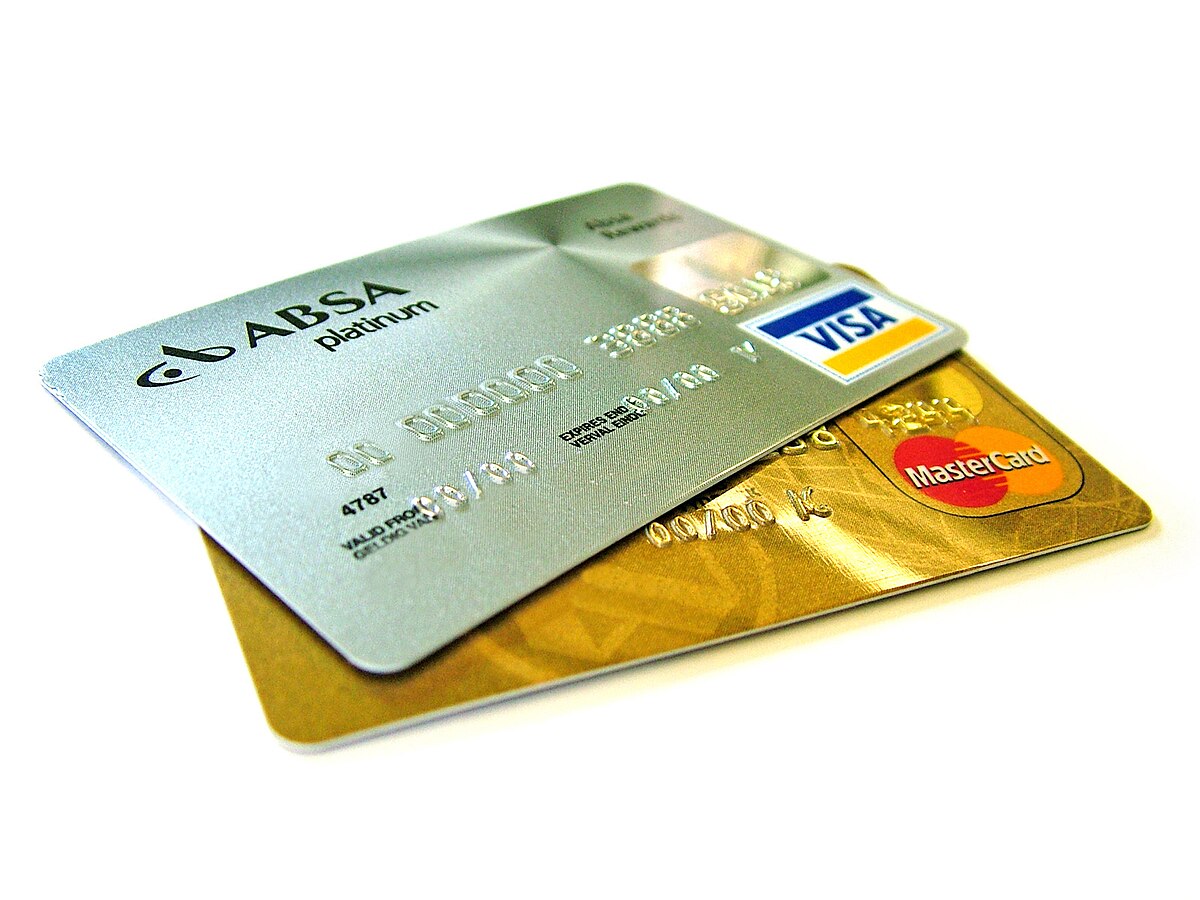
Unsecured loans, like standard credit cards, carry much higher interest rates because the lender takes on total risk. Because collateral gives the lender a safety net, they reward you with a significantly lower rate.
This mechanism drives massive financial markets, including securities lending, where institutions routinely swap assets as safety pledges. It is the fundamental rule of borrowing: the safer you make the loan for them, the cheaper it gets for you.
In a secured lending agreement, collateral acts as direct protection against default. When a borrower stops paying both principal and interest, the lender can legally seize the pledged property to offset the remaining debt. In home mortgages, the real estate being purchased serves as the collateral, allowing the lender to claim ownership through the legal process of foreclosure.
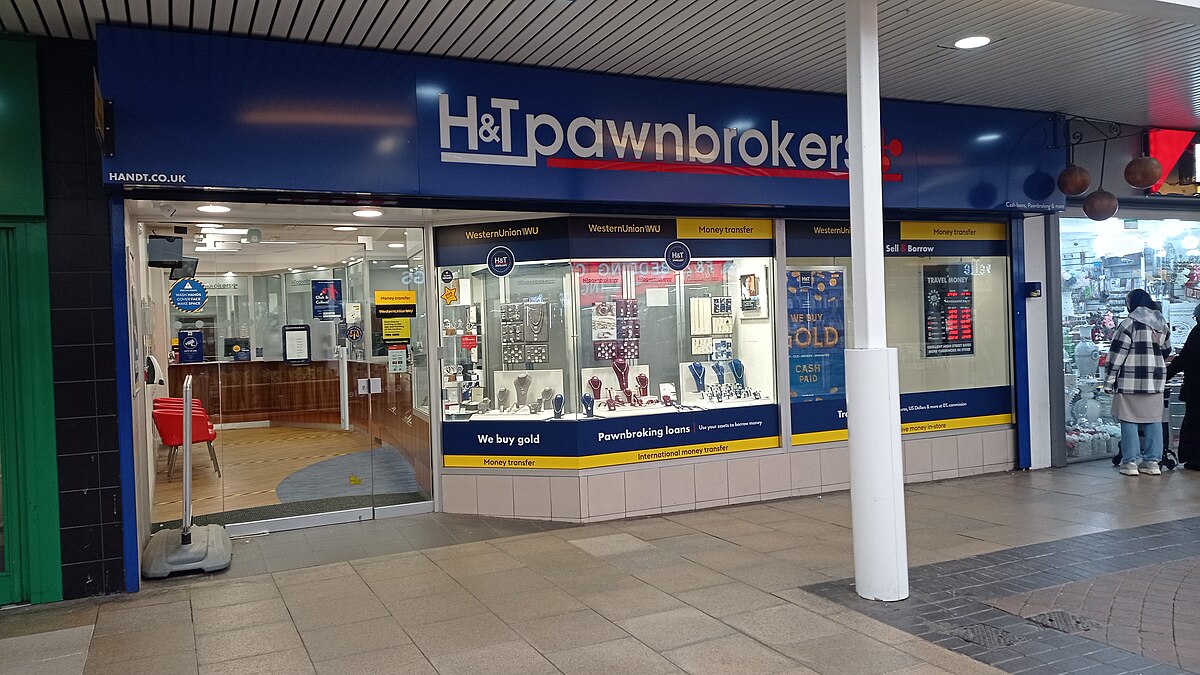
Because this asset lowers default risk, lenders offer secured loans at interest rates up to several percentage points lower than unsecured alternatives like credit cards. Pledging collateral also enables people with poor credit histories to qualify for financing that banks would otherwise deny.
If a property carries a second mortgage, the primary mortgage is repaid first from any recovery funds, with the remainder used to cover the second loan.
Collateral ranges from traditional physical property to specialized business assets. Auto loans restrict collateral to the vehicle, while personal loans allow flexible assets. Intellectual property, such as copyrights, patents, trademarks, and licensing royalty streams, is used in IP-backed finance. Agricultural lenders accept unharvested crops, and some Italian banks like Credito Emiliano accept wheels of aging Parmigiano Reggiano cheese, even providing high-quality storage.
Marketable collateral involves liquid financial assets like stocks and bonds exchanged for bank credit. To qualify, these assets must be capable of selling promptly at fair market value under normal conditions. Sizeable banks require marketable collateral to equal or exceed 100 percent of the total credit extension. If the market value falls below a set loan-to-value threshold, lenders monitor the drop and take corrective actions defined in the loan or margin agreement.
Collectible card
Play the lesson in edgi and the card is yours. It lands on your Map next to the ideas it connects to, and turns from matte to foil to gold as you learn more around it.
Financial institutions continuously monitor the market prices of pledged stocks and bonds. If the asset value drops below the agreed maximum loan-to-value ratio, the lender enforces remedies outlined in the lending or margin agreement.
In the United States, a bank's total outstanding loans to a single borrower cannot exceed 15 percent of the bank's capital and surplus. An additional 10 percent is permitted if the institution meets specific regulatory qualifications.
Traditional banking uses unilateral obligations secured by physical property, sureties, or guarantees. Capital market transactions often use bilateral collateral arrangements secured by liquid assets such as cash.
Part of the Set · 8 cards
A credit card charges 22% and a mortgage charges 6% for the same reason, and it is not your credit score.
Lesson complete
You finished the lesson. In edgi, the card goes on your Map next to everything else you learn.