The toxic defense
The caffeine in your morning cup isn't a gift for humans. It's a pesticide. The Coffea genus produces caffeine in its seeds and leaves specifically to paralyze and kill insects that try to eat them.
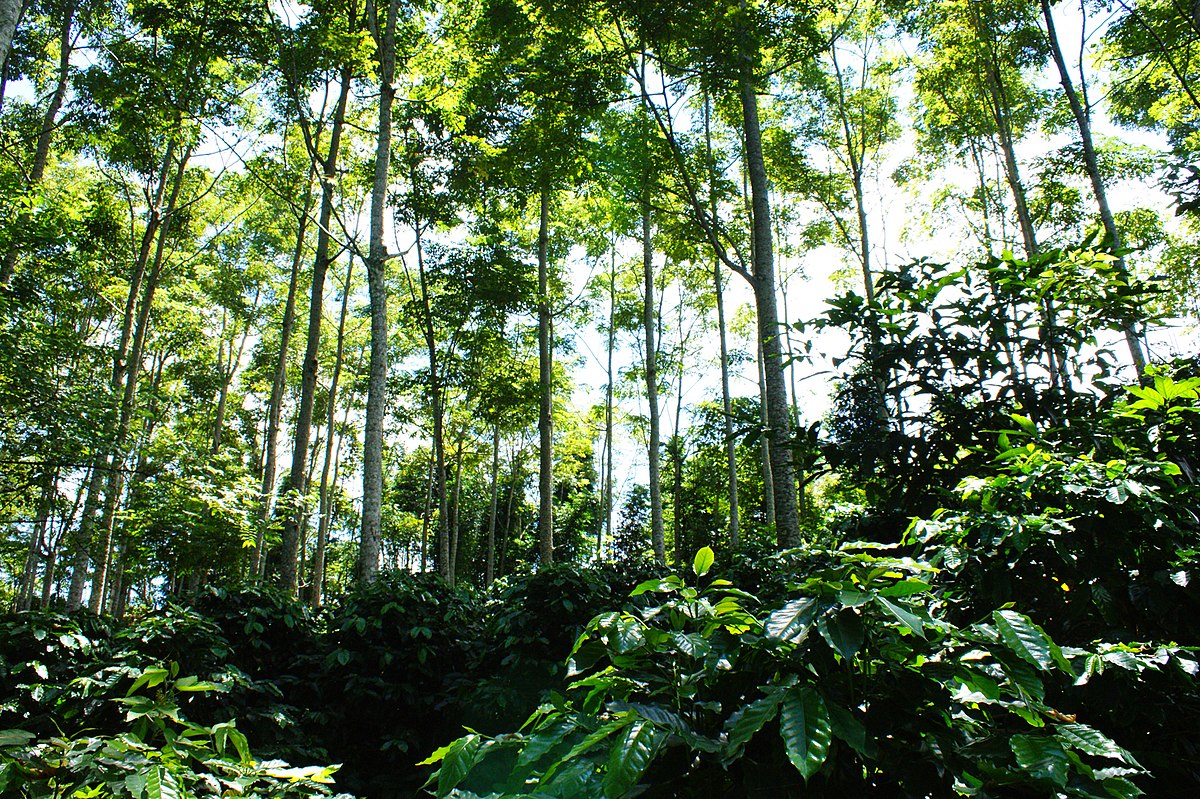
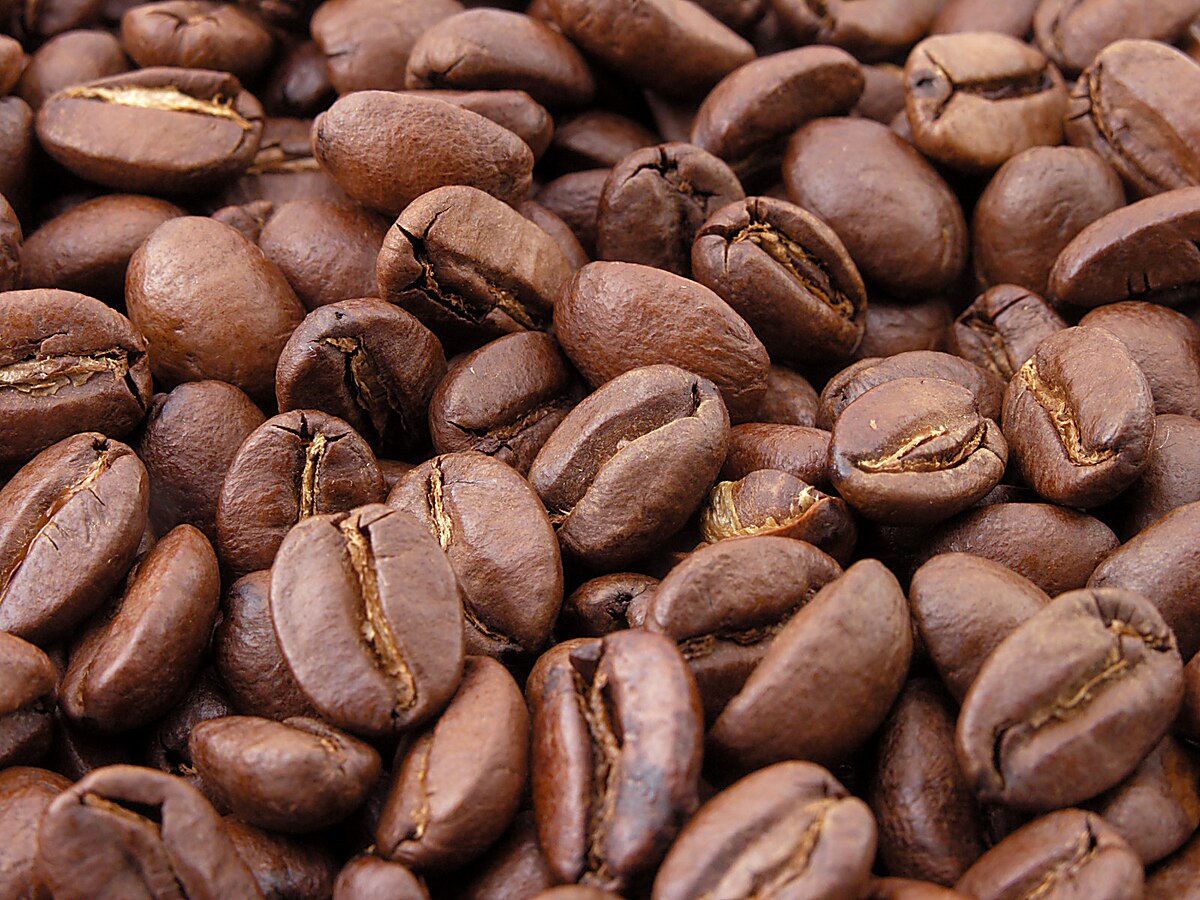
Coffea is a genus of tropical flowering shrubs and trees in the madder family, Rubiaceae. Its seeds, commonly known as coffee beans, are roasted and ground to create the global coffee supply. The plant naturally produces caffeine in its seeds and leaves to paralyze plant-eating insects, while using it in flowers to help pollinators remember its scent.

By the edgi team We find the most surprising true thing about an idea and build a 60-second lesson around it.
The caffeine in your morning cup isn't a gift for humans. It's a pesticide. The Coffea genus produces caffeine in its seeds and leaves specifically to paralyze and kill insects that try to eat them.
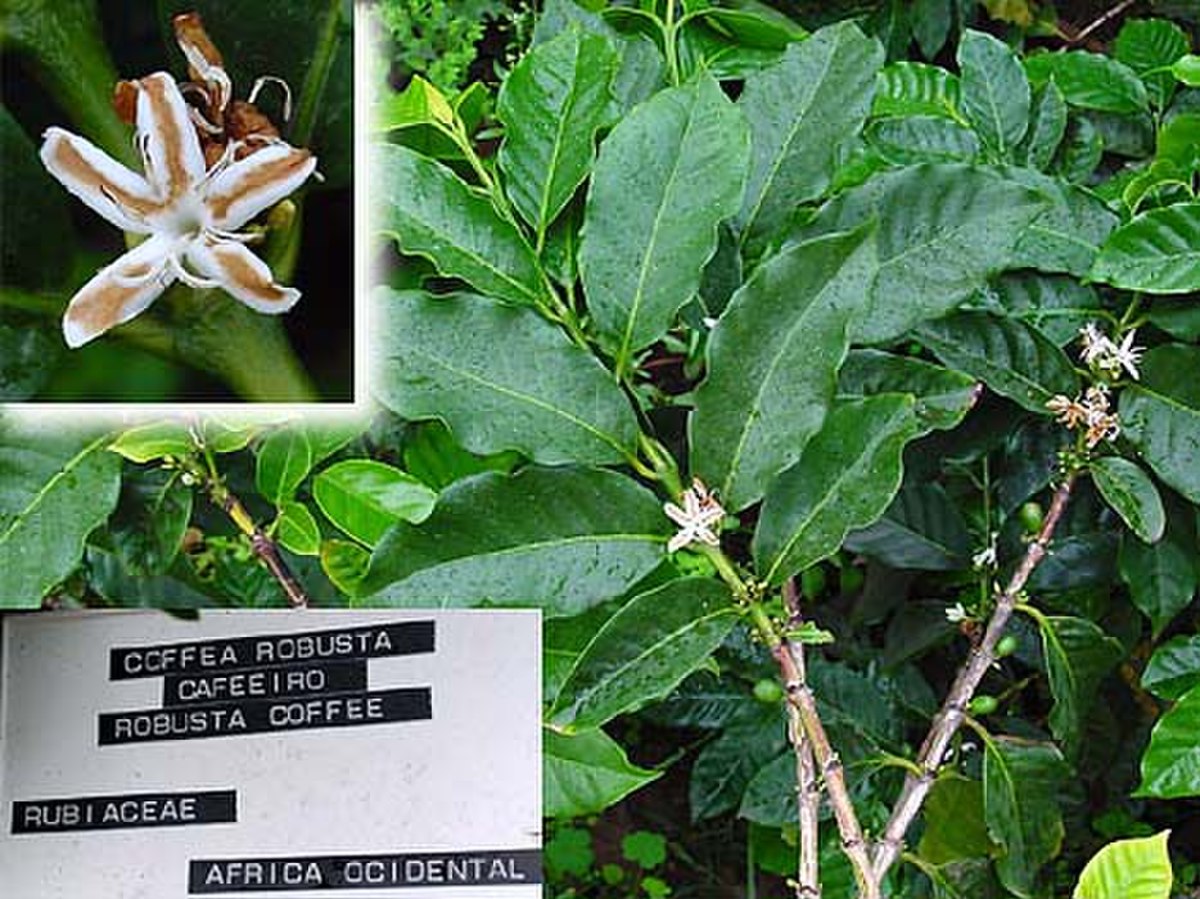
Different species evolved different levels of defense. The hardier Coffea canephora, or Robusta, evolved nearly double the caffeine of its cousins. It had to. Robusta grows in pest-ridden lowlands where the defense needs to be stronger to survive.
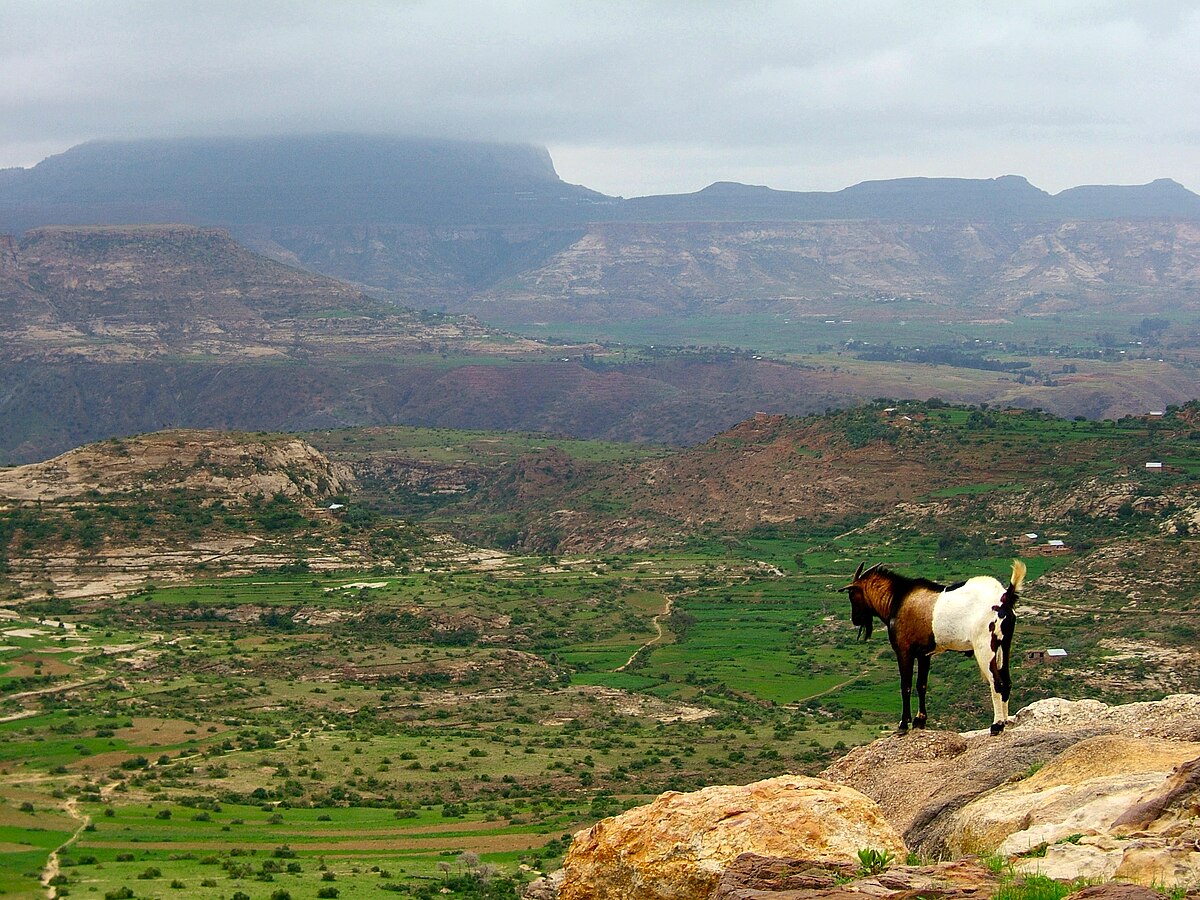
Legend traces our discovery to 9th-century Ethiopia. A goat herder named Kaldi reportedly noticed his flock dancing after eating bright red coffee cherries. He tried the fruit himself, and the modern global coffee industry was born from that first accidental buzz.
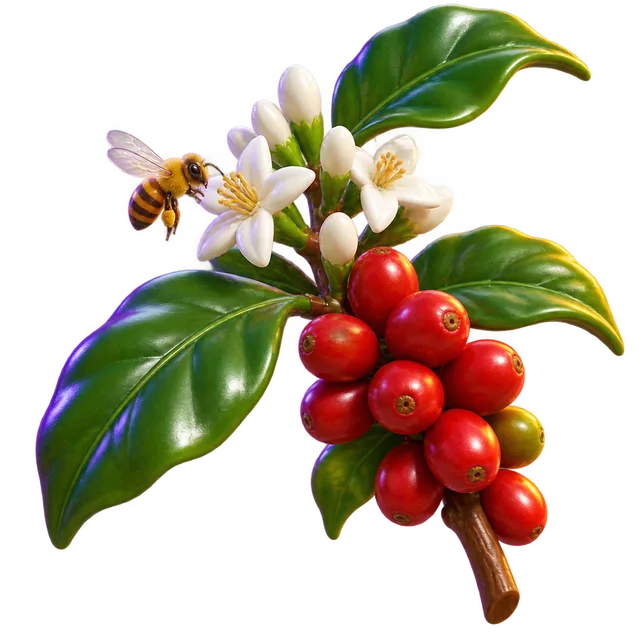
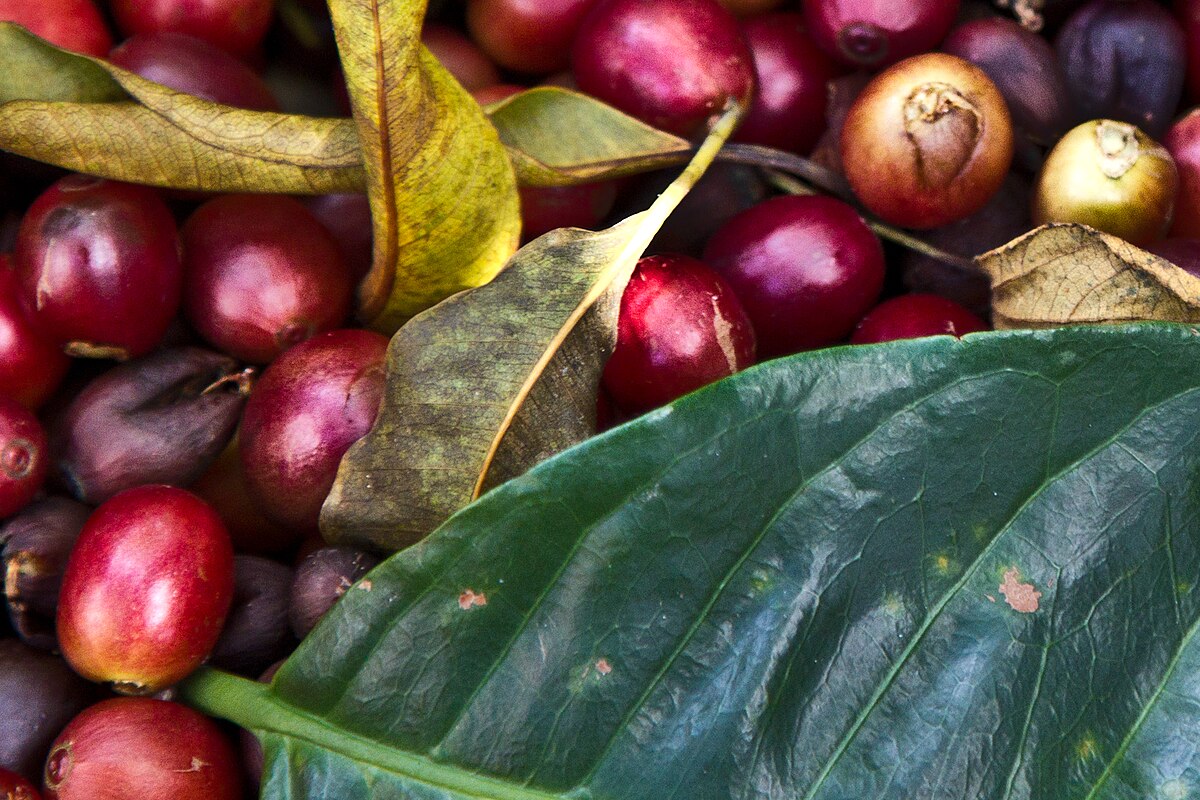
A coffee cherry is the red or purple fruit produced by a Coffea tree, taking about nine months to ripen. Despite common culinary terms, the plant produces neither true cherries nor true beans. Botanically, the fruit is an edible epigynous berry or indehiscent drupe, and the coffee beans inside are its seeds.
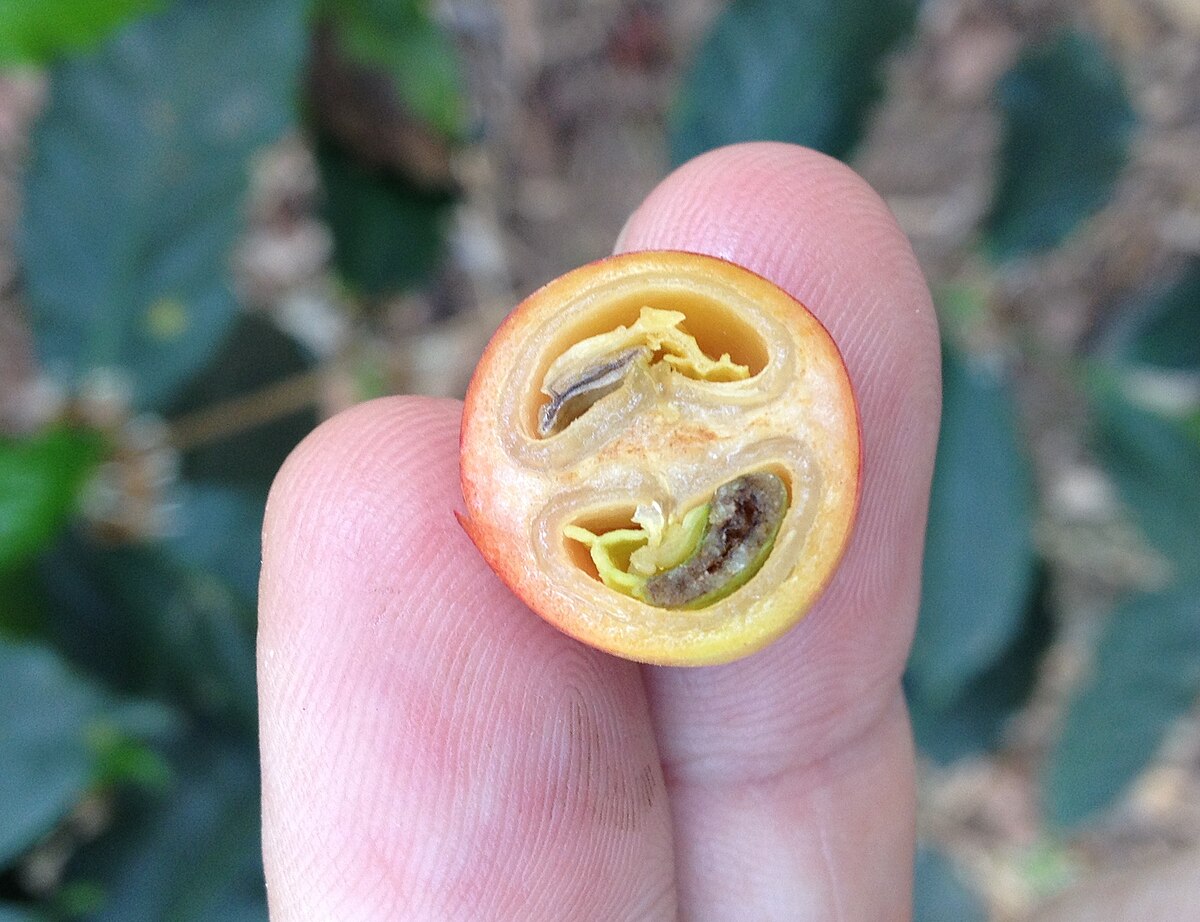
Most coffee cherries develop with two seeds nestled together. In about 5% to 10% of fruits, only a single, rounder seed forms, known as a peaberry. Beyond the roasted beans, the sweet surrounding fruit and leaves also contain caffeine and are used to brew fruit and leaf teas.
The global coffee trade relies almost entirely on just two of the more than 130 recognized species: Coffea arabica and Coffea canephora. Arabica makes up about 55% of world production and is prized for its sweeter flavor, while canephora, also called Robusta, makes up roughly 45% and carries higher caffeine levels.
Arabica originated in the highlands of Ethiopia and the Boma Plateau of Sudan as a natural hybrid of Coffea canephora and Coffea eugenioides. Cultivated trees usually grow 3 to 3.5 meters tall, begin fruiting within three to five years, and can continue producing crops for 50 to 100 years.
Coffee plants make caffeine using a completely different set of genes from tea or cacao plants, showing that the chemical evolved independently across different plant families. The earliest Coffea species carried little to no caffeine.
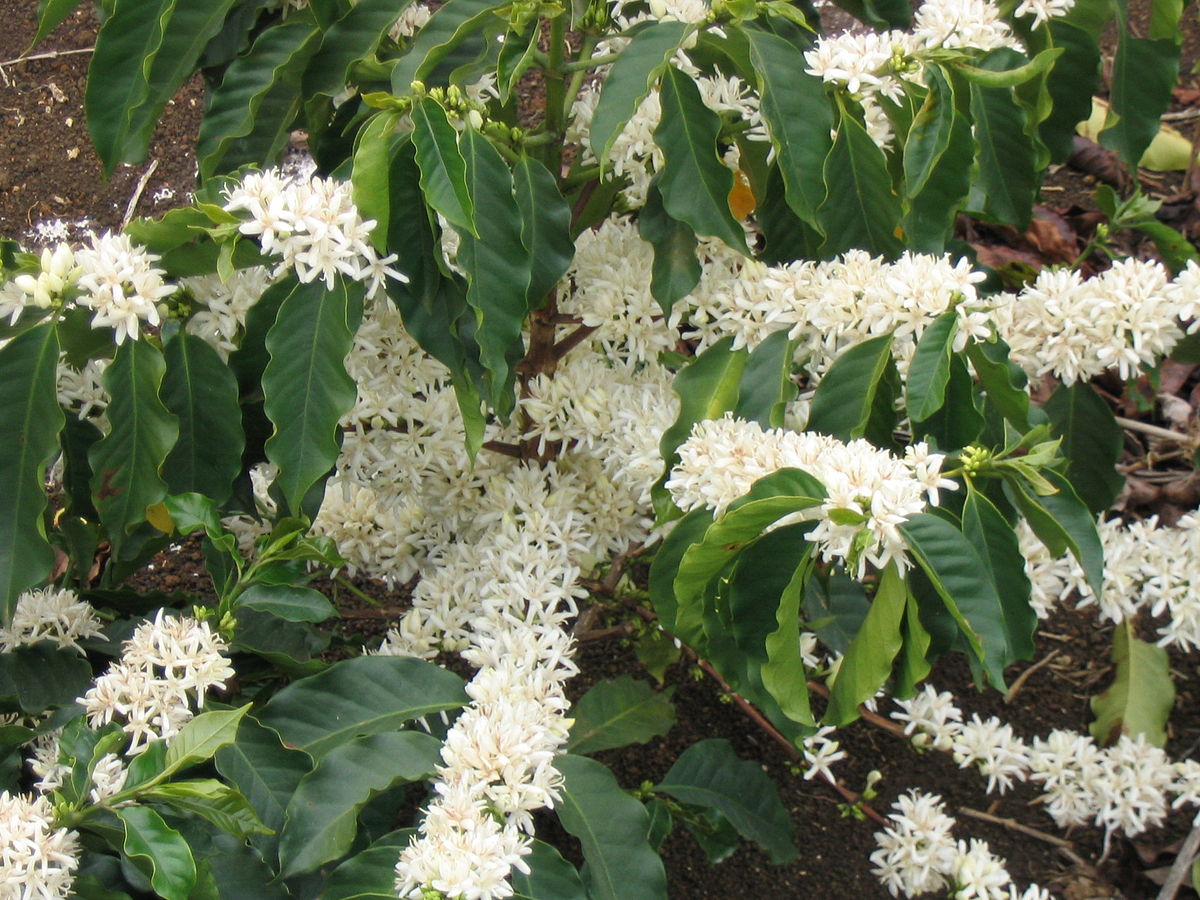
The trait evolved across separate lineages in Africa, likely as a response to heavy insect predation in humid lowlands. While toxic to pests like the coffee borer beetle and leafminer, caffeine also creates an olfactory memory in honeybees, signaling them to return to the plant's white, scented flowers.
Why does Coffea produce caffeine in its leaves and seeds?
To deter insects that eat the plant. Caffeine evolved as a chemical defense against insect pests, not as a stimulant for humans.
Why might Coffea canephora benefit from producing more caffeine?
It grows where pest pressure is higher. Stronger insect defenses can help Coffea canephora survive in pest-ridden lowlands.
In Coffea, what does caffeine do as a plant defense?
It harms insects that eat the plant. Coffea produces caffeine in its seeds and leaves to paralyze and kill insects that eat them.
Collectible card
Play the lesson in edgi and the card is yours. It lands on your Map next to the ideas it connects to, and turns from matte to foil to gold as you learn more around it.
Yes. Researchers discovered Coffea charrieriana in Cameroon in 2008, which is completely caffeine-free. Crossing this wild species with commercial coffee plants could allow growers to produce naturally decaffeinated beans.
Coffea species are native to tropical and southern Africa, tropical Asia, and Australasia. Genetic studies suggest the ancestral origin of the genus lies in Africa or Asia, followed by radiations into the Western Indian Ocean Islands.
Most cultivated coffee species thrive at high elevations in the tropics. They are sensitive to freezing temperatures and are vulnerable to shifts in their growing zones caused by climate change.
Part of the Set · 8 cards
From a shrub in Ethiopia to the drug 2 billion people take daily.
Lesson complete
You finished the lesson. In edgi, the card goes on your Map next to everything else you learn.