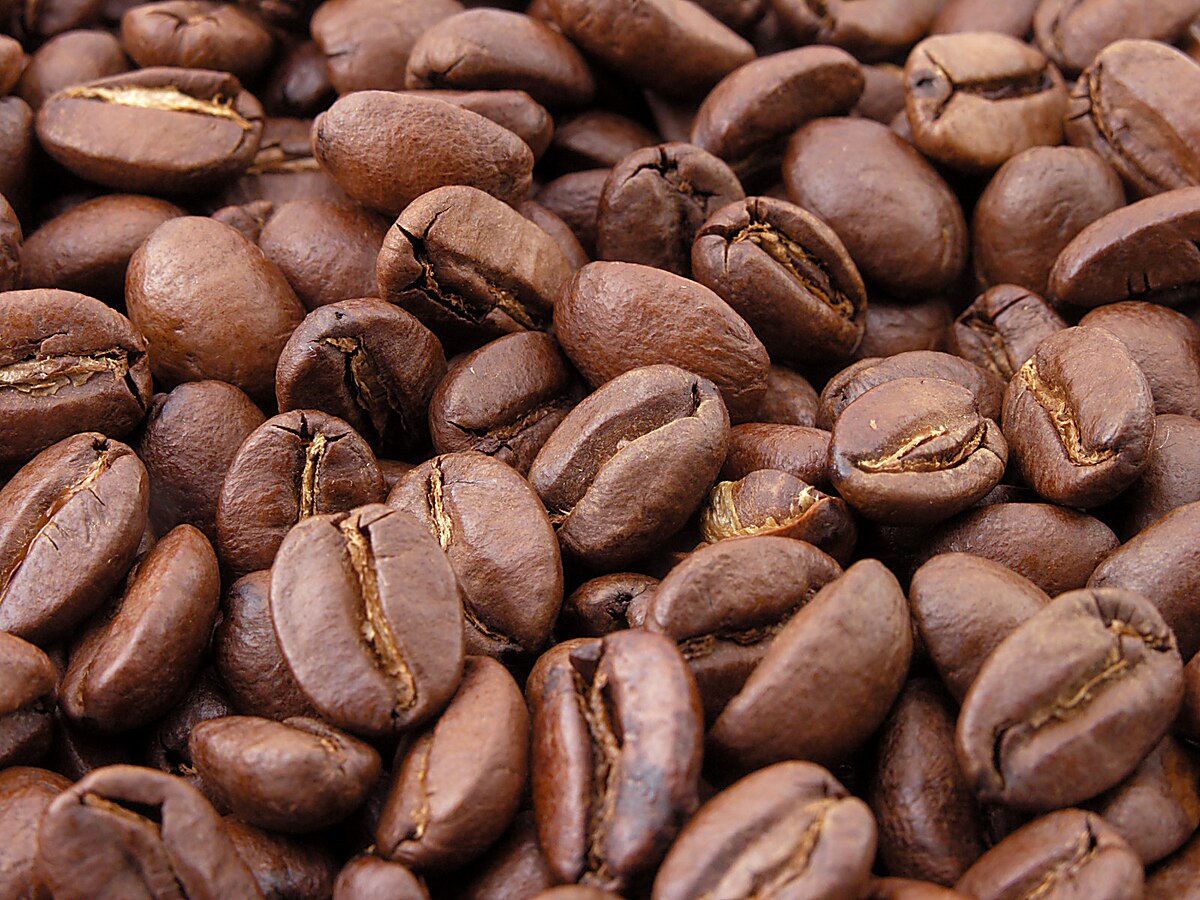
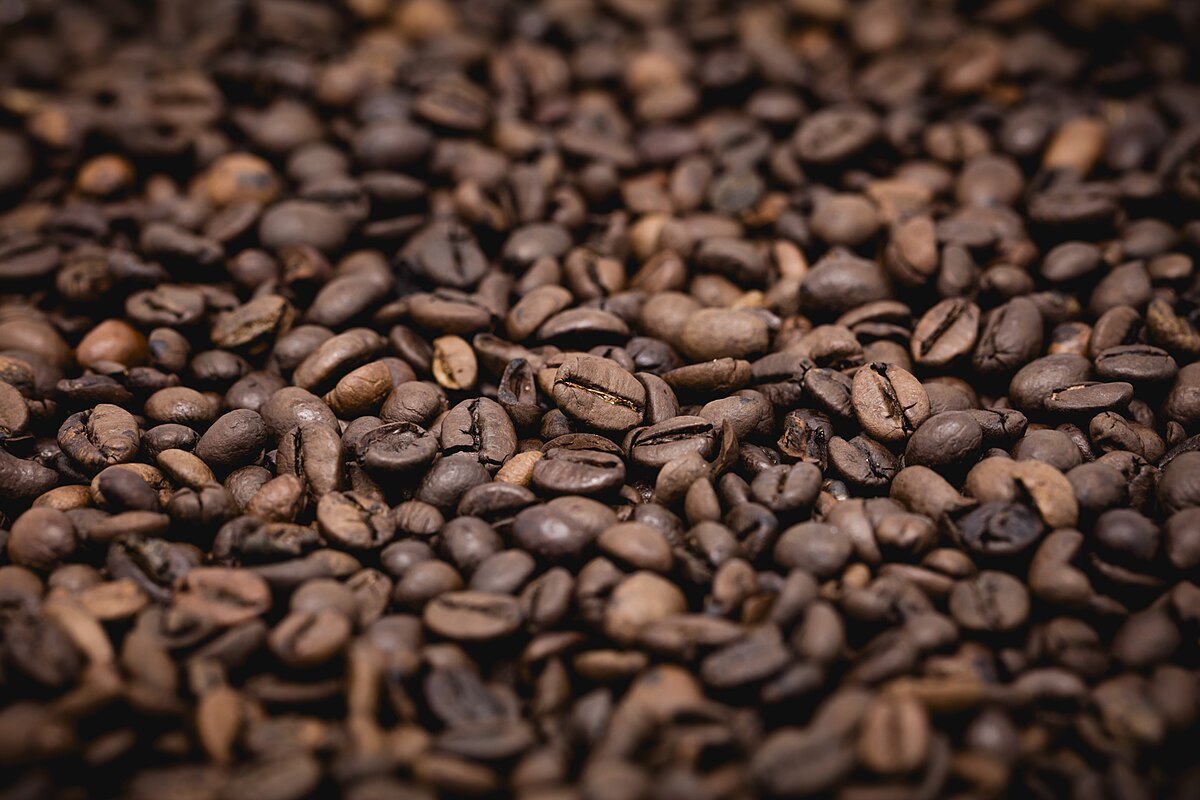
Coffee is a dark, bitter beverage brewed by steeping roasted and ground seeds from Coffea plant fruits in hot water. Its stimulating kick comes from caffeine, a natural compound that temporarily blocks tiredness signals in your brain. While early rulers feared and banned it as a dangerous intoxicant, it evolved into a staple morning routine and a major worldwide trade.
By the edgi team We find the most surprising true thing about an idea and build a 60-second lesson around it.
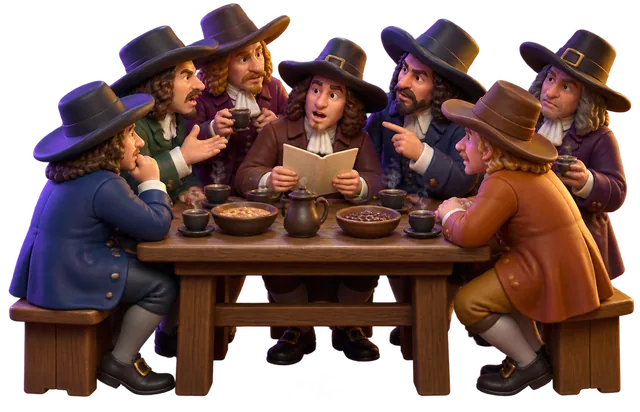
In 1746, Sweden issued a royal ban on coffee, fearing it caused political dissent. King Gustav III wanted to prove it was a poison. He commuted the death sentences of two identical twins on one condition.
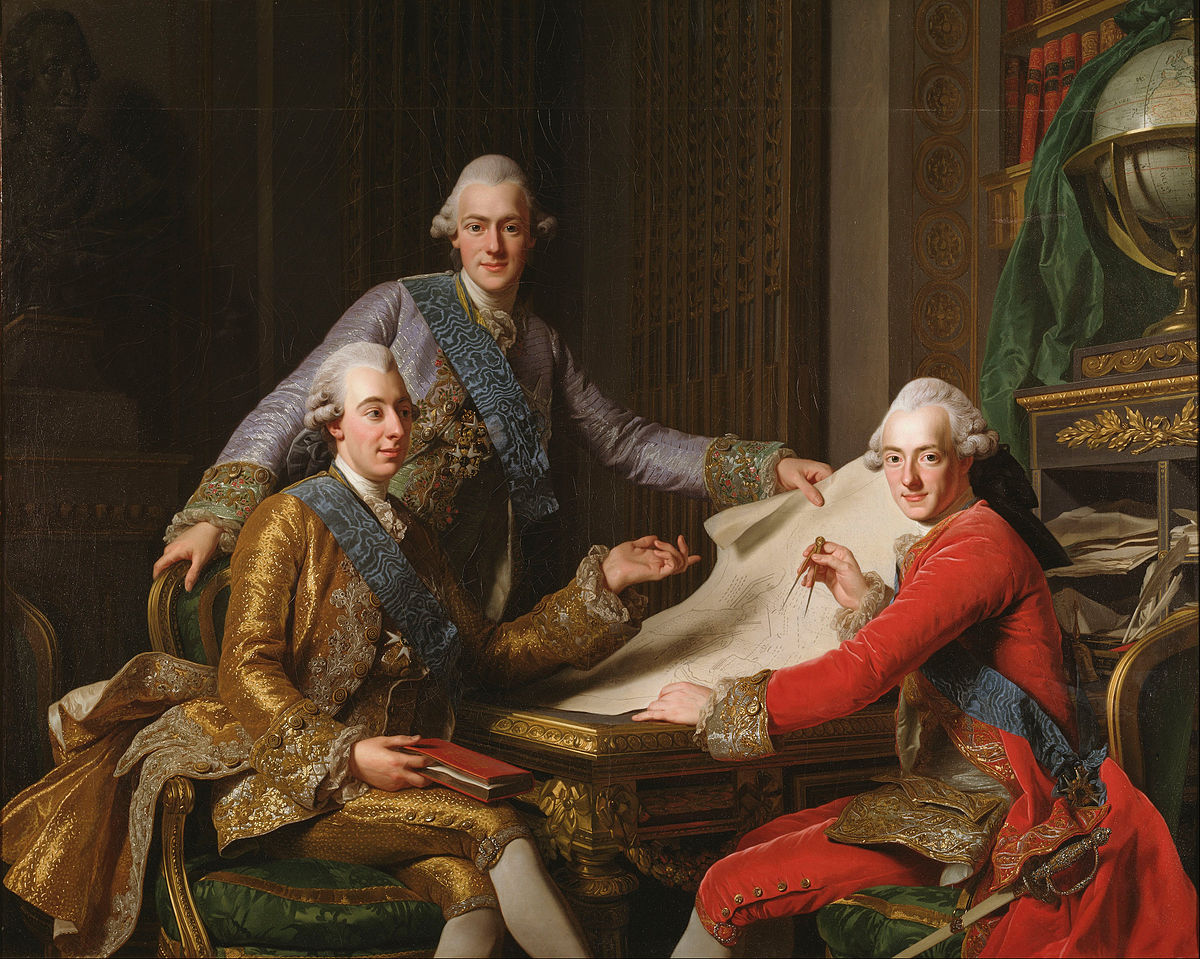
A painting by Alexander Roslin titled "King Gustav III of Sweden and his Brothers," depicting Gustav III (left) with his two brothers, Prince Frederick Adolf and Prince Charles (later Charles XIII). Alexander Roslin, Public domain, via Wikimedia Commons
One twin had to drink three pots of coffee every day; the other, three pots of tea. The experiment backfired. The King died first, and the coffee-drinking twin lived to be 83.
The caffeine engine
Coffee is brewed from the roasted seeds of the Coffea plant. Its primary appeal is caffeine, a stimulant that temporarily blocks the brain's tired signals.
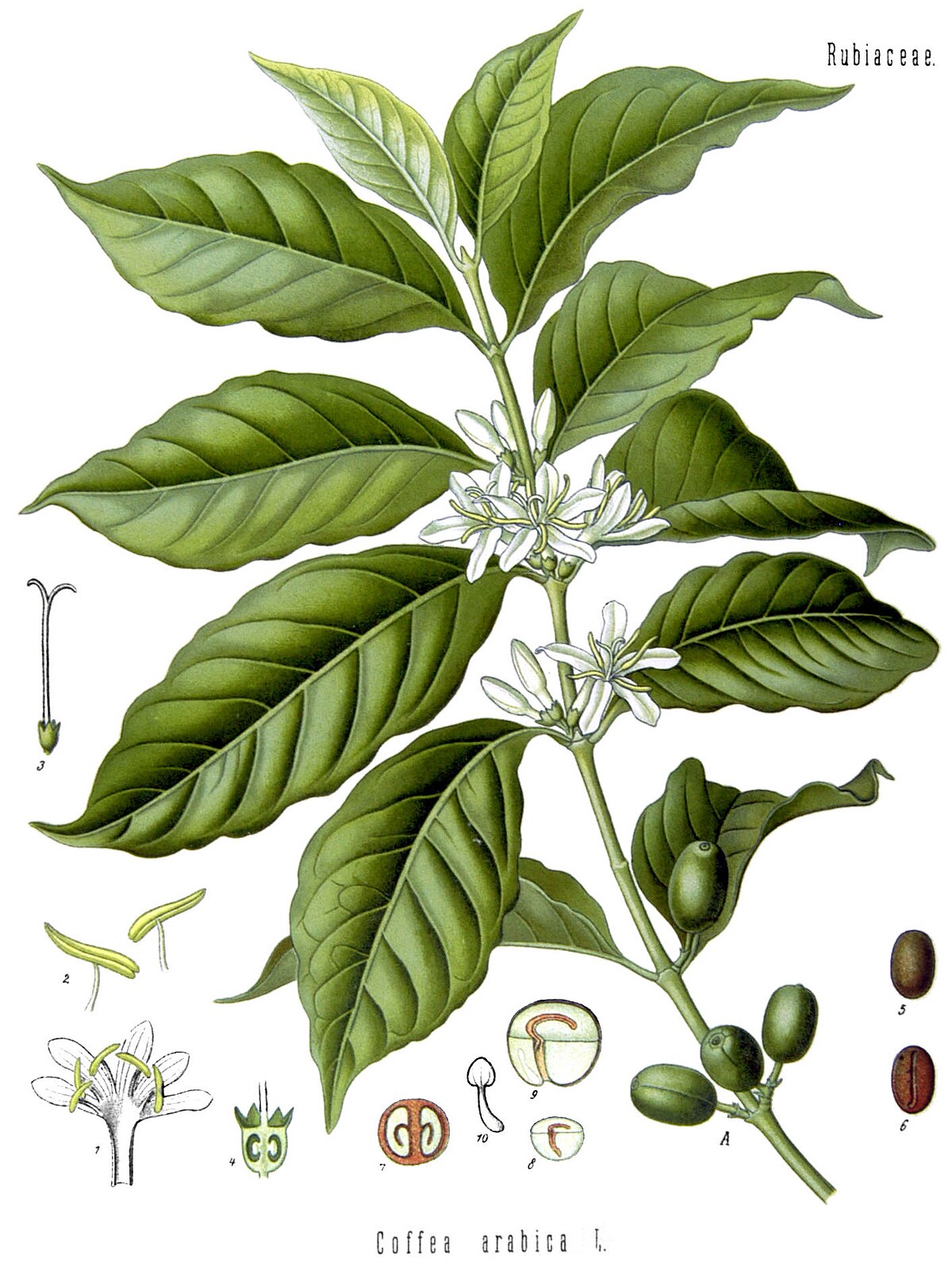
A botanical illustration of Coffea arabica, showing a branch with leaves, white flowers, and green coffee cherries. Franz Eugen Köhler, Public domain, via Wikimedia Commons
That chemical kick turned the early Cafe into an intellectual hub, where people traded ideas rather than just alcohol.
From ban to habit
Despite repeated bans, taxes, and even the confiscation of cups and saucers, the habit stuck. Today, Sweden ranks among the world’s top coffee consumers per capita.
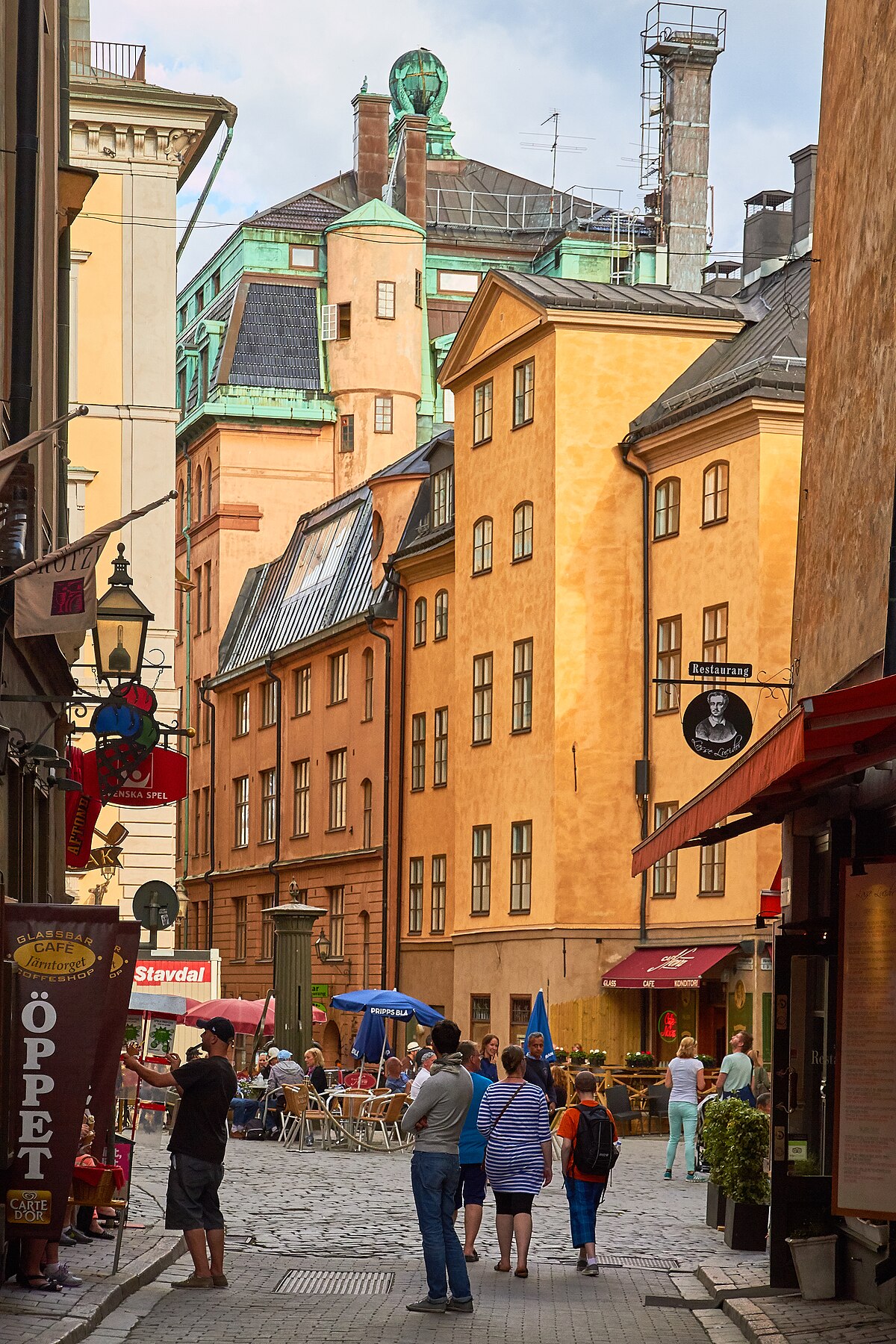
A street scene in Gamla Stan, Stockholm, features historic buildings with varied architecture and colors, including yellow, orange, and green roofs. Pedro Szekely from Los Angeles, USA, CC BY-SA 2.0, via Wikimedia Commons
What was once a suspected poison is now the fuel for global society.
How is coffee made?
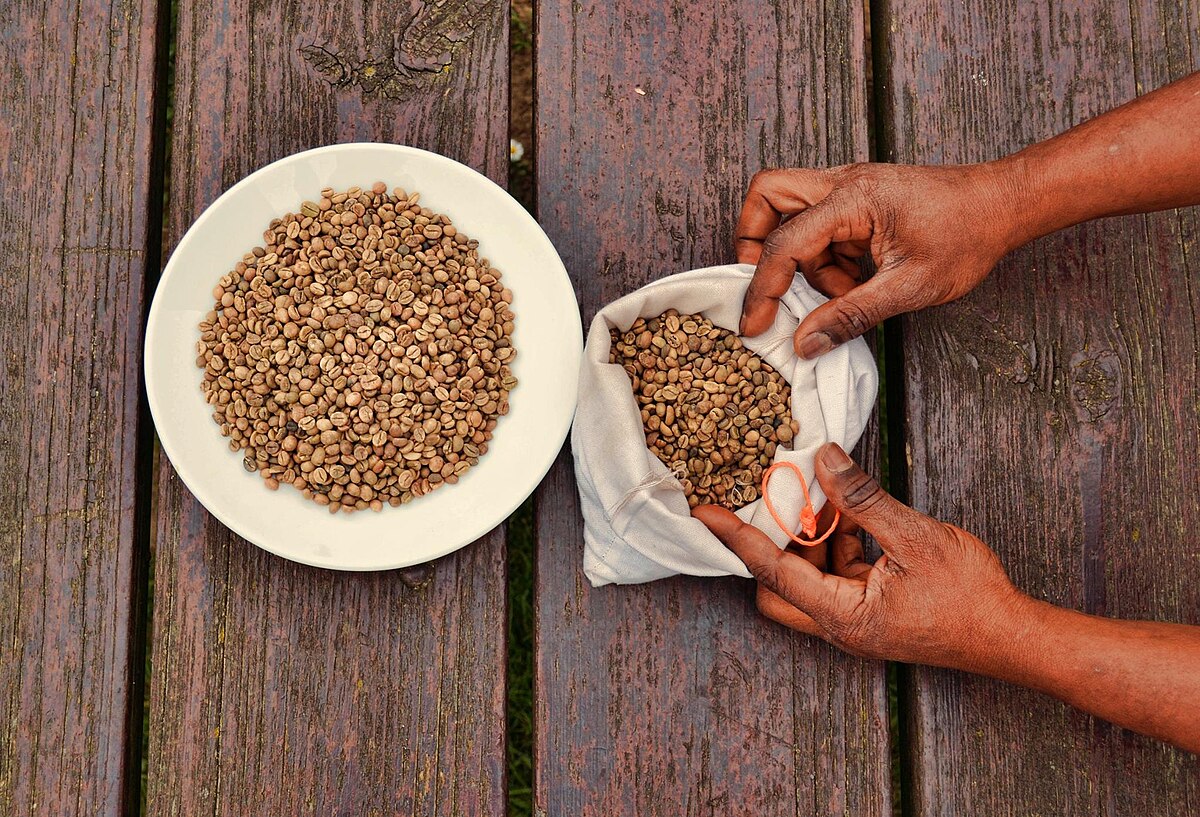
Coffee beans are not actual beans; they are the seeds inside the fruit of the Coffea plant, known as coffee cherries. Production starts by separating these seeds from the fruit flesh to yield unroasted green coffee beans.
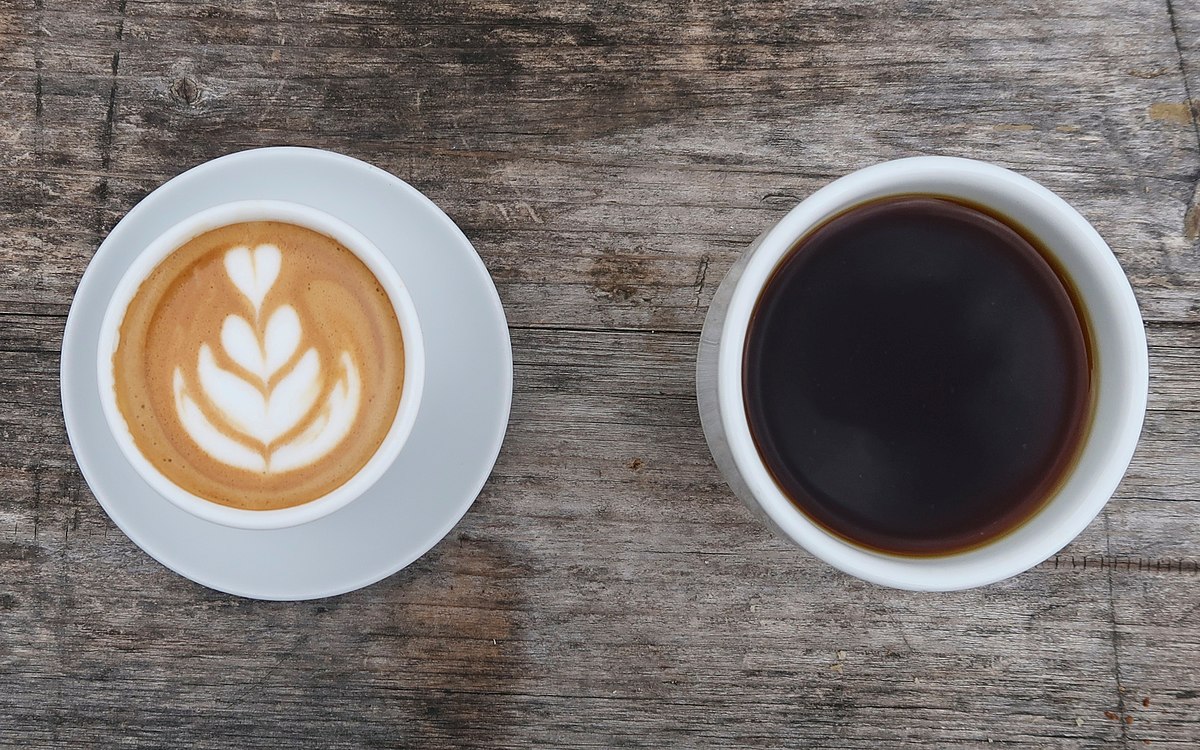
Roasters then heat these green beans, which are subsequently ground into fine particles. Brewing involves steeping the grounds in hot water and filtering them out, though coffee is also consumed chilled or iced. Drinkers often modify its bitter taste using milk, cream, sugar, or sugar substitutes across formats like espresso and caffè latte.
Where did coffee drinking begin?
There is no verified historical or archaeological evidence of brewed coffee before the 15th century. Popular myths about a 9th-century goatherd named Kaldi observing energized goats were fabricated centuries later, first appearing in print in 1671.
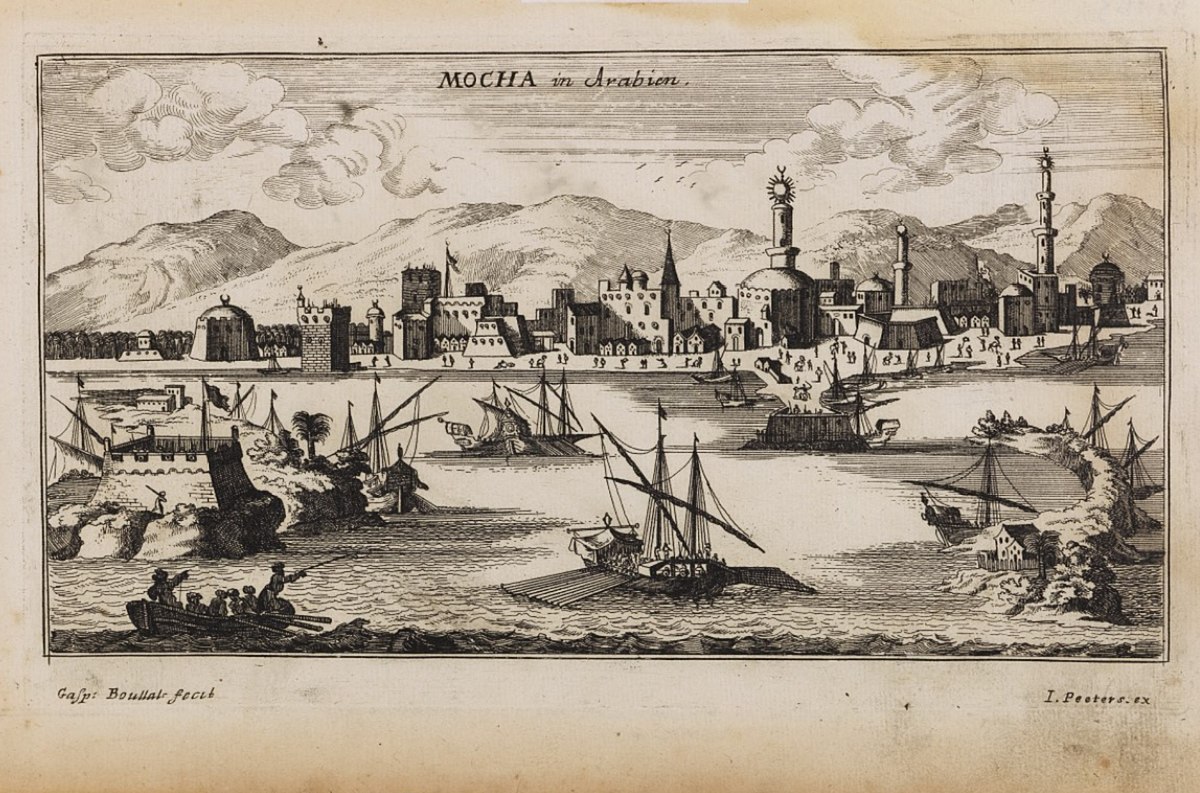
The Yemeni port city of Mocha served as the primary exporter of coffee beans through the late 17th century. Gaspar Bouttats, Public domain, via Wikimedia Commons
The earliest confirmed coffee drinking emerged among Sufi communities in Yemen around the middle of the 15th century. Up through the end of the 17th century, Yemen supplied most of the world's coffee trade through ports like Mocha before cultivation expanded to Java and the Americas.
The global coffee economy
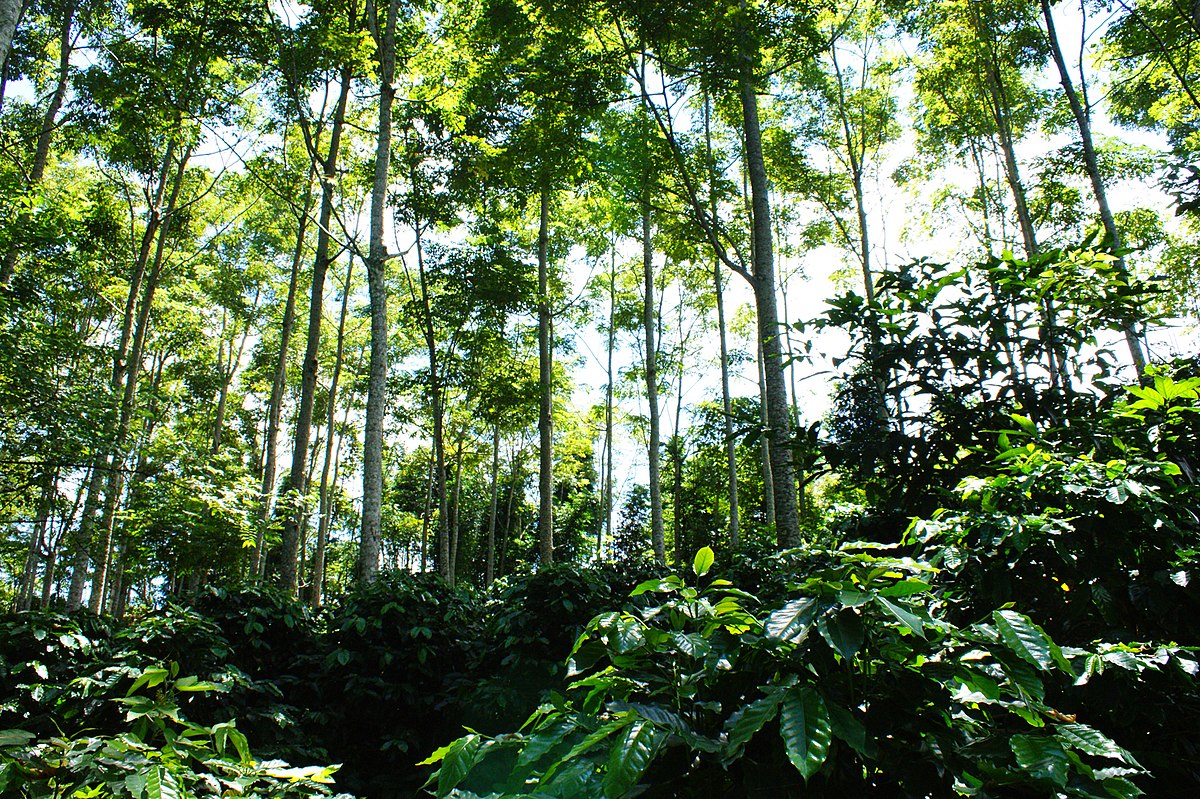
Coffee plants grow in more than 70 countries throughout equatorial regions in the Americas, Africa, Southeast Asia, and the Indian subcontinent. The two predominant species cultivated are Coffea arabica and Coffea robusta.
Unroasted green coffee beans represent the raw agricultural commodity traded globally before reaching commercial roasters. Isai Symens, CC BY-SA 4.0, via Wikimedia Commons
By 2023, the global coffee industry reached a value of 495.5 billion dollars, with Brazil growing 31 percent of the world supply, followed by Vietnam. Despite this massive market size, coffee farmers disproportionately live in poverty, and large-scale farming faces criticism over water usage and land clearing.
Test yourself
Where was coffee first roasted, ground, and brewed as a dark drink?
In Yemen. While coffee grew wild in Ethiopia, Sufi monks in 15th-century Yemen were the first recorded group to roast and brew the seeds into coffee.
Why did Sufi religious communities in southern Arabia adopt coffee brewing?
To stay awake during nighttime prayers. Sufi monks used the stimulating caffeine in brewed coffee to stay alert and focused during long night prayer ceremonies.
What happens to coffee's natural fruit acidity as the roast gets darker?
It breaks down and fades. Heat breaks down the organic acids in the raw bean, so darker roasts taste far less acidic and much more bitter and roasty.
Play the lesson in edgi and the card is yours. It lands on your Map next to the ideas it connects to, and turns from matte to foil to gold as you learn more around it.
The English term entered the language in 1582 through the Dutch word koffie, which came from the Ottoman Turkish kahve and the Arabic qahwah. In medieval Arabic, qahwah originally meant wine or the dark one, referencing its dark color, while the bean itself was called bunn.
When did terms like coffee break appear?
The word coffee pot first appeared in English records in 1705. The phrase coffee break originated much later, entering use in 1952.
Can you drink coffee without caffeine?
Yes, decaffeinated coffee is commercially produced and widely available. In addition to decaf versions of real coffee, various coffee substitutes also exist.