Espresso is a concentrated form of coffee made by forcing hot water under high pressure through finely packed, finely ground coffee beans. It brews in just 25 to 30 seconds, producing a small serving with a dark body topped with a golden-brown foam called crema. While it packs more caffeine per drop than drip coffee, its small volume means a single serving actually contains less total caffeine.
By the edgi team We find the most surprising true thing about an idea and build a 60-second lesson around it.
In 1901, Milanese inventor Luigi Bezzera had a problem: his employees were spending too much time waiting for coffee to brew. He patented a machine that forced water through grounds using steam pressure, cutting brewing time from minutes to seconds.
He called it espresso, Italian for "pressed out" or "express."
The burnt beginning
Bezzera’s machine was fast, but it had a fatal flaw. The steam was so hot it often scorched the coffee beans, resulting in a bitter, burnt taste.
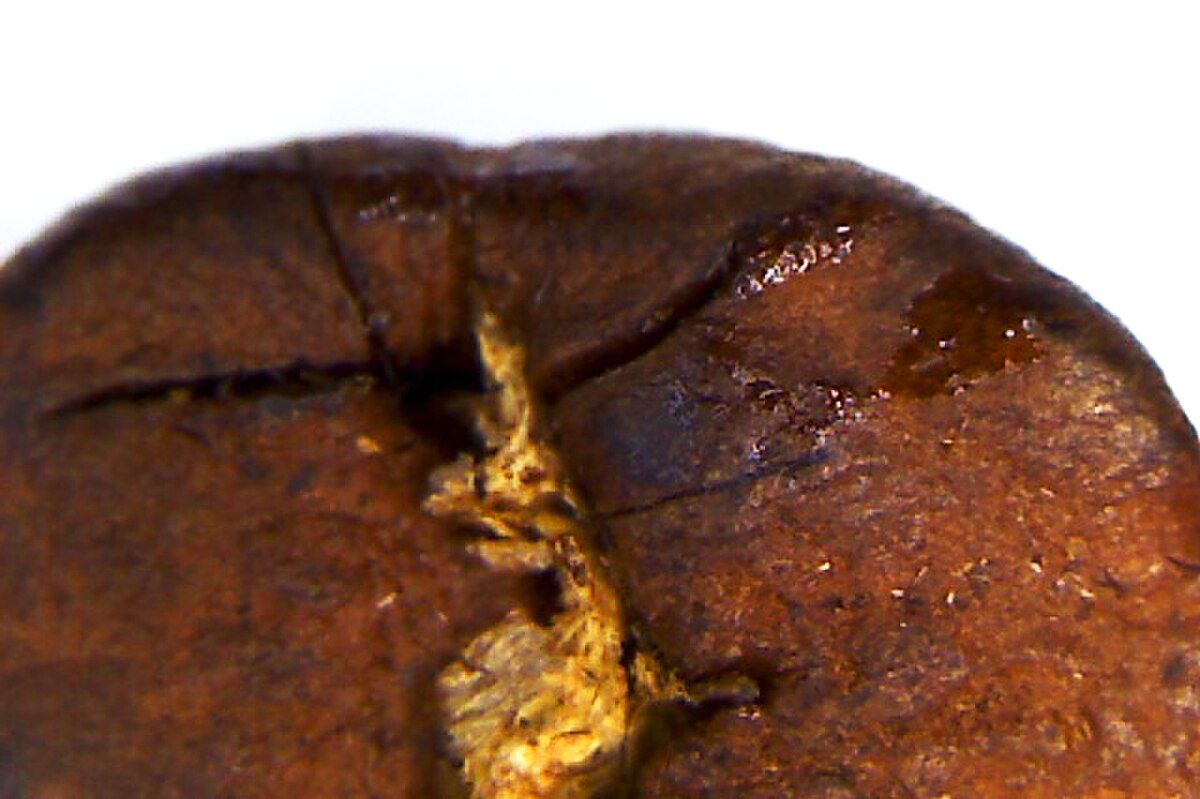
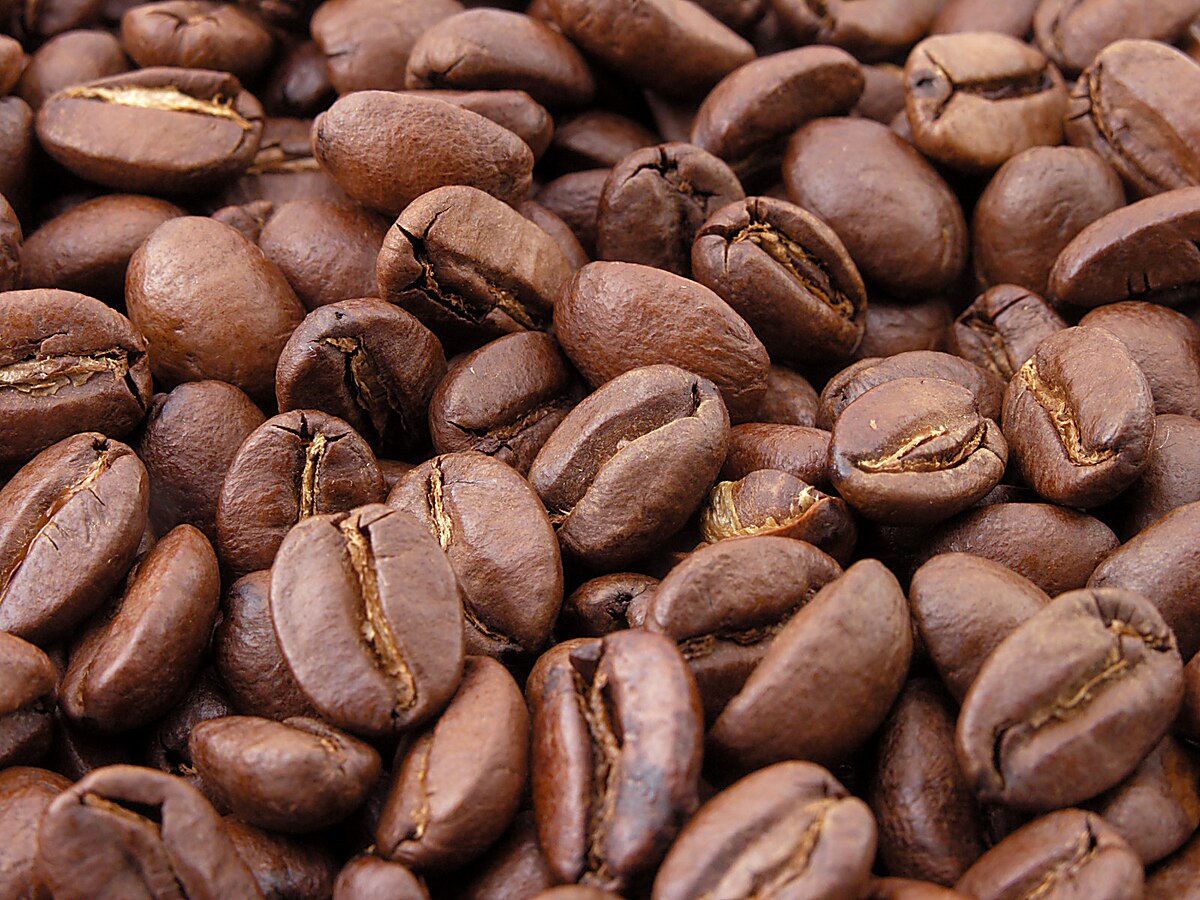
A magnified view of a roasted coffee bean shows a crack in the center, with visible scorching and oil seepage around the edges. Michael.C.Wright, CC BY-SA 4.0, via Wikimedia Commons
It took nearly 50 years to turn that bitter speed-hack into the rich, velvety drink we recognize today.
The crema revolution
In 1948, Achille Gaggia introduced a new lever-driven piston. This added nine bars of pressure without boiling the water, optimizing the coffee extraction process.
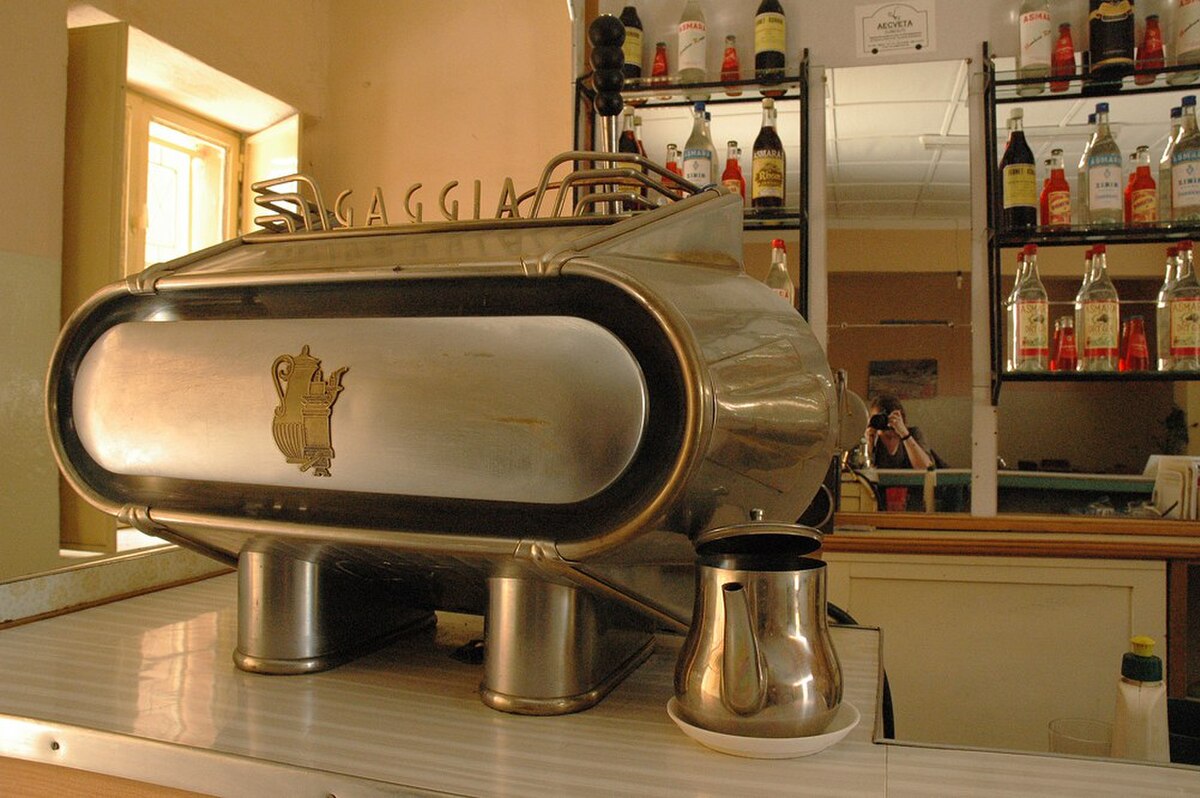
A vintage Gaggia espresso machine is displayed on a counter, featuring a polished metal exterior with the "GAGGIA" logo and an embossed coffee pot design. Lucia Tarantola, CC BY-SA 2.0, via Wikimedia Commons
This created the signature layer of golden-brown foam known as crema, the mark of a professional shot.
How an espresso machine extracts coffee
Espresso relies on pressure rather than time to extract flavor from coffee grounds. In modern machines, water is pushed through finely ground coffee at roughly nine bars of pressure for 25 to 30 seconds. This process pulls out a high concentration of dissolved and suspended solids, creating a thick beverage with a small serving size of 25 to 30 milliliters.
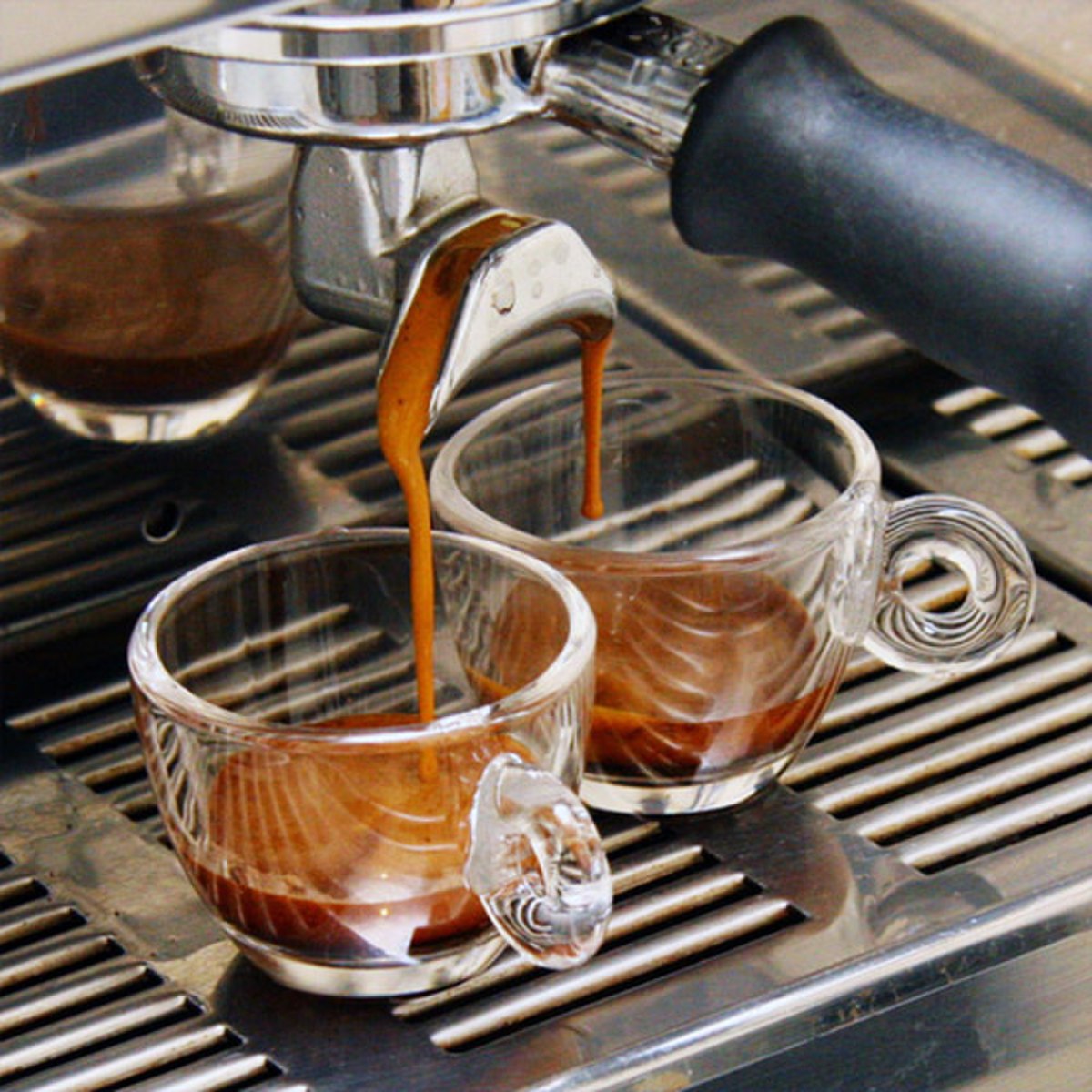
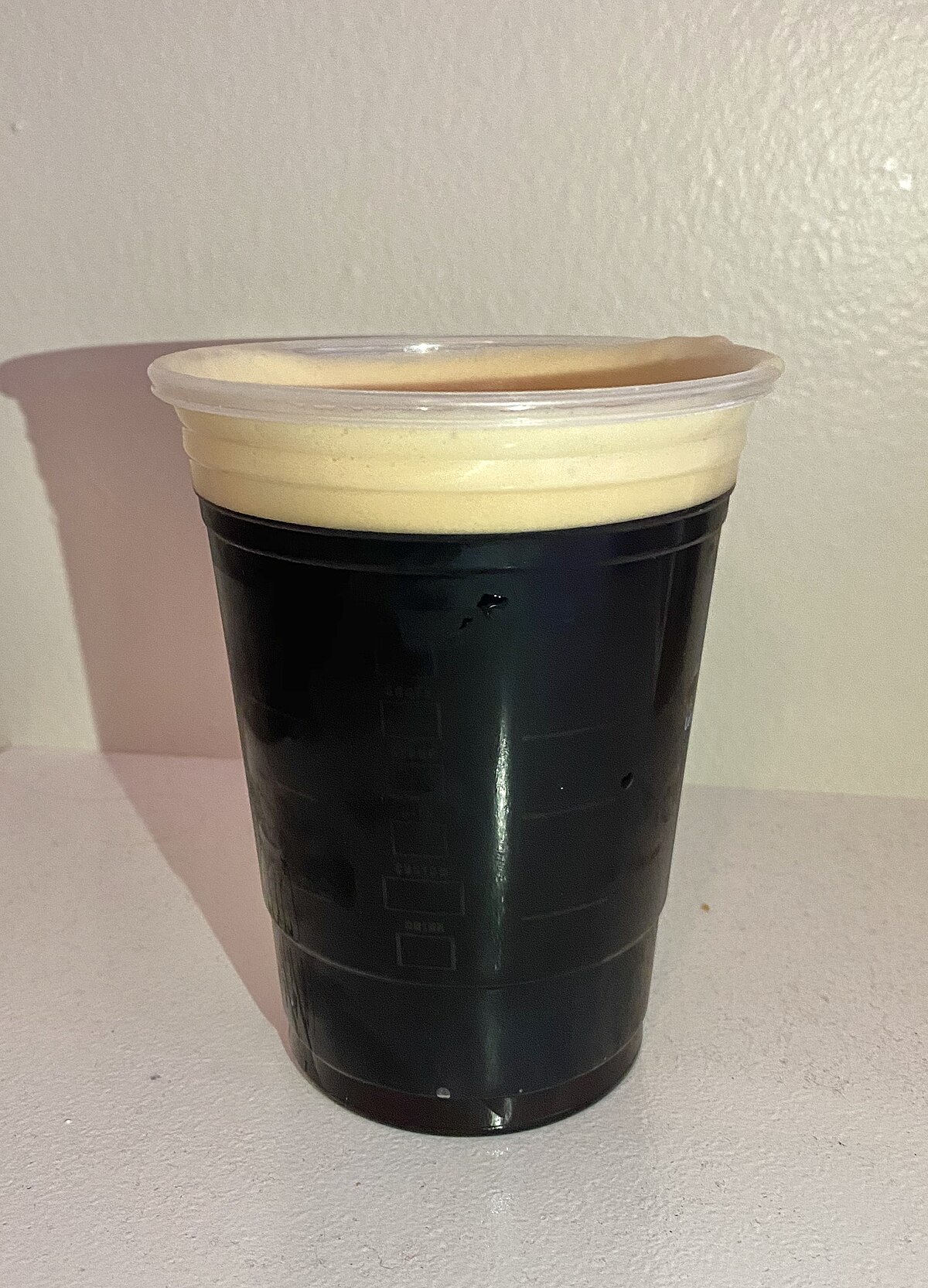
Espresso flows from a machine portafilter, separating into a dark liquid body and a lighter layer of crema during the short extraction. The original uploader was Coffeegeek at English Wikipedia., Public domain, via Wikimedia Commons
The resulting shot features two distinct visual layers: a dark liquid body and a lighter golden-brown foam known as crema. The quality of this extraction depends on precise variables, including water temperature, grind size, pressure, and how well the barista tamps, or packs and levels, the grounds in the portafilter.
The myth of the espresso roast
Espresso is a brewing method, not a specific bean or roast level. Any type of coffee bean and roast profile can be used to make espresso, contrary to the common misconception that it requires dark-roast beans. Changing the bean variety and roast allows baristas to create a broad range of flavors and strengths.
This concentrated shot also serves as the foundational ingredient for many standard café beverages. Adding hot water produces an americano, while combining the shot with milk creates drinks such as cappuccinos and caffè lattes.
Why early espresso tasted burnt
Early espresso machines in the late 19th and early 20th centuries were designed to speed up service, but their engineering flawed the flavor. Inventors like Angelo Moriondo and Luigi Bezzera used steam pressure to force water through coffee. Because steam required boiling temperatures, the water scorched the grounds, leaving the drink bitter, burnt, and black.
These early machines only generated about 1.5 bars of pressure, which was too weak to produce crema. The modern style of espresso emerged in 1948 when Achille Gaggia introduced a lever-driven piston. His design reached nine bars of pressure without boiling the water, yielding the velvety texture and crema layer recognized today.
Test yourself
What makes espresso extraction different from ordinary drip brewing?
Water is forced through the grounds under pressure. Espresso uses pressure to push hot water through ground coffee quickly; longer steeping is a different brewing method.
What makes espresso extraction different from ordinary drip brewing?
Water is forced through the grounds under pressure. Espresso uses pressure to push hot water through ground coffee quickly; longer steeping is a different brewing method.
In espresso, what did a lever-driven piston change to create crema?
It raised pressure without boiling the water. The piston increased pressure without boiling the water, improving extraction and producing crema. Higher heat or longer steeping does not describe this change.
Play the lesson in edgi and the card is yours. It lands on your Map next to the ideas it connects to, and turns from matte to foil to gold as you learn more around it.
Does espresso contain more caffeine than regular drip coffee?
Espresso contains a higher concentration of caffeine per unit volume than drip coffee. Because a typical espresso serving is only 25 to 30 milliliters, one full serving contains less total caffeine than an ordinary cup of drip coffee.
What does the word espresso actually mean?
Espresso comes from the Italian verb esprimere, derived from the Latin exprimere, meaning to express or press out. It describes both the physical pressing of water through coffee grounds and the practice of preparing an individual cup quickly and expressly for a customer.
What is crema on an espresso?
Crema is the lighter golden-brown foam that forms on top of a properly extracted shot of espresso. It was first achieved in the 1940s when high-pressure piston machines were introduced, and it is a signature characteristic of modern espresso.