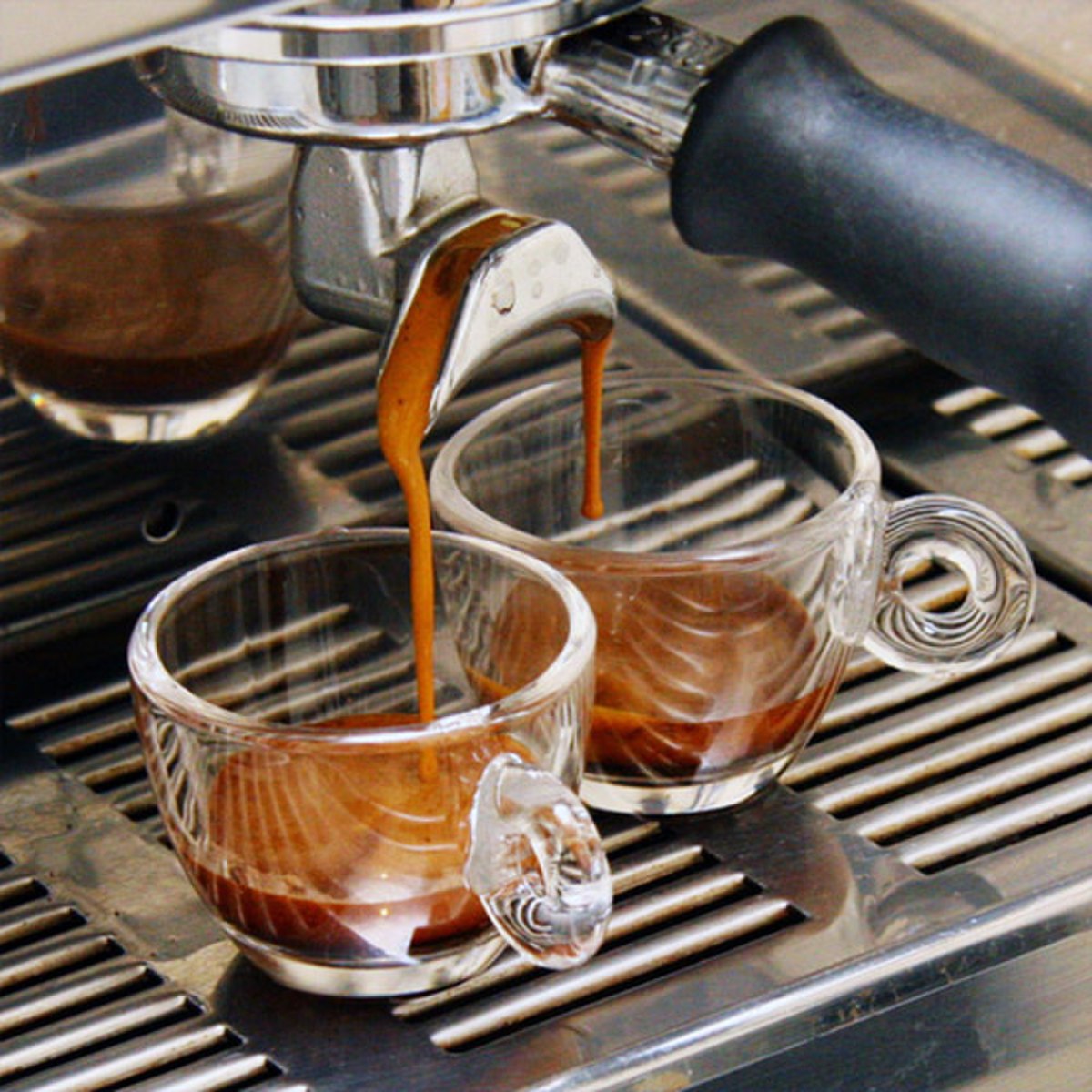
Not a bean
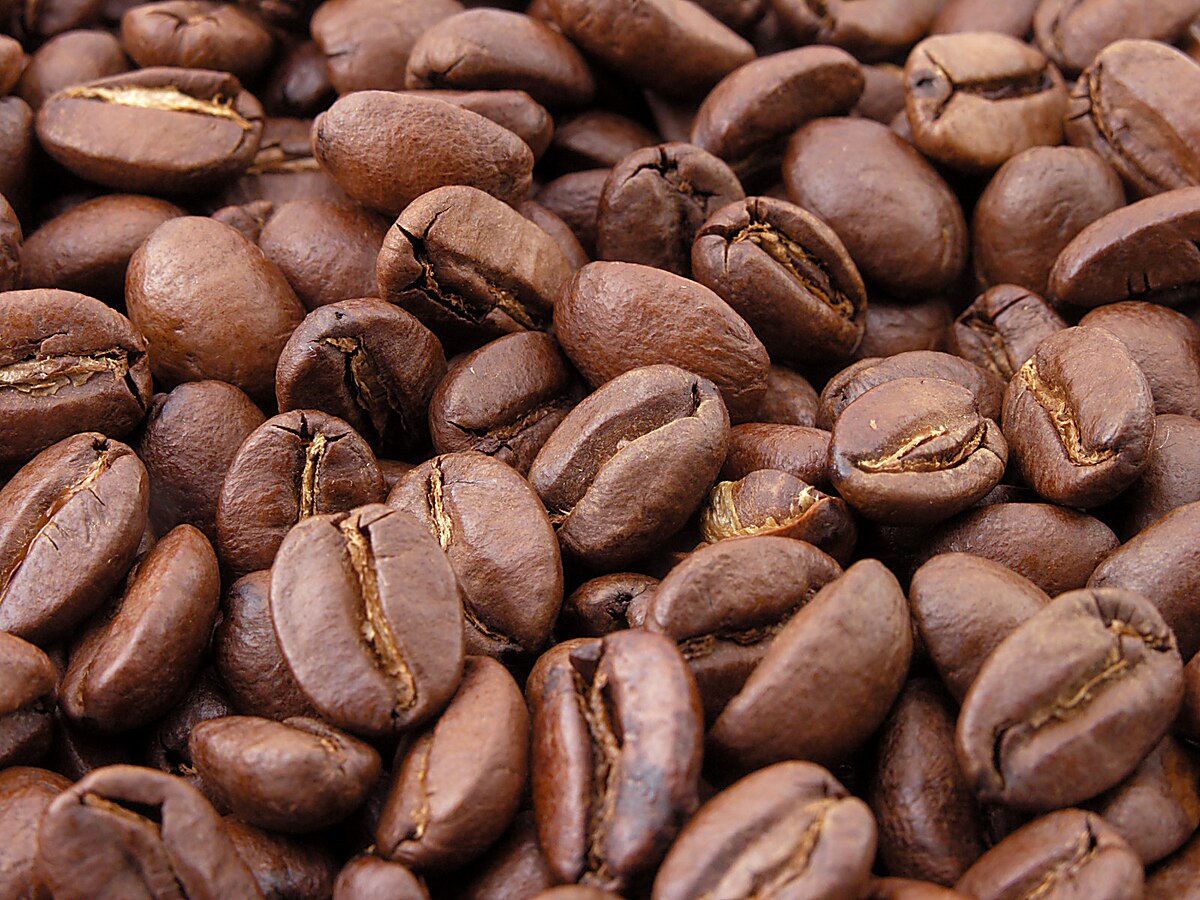
Coffee is not a bean. It is the pit of a fruit called a coffee cherry. Inside every cherry, you usually find two seeds pressed flat against each other.
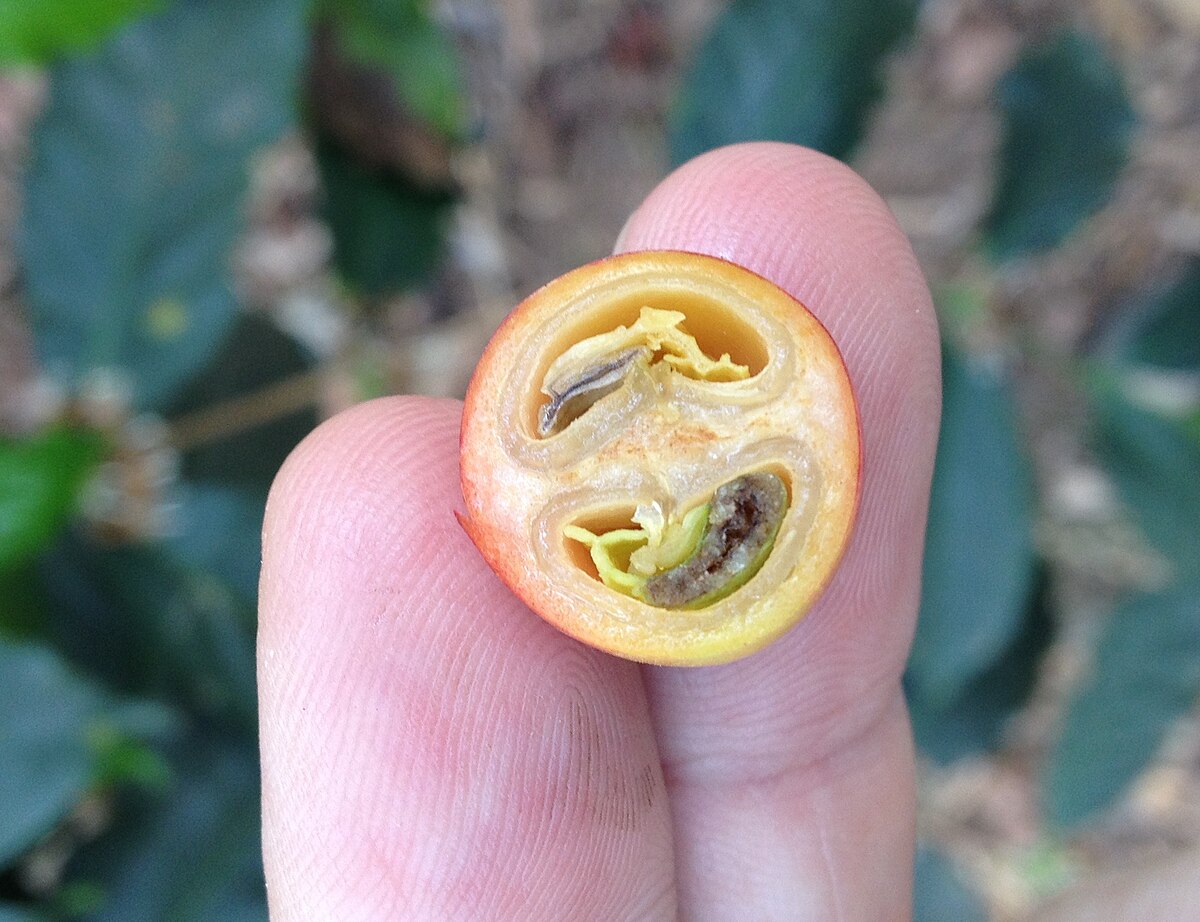
We call them beans only because they happen to look like legumes.
A coffee bean is not a true bean, but the seed of a fruit called a coffee cherry grown on the Coffea plant. Most cherries contain two seeds pressed flat against each other, consisting primarily of endosperm. The plant fills these seeds with caffeine as a natural neurotoxin to paralyze or kill insects that attempt to eat its fruit.

By the edgi team We find the most surprising true thing about an idea and build a 60-second lesson around it.
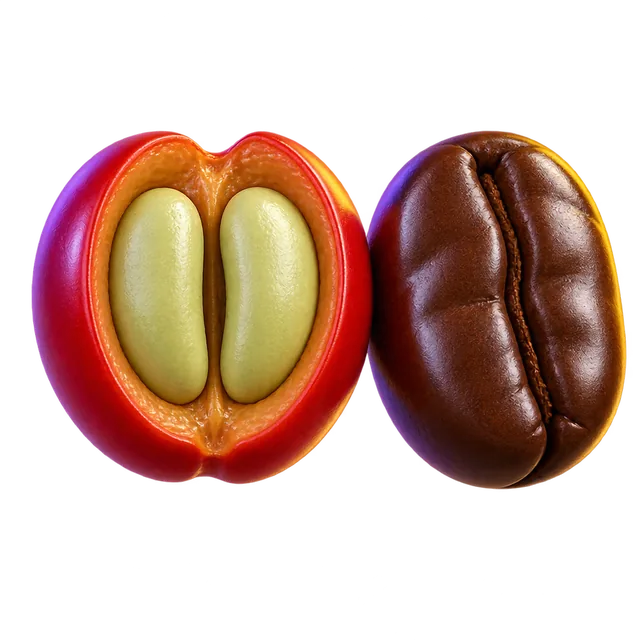
Coffee is not a bean. It is the pit of a fruit called a coffee cherry. Inside every cherry, you usually find two seeds pressed flat against each other.
We call them beans only because they happen to look like legumes.
The caffeine you crave is actually a potent neurotoxin produced by the Coffea plant. The plant packs the seeds with this chemical to paralyze or kill insects that try to eat its fruit.
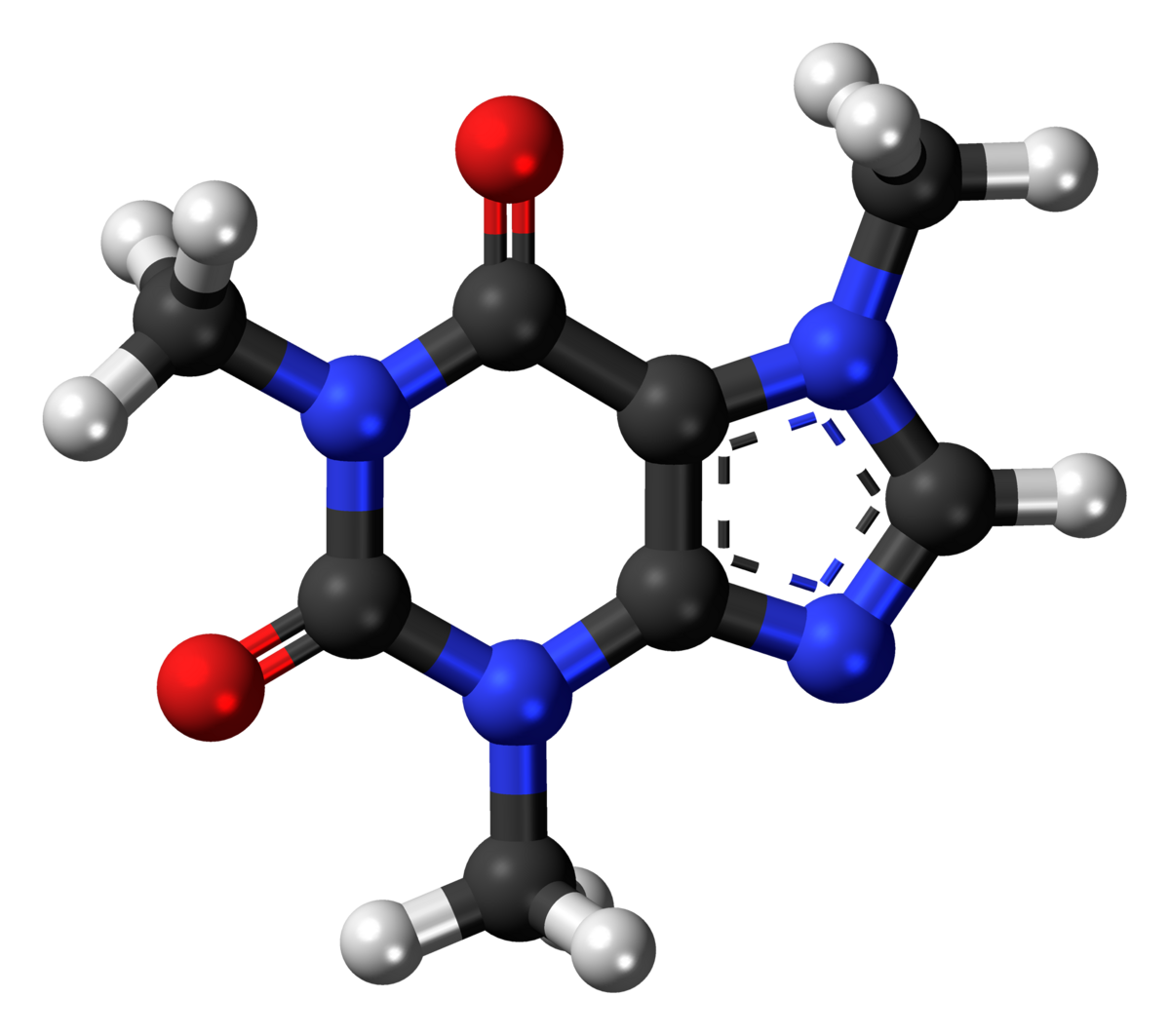
Humans are essentially the only species that learned to take a plant's defensive artillery and turn it into a breakfast drink.
Sometimes, a cherry only develops one seed instead of two. This round, lonely seed is called a peaberry.
Roasters once tossed them out as defects. Today, they are sold as a premium product because their shape promotes more even heat distribution.
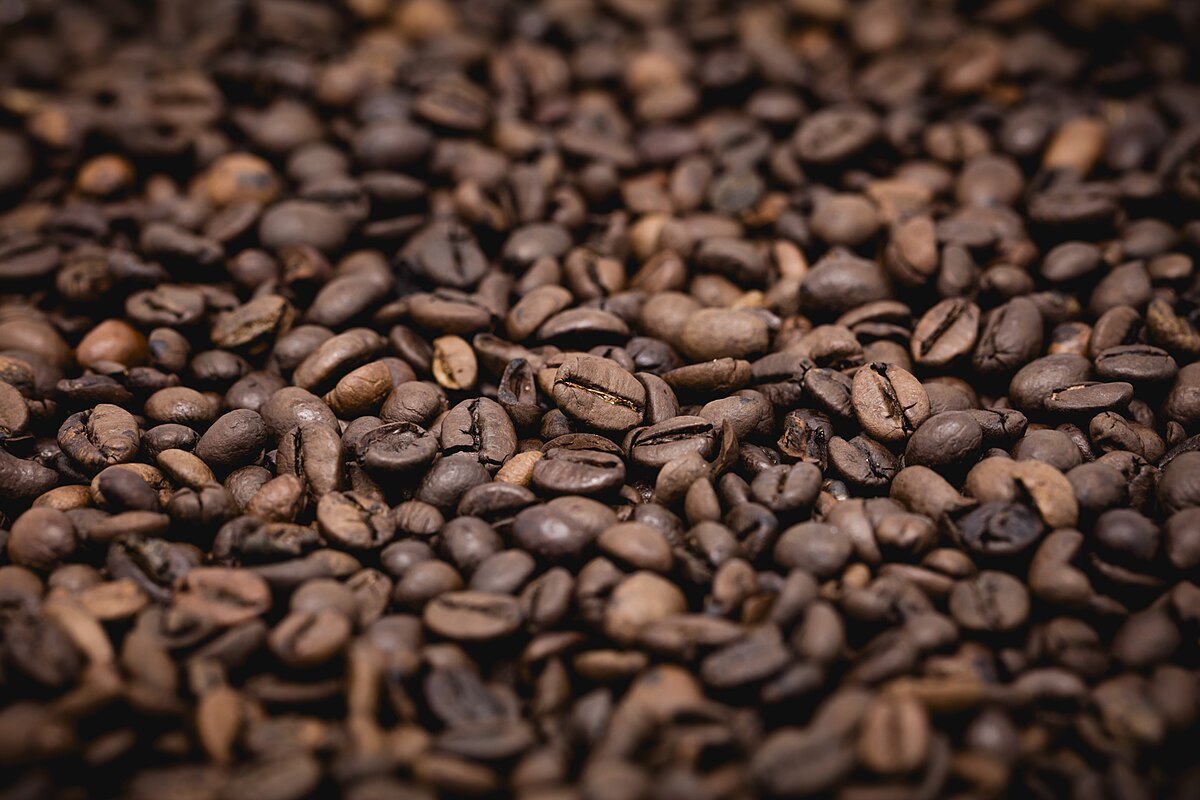
Raw coffee seeds are bitter, green, and essentially inedible. Roasting triggers the Maillard reaction, a complex chemical process that breaks down those harsh defenses and creates the aroma we love.
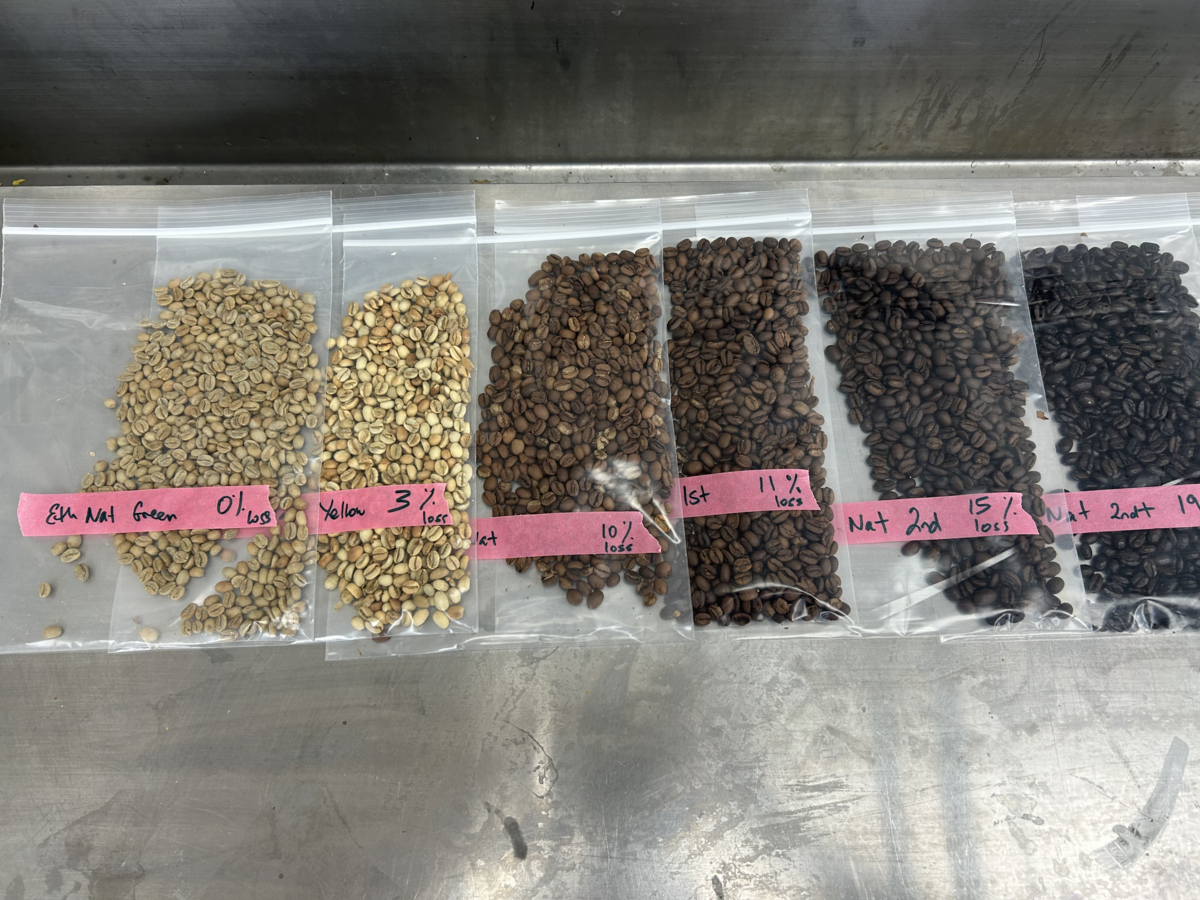
Your morning cup is a feat of culinary chemistry.
A typical coffee cherry contains two flat-sided seeds facing each other. Around 10% to 15% of all coffee cherries develop a single, rounded seed known as a peaberry.
Like white rice and Brazil nuts, coffee beans consist mostly of endosperm, the nutrient tissue that feeds a plant embryo. Raw seeds are green, bitter, and inedible until heat triggers the Maillard reaction, which breaks down harsh compounds and creates the final flavor.
Two species dominate global production: Coffea arabica and Coffea canephora, commonly called robusta. Arabica accounts for roughly 60% of worldwide coffee and contains 0.8% to 1.4% caffeine. It grows best at cooler temperatures between 15 and 24 °C (59 and 75 °F).
Robusta accounts for the remaining 40% and packs a higher caffeine content of 1.7% to 4.0%. It thrives in warmer temperatures between 24 and 30 °C (75 and 86 °F). Other minor cultivated species include Coffea liberica and Coffea racemosa.
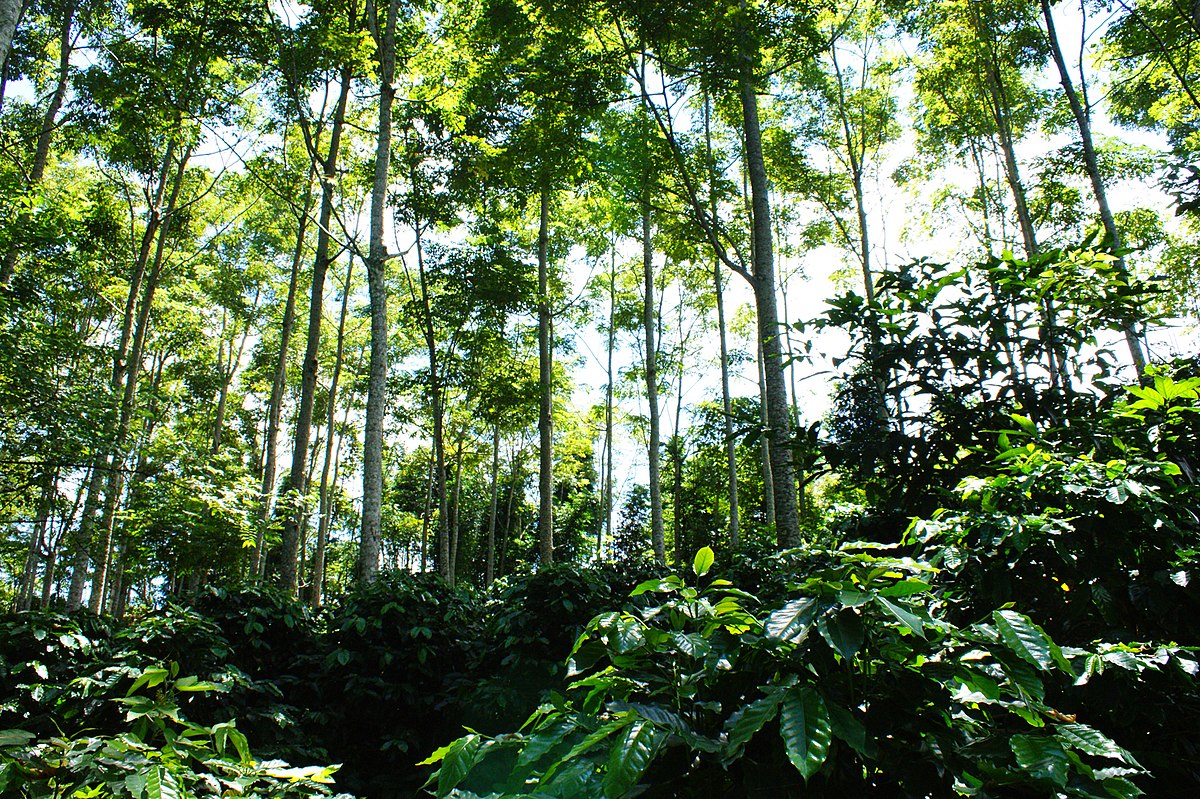
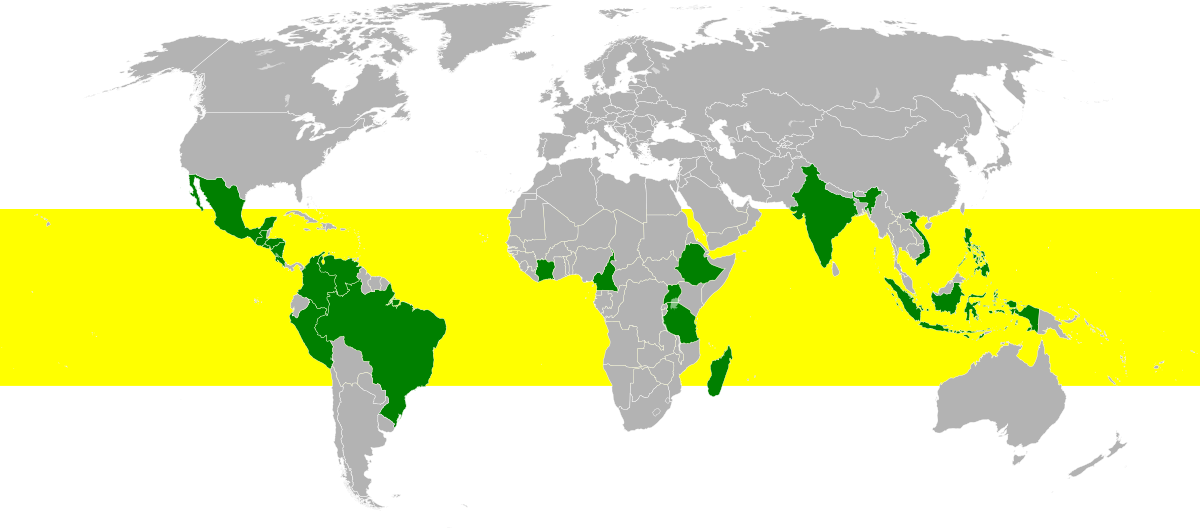
Coffee plants grow in the tropical region between the Tropics of Cancer and Capricorn, known as the coffee belt or bean belt. Workers harvest the fruit by selective picking, which takes only ripe cherries, or strip-picking, which pulls all cherries from a branch at once.
Farmers remove the fruit pulp and mucilage using wet or dry methods. The wet method ferments seeds in water for about two days to wash off sticky residue. The dry method spreads whole cherries in the sun on concrete, bricks, or raised beds for two to three weeks.
A third niche method occurs in Asia with kopi luwak. The Asian palm civet eats the ripest cherries, its digestive tract breaks down the surrounding pulp, and workers harvest the excreted beans.
Coffee cherries are fruits, despite the name coffee bean.
True. A coffee cherry is a fruit; the familiar “bean” is a seed inside it.
Why does roasting change raw coffee seeds into aromatic coffee?
Heat drives reactions that create aroma compounds. Roasting triggers chemical reactions, including the Maillard reaction, that create coffee’s aroma; it does not simply remove caffeine or make more of it.
Why does the Coffea plant put caffeine in its seeds?
To deter insects from eating them. Caffeine acts as chemical defense against insects; it is not there to attract seed dispersers or support roasting.
Collectible card
Play the lesson in edgi and the card is yours. It lands on your Map next to the ideas it connects to, and turns from matte to foil to gold as you learn more around it.
Brazil is the largest producer, responsible for roughly 45% of total coffee exports. Other major exporters include Colombia, Vietnam, and Ethiopia.
A peaberry is a single, rounded coffee seed that forms when only one seed develops inside the cherry instead of the usual two. They make up roughly 10% to 15% of all harvested coffee beans.
According to legend, an Ethiopian goat herder named Kaldi discovered the plant around 850 AD after noticing his goats grew energetic from eating the cherries. Coffee plants originally grew wild in African forests before spreading across global trade routes.
Part of the Set · 8 cards
From a shrub in Ethiopia to the drug 2 billion people take daily.
Lesson complete
You finished the lesson. In edgi, the card goes on your Map next to everything else you learn.