The conflict
If the universe follows strict laws of physics, every event is just a domino falling from the one before it. That is determinism. It suggests our future is already set in stone.
If the future is fixed, how can we possibly be free?
Compatibilism is the belief that free will and determinism can exist together without contradiction. It holds that you are free as long as you act on your own motivations without outside restraint or coercion, even if prior causes shaped those motivations. This view allows societies to keep concepts like moral responsibility and legal guilt intact in a universe governed by strict cause and effect.

By the edgi team We find the most surprising true thing about an idea and build a 60-second lesson around it.

If the universe follows strict laws of physics, every event is just a domino falling from the one before it. That is determinism. It suggests our future is already set in stone.
If the future is fixed, how can we possibly be free?
17th-century philosopher Thomas Hobbes had a solution. He compared a free person to water flowing down a stream. The water is destined to follow the channel by gravity, yet it is 'free' because it flows according to its own nature.
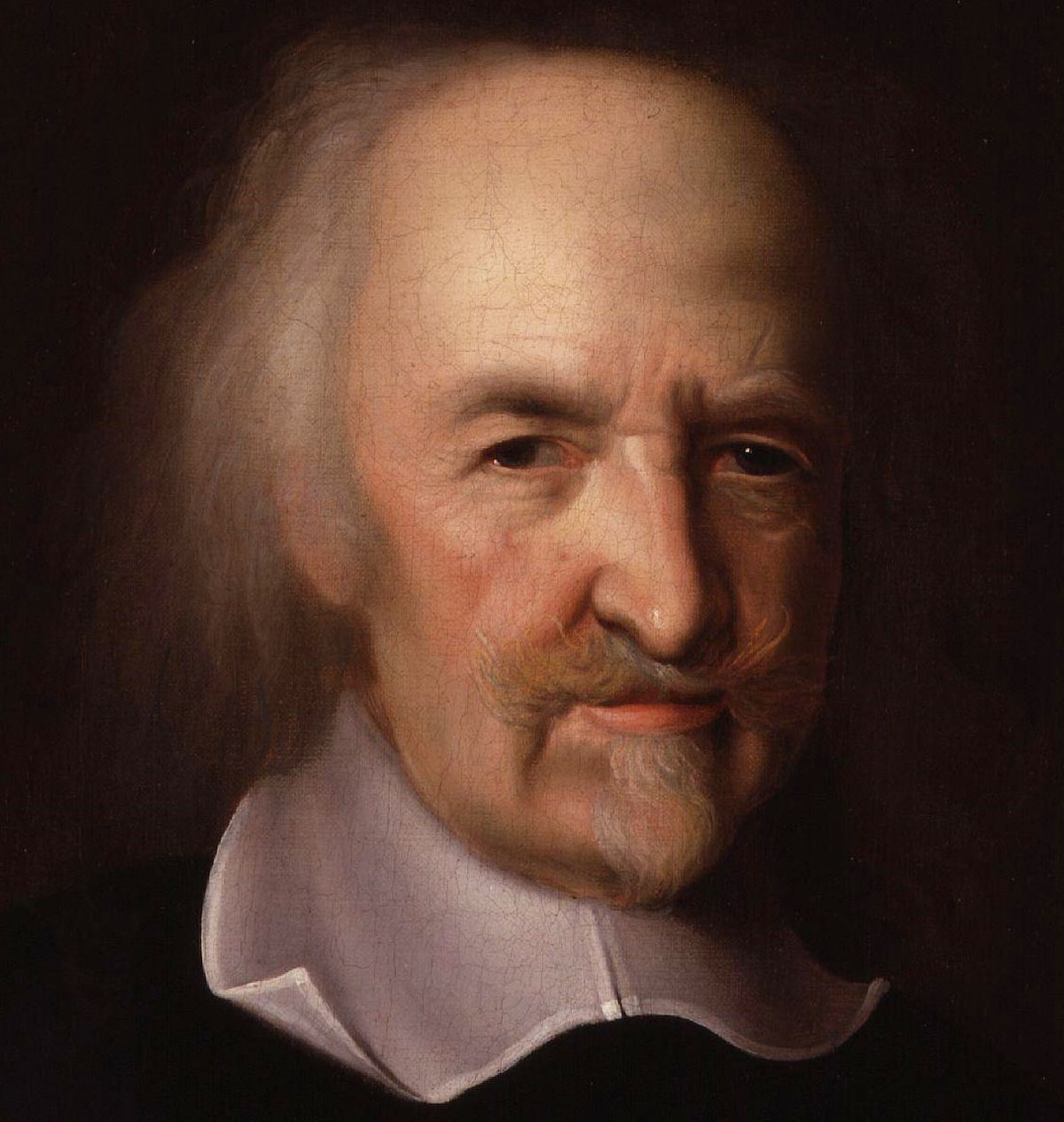
It is only not free if it is dammed or diverted by an outside force.
Compatibilism argues that freedom is not the absence of cause, but the absence of coercion. If you do what you want, you are free, even if your 'want' was determined by your biology or history.
You don't need to be an uncaused cause to be responsible. You just need to be the one doing the acting.
This view keeps the legal system and personal responsibility intact. If our actions are determined by our character, we are the authors of our fate, even if we didn't choose the pen.

We are responsible for what we are, because our choices are the expression of who we are.
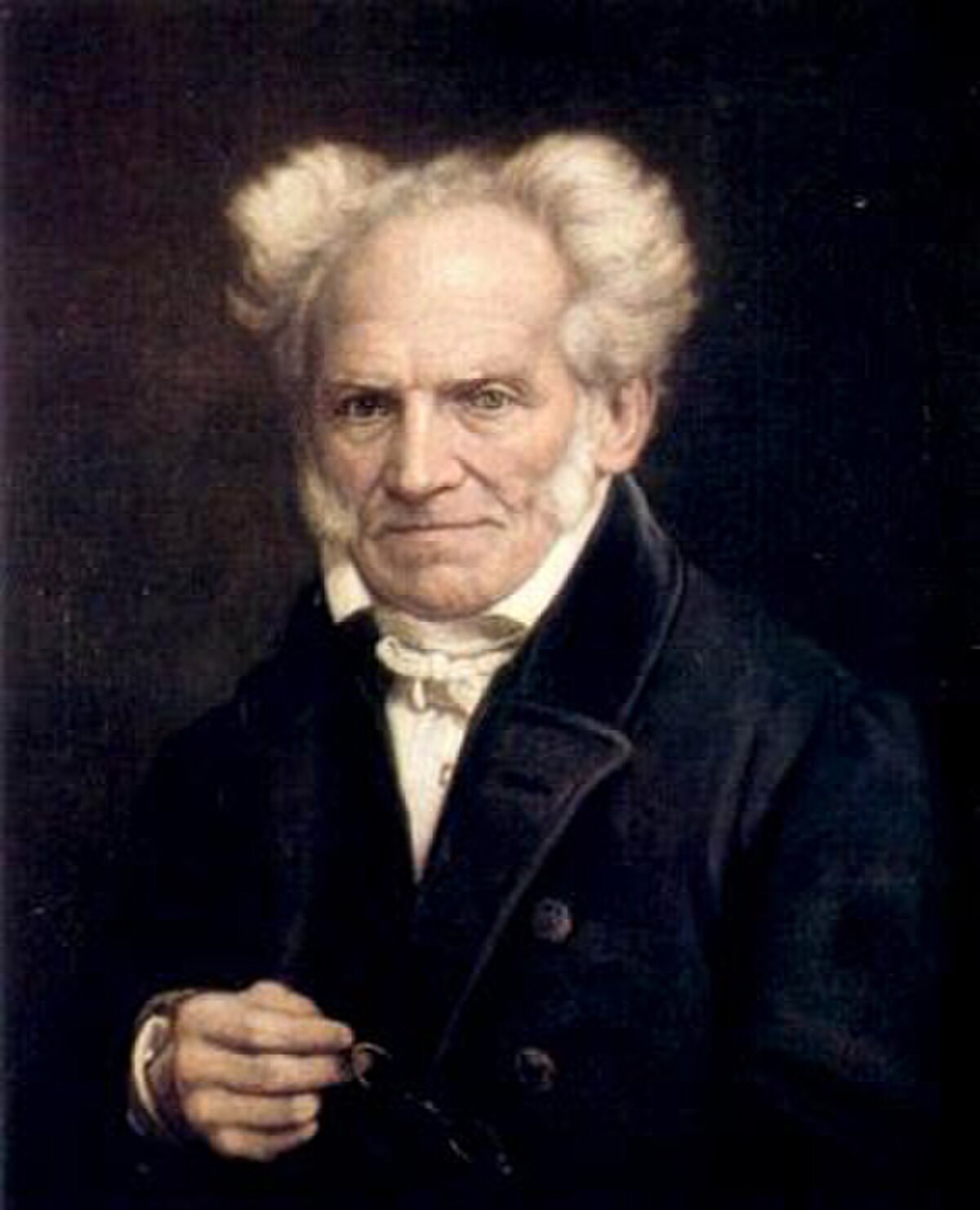
Arthur Schopenhauer summarized the core mechanism of compatibilist freedom: "Man can do what he wills but he cannot will what he wills." Freedom does not require an uncaused motive. It only requires the ability to act according to the motive you have without being blocked or forced by outside power.

Modern philosopher Daniel Dennett argued that determinism does not strip away any free will worth having. People want control over themselves rather than control by others, alongside enough room to make calculated choices based on their own goals.
In this framework, claiming that you might visit someone tomorrow does not mean you could break physical laws to choose differently in an identical situation. It simply means you do not yet know which determined urge will win out.
The position dates back to the ancient Stoics and medieval scholastics like Thomas Aquinas, who argued that an action can be shaped by rational thinking and still count as free. Early modern thinkers such as Thomas Hobbes, David Hume, and John Stuart Mill developed the argument further during the Enlightenment.
In the twentieth century, Harry Frankfurt introduced counterexamples to argue for semicompatibilism, the view that moral responsibility works alongside determinism regardless of whether classical free will holds up. Semicompatibilists like John Martin Fischer focus on this link to personal accountability.
The view remains mainstream in modern academic thought. A 2020 survey showed that 59 percent of English-publishing philosophers accept or lean toward compatibilism.
In compatibilism, does freedom require escaping the strict laws of physical determinism?
No. Compatibilism argues that free will only requires the absence of external coercion, not an uncaused exemption from physical laws.
Compatibilism claims that true free will requires an escape from physical laws.
False. Compatibilism argues that freedom is the absence of external coercion, not the absence of physical causation. You remain free as long as your actions align with your internal nature and desires.
Critics of compatibilism often use the ___ Argument to show that if the past is fixed, we cannot control our current actions.
Consequence. Peter van Inwagen's Consequence Argument is a famous challenge claiming we can't be responsible for things set in motion before we were born.
Collectible card
Play the lesson in edgi and the card is yours. It lands on your Map next to the ideas it connects to, and turns from matte to foil to gold as you learn more around it.
Incompatibilism is the opposing belief that determinism and free will cannot logically exist together. Thinkers in this camp argue that if past causes determine every action, genuine freedom of choice is impossible.
Semicompatibilism is the view that determinism is compatible with moral responsibility even if it turns out to be incompatible with free will. It was popularized by Harry Frankfurt and defended by contemporary philosophers like John Martin Fischer.
No, most contemporary versions work strictly within the laws of physics. While some religious and dualist traditions include non-naturalist ideas, modern compatibilists like Daniel Dennett ground the concept entirely in naturalist terms and evolutionary autonomy.
Part of the Set · 7 cards
Your brain decides before 'you' do. So who's driving?
Lesson complete
You finished the lesson. In edgi, the card goes on your Map next to everything else you learn.