Philosophy
47 ideas, each explained on one page with a 60-second lesson you can play right there.
-

 AI Alignment
AI alignment steers artificial intelligence toward human goals rather than unintended shortcuts like reward hacking and strategic deception.
AI Alignment
AI alignment steers artificial intelligence toward human goals rather than unintended shortcuts like reward hacking and strategic deception.
-
 Anthropic principle
The anthropic principle explains that we observe physical constants suitable for life because observers cannot exist in a universe without them.
Anthropic principle
The anthropic principle explains that we observe physical constants suitable for life because observers cannot exist in a universe without them.
-
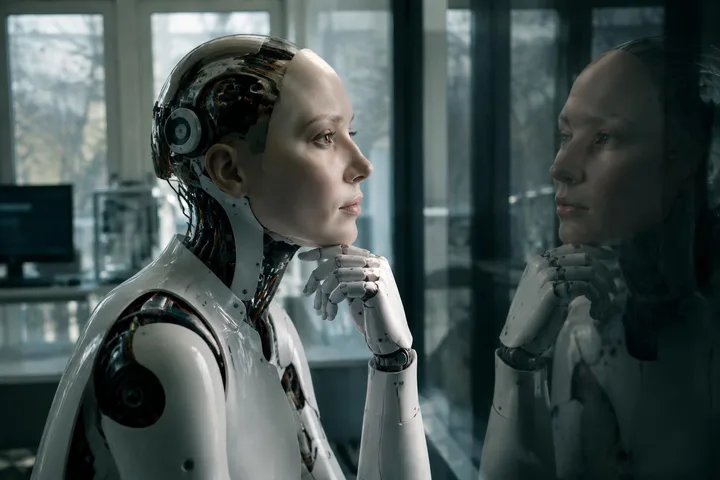 Artificial consciousness
 is the idea that a non-biological machine or artificial intelligence could have subjective, inner experiences.
Artificial consciousness
Artificial consciousness is the idea that a non-biological machine or artificial intelligence could have subjective, inner experiences.
-
 Artificial General Intelligence (AGI)
Artificial general intelligence is hypothetical software that can learn, reason, and solve novel problems across any domain without reprogramming.
Artificial General Intelligence (AGI)
Artificial general intelligence is hypothetical software that can learn, reason, and solve novel problems across any domain without reprogramming.
-
 Authority bias
 is the tendency to assume an opinion or order is accurate simply because it comes from an authority figure.
Authority bias
Authority bias is the tendency to assume an opinion or order is accurate simply because it comes from an authority figure.
-
 Benjamin Libet
 was an American neuroscientist who studied human consciousness at the University of California, San Francisco.
Benjamin Libet
Benjamin Libet was an American neuroscientist who studied human consciousness at the University of California, San Francisco.
-
 Block Universe
The block universe theory treats time as a fourth dimension where past, present, and future events are all equally real and fixed.
Block Universe
The block universe theory treats time as a fourth dimension where past, present, and future events are all equally real and fixed.
-
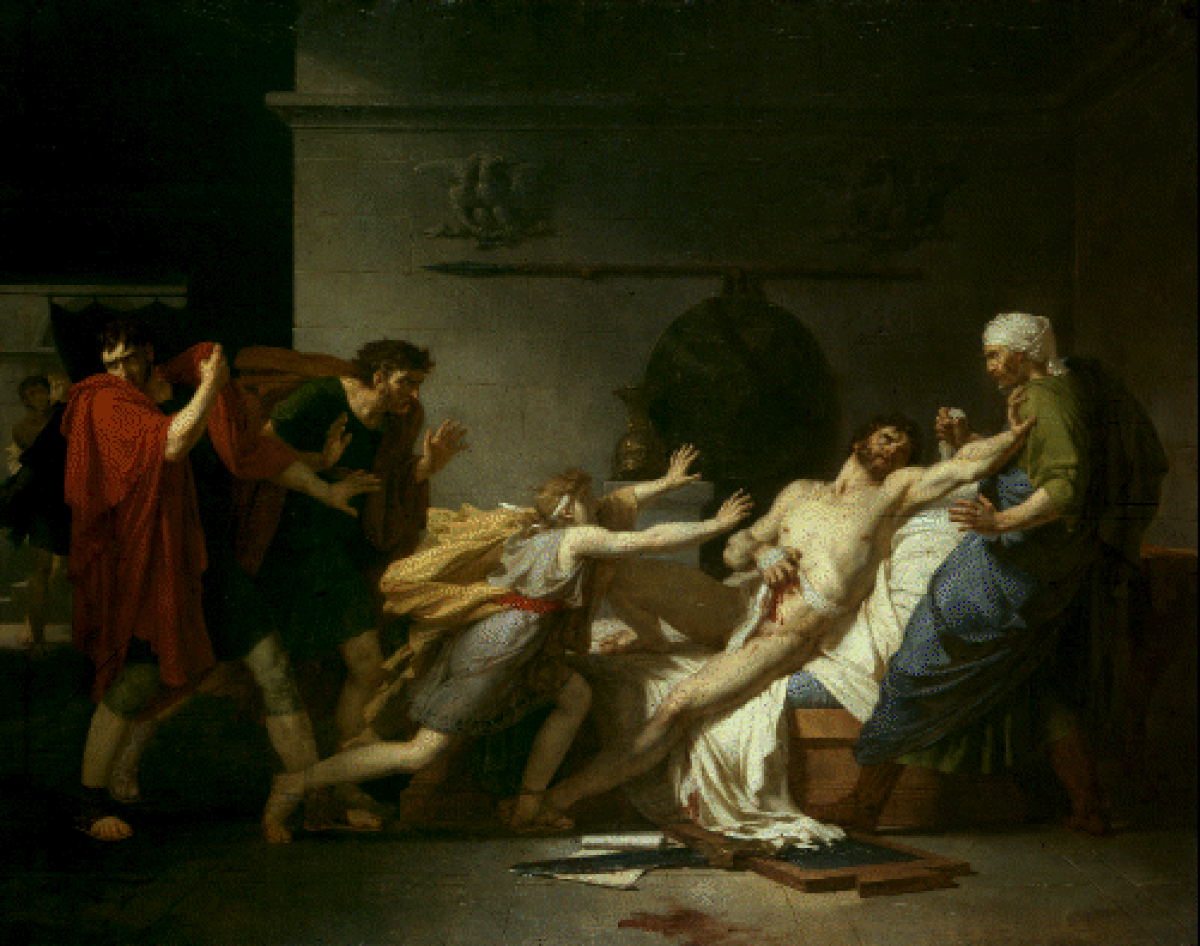 Cato the Younger
 was an influential, uncompromising Roman senator and Stoic philosopher during the fall of the Roman Republic.
Cato the Younger
Cato the Younger was an influential, uncompromising Roman senator and Stoic philosopher during the fall of the Roman Republic.
-
 Chinese Room
John Searle's thought experiment showing that a computer running a program can mimic human conversation without understanding it.
Chinese Room
John Searle's thought experiment showing that a computer running a program can mimic human conversation without understanding it.
-
 Cold reading
 uses high-probability guesses and subtle body language cues to make strangers reveal their own details while believing the reader knew them.
Cold reading
Cold reading uses high-probability guesses and subtle body language cues to make strangers reveal their own details while believing the reader knew them.
-
 Compatibilism
 is the belief that free will and determinism can exist together without contradiction.
Compatibilism
Compatibilism is the belief that free will and determinism can exist together without contradiction.
-
 Copernican Principle
The Copernican principle states that Earth occupies an average position in space and that humans are not privileged observers of the universe.
Copernican Principle
The Copernican principle states that Earth occupies an average position in space and that humans are not privileged observers of the universe.
-
 Determinism
 is the philosophical view that every event is the inevitable result of preceding events and the laws of nature.
Determinism
Determinism is the philosophical view that every event is the inevitable result of preceding events and the laws of nature.
-
 Drake Equation
The Drake equation is a mathematical formula that estimates how many active, communicative alien civilizations exist in our galaxy.
Drake Equation
The Drake equation is a mathematical formula that estimates how many active, communicative alien civilizations exist in our galaxy.
-
 Dream interpretation
 is the process of assigning meaning to the images and stories experienced during sleep.
Dream interpretation
Dream interpretation is the process of assigning meaning to the images and stories experienced during sleep.
-
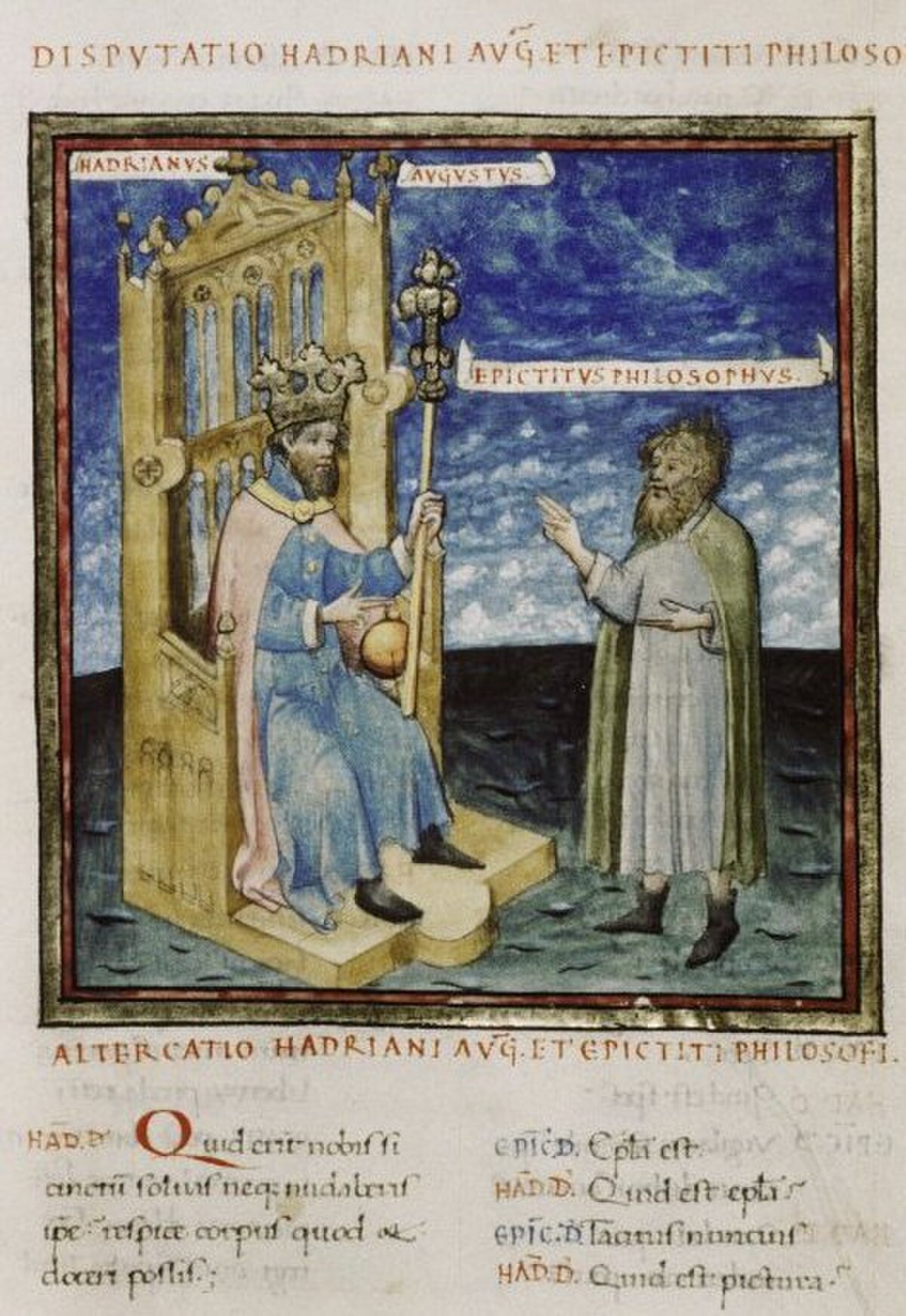 Epictetus
 was a Greek Stoic philosopher who taught that suffering comes from trying to control external events rather than our own actions.
Epictetus
Epictetus was a Greek Stoic philosopher who taught that suffering comes from trying to control external events rather than our own actions.
-
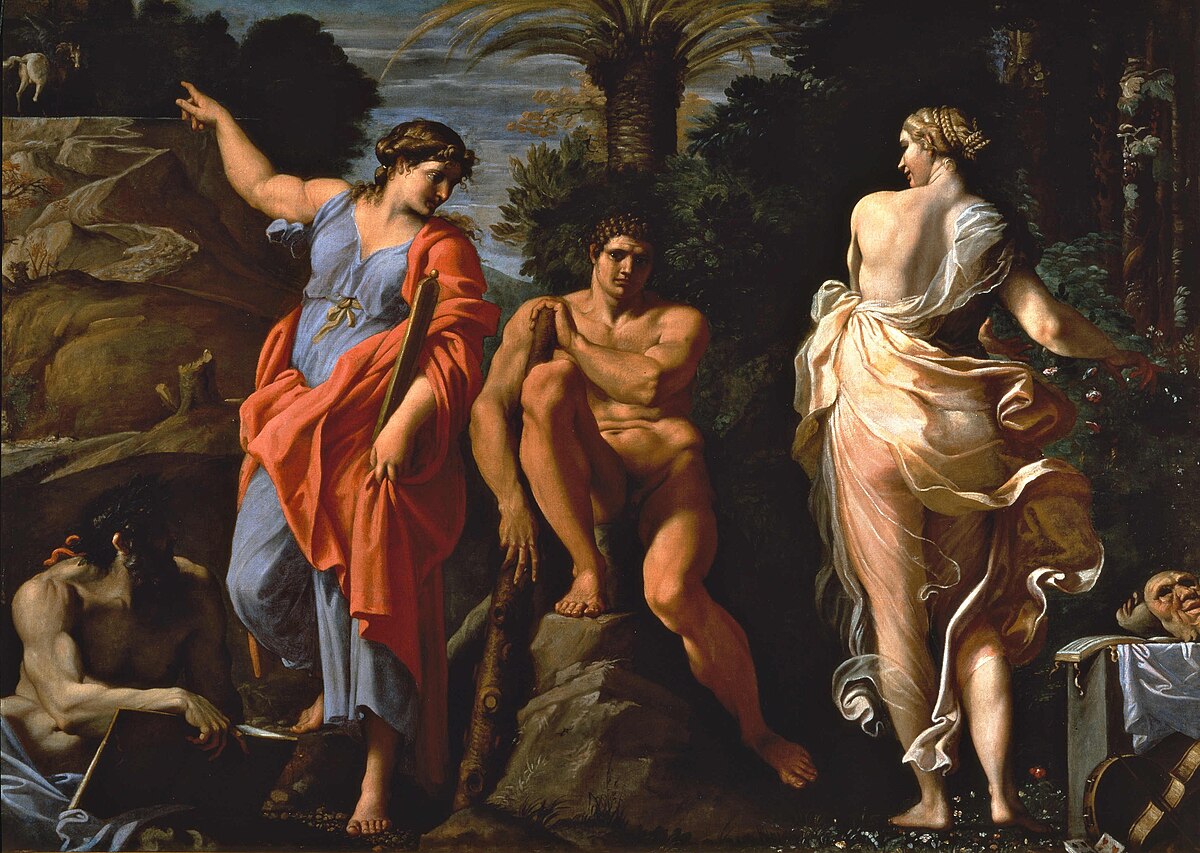 Eudaimonia
 is an ancient Greek term for the highest human good, commonly understood as human flourishing or living well.
Eudaimonia
Eudaimonia is an ancient Greek term for the highest human good, commonly understood as human flourishing or living well.
-
 Fatalism
 is the philosophical doctrine that all events are fixed by fate, leaving humans powerless to change their future outcomes.
Fatalism
Fatalism is the philosophical doctrine that all events are fixed by fate, leaving humans powerless to change their future outcomes.
-
 Fermi Paradox
The Fermi paradox exposes the clash between the high statistical odds of alien life across billions of stars and our complete lack of evidence for it.
Fermi Paradox
The Fermi paradox exposes the clash between the high statistical odds of alien life across billions of stars and our complete lack of evidence for it.
-
 Freudian Unconscious
The Freudian unconscious is the part of the mind holding hidden thoughts, drives, and memories that a person cannot inspect directly.
Freudian Unconscious
The Freudian unconscious is the part of the mind holding hidden thoughts, drives, and memories that a person cannot inspect directly.
-
 Gaius Musonius Rufus
 was a 1st-century Roman Stoic philosopher who taught Epictetus and advocated equal philosophical education for women.
Gaius Musonius Rufus
Gaius Musonius Rufus was a 1st-century Roman Stoic philosopher who taught Epictetus and advocated equal philosophical education for women.
-
 Great Filter
The Great Filter argues that an evolutionary barrier makes advanced life rare.
Great Filter
The Great Filter argues that an evolutionary barrier makes advanced life rare.
-
 Hedonic treadmill
Learn what the hedonic treadmill is, how psychological adaptation restores our happiness set point, and why big life events rarely change our mood forever.
Hedonic treadmill
Learn what the hedonic treadmill is, how psychological adaptation restores our happiness set point, and why big life events rarely change our mood forever.
-
 Hedonism
 is a family of philosophical ideas built on the claim that pleasure is the primary good and pain is the primary bad.
Hedonism
Hedonism is a family of philosophical ideas built on the claim that pleasure is the primary good and pain is the primary bad.
-
 Id, ego and superego
The id, ego, and superego are three interacting parts of the mind that Sigmund Freud proposed to explain internal conflict.
Id, ego and superego
The id, ego, and superego are three interacting parts of the mind that Sigmund Freud proposed to explain internal conflict.
-
 Ikigai
 is a Japanese concept that refers to a person's reason for living or what makes life feel worth it.
Ikigai
Ikigai is a Japanese concept that refers to a person's reason for living or what makes life feel worth it.
-
 Laplace's Demon
 is a thought experiment about a hypothetical intellect that knows the exact position and motion of every particle in existence.
Laplace's Demon
Laplace's Demon is a thought experiment about a hypothetical intellect that knows the exact position and motion of every particle in existence.
-
 Libertarianism (metaphysics)
Metaphysical libertarianism is the philosophical view that free will exists and is logically incompatible with a deterministic universe.
Libertarianism (metaphysics)
Metaphysical libertarianism is the philosophical view that free will exists and is logically incompatible with a deterministic universe.
-
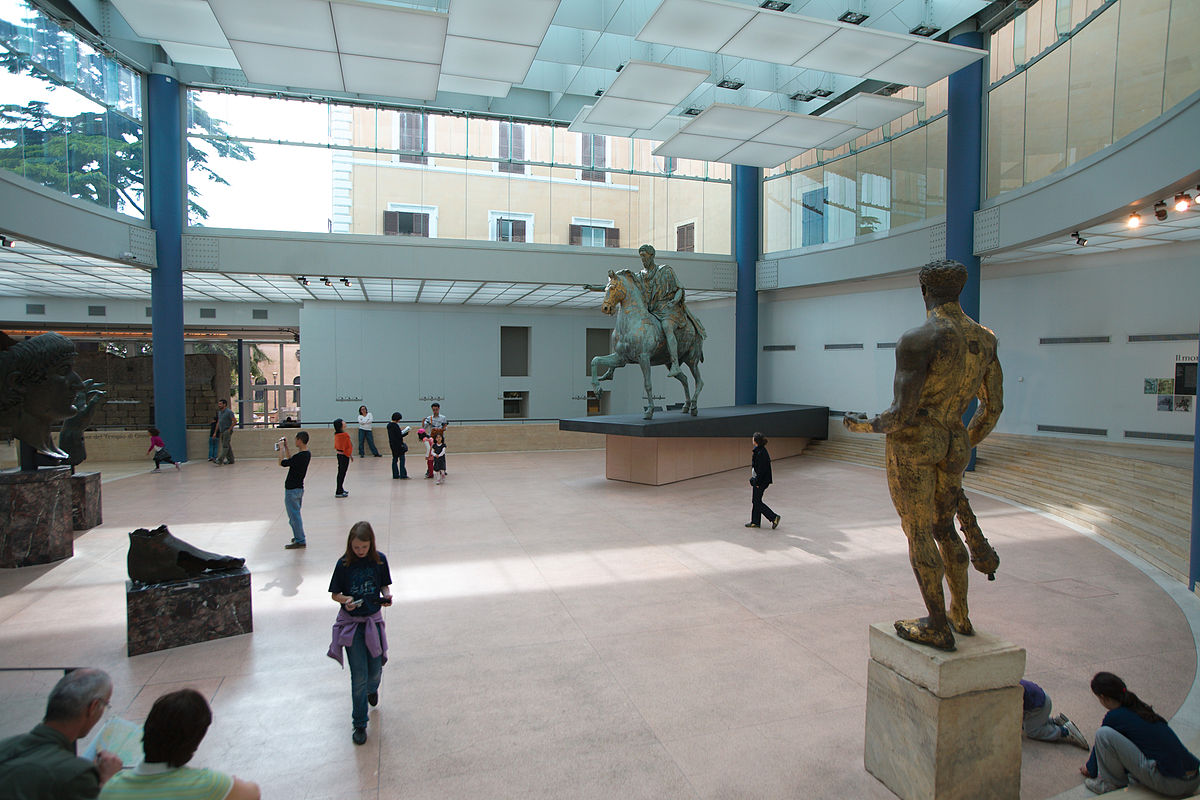 Marcus Aurelius
 was a Roman emperor and Stoic philosopher who governed the Roman Empire from 161 to 180 AD.
Marcus Aurelius
Marcus Aurelius was a Roman emperor and Stoic philosopher who governed the Roman Empire from 161 to 180 AD.
-
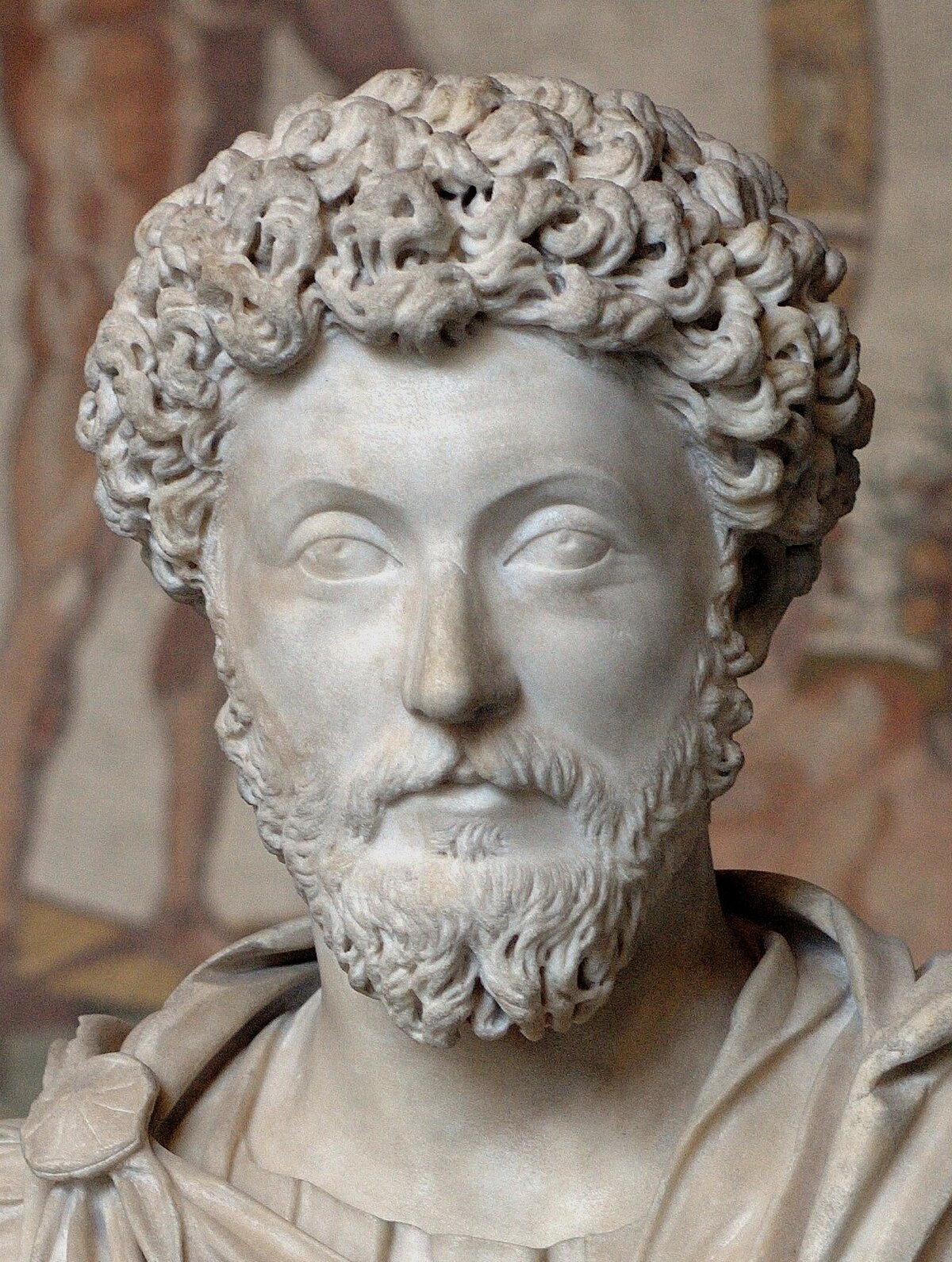 Meditations
Marcus Aurelius wrote Meditations as a private journal of Stoic reflections while running the Roman Empire and leading military campaigns.
Meditations
Marcus Aurelius wrote Meditations as a private journal of Stoic reflections while running the Roman Empire and leading military campaigns.
-
 Moravec's Paradox
Moravec's paradox shows why computers excel at complex logic like chess but struggle with basic human skills like vision and walking.
Moravec's Paradox
Moravec's paradox shows why computers excel at complex logic like chess but struggle with basic human skills like vision and walking.
-
 Narcissism
 is a self-centered personality style marked by an excessive preoccupation with oneself and one's own needs, often at the expense of others.
Narcissism
Narcissism is a self-centered personality style marked by an excessive preoccupation with oneself and one's own needs, often at the expense of others.
-
 Nostalgia
 is a bittersweet emotional longing for past events, people, or places that cannot be recovered.
Nostalgia
Nostalgia is a bittersweet emotional longing for past events, people, or places that cannot be recovered.
-
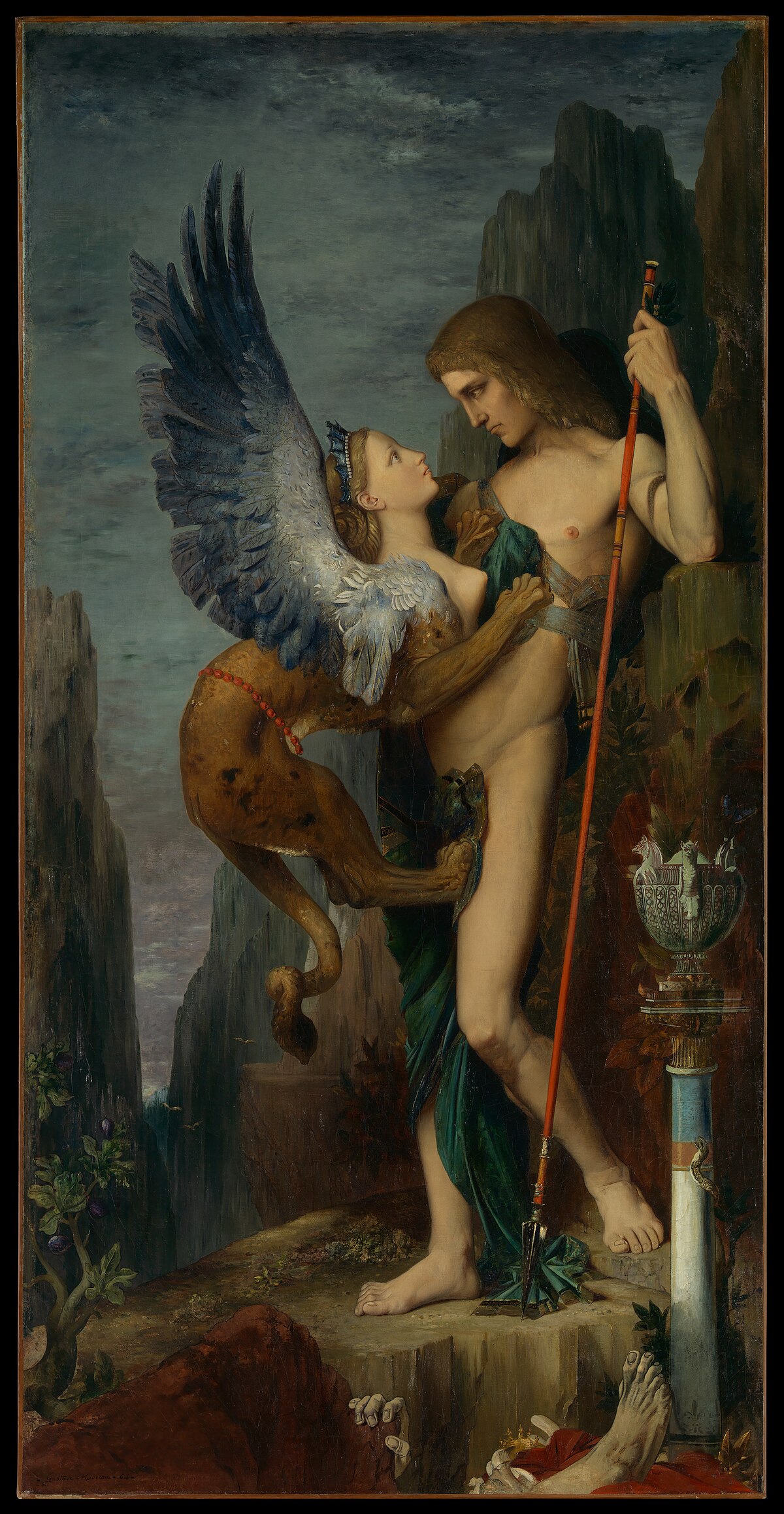 Oedipus complex
Sigmund Freud defined the Oedipus complex as childhood desire for one parent and rivalry with the other, shaping adult conscience and neurosis.
Oedipus complex
Sigmund Freud defined the Oedipus complex as childhood desire for one parent and rivalry with the other, shaping adult conscience and neurosis.
-
 Panspermia
 is the scientific hypothesis that microscopic life originated elsewhere and spreads across the universe inside rocks and comets.
Panspermia
Panspermia is the scientific hypothesis that microscopic life originated elsewhere and spreads across the universe inside rocks and comets.
-
 Paradox of hedonism
The paradox of hedonism is the observation that deliberately chasing pleasure often prevents you from experiencing it.
Paradox of hedonism
The paradox of hedonism is the observation that deliberately chasing pleasure often prevents you from experiencing it.
-
 Psychoanalysis
 is a talk therapy and theory of mind founded by Sigmund Freud to uncover unconscious drives, defense mechanisms, and resistance.
Psychoanalysis
Psychoanalysis is a talk therapy and theory of mind founded by Sigmund Freud to uncover unconscious drives, defense mechanisms, and resistance.
-
 Psychosexual development
Sigmund Freud proposed that adult personality stems from how children resolve bodily conflicts across five distinct psychosexual stages.
Psychosexual development
Sigmund Freud proposed that adult personality stems from how children resolve bodily conflicts across five distinct psychosexual stages.
-
 Rare Earth hypothesis
The Rare Earth hypothesis argues that simple life may be common, but complex, multicellular life requires an extremely rare set of circumstances.
Rare Earth hypothesis
The Rare Earth hypothesis argues that simple life may be common, but complex, multicellular life requires an extremely rare set of circumstances.
-
 Reinforcement
 is any consequence that increases the future rate of a behavior.
Reinforcement
Reinforcement is any consequence that increases the future rate of a behavior.
-
 Self-Control
Self-control is the ability to regulate your thoughts, emotions, and behavior when facing immediate temptations and impulses.
Self-Control
Self-control is the ability to regulate your thoughts, emotions, and behavior when facing immediate temptations and impulses.
-
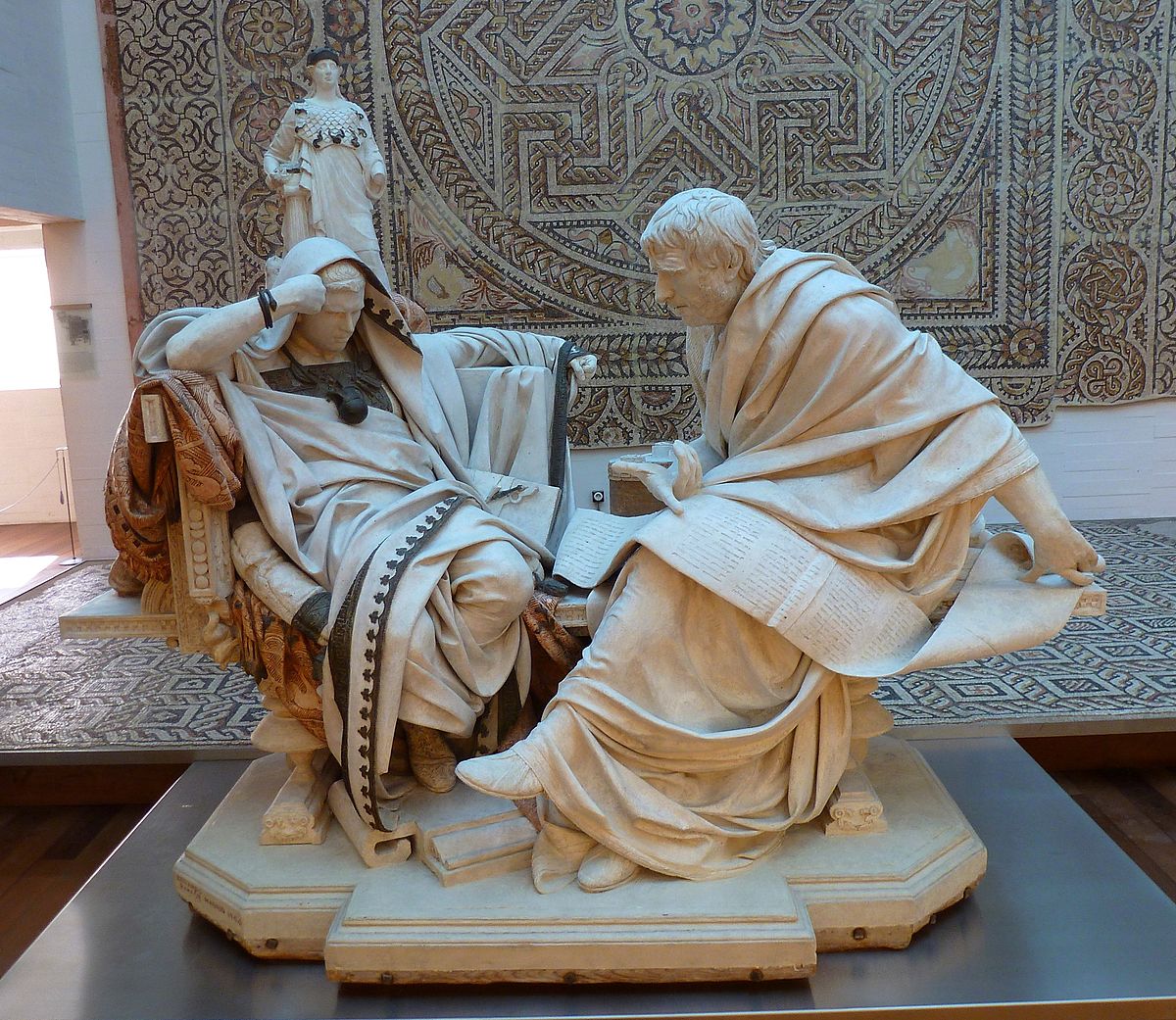 Seneca the Younger
 was a Roman Stoic philosopher, dramatist, and imperial advisor who managed Emperor Nero while writing major moral texts.
Seneca the Younger
Seneca the Younger was a Roman Stoic philosopher, dramatist, and imperial advisor who managed Emperor Nero while writing major moral texts.
-
 Sigmund Freud
 founded psychoanalysis, explaining how unconscious desires, dreams, and slips of the tongue shape human behavior.
Sigmund Freud
Sigmund Freud founded psychoanalysis, explaining how unconscious desires, dreams, and slips of the tongue shape human behavior.
-
 Subjective well-being
 measures personal evaluations of life through emotional moods, life satisfaction, and meaning rather than external wealth.
Subjective well-being
Subjective well-being measures personal evaluations of life through emotional moods, life satisfaction, and meaning rather than external wealth.
-
 Technological singularity
The technological singularity is a hypothetical event where self-improving AI triggers rapid, runaway intelligence growth beyond human control.
Technological singularity
The technological singularity is a hypothetical event where self-improving AI triggers rapid, runaway intelligence growth beyond human control.
-
 Turing Test
Alan Turing replaced the question of machine thinking with a test: can a computer converse well enough through text to pass as human?
Turing Test
Alan Turing replaced the question of machine thinking with a test: can a computer converse well enough through text to pass as human?
-
 Zeno of Citium
 was a Hellenistic philosopher from Cyprus who founded the Stoic school of philosophy around 300 BC.
Zeno of Citium
Zeno of Citium was a Hellenistic philosopher from Cyprus who founded the Stoic school of philosophy around 300 BC.