Fatalism is the philosophical view that all events are predetermined by fate, leaving human beings powerless to act in any other way than they do. It treats personal choices not as causes that alter the future, but as the exact steps that bring that fixed future about. Because outcomes are considered inevitable, the doctrine is often linked with an attitude of resignation or acceptance.
By the edgi team We find the most surprising true thing about an idea and build a 60-second lesson around it.
Fatalism isn't just about believing in destiny; it is the radical claim that only the present moment is truly possible. In the 4th century BC, the philosopher Diodorus Cronus developed the Master Argument to prove this point.
He argued that if a future event were truly possible, it would have already happened. If it hasn't happened, it was never an option.
Acting out the script
In a fatalistic universe, your choices are not the cause of your future; they are the mechanism that delivers it. Trying to change your destiny is like a character in a book trying to rewrite their final chapter.
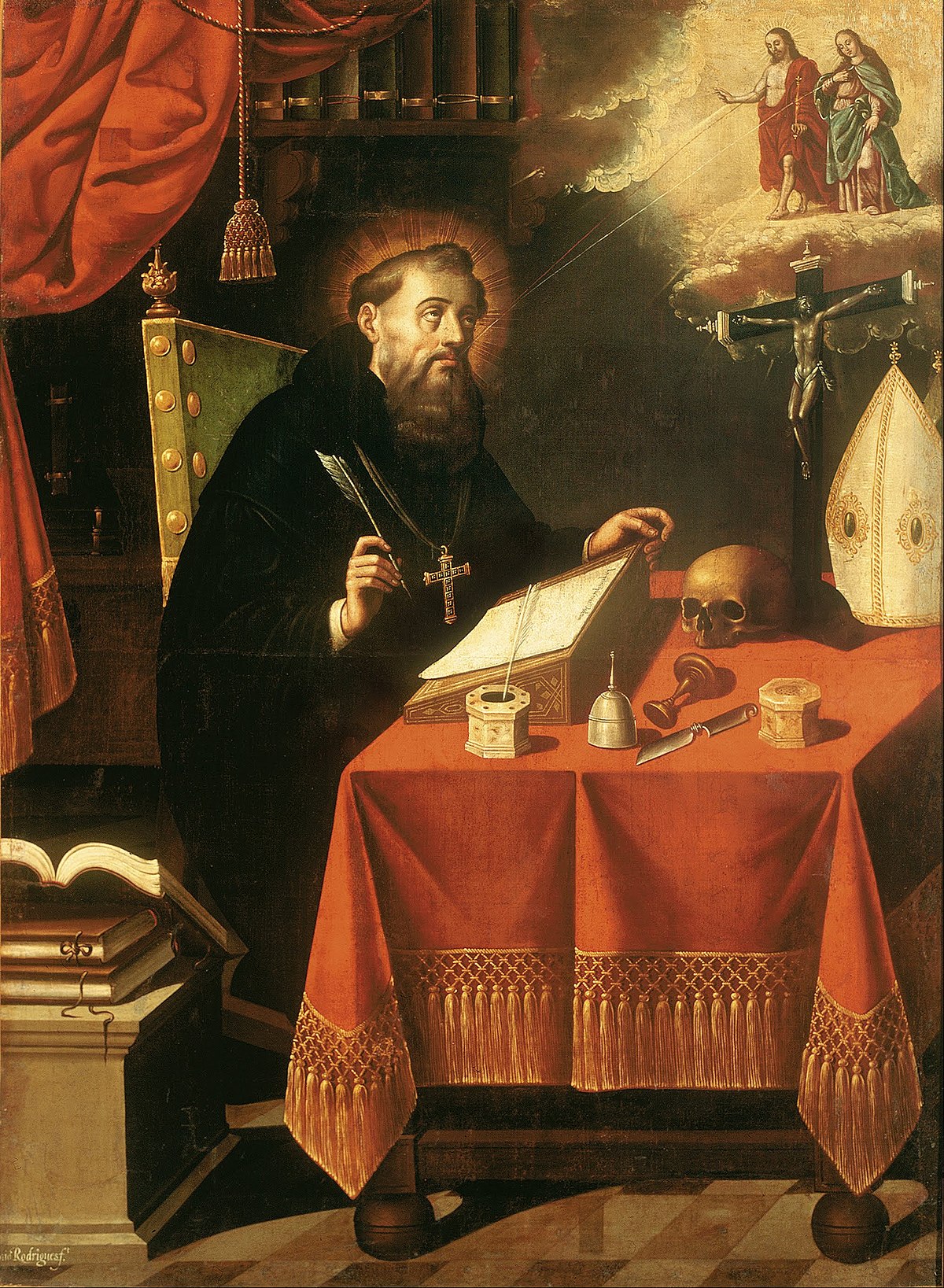
A painting by Antonio Rodríguez depicts Saint Augustine seated at a desk, writing with a quill, with a skull and a bishop's mitre nearby. Antonio Rodríguez (1636 - 1691) – Painter Details on Google Art Project, Public domain, via Wikimedia Commons
The very act of trying to avoid your fate is often viewed as the specific chain of events that ensures you meet it.
The stoic surrender
The most famous application of this mindset belongs to Stoicism. It treats the world as something to be accepted rather than conquered. If the future is fixed, fighting reality only produces internal suffering.
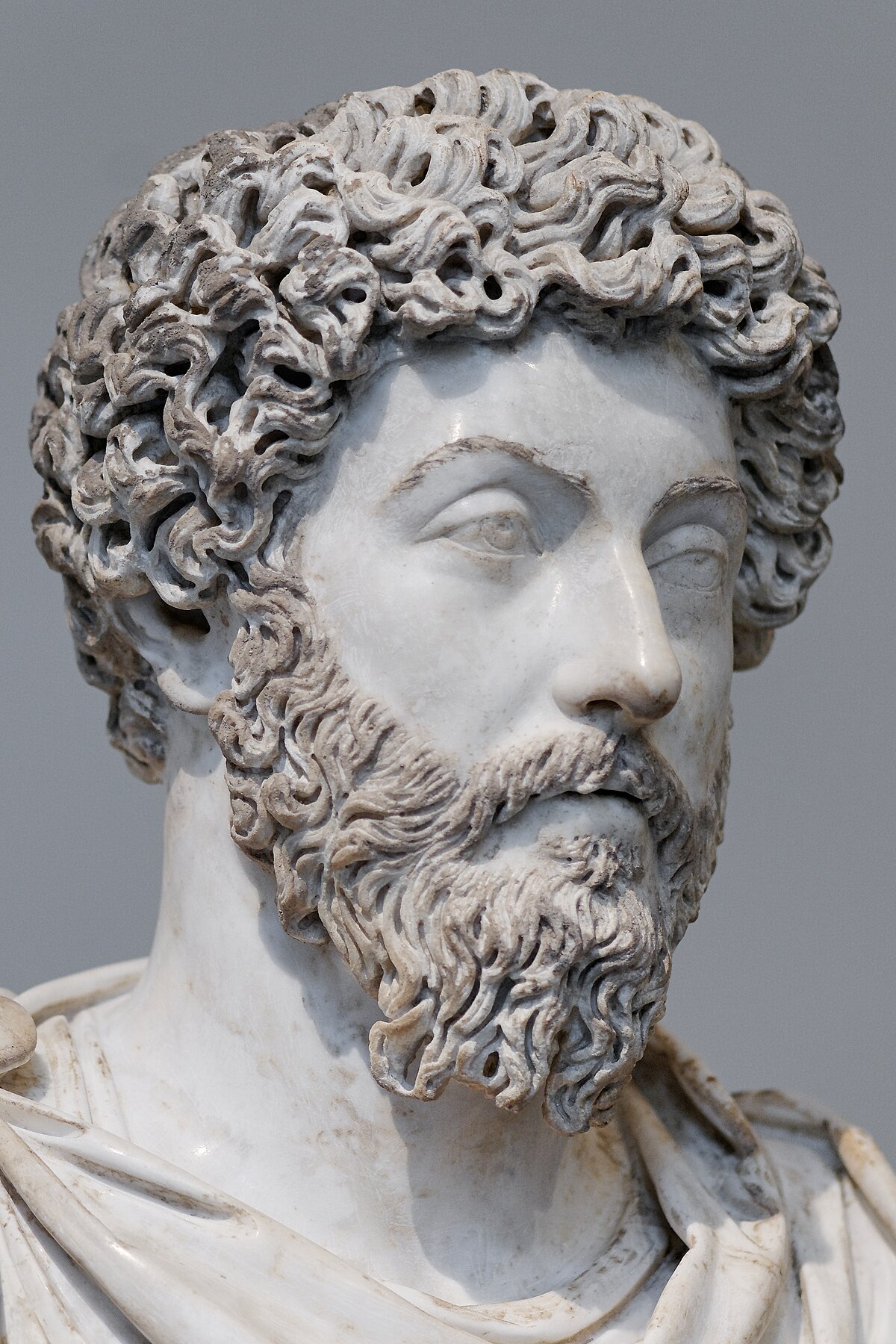
Marble bust of Marcus Aurelius, the Stoic Roman emperor, depicting him with curly hair and a beard. Marie-Lan Nguyen, Public domain, via Wikimedia Commons
By aligning your own will with the inevitable, you find peace in a world that you have no power to change.
How logical and theological fatalism work
Logical fatalism holds that propositions about the future must already be true or false right now, meaning future events are already set in stone.
T. C. Gotch's 1886 painting Destiny portrays the inescapable force of predetermined fate over human life. Thomas C. GOTCH (1854 - 1931) (Britain) Born in Kettering, Northhamptonshire. Died in London. Details on Google Art Proj, Public domain, via Wikimedia Commons
Theological fatalism argues that human free will cannot exist alongside an all-knowing God. If a divine being possesses foreknowledge of every upcoming event, the future is fixed and unalterable.
This differs from standard causal determinism, where each state of a system simply causes the next. Fatalism insists on the inevitability of the final outcome itself.
Fatalism across world religions and history
In ancient India around 500 BCE, the philosopher Makkhali Gosala founded the Ajivika school, which taught absolute determinism through the doctrine of Niyati, or fate. This tradition rejected free will and normal karma, asserting that every being's path through the cycle of rebirth is fixed and unavoidable.
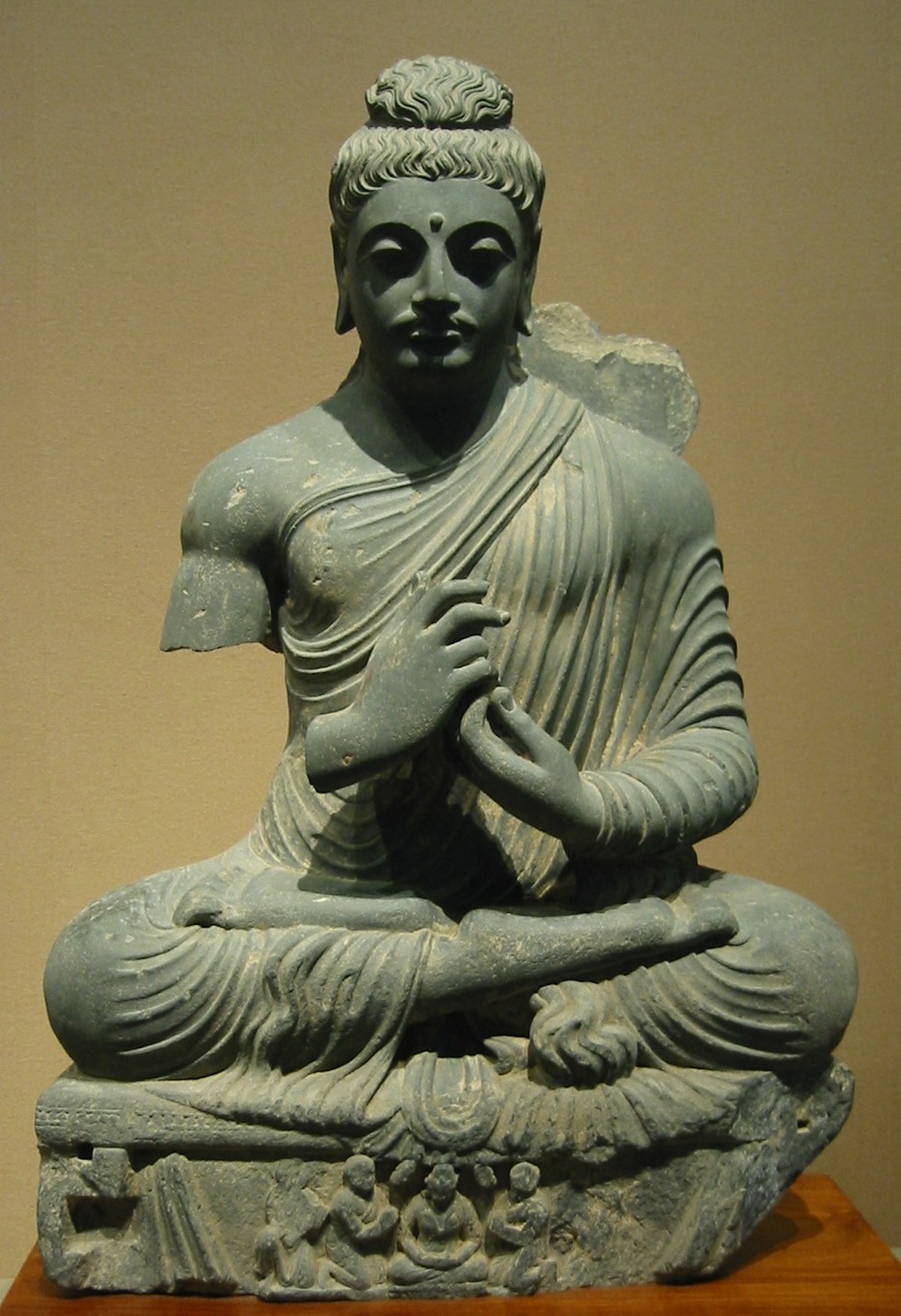
A stone sculpture of the seated Buddha, whose early traditions taught that all phenomena arise through dependent links of causation. en:User:PHG, CC BY-SA 3.0, via Wikimedia Commons
Early Buddhist texts describe dependent origination, where every phenomenon arises solely from prior causes like links in an unbroken chain. Jain philosophy treats karma as physical particles that mechanistically dictate rebirth without any divine intervention.
Before Islam, ancient Arabs practiced fatalism by interpreting astral configurations, believing the stars directly controlled human destiny on Earth. In modern psychology, fatalismo among Latinos links hardships to divine will, functioning as a documented risk factor for depression.
Test yourself
How does a fatalistic worldview treat deliberate attempts to avoid a predicted outcome?
As the exact steps delivering that outcome. In a closed script, human resistance does not break the pattern; it becomes the precise mechanism that fulfills it.
If a future event does not end up happening, what does a fatalist claim about it?
It was never actually a possibility. Fatalism is the radical view that only what actually occurs was ever a real option, reducing all alternate futures to illusions.
If a person tries to avoid a bad outcome and fails, did they have free will?
No, they followed the script. Fatalism argues that our choices are just the mechanisms that deliver the inevitable. The attempt to change fate is simply the step required to reach the fated end.
Play the lesson in edgi and the card is yours. It lands on your Map next to the ideas it connects to, and turns from matte to foil to gold as you learn more around it.
What did Friedrich Nietzsche mean by Turkish fatalism?
In his 1880 essay The Wanderer and His Shadow, Friedrich Nietzsche used the term to describe an attitude of complete resignation toward the future. He treated fate and fatalism as identical, aligning the concept closely with defeatism.
How does Sikhism reconcile karma with fatalism?
Sikhism allows God's grace to erase an individual's accumulated karmic debts through worship. This creates a system where a person freely chooses to worship a monotheistic God to alter their spiritual outcome.