EudaimoniaWhy ancient happiness is an activity, not a mood
Eudaimonia is an ancient Greek term for the highest human good, commonly understood as human flourishing or living well. Rather than being a momentary pleasant feeling, it is an active measurement of how fully a person exercises their reason and potential throughout life. Because it depends on objective facts like character and relationships, you can live well even when you do not feel an emotional high.
By the edgi team We find the most surprising true thing about an idea and build a 60-second lesson around it.
Most of us think happiness is a mood, that warm, fuzzy feeling after a win or a good meal. Aristotle disagreed. He argued that happiness is not a feeling at all, but a measurement of how well you are functioning as a human.
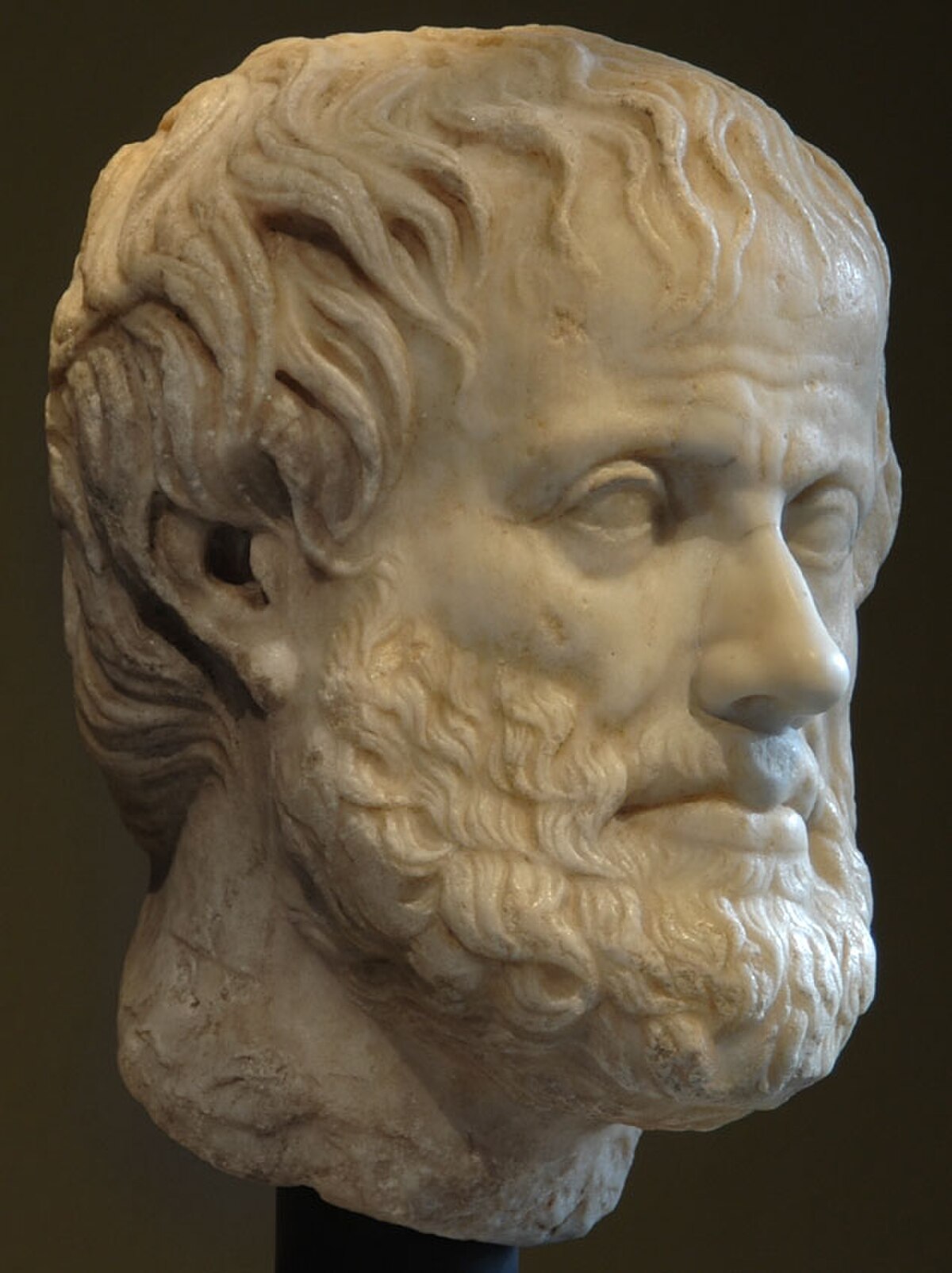
Marble bust of Aristotle, a Roman copy from the mid-1st century AD of a Greek original from approximately 320 BC. Sergey Sosnovskiy, CC BY-SA 2.0, via Wikimedia Commons
He called this state eudaimonia, which literally translates to good spirit but is better understood as human flourishing.
The mechanism
Aristotle believed everything has a telos, or a specific purpose. A knife is good if it cuts well. What is the telos of a human? Aristotle argued it is our unique capacity for reason and virtuous action.
A chef's knife with a silver blade and a black handle, positioned diagonally on a gray surface. ProjectManhattan, CC BY-SA 3.0, via Wikimedia Commons
You achieve eudaimonia not by chasing pleasure, but by exercising your highest potential, like an athlete executing a perfect game.
The practice
This isn't a destination you reach; it's a lifelong activity. To get there, you need phronesis, or practical wisdom, the ability to make the right choice in the messy, complicated moments of life.
A hilly walking path in Costa Rica with a moderate grade, featuring wooden steps and natural terrain covered with leaves and dirt. Veronidae, CC BY-SA 3.0, via Wikimedia Commons
Hedonism chases the high of the moment, but eudaimonia is the quiet satisfaction of living a life that actually works.
Why eudaimonia is not just happiness
Modern English uses happiness to describe a pleasant mental state or subjective contentment. In contrast, Aristotle defined eudaimonia as doing well and living well. Events that do not change your immediate mood can still affect your eudaimonia.
Judging whether someone has eudaimonia requires looking at objective conditions: whether they actually possess virtues, have good friends, and are truly loved. It is a full evaluation of a life rather than an internal, emotional reaction.
How arete and virtue make flourishing possible
In ancient philosophy, achieving eudaimonia requires arete, which translates as virtue or excellence. While modern virtue usually carries a strictly moral meaning, the Greek term meant functioning excellently at any characteristic task. Speed is an excellence in a horse, just as height is an excellence in a basketball player.
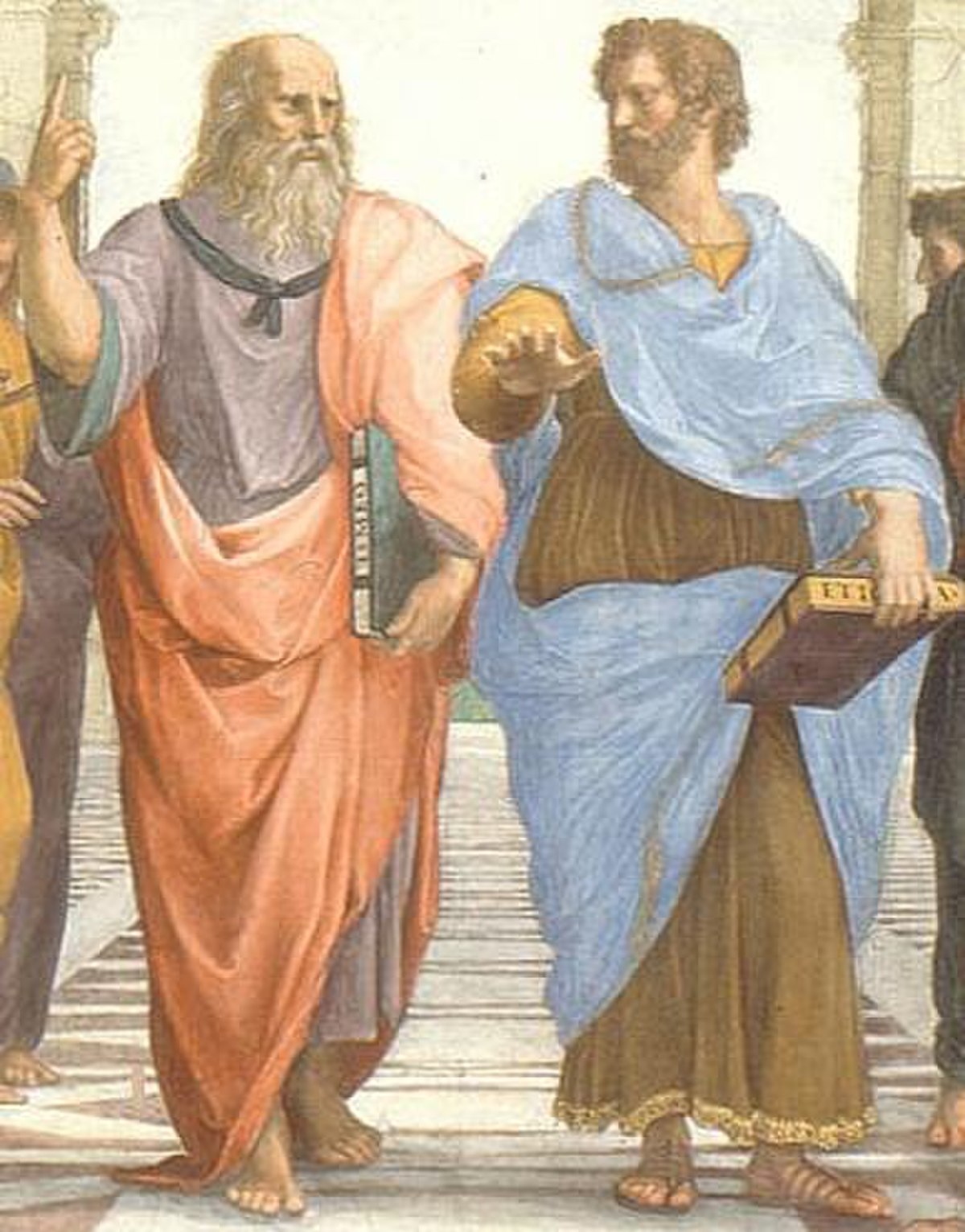
Raphael's fresco depicts Plato and Aristotle, whose philosophical traditions placed virtuous action at the core of human flourishing. Raphael, Public domain, via Wikimedia Commons
Aristotle defined human eudaimonic life as virtuous activity in accordance with reason. Later schools debated what role external factors played: Stoics argued that moral virtue alone was sufficient for eudaimonia, while Aristotle held that other goods also matter.
Test yourself
How does Aristotle concept of eudaimonia differ from simple hedonistic pleasure?
It relies on fulfilling human potential. Eudaimonia is achieved through virtuous action and reasoning rather than chasing passing emotional highs.
According to the Aristotelian view of eudaimonia, is happiness best understood as a permanent mood or an active process?
An active process. Aristotle argued that eudaimonia is not a passive emotional state, but an ongoing exercise of human potential and virtue.
According to Aristotle's concept of eudaimonia, how is human happiness best understood?
Exercising potential through virtue. Aristotle defined eudaimonia as an active state of human flourishing achieved by exercising our unique capacity for reason and virtue, rather than treating happiness as a fleeting mood.
Play the lesson in edgi and the card is yours. It lands on your Map next to the ideas it connects to, and turns from matte to foil to gold as you learn more around it.
It combines the Greek words eu, meaning good or well, and daimon, meaning spirit or deity. It literally translates to the state of having a good spirit, or being blessed.
Did Epicurus disagree with Aristotle about eudaimonia?
Epicurus argued that the eudaimonic life is fundamentally a life of pleasure. However, he still maintained that living pleasantly coincides directly with living virtuously.
What is phronesis?
Phronesis is practical or ethical wisdom. It is the practical judgment needed to make the right decisions in complicated everyday situations to sustain virtuous action.