The paradox
Hedonism sounds simple: maximize pleasure, minimize pain. But philosophers discovered a glitch called the Paradox of Hedonism.
The more directly you pursue pleasure, the faster it slips through your fingers.
Hedonism is a family of philosophical ideas built on the claim that pleasure is the primary good and pain is the primary bad. It asserts that human action and moral choices ultimately revolve around maximizing positive experiences. Modern critics and experiments reveal that pleasure often works better as a byproduct of living well rather than a direct target.

By the edgi team We find the most surprising true thing about an idea and build a 60-second lesson around it.

Hedonism sounds simple: maximize pleasure, minimize pain. But philosophers discovered a glitch called the Paradox of Hedonism.
The more directly you pursue pleasure, the faster it slips through your fingers.
In 1974, philosopher Robert Nozick proposed a thought experiment to test if we really want pleasure above all else. He imagined a machine that could simulate a perfect life of non-stop, artificial bliss.

You would be plugged in forever, feeling like you were winning awards, eating great food, and being loved.
Would you plug in? Most people say no. We realize that we don't just want the sensation of pleasure; we want to actually do things and be a certain kind of person in reality.
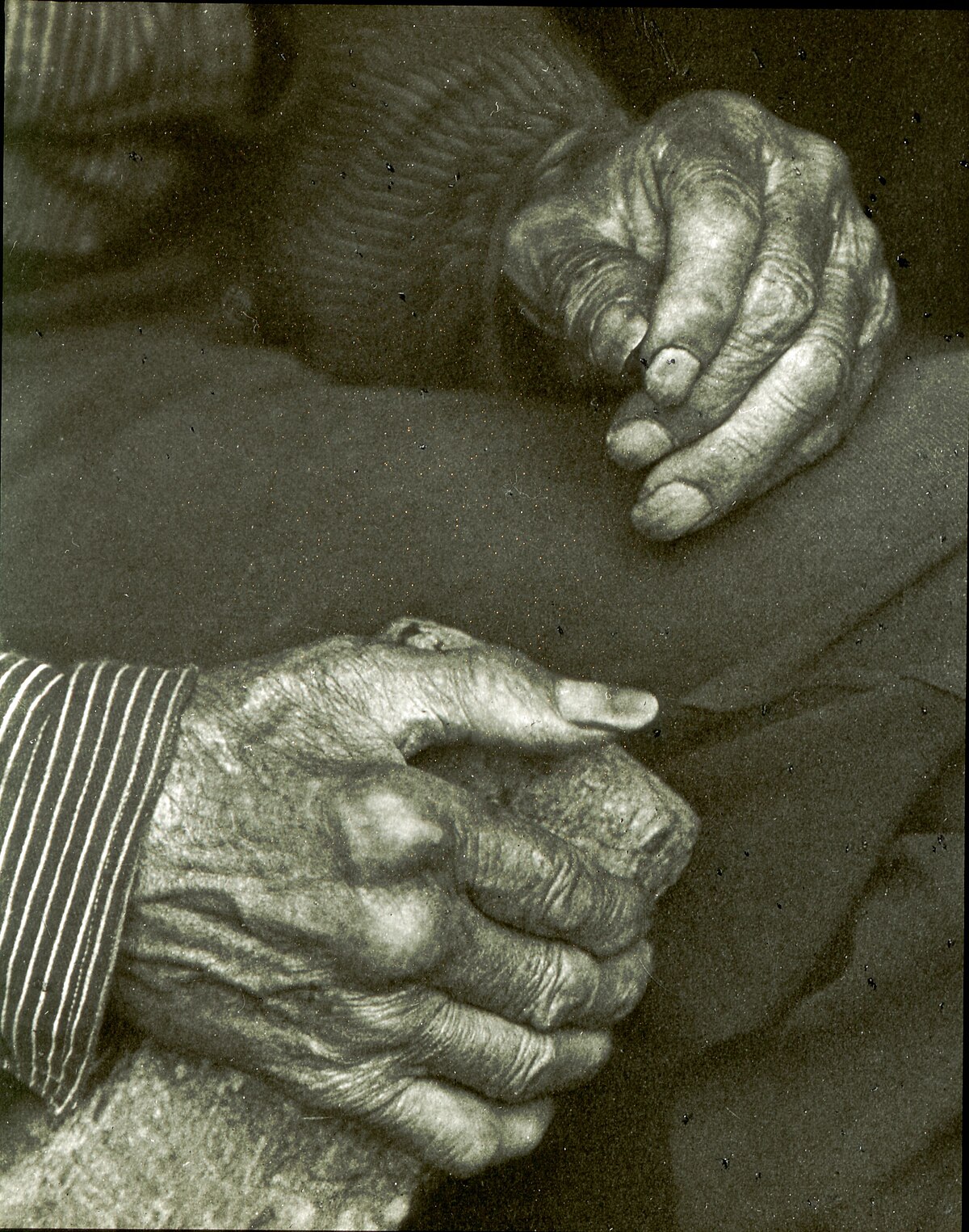
Pleasure is a signal that things are going well, not the goal itself.
Philosophers separate hedonism into distinct theories depending on whether they examine human motivation, intrinsic value, or moral duty. Psychological hedonism claims that all human action aims at gaining pleasure and avoiding pain. Axiological hedonism asserts that pleasure is the only thing with intrinsic value, meaning money or knowledge only matter because they create positive experiences. Ethical hedonism turns this into a rule for action, arguing that people have a moral obligation to maximize pleasure.
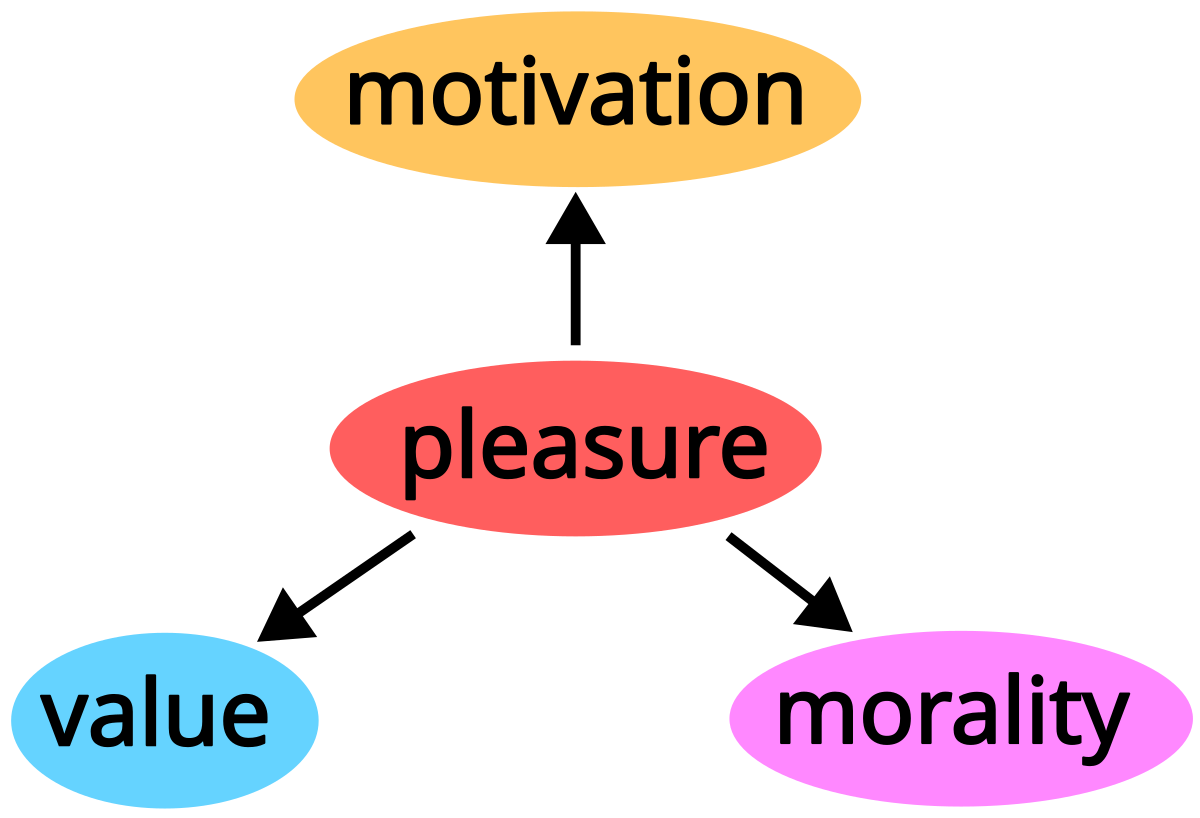
Ethical hedonism divides further based on whose pleasure counts. Egoistic versions argue that each person should only pursue their own gratification. Utilitarian versions state that moral actions must increase total happiness for everyone involved.
Psychological hedonism operates as an empirical claim about why people act. In its standard form, it views all human motivation as selfish: a person helps others only because they expect personal satisfaction or social reward. Some thinkers explain this through Darwinian hedonism, where pleasure-seeking drives evolved to support survival and reproduction.
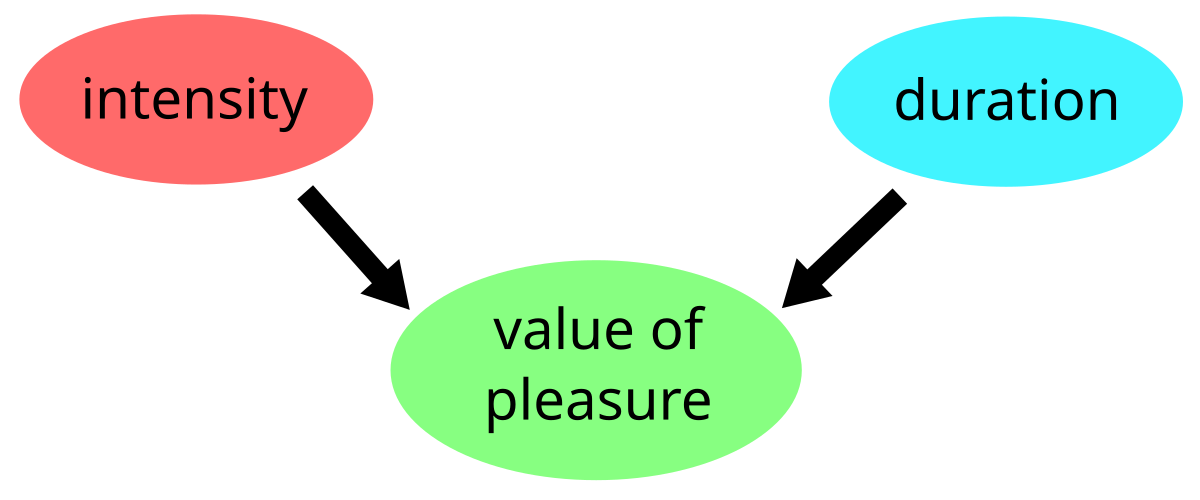
Evaluative hedonism splits into quantitative and qualitative approaches. Quantitative hedonism measures pleasure strictly by its intensity and duration. Qualitative hedonism argues that the type or quality of the pleasure also matters when calculating its total value.
Hedonism is among the oldest philosophical traditions in the world. It appeared independently in ancient Greece through the Cyrenaics and Epicureans, in ancient India within the Charvaka school, and in ancient China through Yangism.
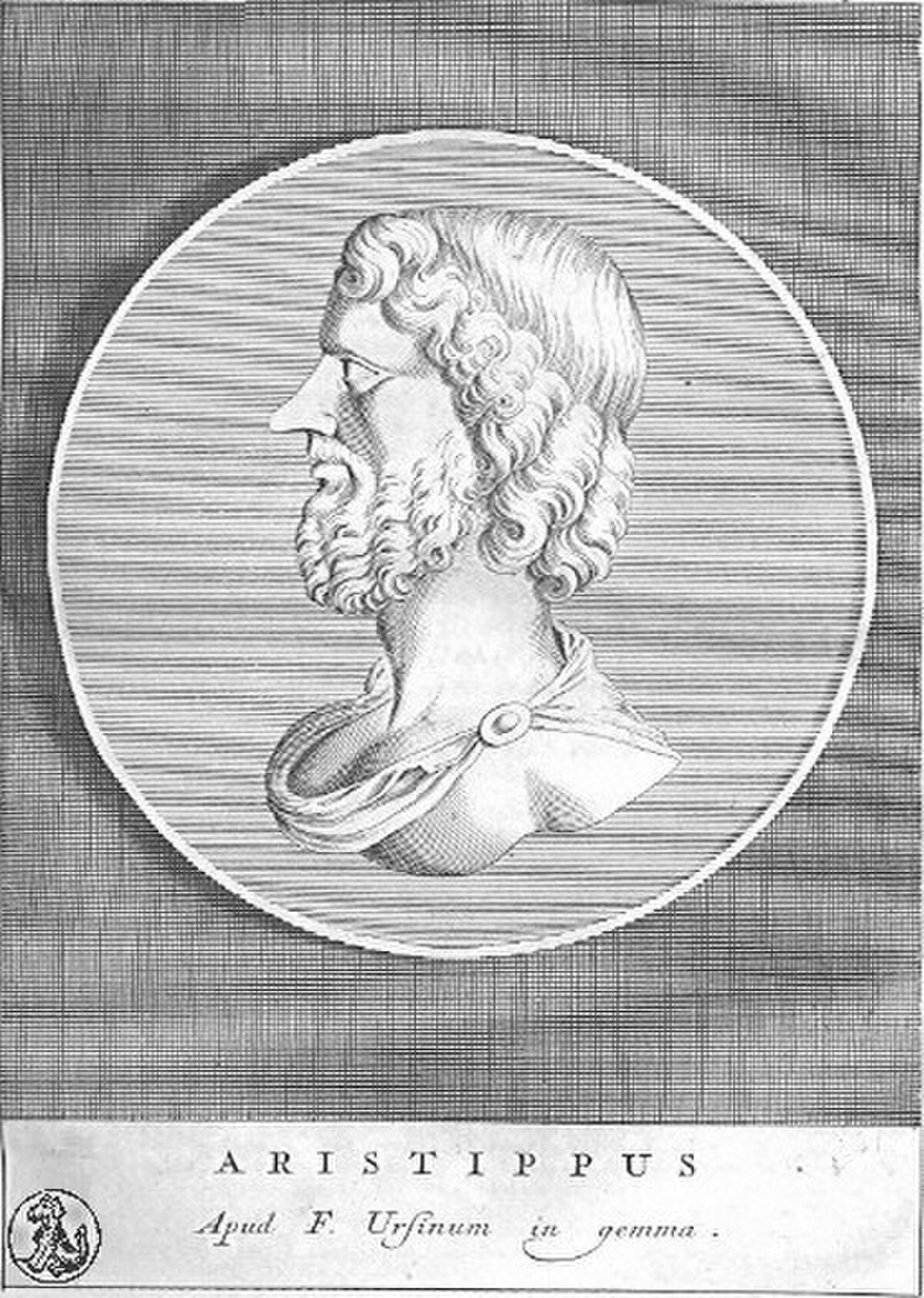
The word itself comes from the ancient Greek word hedone, meaning pleasure. While popular culture often uses hedonism as an insult for reckless self-indulgence, early thinkers developed it as a systematic approach to peace of mind and well-being.
Why does the paradox of hedonism make direct pleasure-seeking self-defeating?
Pleasure is a byproduct of engaged action.. Pleasure is typically the side effect of doing other things rather than the direct target, meaning deliberate hunting causes it to slip away.
Does hedonism treat pleasure as the ultimate intrinsic good?
Yes. Hedonism asserts that pleasure is the primary or sole intrinsic good, distinguishing it from views that prioritize duty or virtue.
Does focusing directly on being happy make you happier?
No, it makes happiness vanish. Happiness is a side effect of other pursuits, not a direct target you can aim at and hit.
Collectible card
Play the lesson in edgi and the card is yours. It lands on your Map next to the ideas it connects to, and turns from matte to foil to gold as you learn more around it.
The hedonic treadmill is a psychological barrier to lasting happiness where people quickly adapt to positive or negative life events. After major changes, an individual's life satisfaction tends to return to a baseline level.
Prudential hedonism is the philosophical position that well-being consists entirely of pleasure and pain. It claims that a person's life goes well only to the extent that positive experiences outweigh negative ones.
Critics point to apparent counterexamples of selfless altruism, such as a soldier sacrificing their life for comrades or parents caring for children without expecting personal gain. They also cite non-pleasure desires, such as wanting posthumous fame.
Part of the Set · 7 cards
Chasing happiness is the one reliable way to lose it.
Lesson complete
You finished the lesson. In edgi, the card goes on your Map next to everything else you learn.