Paradox of hedonismWhy chasing pleasure destroys it
The paradox of hedonism is the observation that deliberately chasing pleasure often prevents you from experiencing it. True happiness is an indirect byproduct of dedicating yourself to activities, causes, or other people rather than focusing on feeling good. Asking yourself if you are happy in the moment usually stops you from being happy.
By the edgi team We find the most surprising true thing about an idea and build a 60-second lesson around it.
Imagine you are at a party, constantly checking your watch to see if you are having enough fun. By focusing on the feeling of happiness, you stop participating in the activity, the conversation, the game, the music, that actually creates it.
This is the paradox of hedonism: the conscious pursuit of pleasure often makes it impossible to attain.
The byproduct effect
The philosopher Henry Sidgwick, a 19th-century utilitarian, realized that pleasure isn't a target you can hit by aiming at it. Instead, happiness is a byproduct. It is the shadow cast by doing other things well, like mastering a skill or engaging in deep, meaningful work.
Carpenter in Bamako, Mali, wearing a striped hat and blue t-shirt, hammering a piece of wood. Mark Fischer, CC BY-SA 4.0, via Wikimedia Commons
If you hunt the shadow, it runs away. If you walk toward the light of purpose, the shadow follows you naturally.
Flourishing over feeling
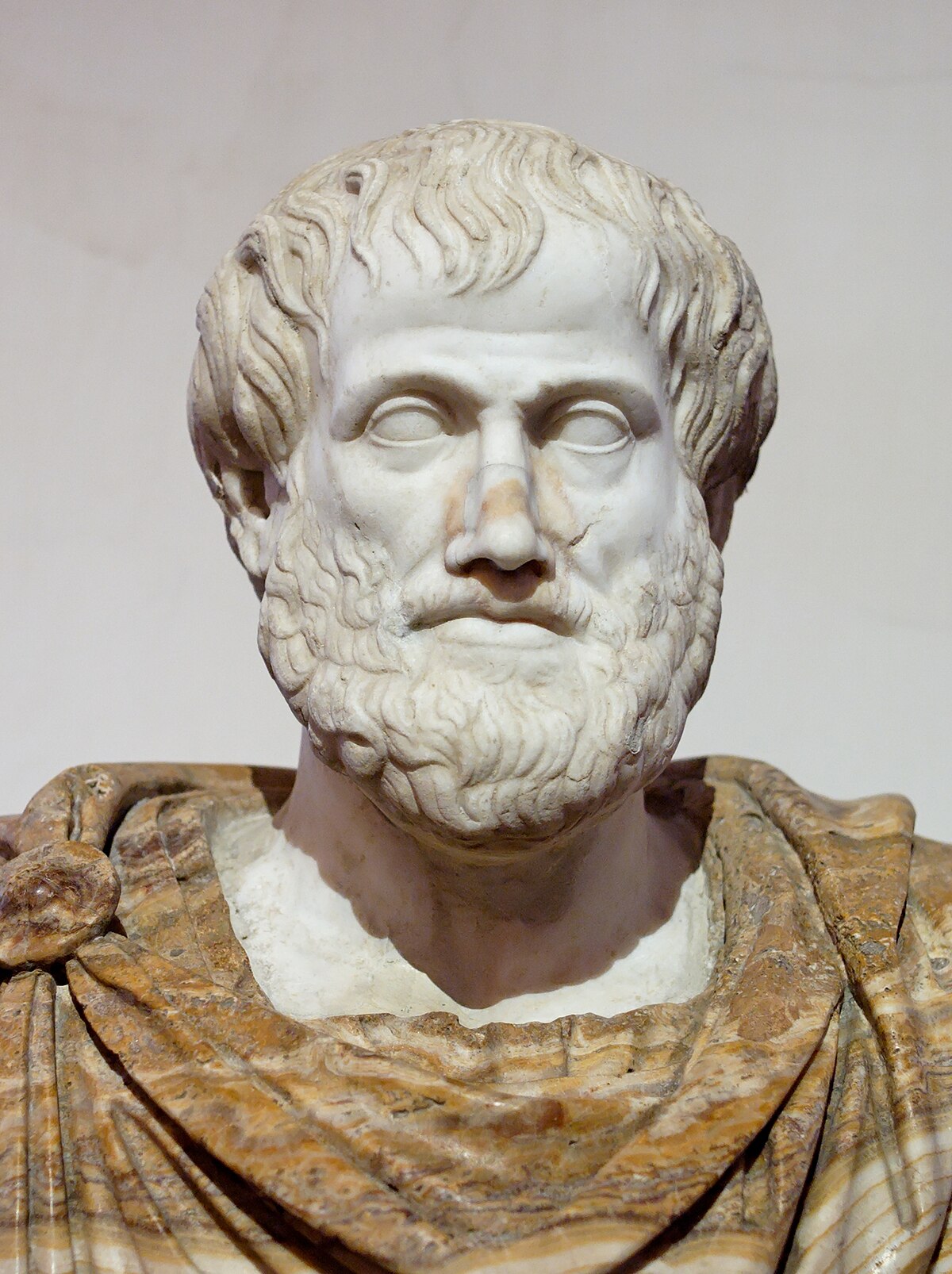
Ancient thinkers had a solution: Eudaimonia. It means flourishing or living well, rather than just feeling good. When you focus on eudaimonia, you prioritize growth and purpose over temporary highs.
Bust of Aristotle, a Roman copy after a Greek bronze original by Lysippos from 330 BC, carved from marble with a draped garment. After Lysippos, Public domain, via Wikimedia Commons
Ironically, by forgetting to ask 'Am I happy yet?', you often find that you were happy all along.
How the pursuit of pleasure limits itself
Henry Sidgwick coined the term in his book The Methods of Ethics. He observed that egoistic hedonism, the idea of acting purely to maximize personal pleasure, is practically self-limiting. To actually get pleasure, a rational person must put the goal out of sight instead of aiming straight at it.
Pleasure arrives as an unintended side effect. It emerges when a person surrenders to someone else or commits to a goal larger than themselves. When pleasure itself becomes the direct target, the deliberate effort spoils the experience, much like overthinking performance in sexual intimacy undermines the physical ability to enjoy it.
Different forms of hedonism
The paradox hits some hedonistic philosophies harder than others. The Cyrenaics prioritized immediate sensual pleasures, making them vulnerable to constant frustration when those feelings faded. Finite beings eventually run out of the resources required to sustain continuous bodily pleasure, leading directly to misery.
Epicurus offered a different model that avoids parts of this trap. He focused on the absence of pain, mental contentment over bodily highs, limiting desires, and weighing long-term outcomes across a full lifetime. Aristotle also noted the futility of chasing direct pleasure, aligning with views that favor living well over pursuing temporary sensations.
Biological limits on happiness
Evolutionary theory explains that natural selection designs humans to maximize reproduction rather than happiness. Because biology enforces a genetic baseline level of well-being, improving external circumstances fails to permanently lift happiness.
Philosopher David Pearce argues in The Hedonistic Imperative that biology creates a hard ceiling on happiness. He suggests that overcoming this barrier would require genetic engineering, neuroscience, and nanotechnology to redesign human biology, eliminate suffering, and permit higher baseline states of pleasure.
Test yourself
Does focusing directly on being happy make you happier?
No, it pushes happiness away. Consciously tracking your current joy pulls you out of the experience, destroying the very thing you are trying to measure.
Why do people who constantly audit their emotional state often feel more anxious?
Monitoring creates detachment. Turning your attention inward to inspect your mood breaks the flow of active engagement that generates genuine well-being.
An artist spends all day trying to make a viral painting. Why does the work usually suffer?
The target became metrics, not craft. Aiming directly at applause rather than the work itself alters your focus, much like chasing a shadow instead of the light.
Play the lesson in edgi and the card is yours. It lands on your Map next to the ideas it connects to, and turns from matte to foil to gold as you learn more around it.
The pleasure paradox is simply another name for the paradox of hedonism. It describes the practical difficulty where consciously seeking pleasure prevents a person from actually feeling it in the long run.
What did Epicurus say about avoiding the paradox of hedonism?
Epicurus avoided the trap of chasing constant highs by focusing on mental tranquility and the absence of pain. He advocated for moderating desires and valuing long-term peace over short-term sensory indulgence.
Why does evolutionary theory suggest humans cannot stay happy?
Natural selection prioritizes genetic survival and reproduction rather than emotional satisfaction. As a result, humans have a biologically determined baseline of well-being that returns to normal even after positive external changes.