Hindsight bias is the tendency for people to see past events as having been predictable all along, even when they had no idea what was going to happen. Once an outcome occurs, our brains quietly rewrite our earlier memories to fit what actually took place. This distortion creates false confidence, making us believe we can forecast future events simply because the past feels so obvious.
By the edgi team We find the most surprising true thing about an idea and build a 60-second lesson around it.
In 1975, psychologist Baruch Fischhoff tested how easily we rewrite history. He gave people descriptions of historical events they knew nothing about, like an obscure 1814 war in Nepal.
He told half the participants how the conflict ended and left the others in the dark. Those who knew the outcome consistently claimed it was the obvious, most likely result, even though they had zero prior knowledge.
The dangerous illusion
This is called hindsight bias. It creates a false sense of security about our predictive powers. By viewing chaotic events as inevitable, we ignore the true randomness of the world.
It fuels overconfidence bias, leading us to believe we can forecast the future simply because we feel so smart about the past. You aren't a prophet; you're just looking at the board after the pieces have already stopped moving.
How researchers proved the bias
In 1973, psychologist Baruch Fischhoff attended a seminar where Paul E. Meehl pointed out that clinical doctors often claim they knew the outcome of a case all along. Fischhoff built on research by Amos Tversky and Daniel Kahneman, who had identified mental shortcuts like the availability heuristic and the representativeness heuristic.
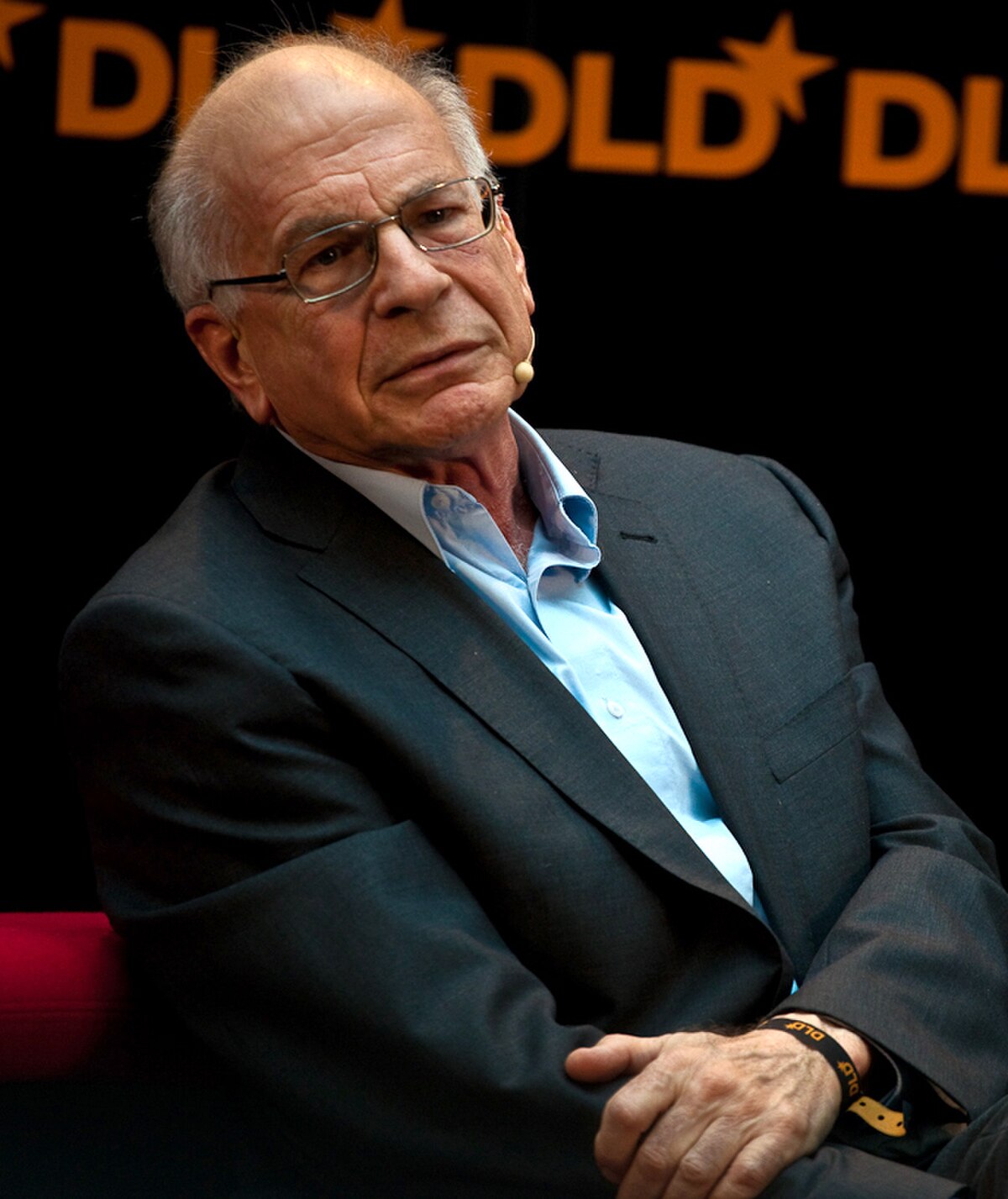
Daniel Kahneman, whose early research on mental heuristics formed the foundation for experiments on hindsight bias. nrkbeta, CC BY-SA 2.0, via Wikimedia Commons
Fischhoff and Ruth Beyth ran the first direct test by asking people to estimate the likelihood of various outcomes before President Richard Nixon traveled to Beijing and Moscow. After Nixon returned, the researchers asked the same participants to recall their original predictions. Participants systematically misremembered their past guesses, overestimating the probabilities they had assigned to the events that actually happened. Fischhoff called this creeping determinism.
A standard test design emerged from this work: give participants a scenario with several possible outcomes, tell them which one supposedly happened, and ask them to rate the likelihood of each. People consistently rate whichever outcome they are told is true as the most probable.
Why negative outcomes make the bias worse
Hindsight bias is stronger when an event ends badly rather than well. Because humans naturally pay closer attention to negative events, severe damage makes people assume the warning signs were obvious.
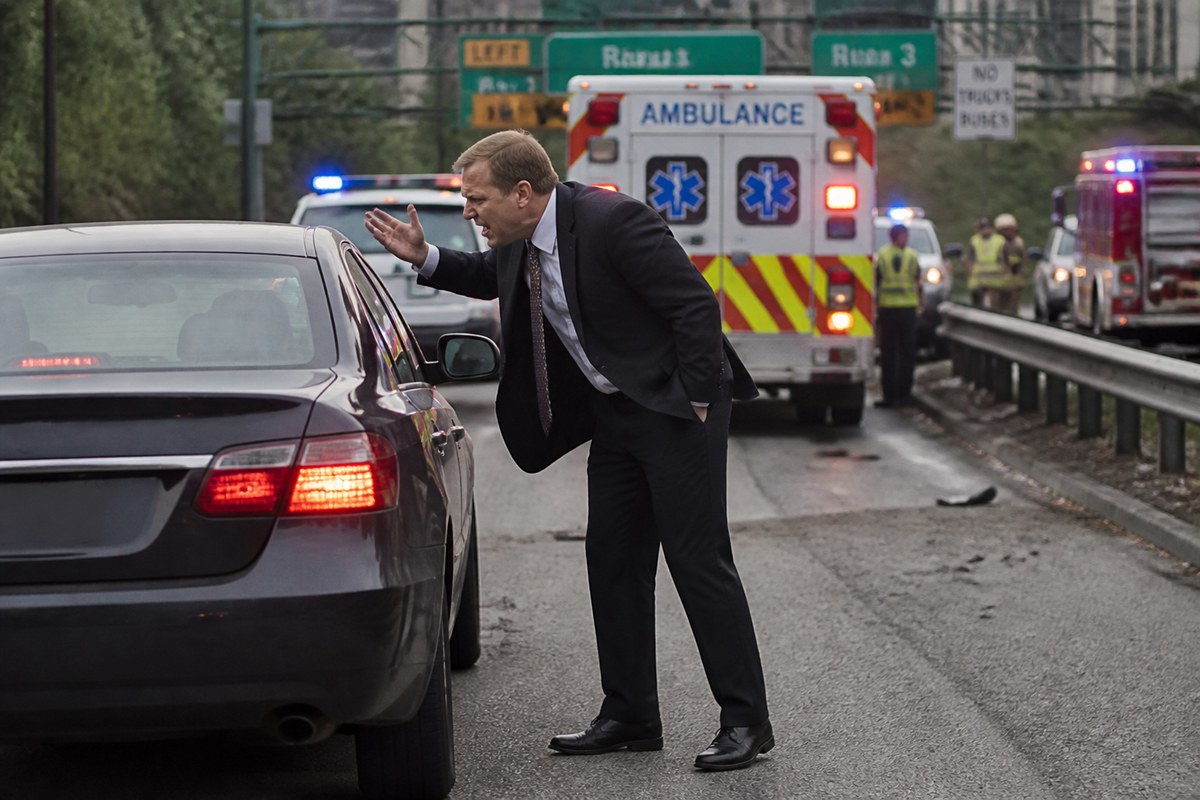
This effect shows up clearly in legal trials. In a 1996 study by LaBine, participants read about a therapist whose patient threatened another person. When the scenario ended in serious injuries, participants rated the therapist as negligent and insisted the attack was foreseeable. When the same scenario ended with no injuries or minor injuries, participants viewed the therapist's actions as entirely reasonable.
Jurors in medical malpractice lawsuits show the same pattern. Rather than evaluating a doctor strictly on the standard of care provided during treatment, jurors judge the foreseeability of the outcome based on how badly the patient suffered, reaching peak hindsight bias when a case ends in death.
Test yourself
How does hindsight bias primarily distort personal judgment?
It fuels false forecasting confidence. Believing past events were obvious creates a false sense of security about our ability to predict future random outcomes.
Does hindsight bias make past events seem predictable?
Yes, by rewriting memory. Hindsight bias tricks the mind into retroactively erasing initial uncertainty, making outcomes feel inevitable once known.
You hear how a chaotic lawsuit ended. Why does the verdict suddenly feel obvious?
Your brain retroactively erases doubt. Once an outcome is known, the brain rewrites your memory of uncertainty, making the result feel inevitable when it never was.
Play the lesson in edgi and the card is yours. It lands on your Map next to the ideas it connects to, and turns from matte to foil to gold as you learn more around it.
Hindsight bias is also known as the knew-it-all-along phenomenon or creeping determinism. The term creeping determinism was used by Baruch Fischhoff in his 1975 research paper exploring how people evaluate historical outcomes.
How does surprise change hindsight bias?
Surprise triggers a deliberate mental process where a person tries to make sense of what happened. If this sense-making process fails, hindsight bias decreases or can even reverse, leading people to claim the outcome was completely impossible.
Where else is hindsight bias studied?
Modern researchers study hindsight bias across several fields, including how age affects the bias, how it creates interference and memory confusion, and how it alters decision-making in banking and investment strategies.