Self-serving bias is the habit of crediting your own skill and effort for positive outcomes while blaming external circumstances for negative ones. It functions as a psychological defense mechanism that shields self-esteem from threats and failure. This habit leads people to distort reality, reject valid negative feedback, and claim more than their fair share of credit in group settings.
By the edgi team We find the most surprising true thing about an idea and build a 60-second lesson around it.
We are all the heroes of our own stories. When we succeed, we credit our innate skill and hard work. But when we fail, we instantly pivot to external factors: the test was unfair, the referee was blind, or the traffic was terrible.
A street-level view of a severe traffic jam in Times Square, Midtown Manhattan, filled with numerous yellow taxi cabs and other vehicles. joiseyshowaa from Freehold, NJ, USA, CC BY-SA 2.0, via Wikimedia Commons
Psychologists call this the self-serving bias. It acts like a personal defense attorney, always arguing for our innocence.
The protective bubble
This bias isn't just about making excuses; it’s about maintaining a stable sense of Self-Worth. It creates a persistent feeling of Illusory Superiority, which is why most drivers honestly believe they are 'above average' behind the wheel.
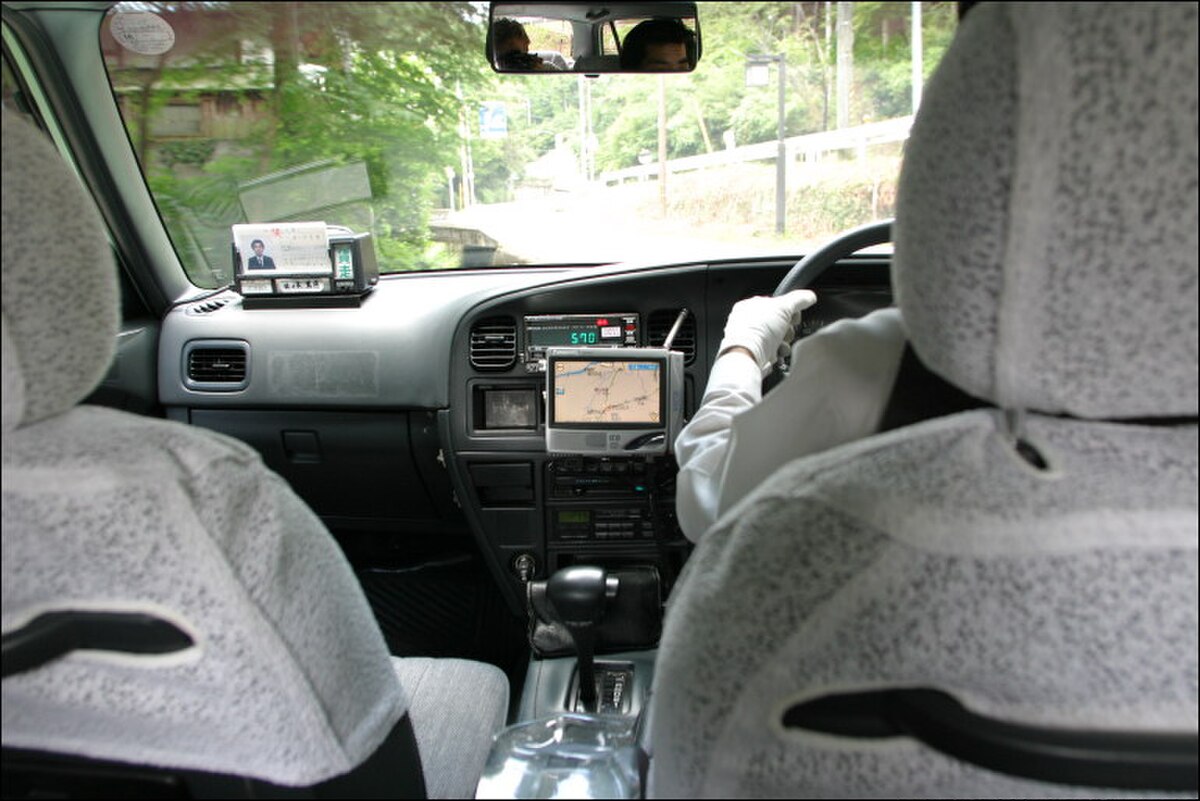
The interior of a taxi in Kyoto, Japan, shows a GPS navigation system mounted on the dashboard, with the driver's hands on the steering wheel. Paul Vlaar, CC BY-SA 3.0, via Wikimedia Commons
We aren't just lying to other people; we are successfully lying to ourselves.
The research
In the 1970s, researchers like Dale Miller and Michael Ross identified this pattern. They found that while we are quick to spot the Fundamental attribution error in others, we grant ourselves a 'situational pass' every time.
A university computer lab containing many desktop PCs arranged in rows. User Mike1024 on en.wikipedia, Public domain, via Wikimedia Commons
It’s a fundamental Cognitive Bias that keeps us moving forward, even when the evidence suggests we should stop and pivot.
How the bias works
People lean on two distinct motivations when explaining their actions: self-enhancement and self-presentation. Self-enhancement protects internal self-worth by ensuring that mistakes do not damage how a person sees themselves. Self-presentation manages outward impressions, nudging people to claim personal responsibility for wins so others view them favorably.
Expectations and control also shape these explanations. When an outcome matches what someone expected, they tend to credit their own internal traits. When an unexpected failure happens, they point to outside circumstances instead. A person's locus of control, meaning whether they believe outcomes stem from their own actions or outside luck, directly changes how heavily they lean on these excuses after failing.
Everyday settings and laboratory testing
The bias appears across ordinary life, including sports, workplaces, classroom tests, and personal relationships. A student who earns high marks credits their own intelligence, but blames an unfair test or bad teaching when grades drop. In group projects and corporate teams, individuals routinely claim disproportionate credit for collective milestones while distancing themselves from missed targets.
Researchers study these behaviors in laboratories by giving participants tasks measuring intelligence or social skills, followed by randomized fake feedback. Modern studies also use EEG and fMRI scans to observe brain activity during these attribution shifts, comparing patterns across healthy groups and clinical populations like people with depression.
Test yourself
How does the self-serving bias attribute personal success versus failure?
Success to skill, failure to context. The self-serving bias protects self-esteem by taking personal credit for positive outcomes while blaming external circumstances for negative ones.
In everyday life, what psychological function does the self-serving bias primarily serve?
Maintaining a stable sense of self-worth. Rather than seeking objective truth, the bias acts as an internal defense mechanism that preserves our confidence and protects us from harsh self-criticism.
How does the self-serving bias attribute personal success versus failure?
Success to skill, failure to context. The self-serving bias protects self-esteem by crediting internal traits for wins while blaming external circumstances for losses.
Play the lesson in edgi and the card is yours. It lands on your Map next to the ideas it connects to, and turns from matte to foil to gold as you learn more around it.
Early groundwork began with Fritz Heider's work on attribution bias during ambiguous situations. In 1975, Dale Miller and Michael Ross formally studied how people attribute successes and failures, arguing that these patterns often reflect rational expectations rather than purely emotional needs.
How does locus of control change this bias?
People with an external locus of control believe outside forces govern their lives, making them much more likely to exhibit the bias after a failure. People with an internal locus of control believe their own actions matter, though specific groups like airplane pilots still show the bias regarding their safety and skill.