InflammationWhy your body starts healing by burning
Inflammation is your body's emergency biological defense against injuries, infections, and damaged tissue. When triggered, your immune system rushes extra blood, fluid, and white blood cells to the affected area to destroy pathogens and clear debris. While it can cause uncomfortable swelling and pain, it is an essential healing mechanism rather than a disease itself.
By the edgi team We find the most surprising true thing about an idea and build a 60-second lesson around it.
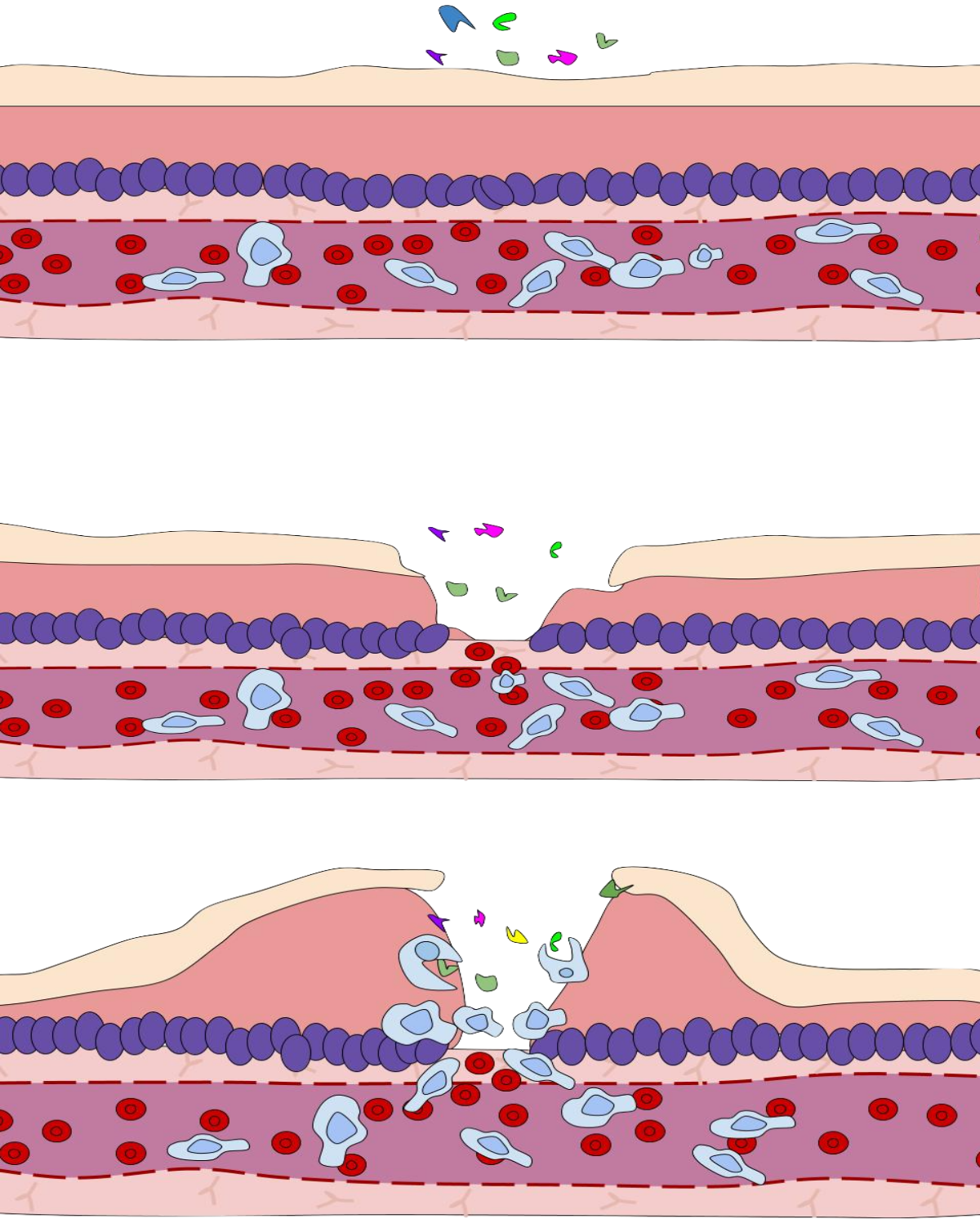
When you are injured, your immune system launches a strategic attack. It releases chemical signals called cytokines that dilate blood vessels.
Diagram illustrating the immune response to a wound, showing bacteria and viruses entering a break in the skin, followed by white blood cells (phagocytes) migrating to the site of infection. Nason vassiliev, CC BY-SA 4.0, via Wikimedia Commons
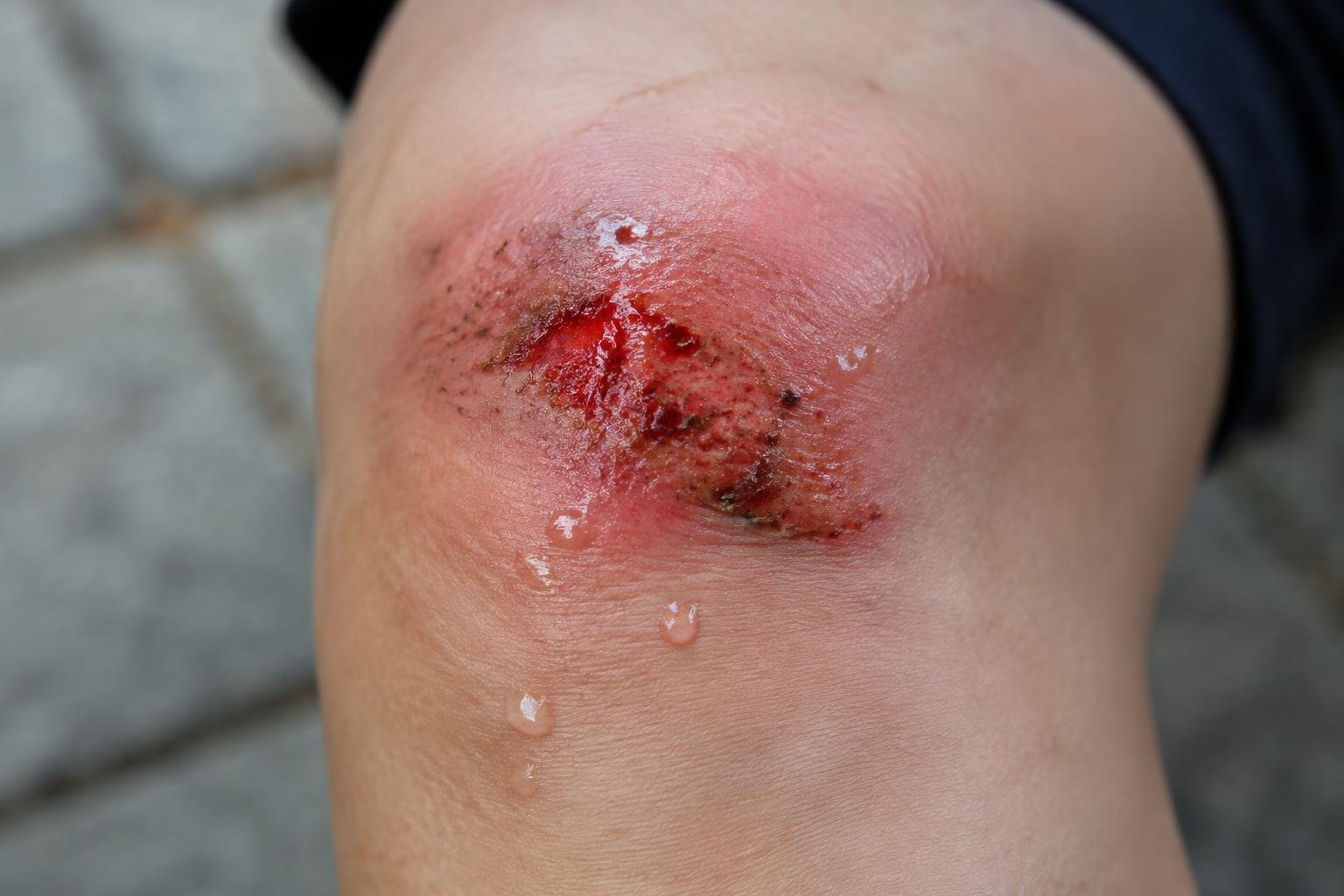
This floods the area with fluid and heat, creating the redness and swelling you see.
The surgeon's realization
For centuries, doctors treated inflammation as the disease itself. In 1793, Scottish surgeon John Hunter changed everything.
Portrait of John Hunter by John Jackson, showing Hunter seated in a red coat, with his hand to his chin, next to a table with an open book, a jar containing anatomical specimens, and skeletal feet. anonymous, Public domain, via Wikimedia Commons
He proved that inflammation was a salutary, or healing, process essential for stopping infection before it spreads.
The fire that won't die
The problem isn't the fire, but the lack of an exit strategy. When inflammation stays switched on, it becomes a silent destroyer.
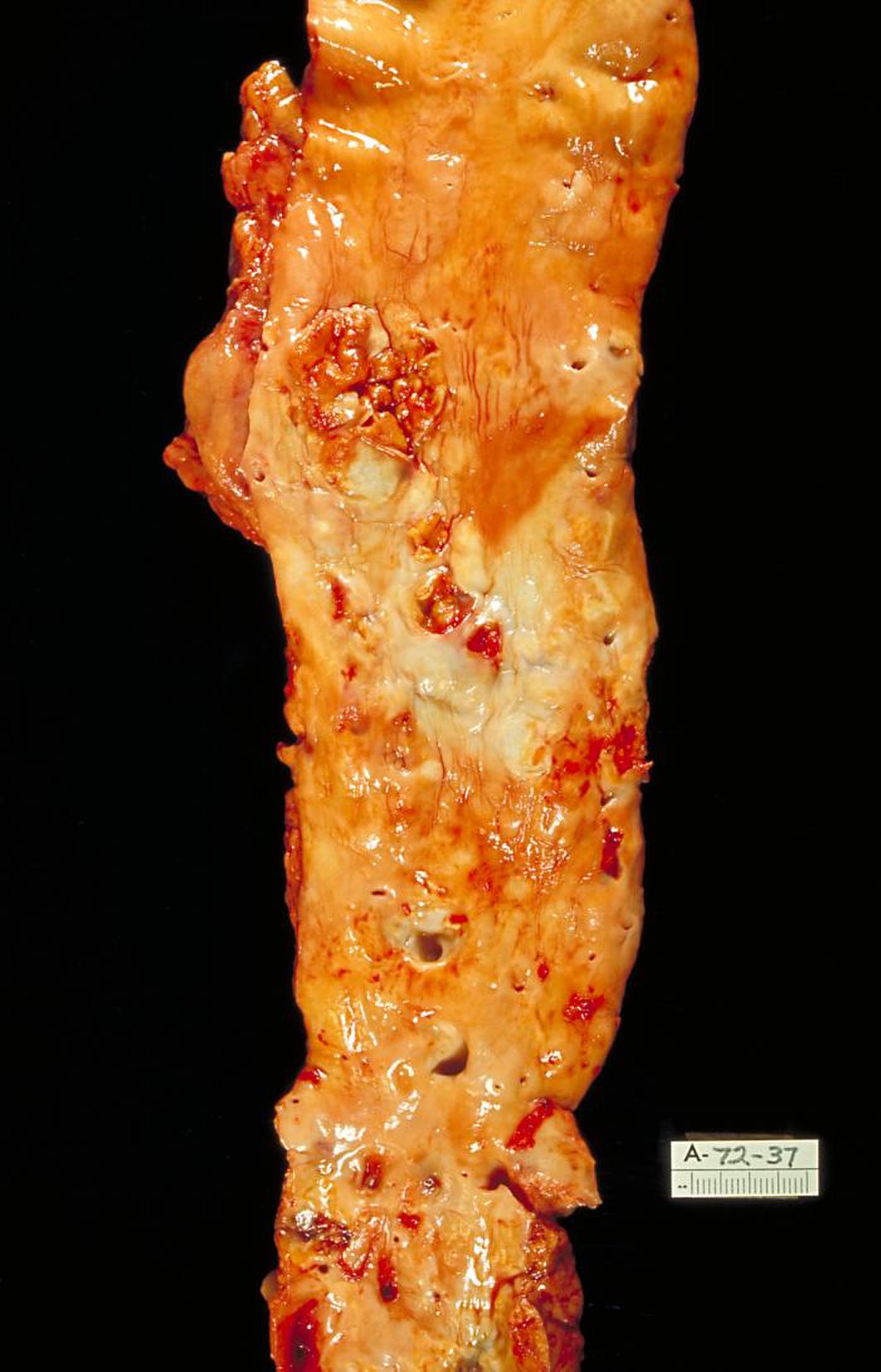
Chronic, low-grade inflammation is linked to heart disease, as your body essentially scars its own healthy tissue.
Gross pathology specimen of a human aorta showing severe atherosclerosis. Public domain, via Wikimedia Commons
The five signs of acute inflammation
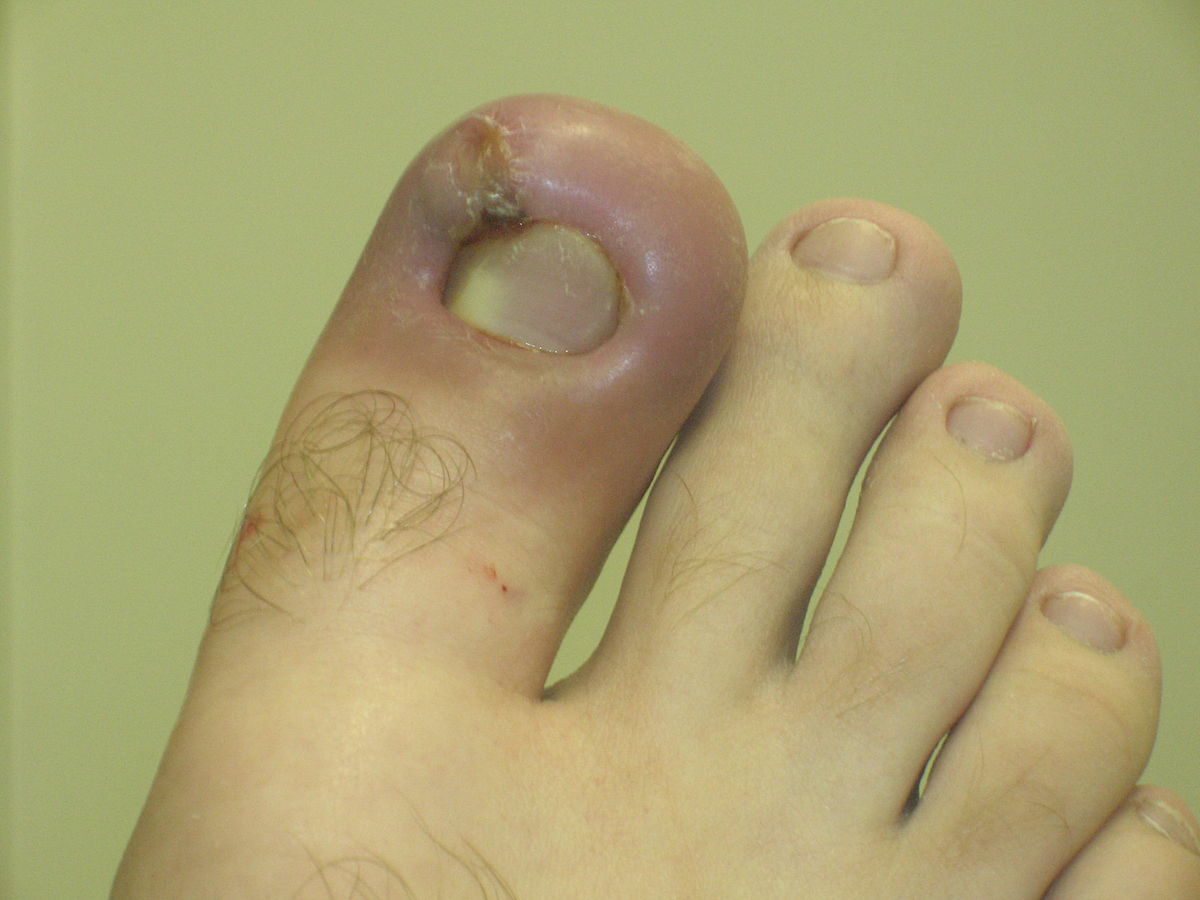
Centuries ago, ancient physicians identified four classic signs of inflammation: redness, heat, swelling, and pain. A fifth sign, loss of function, was added later to capture practical impairments like an inability to move a swollen joint or a lost sense of smell during a common cold.
An infected ingrown toenail displays the distinct redness and swelling created by increased blood flow and fluid accumulation during an acute inflammatory response. No machine-readable author provided. Menetekel assumed (based on copyright claims)., Public domain, via Wikimedia Commons
These signs are direct physical results of blood vessel changes. Resident immune cells detect cellular damage or foreign microbes, promptly releasing signaling molecules like histamine and bradykinin. These chemicals widen blood vessels, flooding the tissue with warm core-temperature blood to produce redness and heat. Blood vessels also become leaky, allowing fluid and plasma to seep into surrounding tissues, which creates swelling while chemical mediators stimulate nearby nerve endings to produce pain.
How white blood cells reach the injury
Acute inflammation relies on resident sentry cells already stationed in healthy tissue, including macrophages, dendritic cells, and mast cells. These cells use surface pattern recognition receptors to identify molecular signatures from invading pathogens or stressed, dying cells.
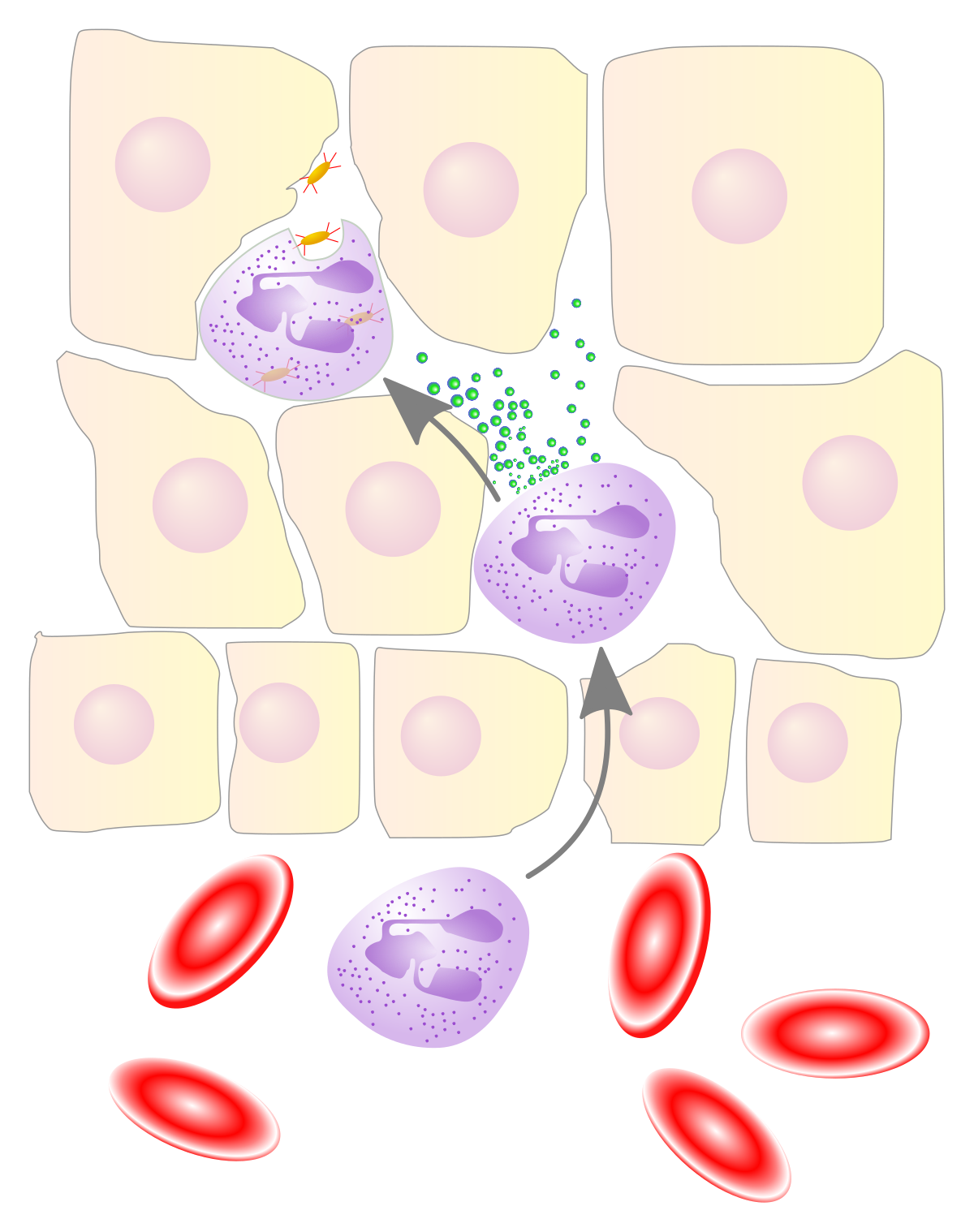
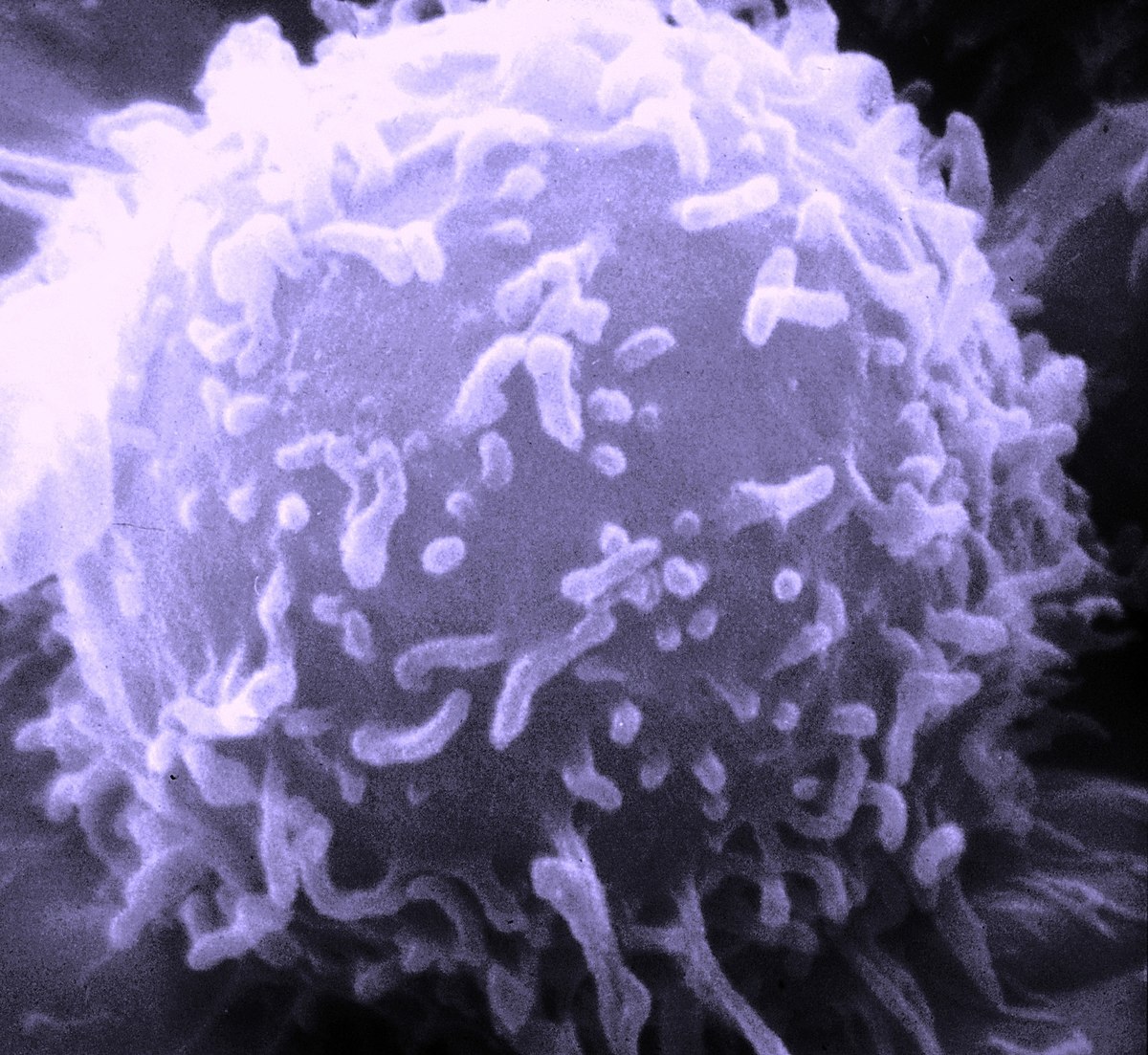
Neutrophils escape from blood vessels and travel toward chemical signals to engulf pathogens and clear damaged tissue at the site of infection. Original: Dr. med. Mario Schubert, Heidelberg, Germany Vector: Mrmw, CC0, via Wikimedia Commons
Once alerted, these sentries release chemical beacons called chemokines. Circulating white blood cells, primarily neutrophils, detect these signals, exit the widened blood vessels, and crawl directly toward the injury along a chemical trail. Once on the scene, these white blood cells eliminate bacteria and remove damaged debris so tissue reconstruction can begin.
When inflammation becomes chronic
A healthy acute inflammatory response requires constant stimulation and quickly fades once the threat is neutralized. However, when the initial trigger persists or the immune response fails to shut off, inflammation shifts into a chronic state lasting weeks, months, or years.
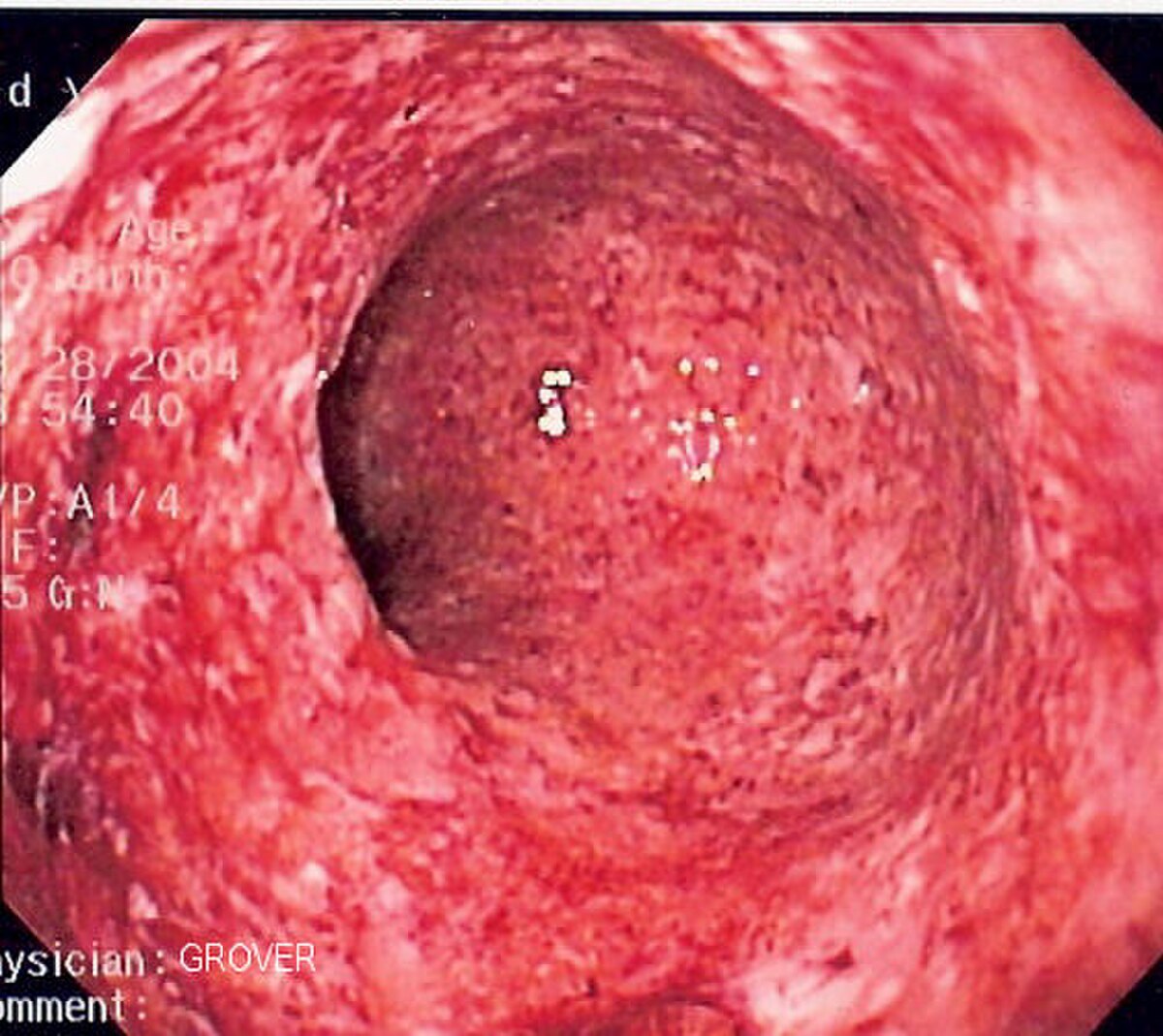
A medical view of the colon shows prolonged inflammation caused by Crohn's disease, illustrating how ongoing immune responses can alter and damage internal organs. The original uploader was Samir at English Wikipedia., CC BY-SA 3.0, via Wikimedia Commons
In chronic inflammation, tissue destruction and healing take place simultaneously, altering cell populations and scarring healthy areas. This long-term activation manifests through generalized symptoms like chronic fatigue, body pain, digestive complications, and mood disorders, and contributes to conditions such as atherosclerosis, osteoarthritis, and periodontal disease.
Test yourself
In inflammation, what do redness and swelling after injury usually signal?
A tissue defense response is underway. Inflammation is a protective response: chemical signals increase blood flow and fluid at the affected area. The response can become harmful if it persists.
With chronic inflammation, what can happen to otherwise healthy tissue?
It can be damaged as the response persists. Inflammation helps defend and repair tissue in the short term, but a response that stays switched on can damage healthy tissue over time.
With chronic inflammation, what can happen to otherwise healthy tissue?
It can be damaged as the response persists. Inflammation helps defend and repair tissue in the short term, but a response that stays switched on can damage healthy tissue over time.
Play the lesson in edgi and the card is yours. It lands on your Map next to the ideas it connects to, and turns from matte to foil to gold as you learn more around it.
Inflammation can be triggered by physical trauma, burns, frostbite, toxins, irritants, and foreign bodies like silica or asbestos. It is also launched by microbial pathogens, stressed or dead host tissues, allergens, and autoimmune reactions.
Why is inflammation part of innate immunity rather than adaptive immunity?
Inflammation is a generic, immediate response triggered by broad patterns found on pathogens or damaged cells. It does not tailor itself to specific antigens the way adaptive immunity does, serving instead as a first line of defense.
What is subacute inflammation?
Subacute inflammation is an intermediate stage between acute and chronic inflammation. It refers specifically to an inflammatory response that lasts between two and six weeks.