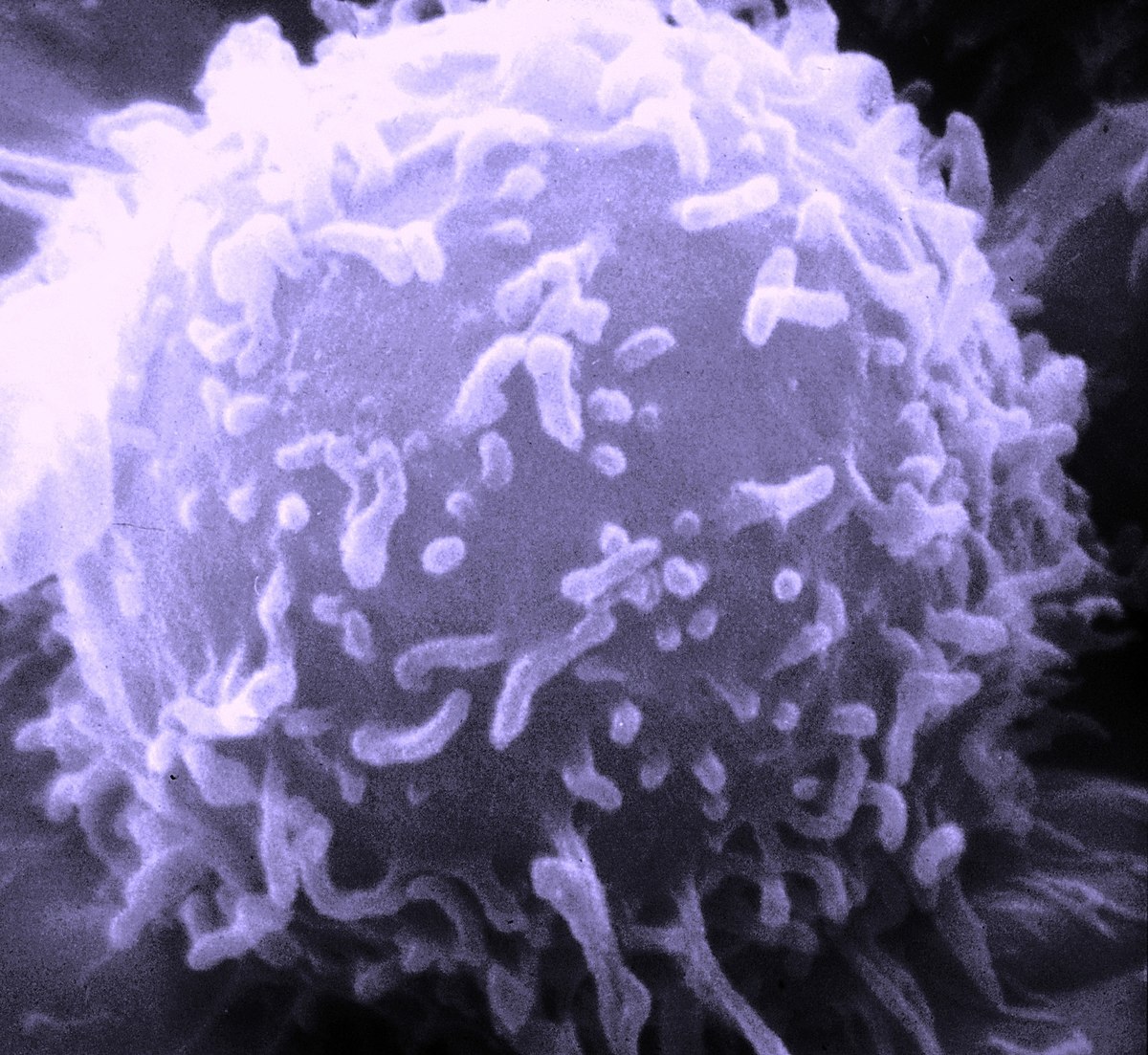
A memory B cell is a long-lived white blood cell that remembers the exact molecular shape of an invader you have fought before. While other immune cells die off after an infection clears, these cells can circulate in a quiet state for decades. If the same pathogen attacks again, they respond instantly to stop the disease before you feel sick.
By the edgi team We find the most surprising true thing about an idea and build a 60-second lesson around it.
After you fight off an infection, a specialized squad of immune cells goes into deep hibernation. These are memory B cells, and they can circulate quietly through your blood for decades.
They do not fight active infections right away. Their sole job is to remember the exact chemical shape of the defeated enemy.
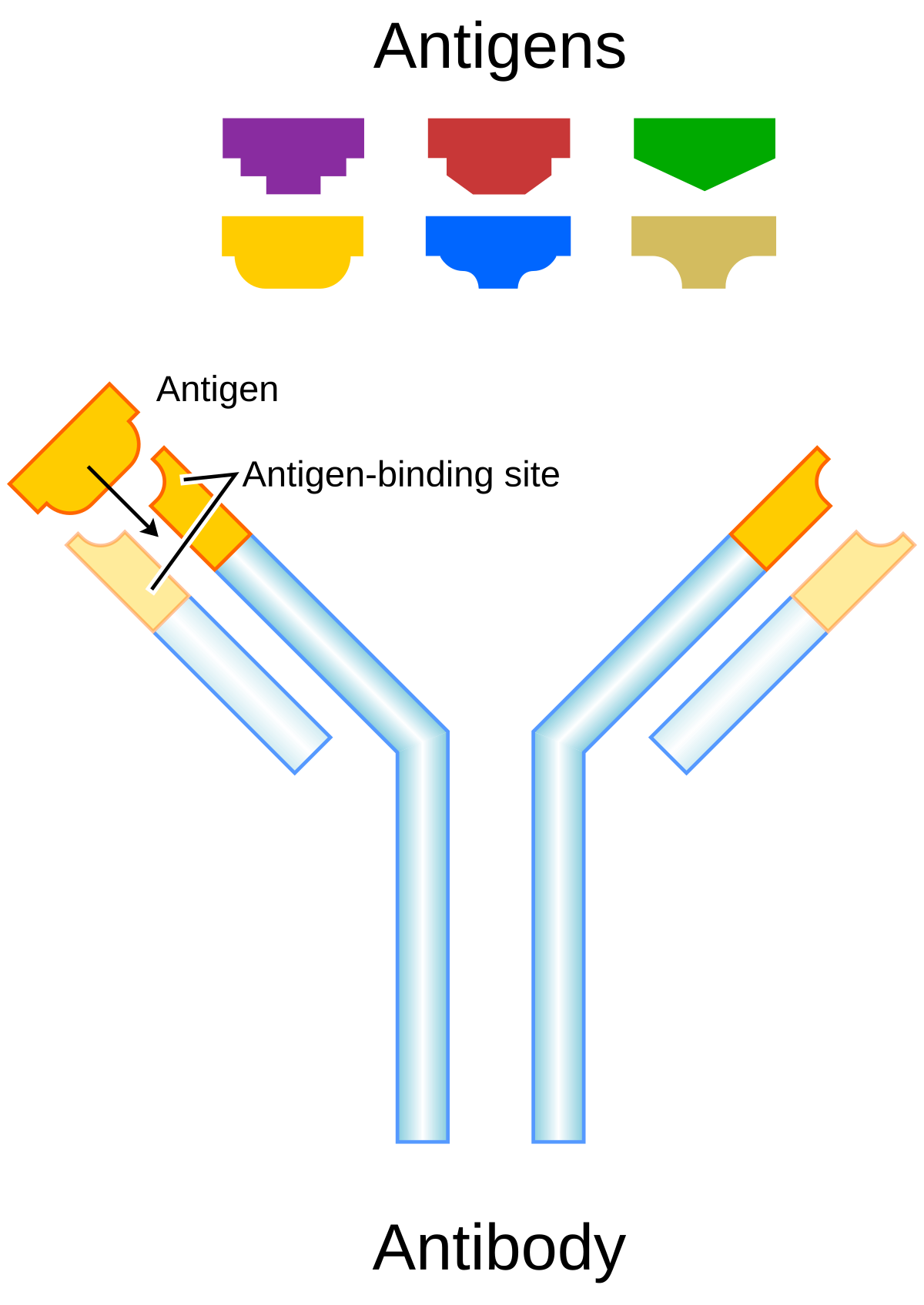
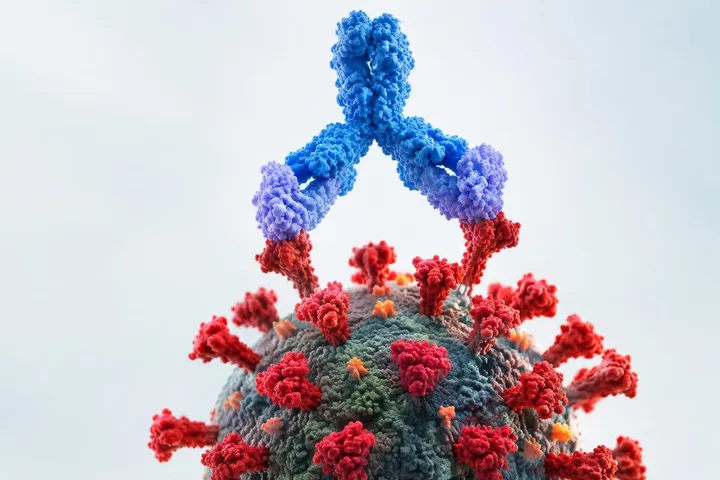
Diagram illustrating the specific binding of antigens to an antibody, analogous to a lock and key mechanism. Fvasconcellos 19:03, 6 May 2007 (UTC), Public domain, via Wikimedia Commons
The instant replay
The first time your body meets a new pathogen, building a custom weapon takes weeks of trial and error. That delay is why you get sick.
But if the same invader returns years later, memory B cells recognize it instantly. They multiply rapidly and flood your body with high-affinity antibodies before the pathogen can even take hold.
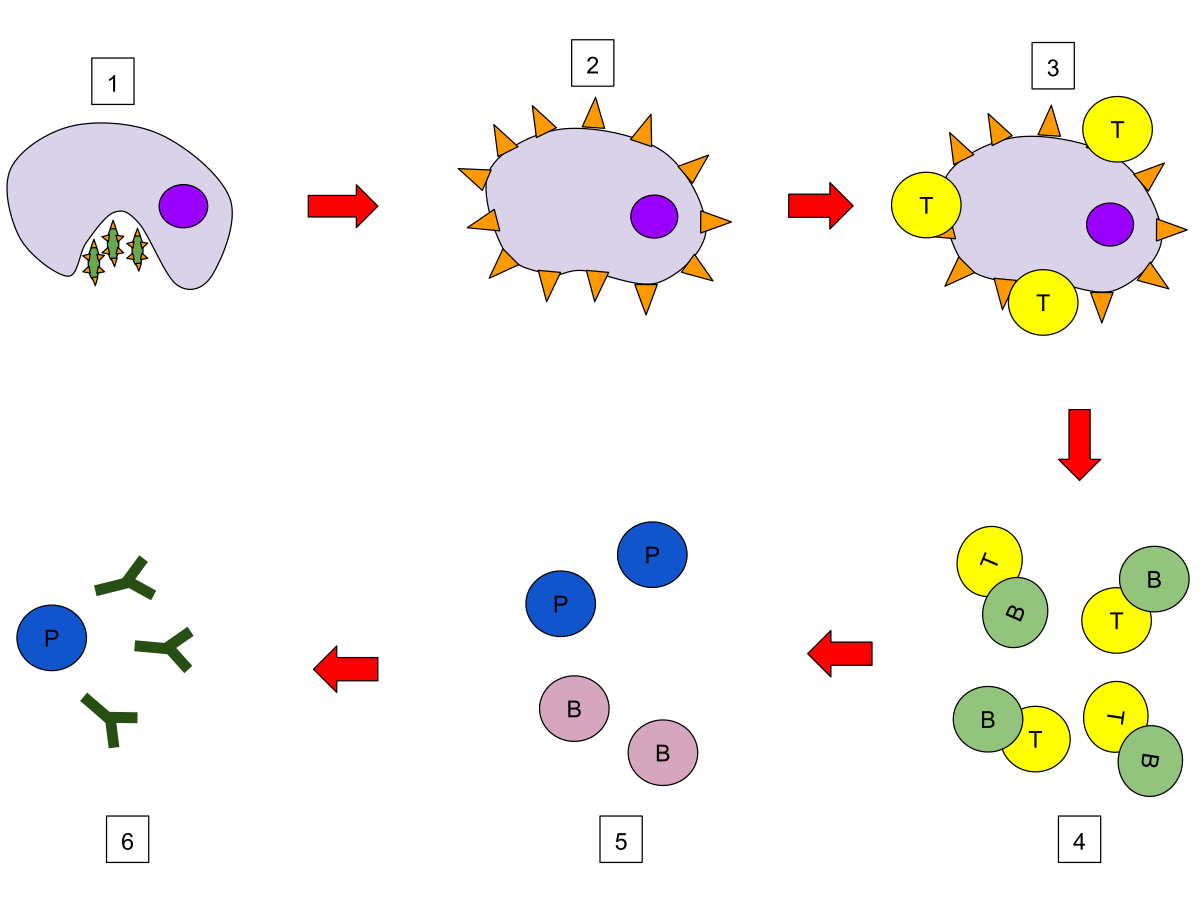
Diagram illustrating the humoral immune response in six steps, starting with a macrophage engulfing a pathogen (1) and presenting antigens (2). Reh0318, CC BY-SA 4.0, via Wikimedia Commons
How memory B cells develop
Memory B cells develop inside germinal centers within secondary lymphoid organs like the spleen and lymph nodes. During a first-time infection, helper T cells stimulate naive B cells that have bound foreign peptides. This interaction triggers class switch recombination, a genetic change that alters the type of antibody the cell produces.
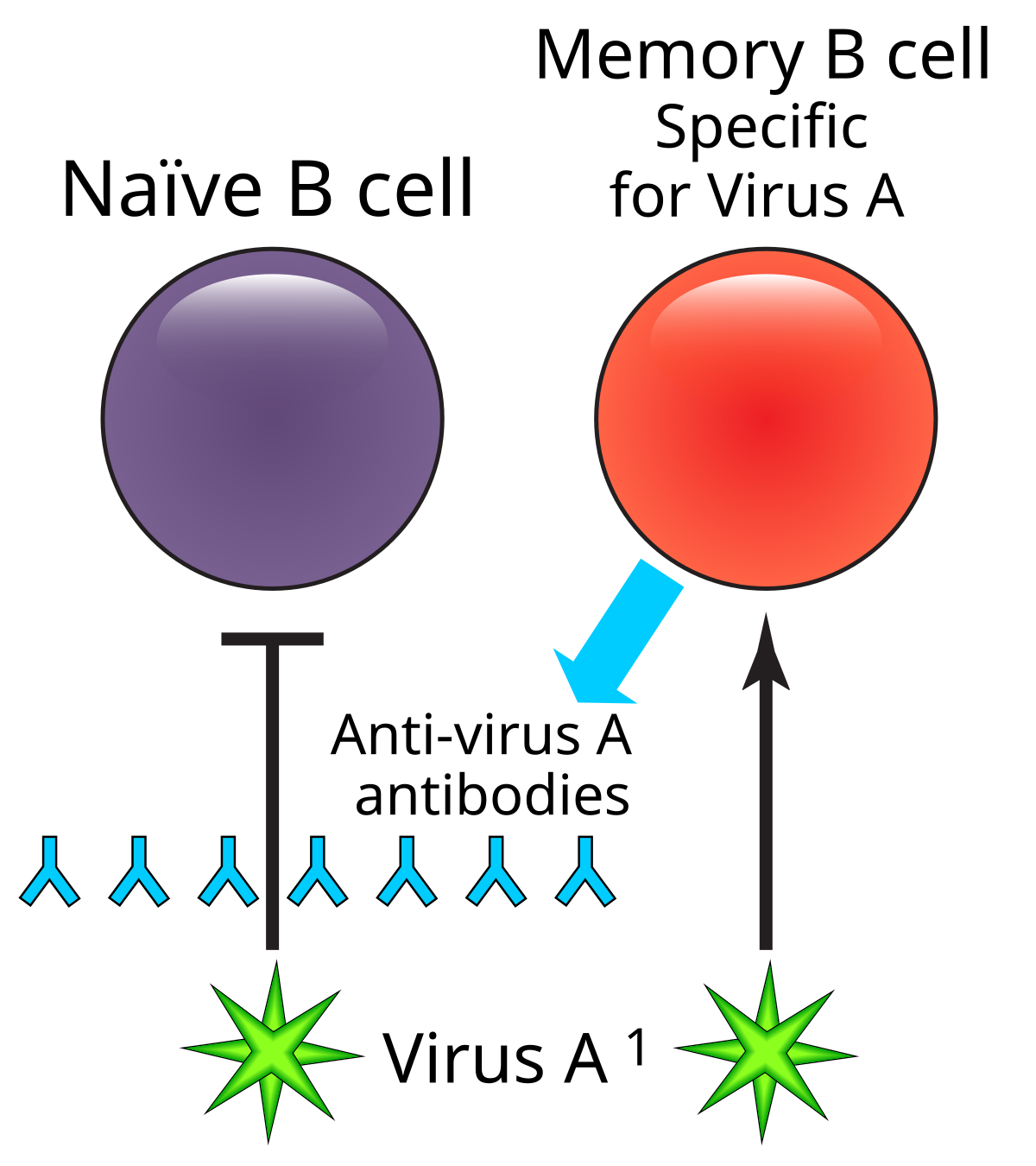
A B lymphocyte forms memory cells that store pathogen data for rapid antibody production in later infections. Original_antigenic_sin.png: User:DO11.10 derivative work: Rehua (talk), CC BY-SA 3.0, via Wikimedia Commons
Inside the germinal center, these B cells mutate their receptor genes through somatic hypermutation. The cells whose receptors bind foreign targets most tightly receive survival signals from helper T cells, while weaker or self-targeting cells die. Cells that survive this trial differentiate into either short-lived antibody-secreting plasma cells or long-lived memory B cells.
Once formed, memory B cells leave the lymph nodes and travel to peripheral tissues with high odds of pathogen contact, such as Peyer's patches in the gut.
How memory B cells launch a secondary response
A naive B cell takes weeks of trial and error to build custom antibodies during a first infection. Memory B cells bypass this delay because they retain surface receptors tailored to the original target.
When a memory B cell encounters its matching pathogen again, it multiplies rapidly and differentiates directly into plasma cells. This secondary response clears the infection far faster than the primary response. Memory cells that do not immediately turn into plasma cells can re-enter germinal centers to refine their receptors even further through additional affinity maturation.
Test yourself
Memory B cells meet a familiar pathogen again. What happens?
They rapidly multiply and produce antibodies. Memory B cells recognize a familiar antigen and quickly multiply, helping produce antibodies faster than during the first response.
Why can memory B cells help prevent illness on a second exposure?
Their faster response can act before the pathogen takes hold. Memory B cells can trigger a rapid antibody response after re-exposure, reducing the pathogen’s chance to take hold.
How do memory B cells help when the same pathogen returns?
They recognize it and rapidly boost antibody production.. Memory B cells recognize a previously encountered antigen and rapidly multiply, enabling a quicker antibody response.
Play the lesson in edgi and the card is yours. It lands on your Map next to the ideas it connects to, and turns from matte to foil to gold as you learn more around it.
Yes. Some memory B cells, such as IgM-positive memory B cells, develop outside of germinal centers without undergoing somatic hypermutation or class switch recombination.
What is the difference between a memory B cell and a plasma cell?
Plasma cells actively secrete large volumes of antibodies to clear an ongoing infection but die off and cannot respond to a secondary exposure. Memory B cells do not actively secrete antibodies immediately; instead, they survive for years and rapidly generate new plasma cells if the pathogen returns.