FeverWhy your brain deliberately turns up the heat
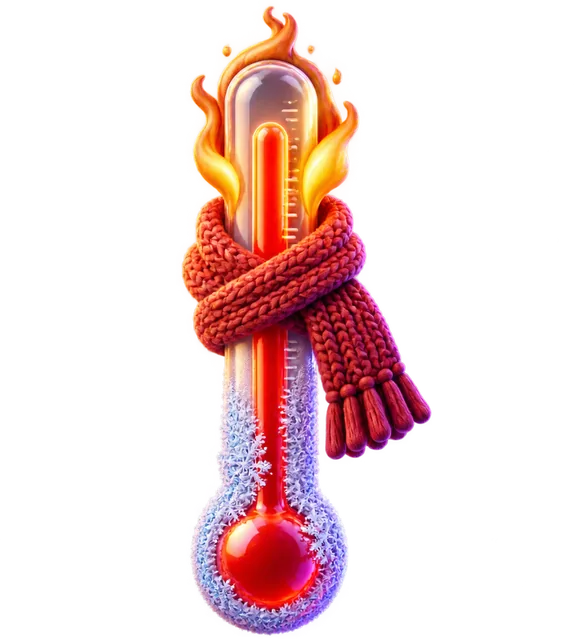
A fever is a temporary rise in body temperature caused by the brain resetting its internal thermostat to a higher target. It is an intentional defense mechanism triggered to fight infections and help immune cells function. Because the brain aims for a higher setting, your normal temperature feels cold, making you shiver to produce heat.
By the edgi team We find the most surprising true thing about an idea and build a 60-second lesson around it.
Your brain has a central thermostat called the hypothalamus. In the 1800s, Carl Reinhold August Wunderlich analyzed millions of readings to establish 98.6°F as the standard human baseline.
When you are sick, your brain deliberately resets that baseline to a higher point as a strategic defense.
The heat engine
To reach this new, higher target, your body must generate heat rapidly. It triggers involuntary muscle contractions, shivering, to create friction heat.
You are essentially doing a full-body workout while lying in bed to fuel the internal fire.
The paradox
Because your thermostat is set to 'hot,' your normal body temperature now feels 'cold' by comparison. This is why you feel freezing while your skin is actually burning to the touch.
You are experiencing the gap between your current temperature and your brain's new, higher goal.
The strategy
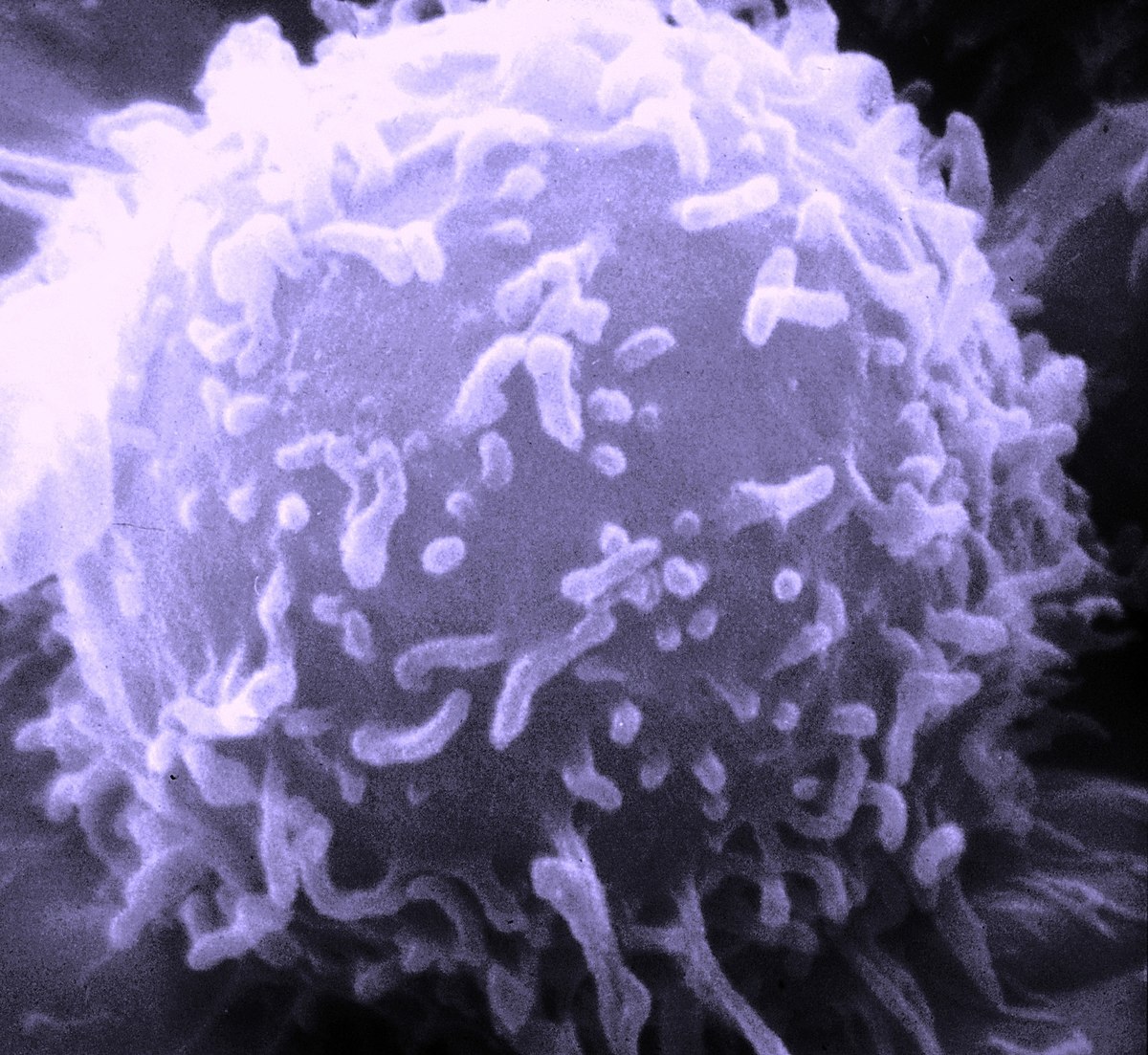
This heat creates a hostile environment where bacteria and viruses struggle to replicate. It also accelerates your immune system, helping white blood cells hunt invaders more efficiently.
Suppressing every fever can actually give an Infectious Disease a comfortable place to stay.
How the brain creates a fever
A fever begins when substances called pyrogens enter or form inside the body. Bacterial toxins like lipopolysaccharides or immune signals from monocytes trigger the production of prostaglandin E2 (PGE2). This chemical binds to EP3 receptors in the hypothalamus, the control center in the brain that acts as your thermostat.
Once the hypothalamus shifts its target temperature upward, it deploys the autonomic nervous system to close the gap. Blood vessels near the skin narrow through peripheral vasoconstriction to trap warmth, which makes skin feel chilly. Involuntary shivering and brown adipose tissue thermogenesis then burn energy rapidly to drive internal temperatures up toward the new target.
When the infection clears or medication takes effect, the set point returns to normal. The body reverses course: blood vessels widen, shivering stops, and sweating begins to dump excess heat.
Fever versus hyperthermia
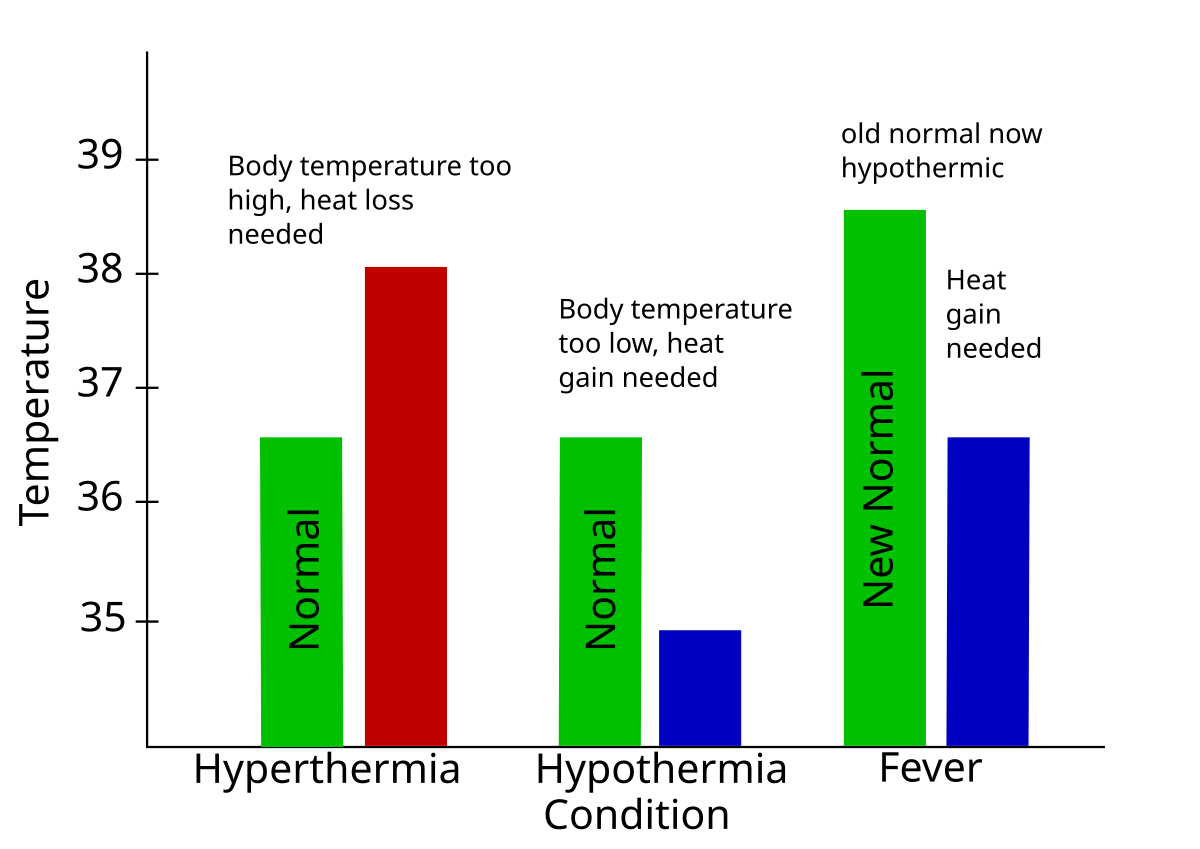
Fever is fundamentally different from hyperthermia, even though both involve high body temperatures. In a fever, the brain deliberately changes its set point, and body systems actively work to reach that higher number. Fevers rarely exceed 41 to 42 °C (106 to 108 °F).
Hyperthermia occurs when actual body temperature rises above the brain's unchanged set point, distinguishing it from a true fever. Philip Newton (User:Pne), Public domain, via Wikimedia Commons
Hyperthermia occurs when the body overheats while the brain's thermostat remains at its normal setting. It happens when heat production outpaces heat loss, such as during heat stroke or adverse drug reactions. Unlike a fever, hyperthermia does not respond to fever-reducing medications like paracetamol and can quickly become fatal without rapid physical cooling.
Test yourself
What causes the chills during a fever?
A higher thermostat target makes normal warmth feel cold.. Your brain raises the temperature set point, so your current normal warmth feels cold by comparison.
Why does shivering occur at the start of a fever?
To rapidly generate heat through involuntary muscle contractions.. Shivering forces muscles to contract and generate the friction heat needed to reach the new target.
What triggers a fever in the body?
The hypothalamus deliberately raises the temperature set point.. A fever is a strategic defense where the brain actively commands a higher baseline temperature.
Play the lesson in edgi and the card is yours. It lands on your Map next to the ideas it connects to, and turns from matte to foil to gold as you learn more around it.
Fever alters systemic body functions, often leading to fatigue, loss of appetite, sleepiness, and trouble concentrating. High body temperatures can also trigger vivid nightmares known as fever dreams, or cause delirium and hallucinations.
Do fevers always require medication?
Reducing a fever is generally not required because it is a natural defense mechanism. However, drugs like ibuprofen or paracetamol can relieve accompanying pain and inflammation to help a person rest.
When does a fever require immediate medical attention?
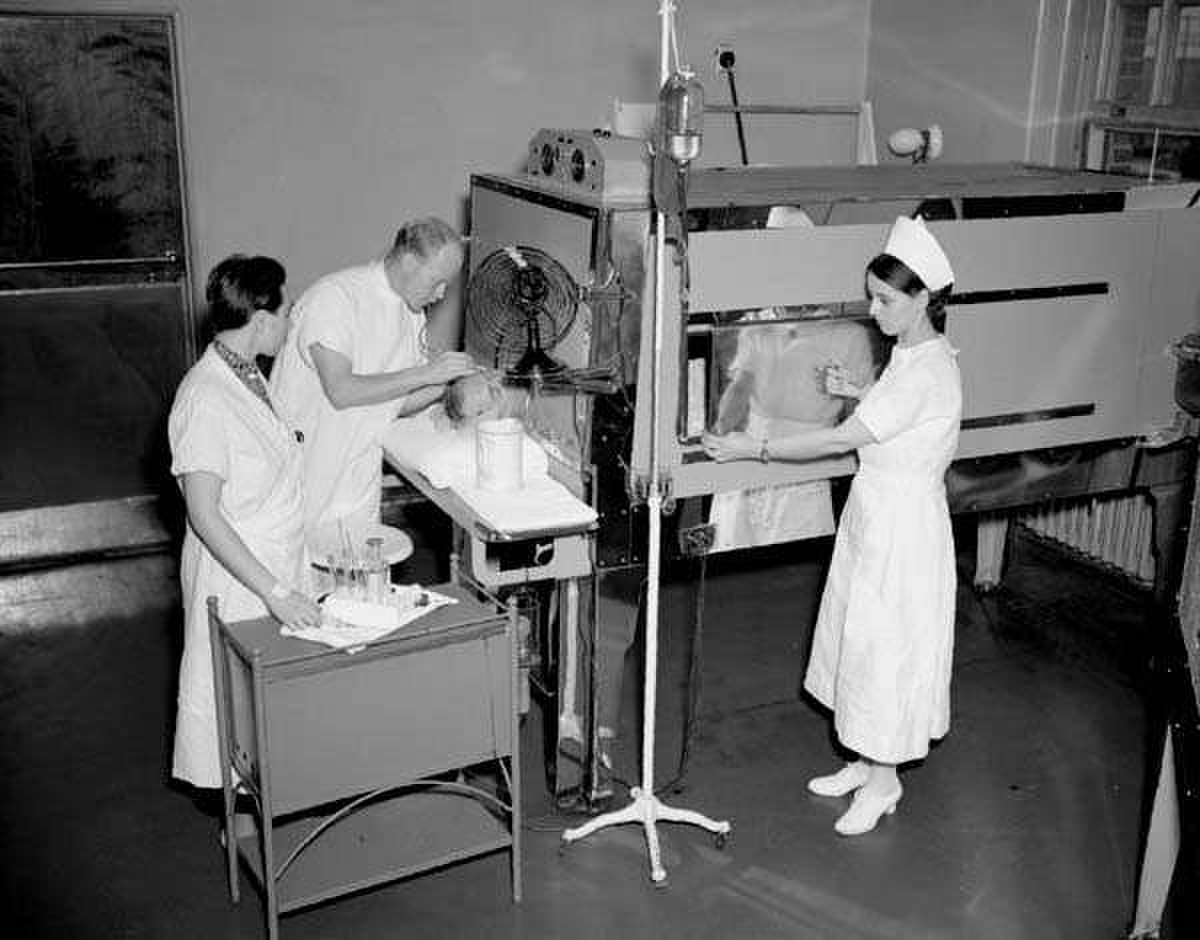
Infants younger than three months require prompt medical care when running a fever. Medical evaluation is also needed for individuals with compromised immune systems or those showing signs of hyperpyrexia and hyperthermia.