MetastasisWhy traveling tumors keep their original identity
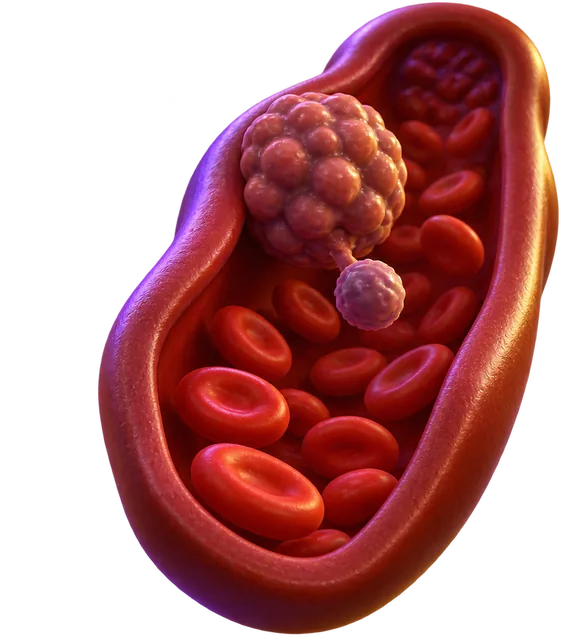
Metastasis is the spread of cancer cells from a primary tumor to distant organs through the bloodstream or lymphatic system. The secondary tumors that form retain the identity of the original site; for example, breast cancer that spreads to the lungs is still made of breast cells. This spread accounts for over 90 percent of cancer-related deaths and places a cancer at Stage IV.
By the edgi team We find the most surprising true thing about an idea and build a 60-second lesson around it.
Most cells in your body have a home address. They are designed to stay put and function in one place. Cancer cells commit a biological jailbreak. Through a process called epithelial–mesenchymal transition, they shed their sticky surface proteins to become mobile.
They don't just wander; they survive the crushing pressure of the bloodstream and invade distant tissues.
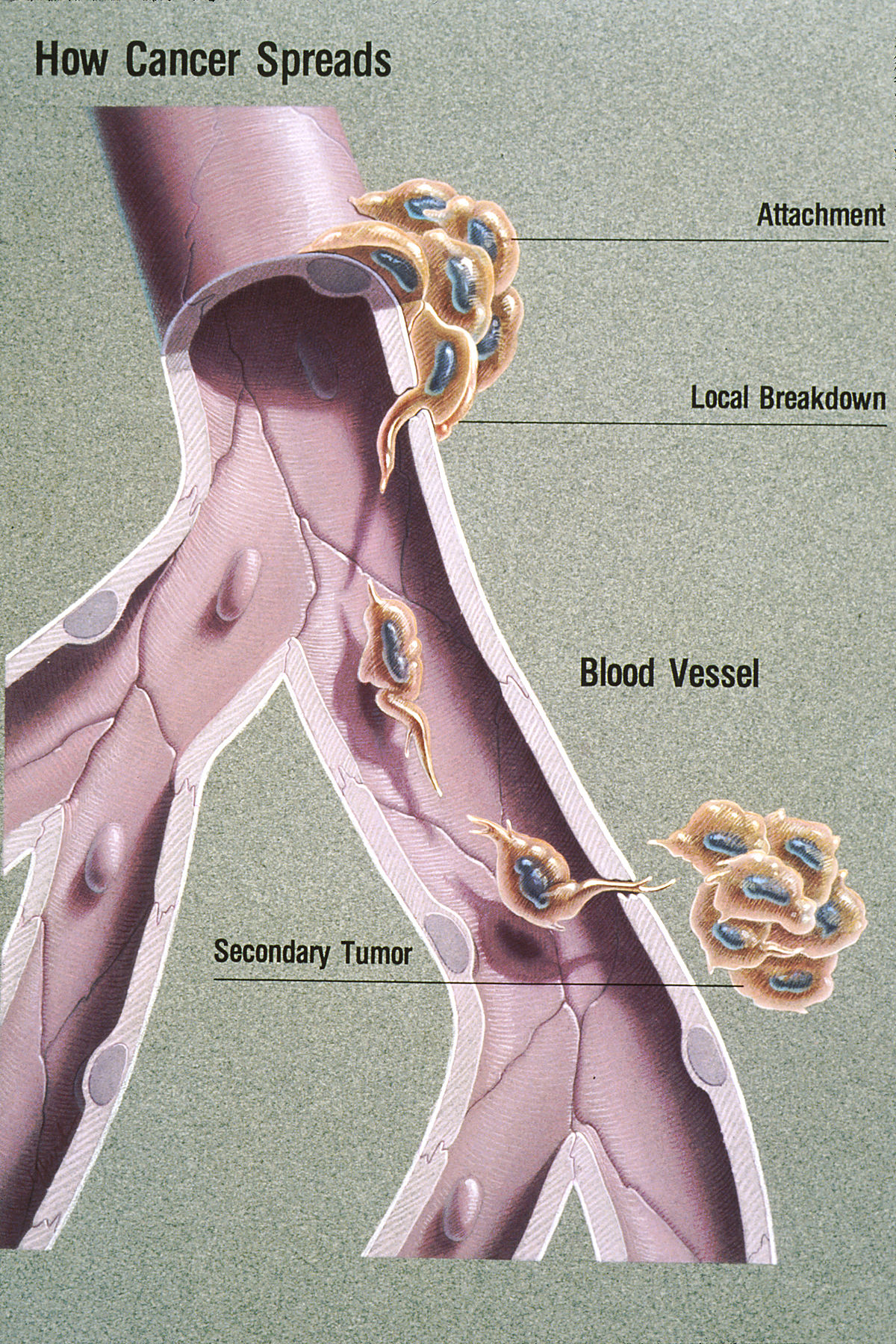
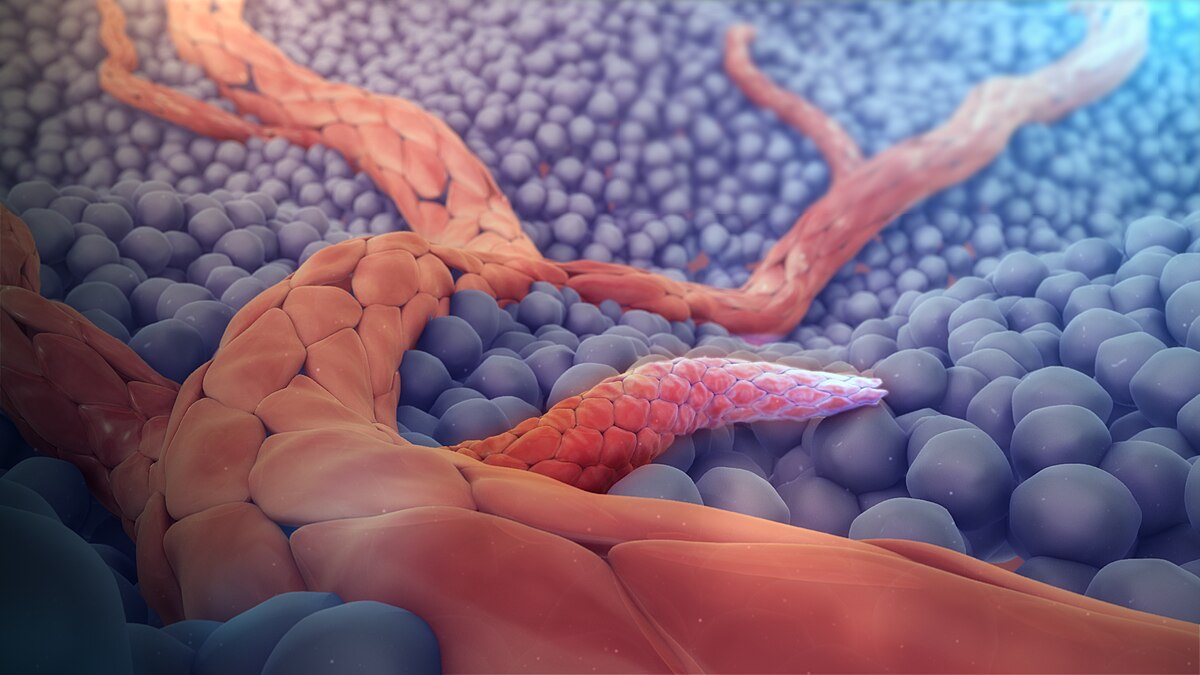
Illustration titled "How Cancer Spreads" depicting the process of metastasis within a blood vessel. Jane Hurd (Illustrator), Public domain, via Wikimedia Commons
The seed and soil
In 1889, surgeon Stephen Paget noticed something strange. Breast cancer cells didn't just land randomly; they consistently targeted the bones and liver. He proposed the seed and soil hypothesis. The cancer is the seed, but it can only grow if the destination organ provides the perfect hospitable soil.
The distant organ must release specific chemical signals that allow the traveling cell to take root, thrive, and start building a new colony.
Systemic colonization
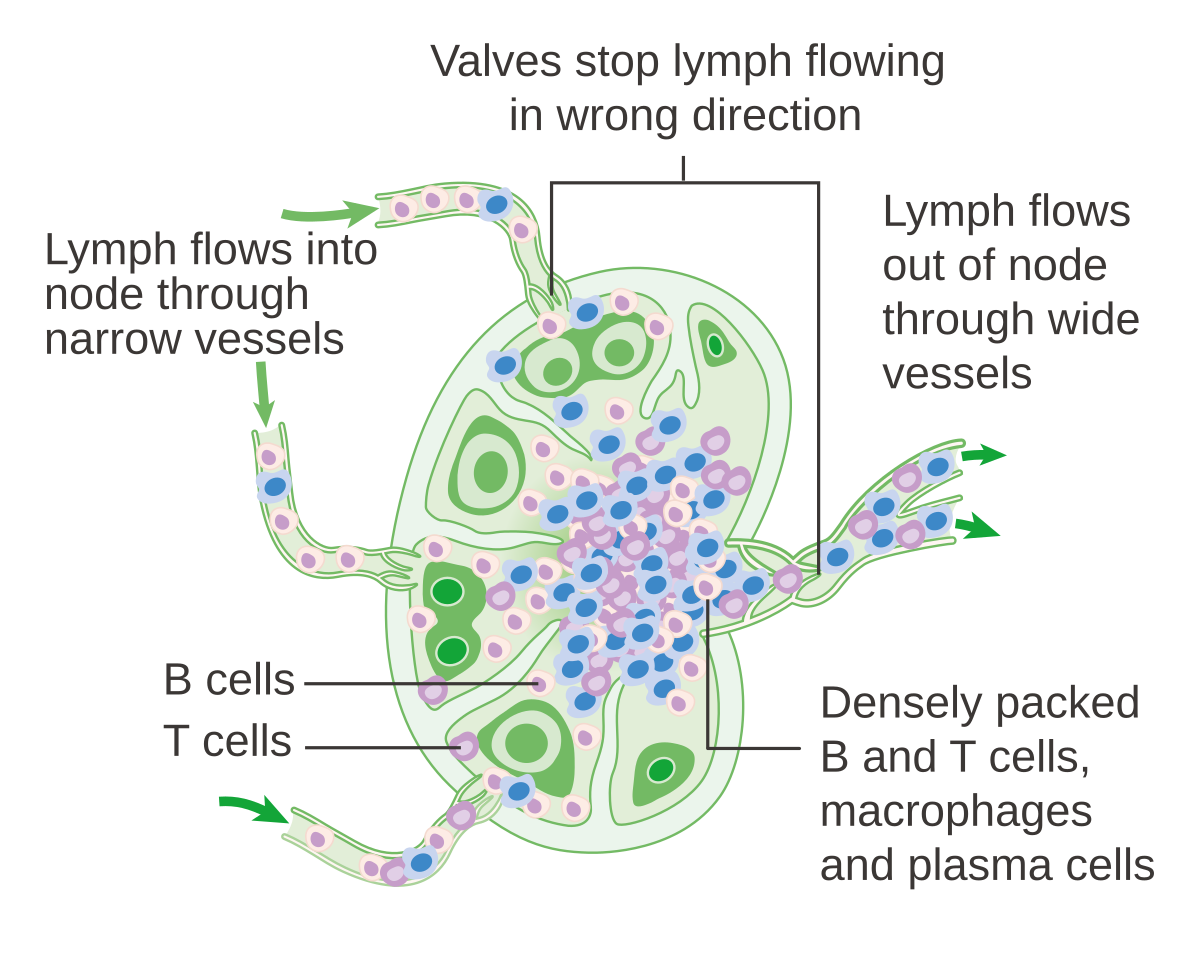
Once cells reach the lymph nodes, they hijack the body’s own drainage system. These nodes act as highways, allowing cancer to bypass natural barriers and colonize organs far from the original site.
Diagram of a lymph node illustrating the flow of lymph and the distribution of immune cells. Cancer Research UK, CC BY-SA 4.0, via Wikimedia Commons
This is why the primary tumor is rarely what kills a patient. It is the secondary, metastatic tumors that overwhelm the body’s essential functions.
How cancer cells spread to distant organs
Metastasis differs from local invasion, which is simply cancer cells extending directly into nearby tissues. To metastasize, malignant cells must break through the extracellular matrix by degrading surrounding proteins. They enter the circulation as single circulating tumor cells or as multi-cell clusters.
Traveling clusters retain their structure throughout the journey, which enhances their ability to seed new tumors. Cells use lymphatic vessels and blood vessels as conduits to move through the body. Once they escape the circulation, they colonize distant tissues, most commonly the lungs, liver, brain, and bones.
Common destinations and symptoms
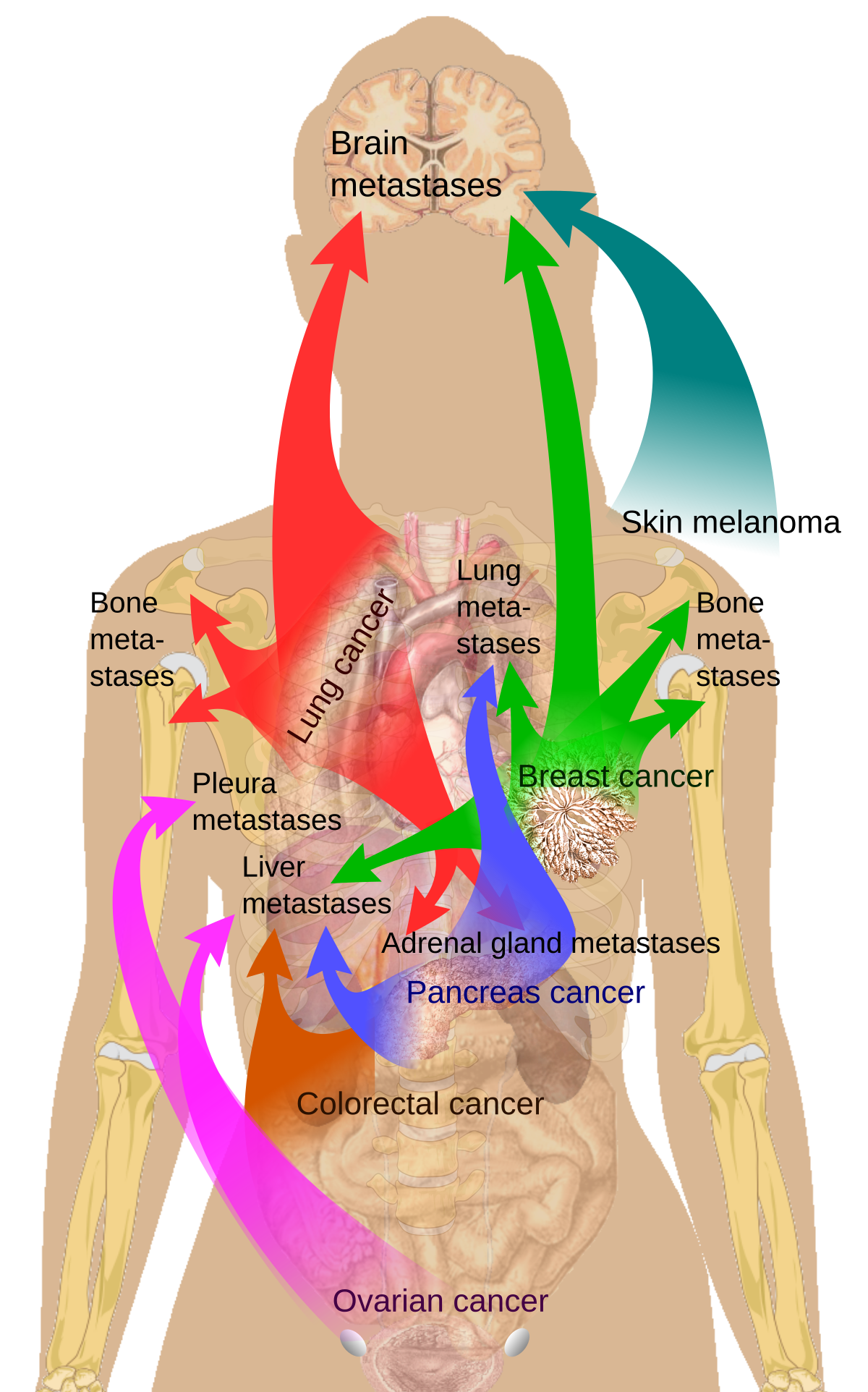
Metastatic tumors do not scatter randomly across the body. Different cancers consistently seek out specific organs, guided by soluble signaling molecules such as chemokines and transforming growth factor beta.
This chart maps out how specific primary cancer types spread to preferred target organs throughout the body. Mikael Häggström, CC0, via Wikimedia Commons
Nearby lymph nodes are usually the first sites affected, causing swelling known as lymphadenopathy. When cancer spreads to the lungs, it triggers coughing, hemoptysis, and shortness of breath. Liver metastases produce jaundice, nausea, and liver enlargement, while bone lesions cause severe pain and fractures. Brain metastases present with vertigo, headaches, and seizures.
Test yourself
Why do migrating cells target specific distant organs instead of settling anywhere?
The target organ provides matching chemical signals. Cells do not drift blindly; they require specific chemical signals from a compatible destination tissue, much like a seed needing the right soil to grow.
Is cancer fatal primarily because the initial tumor grows until it blocks a vital organ?
False. Fatalities usually stem from secondary tumors elsewhere. A tumor that stays in one place is rarely the cause of death; the danger is the jailbreak that leads to systemic colonization.
Tumor cells must undergo a process called ___ to change their shape and become mobile enough to migrate.
epithelial-mesenchymal transition. This transition allows stationary cells to transform into a more flexible, migratory state capable of invasion.
Play the lesson in edgi and the card is yours. It lands on your Map next to the ideas it connects to, and turns from matte to foil to gold as you learn more around it.
Most cancers can spread to distant tissues, but they do so at very different rates. Basal cell carcinoma, for example, is a common skin cancer that rarely metastasizes.
What prevents every traveling cancer cell from forming a tumor?
The human body produces about a dozen known proteins called metastasis suppressors that fight tumor spread. Traveling cells must also survive intense hydrodynamic shear forces in the blood and find an organ microenvironment that supports their survival.