The gas pedal
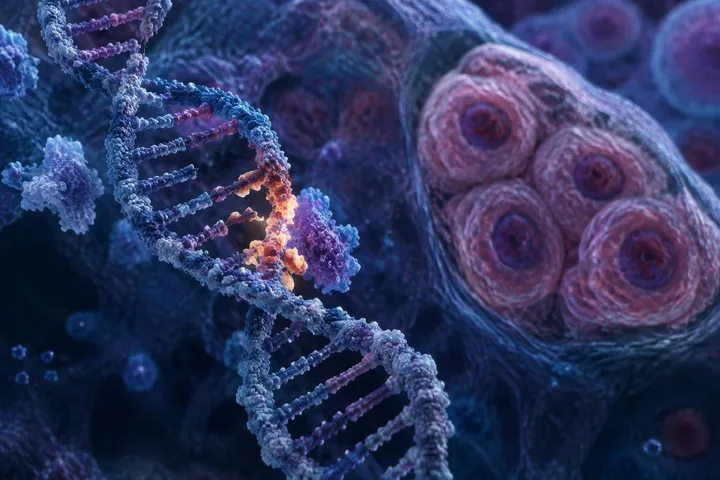
Your body relies on proto-oncogenes to tell cells when to grow and divide. Think of them as the gas pedal in your car. They are essential for healthy development and healing.
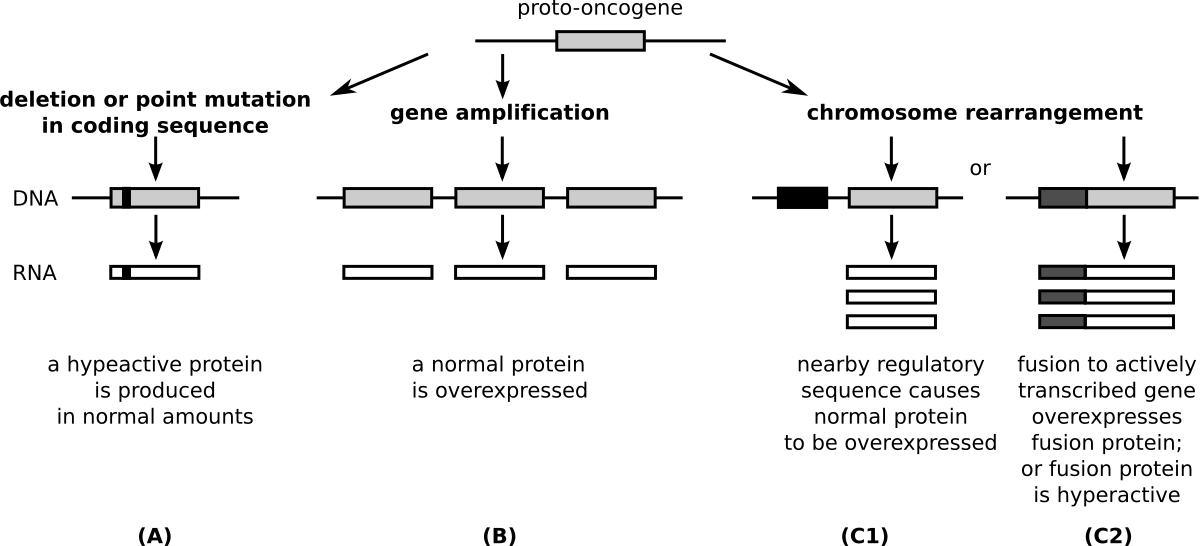
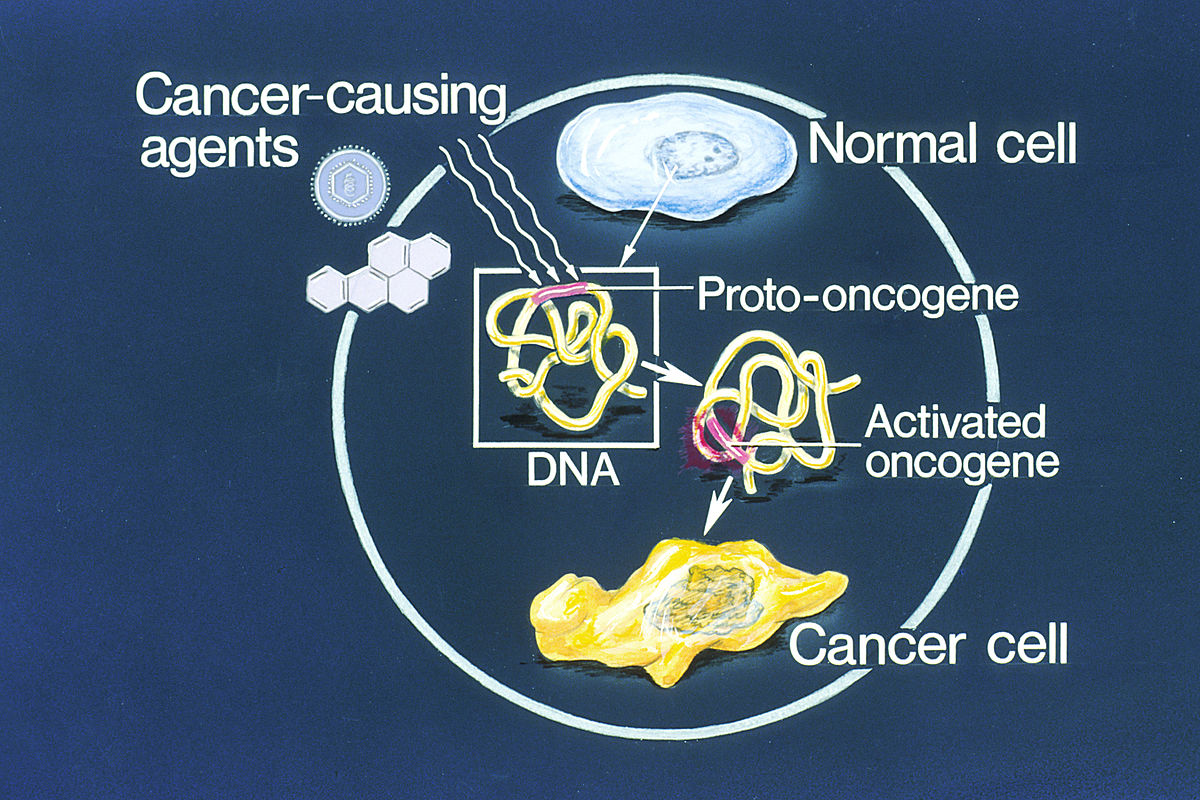
An oncogene is a mutated or overactive gene that has the potential to cause cancer. Most oncogenes originate as proto-oncogenes, which are healthy genes that regulate normal cell growth, division, and survival. When these genes gain damaging mutations or are expressed at abnormally high levels, they cause cells to proliferate uncontrollably instead of dying through natural cell death.

By the edgi team We find the most surprising true thing about an idea and build a 60-second lesson around it.
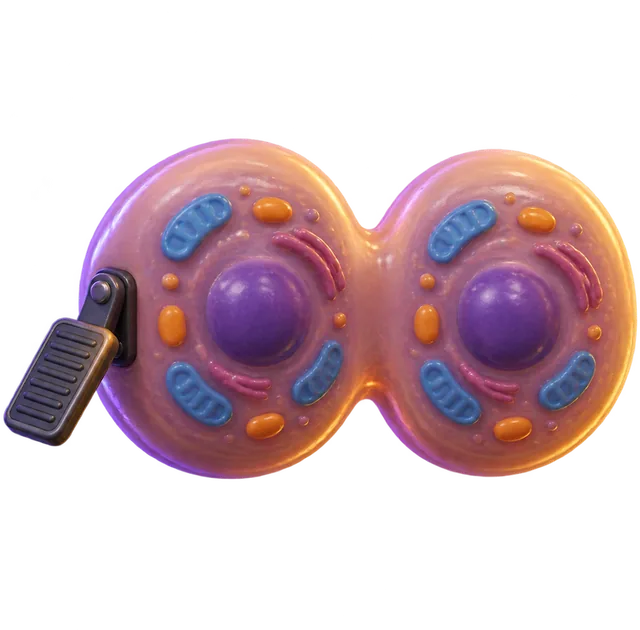
Your body relies on proto-oncogenes to tell cells when to grow and divide. Think of them as the gas pedal in your car. They are essential for healthy development and healing.
For decades, scientists assumed cancer was caused by foreign viruses. In the 1970s, Harold Varmus and J. Michael Bishop proved that wasn't true.
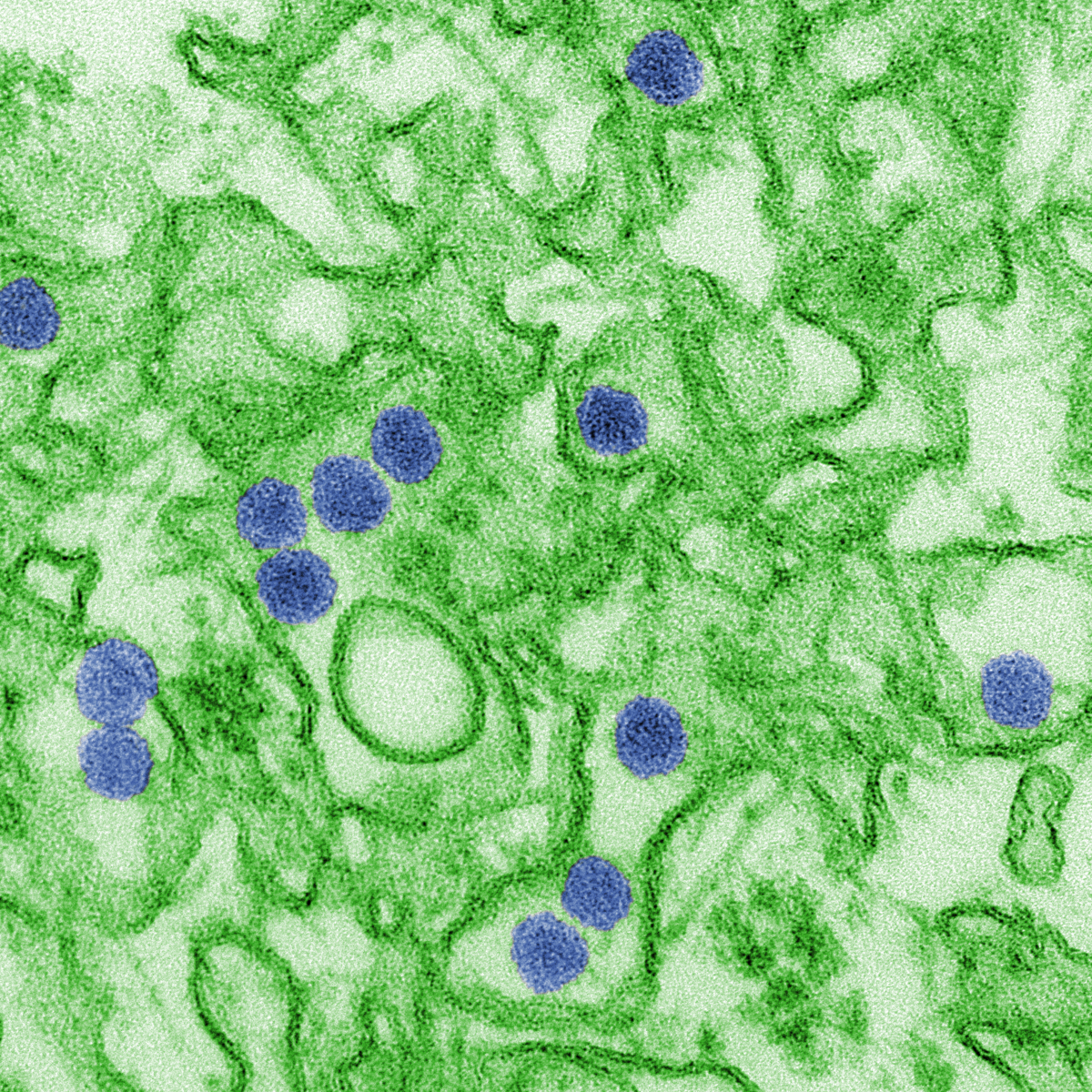
They found a virus had actually hijacked a normal host gene, corrupted it, and turned it into an oncogene.
Once that gene becomes an oncogene, it gets stuck in the on position. The cell stops listening to the command for apoptosis, or programmed cell death.
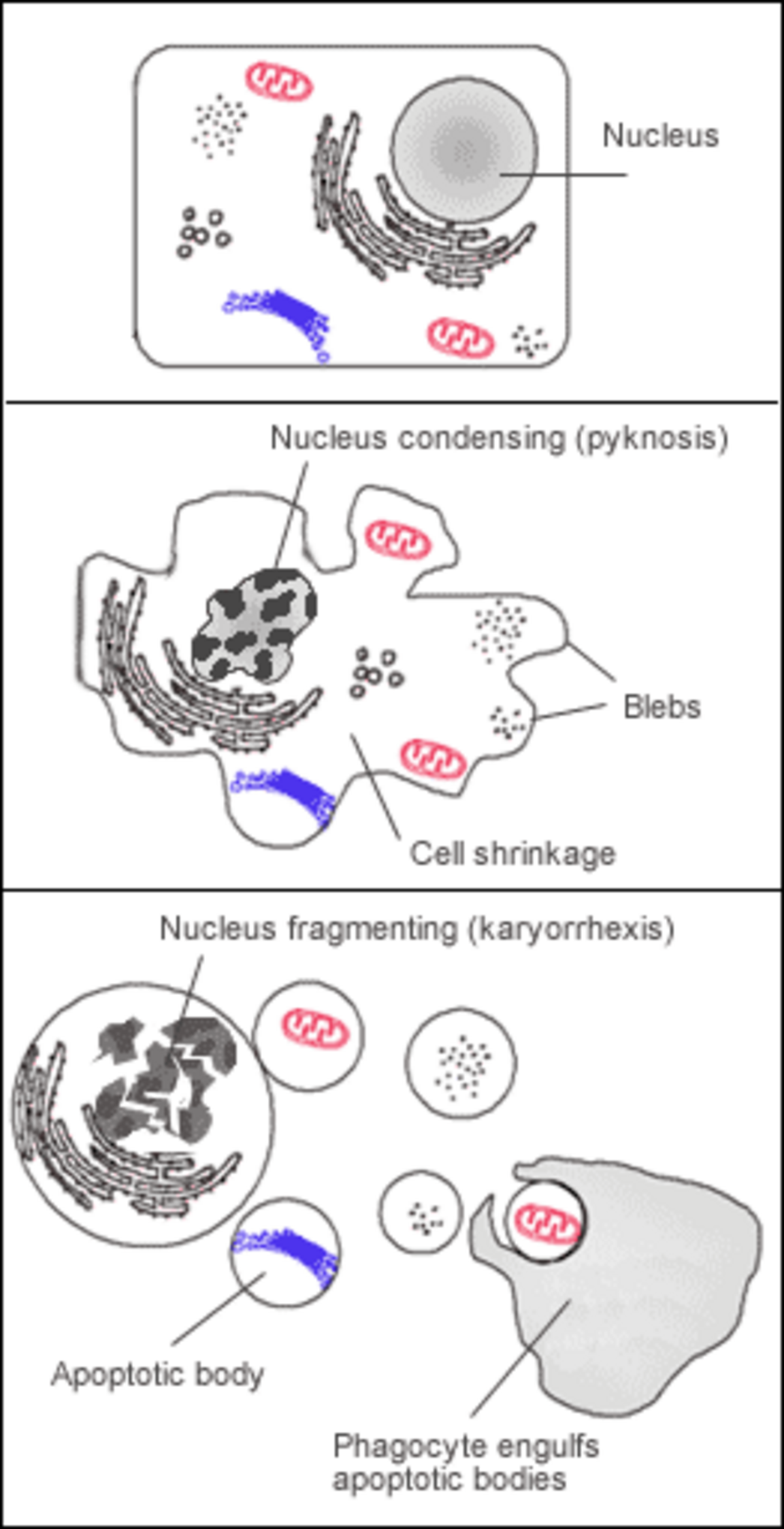
Instead of dying when it should, the cell divides endlessly, becoming the engine of cancer.
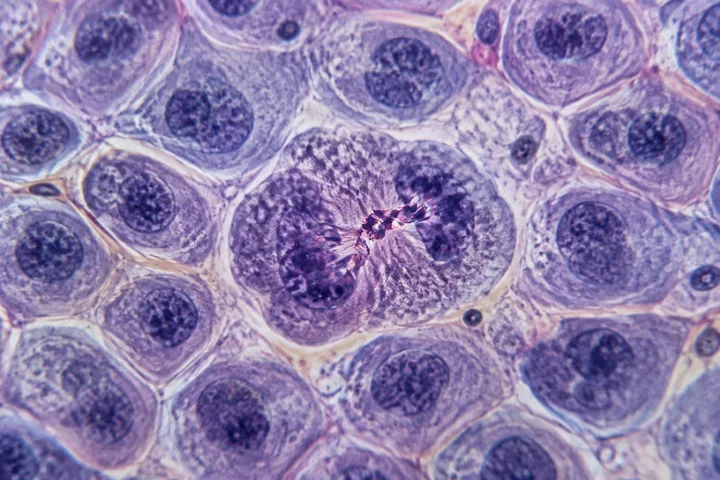
A healthy cell relies on proto-oncogenes to tell it when to divide and replenish tissues. When a proto-oncogene undergoes a gain-of-function mutation or gets overexpressed, it turns into an oncogene, forcing the cell to keep dividing.
This shift can occur in several distinct ways. Direct genetic mutations can alter the coding sequence so the resulting protein remains permanently active. Epigenetic mechanisms can chemically modify DNA or RNA to switch the gene on without altering its sequence. In other cases, chromosomal rearrangements move a proto-oncogene next to an active switch sequence, or gene duplication creates excess copies of the gene, flooding the cell with growth proteins.
Normally, a malfunctioning cell triggers apoptosis, which is programmed self-destruction. Activated oncogenes suppress this defense, allowing damaged cells to survive, divide, and accumulate further mutations.
German biologist Theodor Boveri predicted the existence of cancer-driving genes in 1914, but researchers did not confirm one until 1970 with the discovery of the SRC gene in a chicken retrovirus. In 1976, Dominique Stéhelin, J. Michael Bishop, and Harold E. Varmus demonstrated that retroviral oncogenes actually originated from normal host proto-oncogenes.
In the early 1980s, Robert Weinberg and Mariano Barbacid identified HRAS, the first confirmed human oncogene, in a bladder cancer cell line. Since then, dozens of oncogenes have been documented in human cancers.
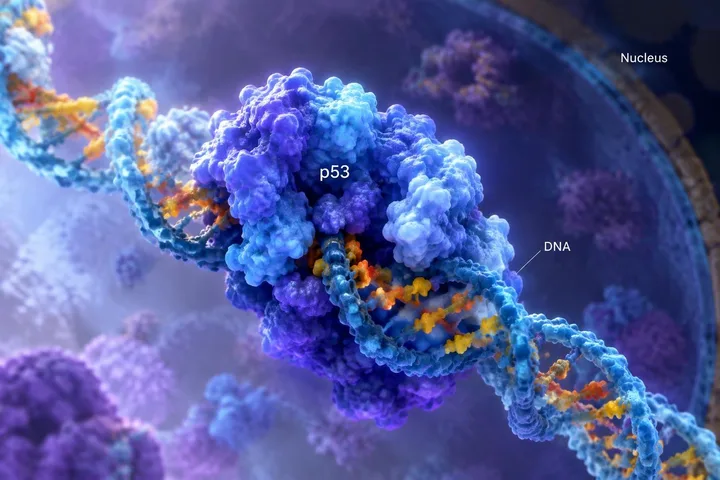
Proteins encoded by oncogenes are called oncoproteins. Because these oncoproteins drive abnormal cell proliferation, many modern cancer treatments use small-molecule inhibitors to directly target and disable them. Several oncoproteins also serve as diagnostic tumor markers.
What is the primary cellular consequence when an oncogene is activated?
Endless cell division without apoptosis. An activated oncogene acts like a stuck gas pedal, forcing the cell to multiply endlessly while ignoring signals for programmed cell death.
How do oncogenes originate in the body?
From mutated normal host genes. Oncogenes do not start as foreign invaders. They are normal host growth genes, called proto-oncogenes, that become corrupted and stuck in the active position.
When an oncogene forms from a proto-oncogene, what is its primary effect on cellular behavior?
It drives continuous, unregulated cell division. Oncogenes act like a stuck accelerator, forcing cells to divide endlessly instead of following normal growth signals.
Collectible card
Play the lesson in edgi and the card is yours. It lands on your Map next to the ideas it connects to, and turns from matte to foil to gold as you learn more around it.
An oncoprotein is the protein produced by an oncogene. These proteins alter signaling pathways inside the cell, driving continuous cell growth and preventing normal cellular death.
Oncogenes result from gain-of-function mutations in proto-oncogenes, actively pushing cells to multiply. Tumor suppressor genes act as brakes on division, and cancer arises when loss-of-function mutations disable those brakes.
Yes. While gene mutations often develop spontaneously during a person's life, transcription errors that occur during cell division can be passed down from a parent.
Part of the Set · 8 cards
A tumor isn't an invader. It's your own cells, mutating and competing by the exact rules that built every species on Earth.
Lesson complete
You finished the lesson. In edgi, the card goes on your Map next to everything else you learn.