The copying glitch
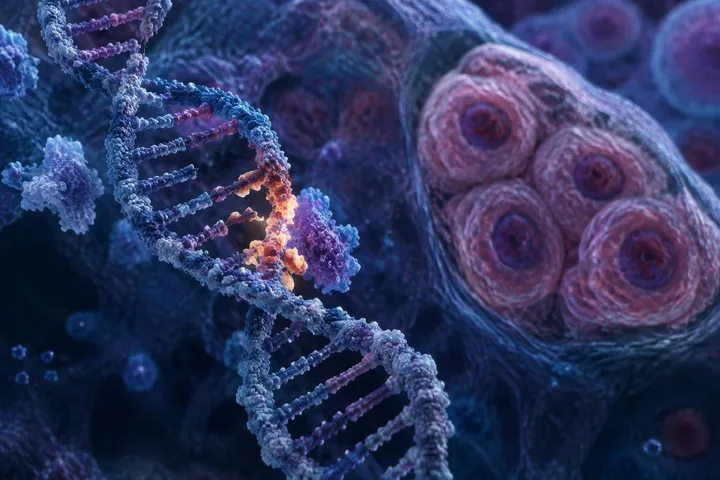
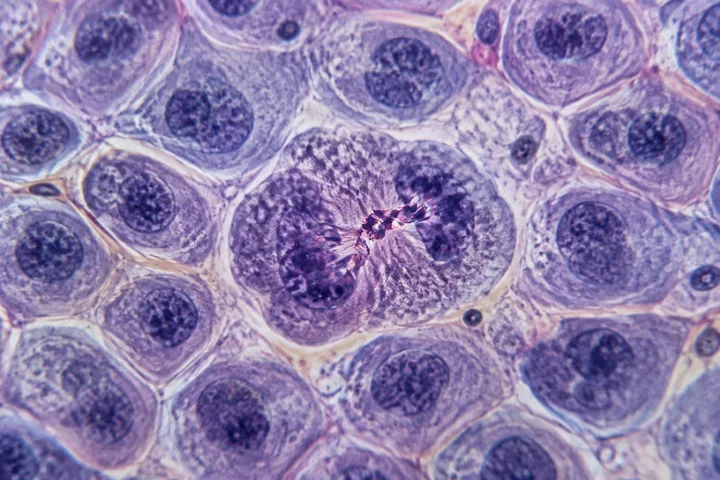
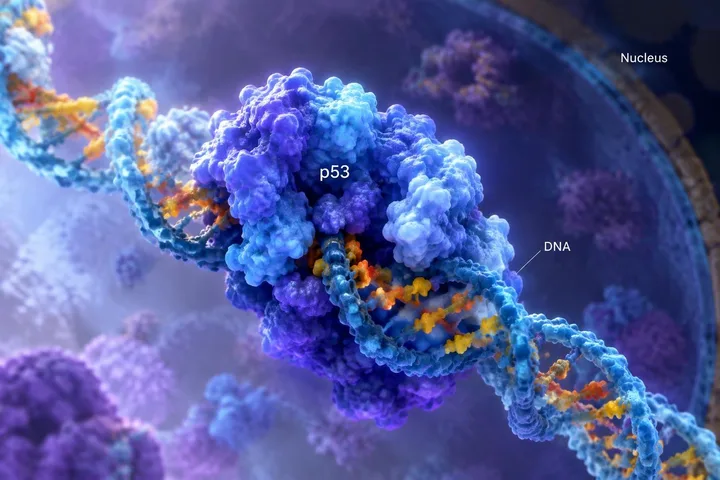
Your DNA is a massive instruction manual. Every time a cell divides, it copies three billion letters. Sometimes, the molecular copier slips. It might swap a letter, delete one, or add an extra. That glitch is a mutation.
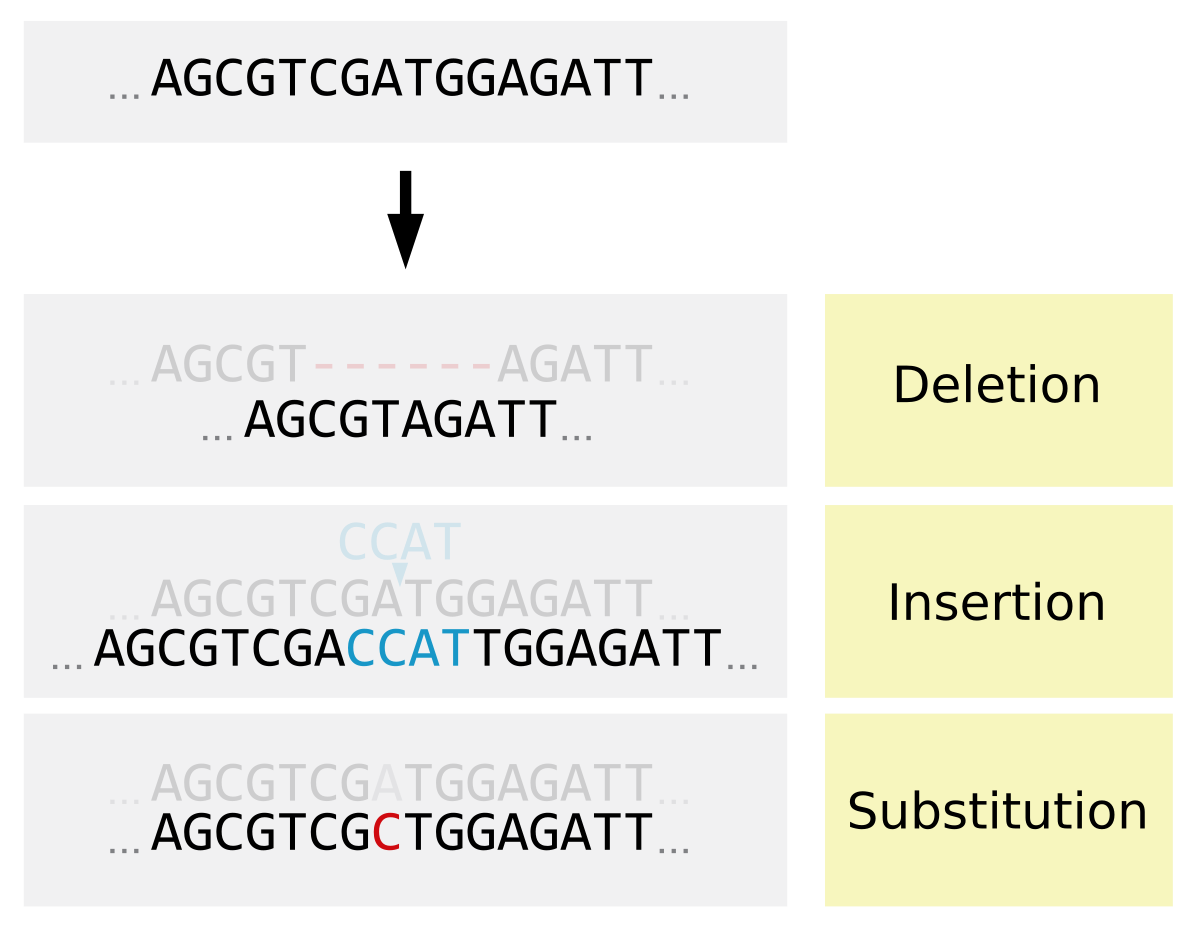
A mutation is a permanent change in the chemical sequence of an organism's DNA. While many mutations have no noticeable effect or cause harm, they are the only source of new genetic variation in nature. Without these random alterations, evolutionary forces like natural selection would have no new traits to act upon.
By the edgi team We find the most surprising true thing about an idea and build a 60-second lesson around it.
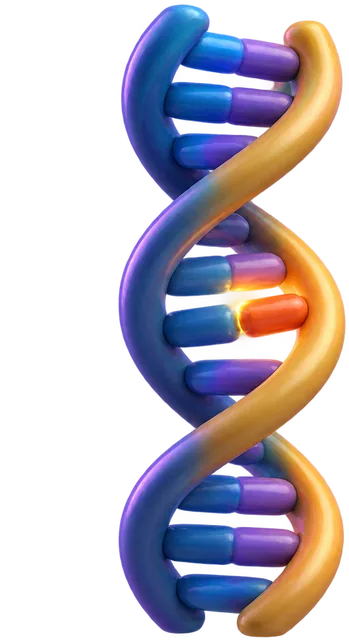
Your DNA is a massive instruction manual. Every time a cell divides, it copies three billion letters. Sometimes, the molecular copier slips. It might swap a letter, delete one, or add an extra. That glitch is a mutation.
In 1910, biologist Thomas Hunt Morgan was breeding fruit flies in a cramped Columbia University lab. He saw thousands of red-eyed flies, then one with white eyes. That single typo proved that physical traits were tied to specific spots on chromosomes.
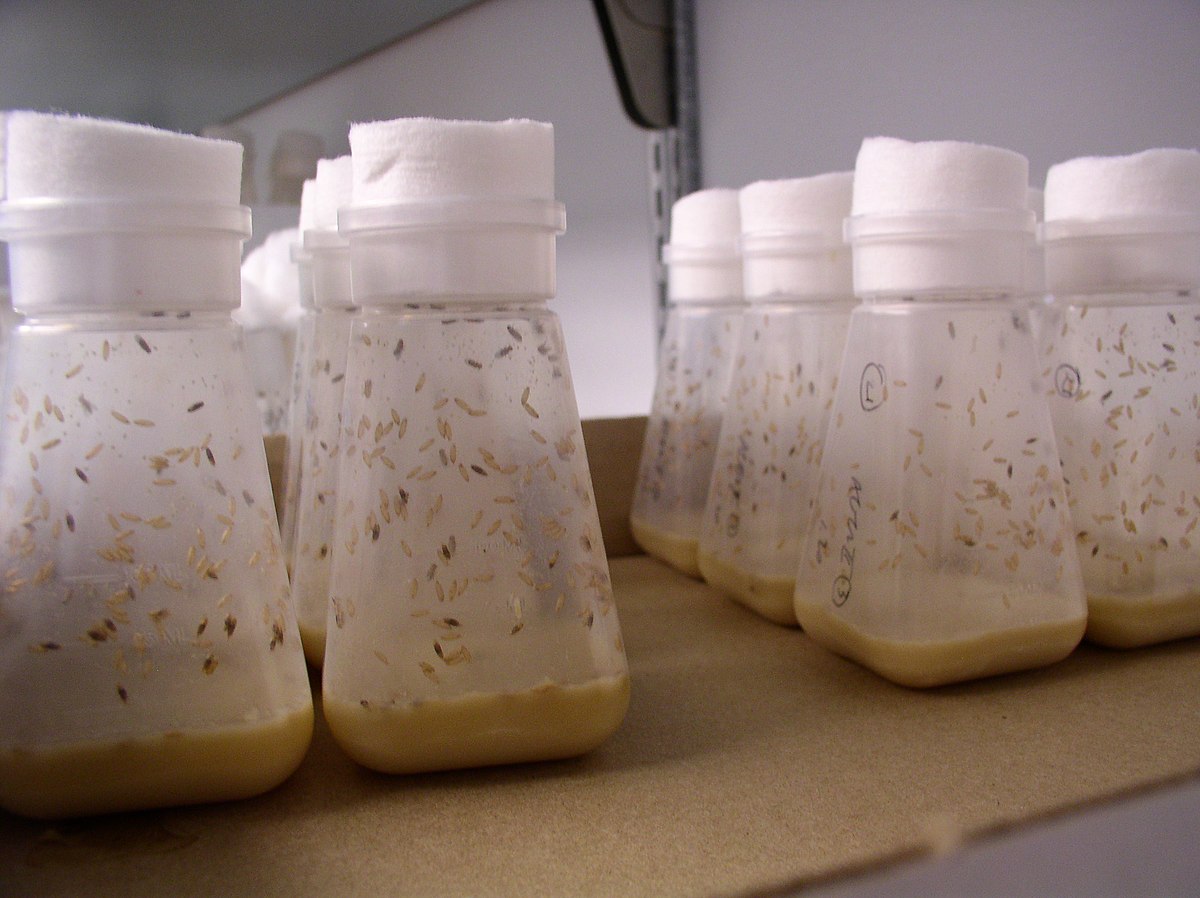
It transformed our understanding of how traits are passed down.
Mutations aren't always bad. A change in the DEC2 gene allows some people to feel fully rested after just four hours of sleep. A different mutation is the reason a Munchkin cat has such short, stout legs.
Without these errors, nature would be stuck in a loop. Mutations are the raw material for evolution. They provide the variation that natural selection acts upon to build everything from towering trees to us.
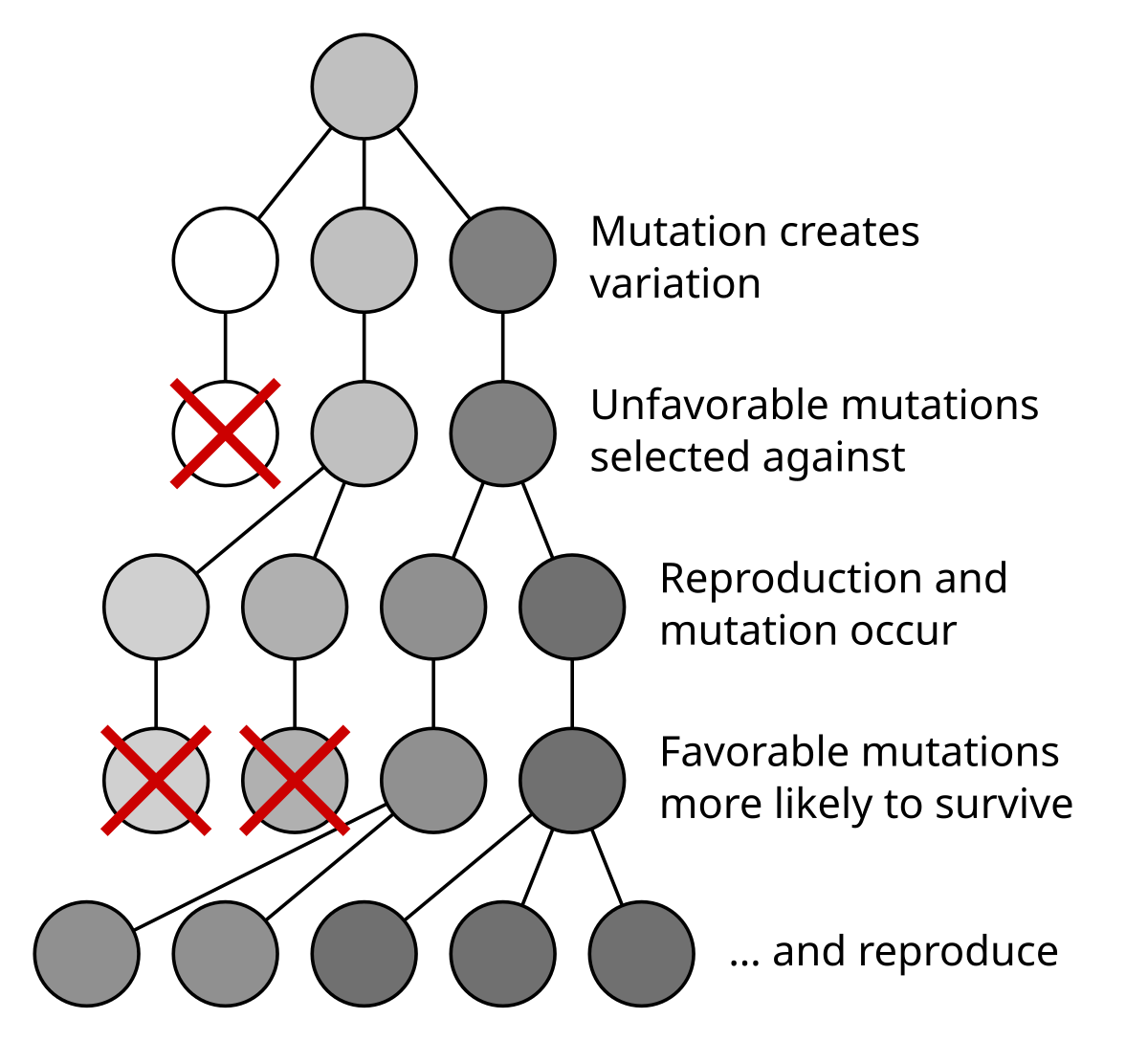
DNA damage and mutations are two distinct kinds of genetic errors. DNA damage is a physical break or chemical alteration in the DNA structure, such as a broken strand or a chemical bond caused by tobacco smoke. Cells have enzymes that detect these physical flaws and repair them using the opposite strand as a guide.
A mutation happens when the sequence of genetic letters itself changes on both strands. Because the sequence looks chemically normal to repair enzymes, the cell cannot recognize the mistake. The cell simply copies the altered sequence during division, passing it along to every future cell.
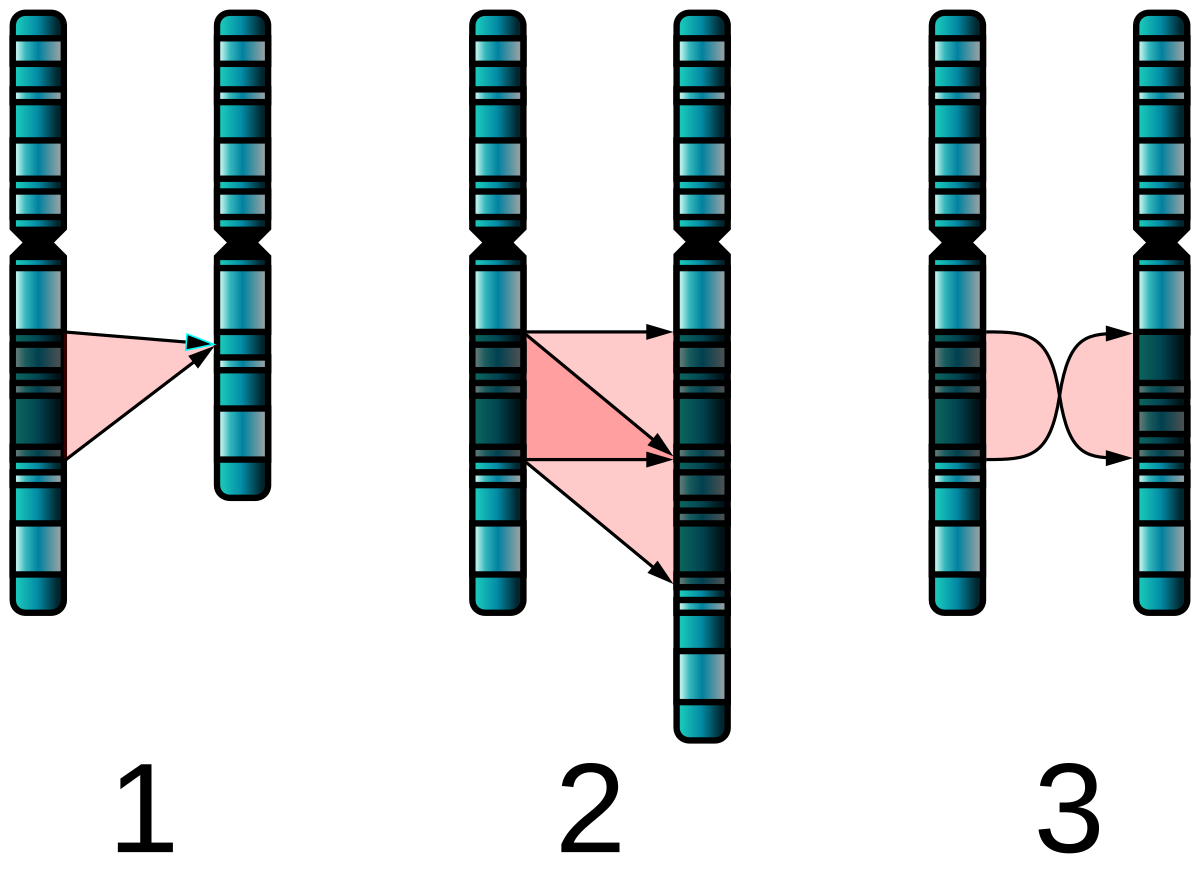
Mutations do not just tweak single letters; they can duplicate entire stretches of DNA. In animal genomes, tens to hundreds of genes duplicate every million years. Duplications give organisms backup copies of genes, creating genetic redundancy.
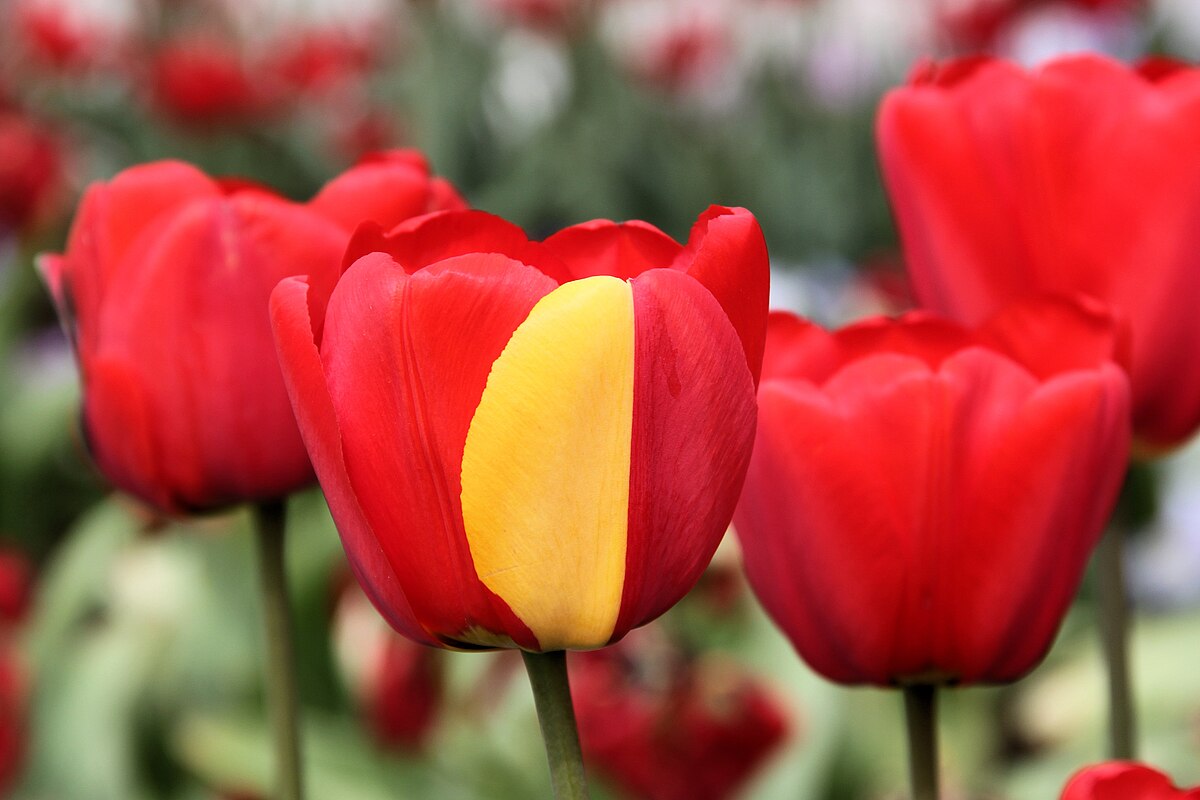
Once a backup exists, one copy can continue performing its original job while the second copy accumulates mutations that give it a new purpose. For example, the four light-sensing genes in the human eye (three for color vision in cone cells and one for night vision in rod cells) all evolved from a single duplicated ancestral gene.
If a species never experienced any genetic errors, what would happen over generations?
It would stop adapting to changes. Without copying errors, there is no new raw material for selection to act on. Perfect reproduction traps a species in place rather than improving it.
Genetic mutations are essentially accidents of biology.
True. While we call them accidents, these 'typos' are actually the essential engine of evolution. They aren't bugs in the system; they are the raw material that allows life to adapt and change over time.
Collectible card
Play the lesson in edgi and the card is yours. It lands on your Map next to the ideas it connects to, and turns from matte to foil to gold as you learn more around it.
Most mutations are neutral and have no significant effect on an organism's survival. When a mutation does alter a protein, it is far more likely to be harmful than beneficial. A 2007 study in fruit flies found that about 70 percent of protein-altering mutations caused damaging effects.
Yes. When large segments of chromosomes break, fuse, or rearrange, they can make different populations unable to interbreed successfully. For example, two ancestral ape chromosomes fused to form human chromosome 2, a rearrangement absent in other living apes.
Part of the Set · 8 cards
A tumor isn't an invader. It's your own cells, mutating and competing by the exact rules that built every species on Earth.
Lesson complete
You finished the lesson. In edgi, the card goes on your Map next to everything else you learn.