Muscle HypertrophyWhy muscle fibers get thicker, not more numerous
Muscle hypertrophy is the enlargement of skeletal muscle caused by individual muscle cells growing thicker rather than multiplying. It happens when resistance training subjects fibers to mechanical tension, triggering the production of new contractile proteins. Contrary to popular gym lore, growth is not caused by tearing muscle fibers to heal them bigger, but by signaling the cell to expand its existing machinery.
By the edgi team We find the most surprising true thing about an idea and build a 60-second lesson around it.
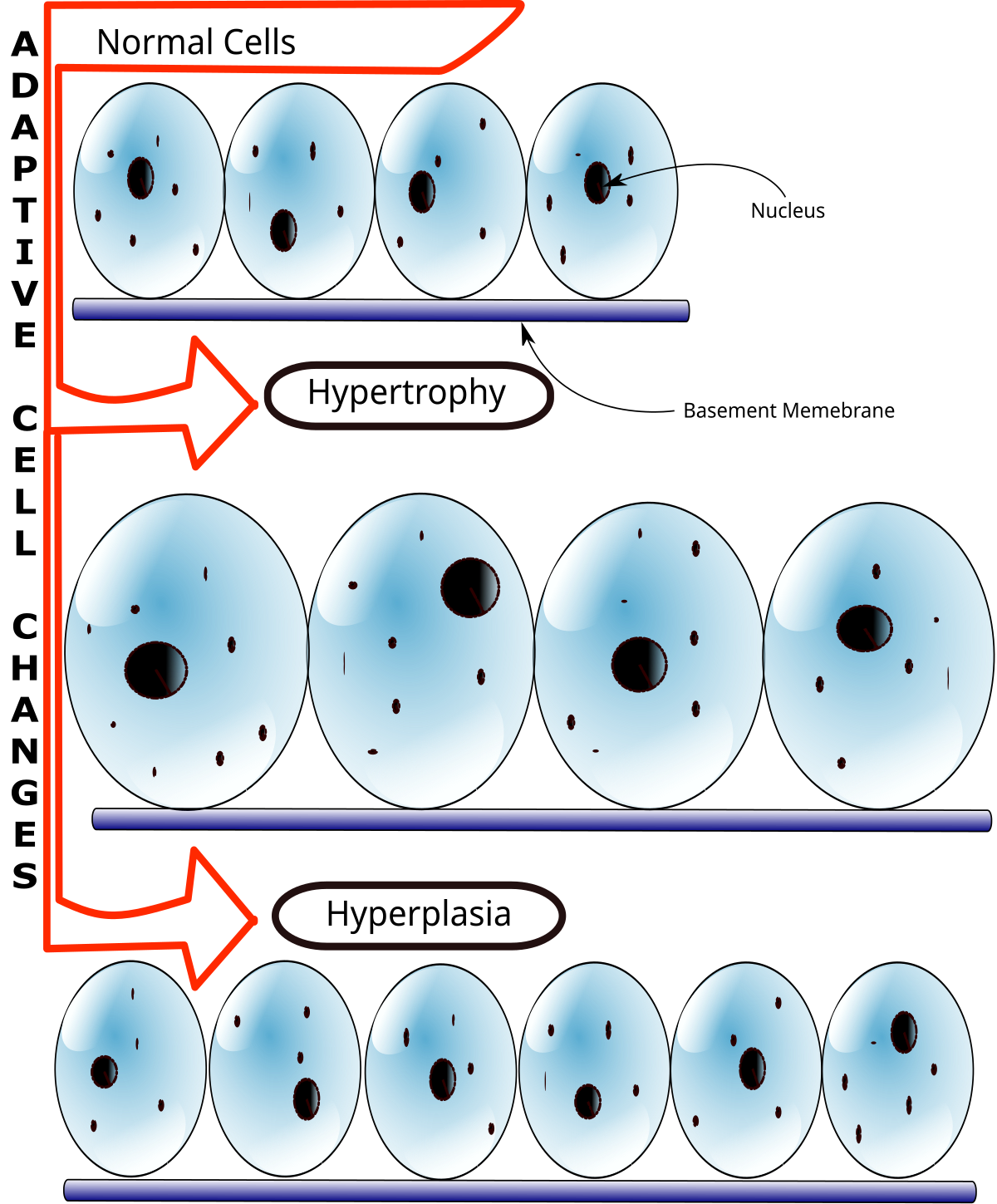
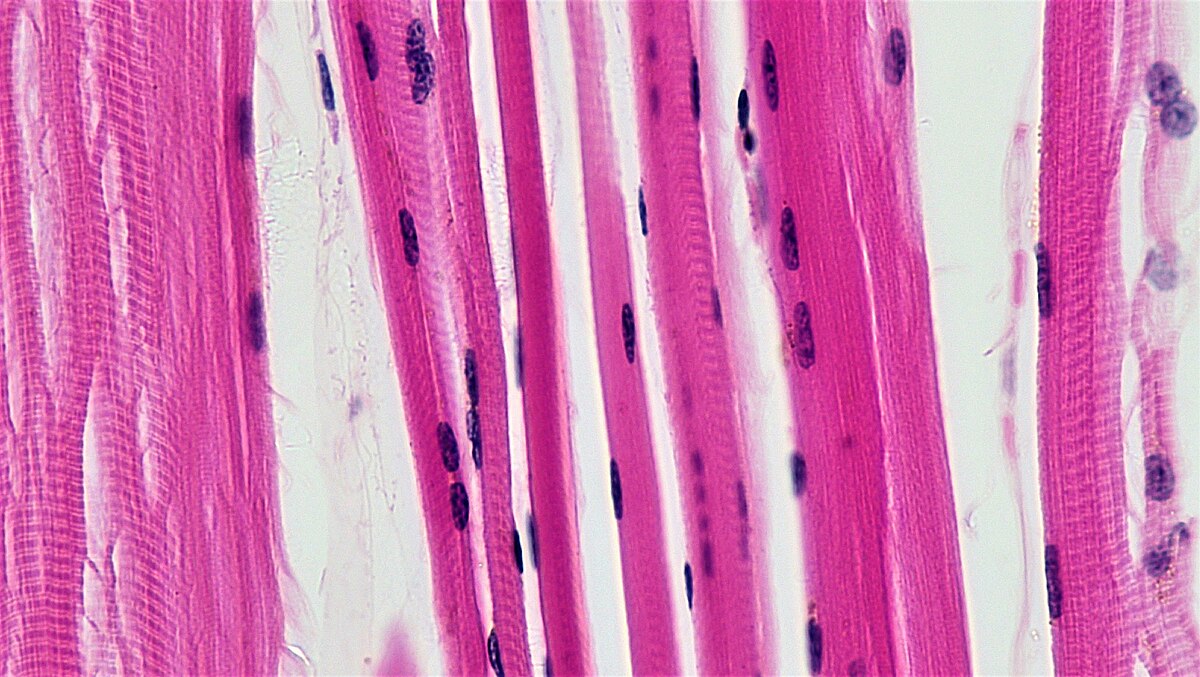
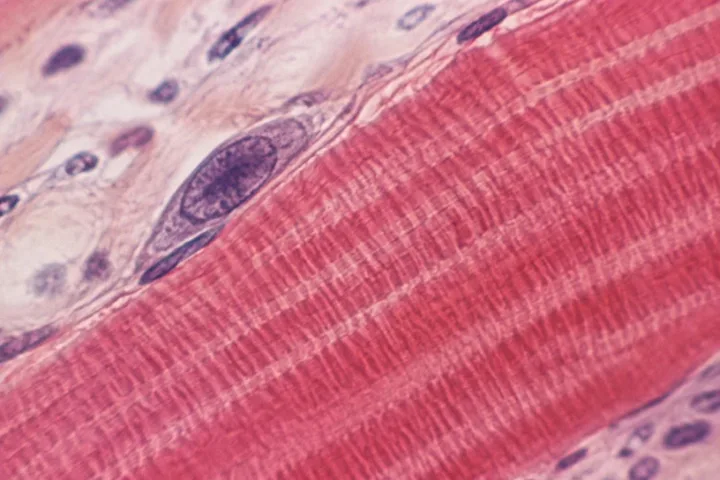
Growing a muscle means the muscle cells you already own get thicker. You do not grow new ones; the count you have as an adult barely moves. That thickening is muscle hypertrophy. A fiber thickens by laying down more of the protein filaments that do the pulling, packed in alongside the ones already there.
What decides whether it does that is mechanical tension: how hard the fiber gets pulled on, and for how long. The fiber responds to the size of that pull. Harder is a stronger signal to build, and a load it barely notices is not a signal at all.
What about the tearing
The story everyone has heard is that lifting tears the muscle and it heals back bigger. It is the most repeated line in any gym, and it did not survive testing. Beginners take the most muscle damage of anyone, in their first weeks, and gain the least then. Growth picks up later, as the damage stops happening.
Repair costs something too. Early on, much of the building a muscle does goes into putting itself back the way it was rather than making itself larger.
How much, and for how long
Tension is the signal, so a light weight still works, as long as the set runs close to the point where you cannot manage another rep. The last few reps are where the force is highest. For size, load barely matters once a set goes that far. Heavy sets of 8 and light sets of 25 built the same muscle over twelve weeks of training.
Strength is a different currency. For lifting the most weight once, heavy still wins, because that is a skill as much as it is a size. The signal also expires. One hard session raises the rate the muscle builds protein for a day or two, and then it drops back to where it was.
Growth is a schedule, not an event. Each session opens a window of a day or two, and the muscle only gets larger inside those windows.
How muscles grow larger
Adults do not grow new muscle cells to increase muscle size. Instead, existing fibers expand through two main components: myofibrillar hypertrophy, which increases the size of the contractile protein structures called myofibrils, and sarcoplasmic hypertrophy, which increases non-contractile elements like glycogen storage and sarcoplasmic fluid.
Mechanical tension is the accepted primary driver of this growth. When a muscle contracts against high resistance or works close to failure, mechanosensitive pathways activate mTOR signaling. This signaling increases muscle protein synthesis, leading to the creation of new contractile units called sarcomeres within the muscle cell.
Training methods that stimulate hypertrophy
Hypertrophy responds to short-duration, high-intensity anaerobic exercise rather than endurance training. Progressive overload, the practice of gradually increasing resistance or repetitions across sessions, maintains the required effort to stimulate growth.
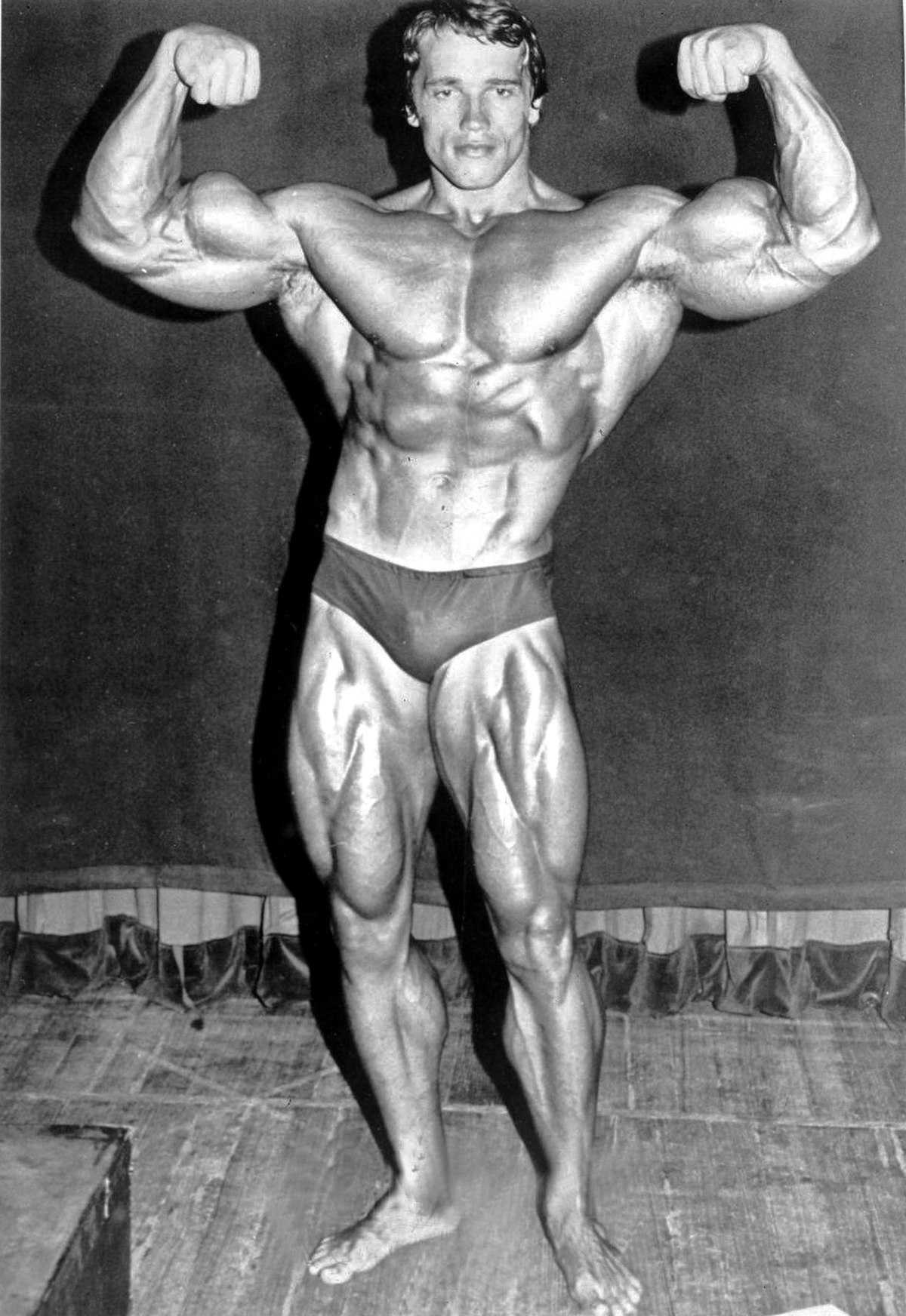
Strength training applies mechanical tension to muscle fibers, initiating the cellular pathways that build muscle tissue. Getmotivatedfitnes, CC BY-SA 4.0, via Wikimedia Commons
Blood flow restriction training uses cuffs or bands to partially restrict blood flow during low-load exercises. This method produces hypertrophy comparable to traditional heavy lifting by recruiting muscle fibers and creating tension at lower mechanical weights, making it useful for injured athletes and older adults.
Lifting also causes a temporary increase in size known as transient hypertrophy. This short-term swelling occurs during exercise as blood flow increases and metabolic byproducts like lactate and hydrogen ions draw water into muscle cells.
Hormones, genetics, and diet in muscle growth
Genetics account for a large portion of muscle variance: twin studies show that about 53% of lean body mass variance and 45% of muscle fiber proportion variance are heritable. Hormones also create major differences. Men have roughly 60% more muscle mass than women on average because testosterone acts as a primary growth hormone.
Testosterone serves as a key natural growth hormone that drives protein synthesis and muscle growth. NEUROtiker, Public domain, via Wikimedia Commons
Dietary intake supplies the raw building blocks for hypertrophy. Consuming more calories than burned supports tissue building, and protein intakes up to 1.6 grams per kilogram of body weight per day help maximize gains in strength and size. Carbohydrates replenish muscle glycogen, which supplies a large portion of the energy expended during high-intensity training.
Test yourself
What drives muscle hypertrophy according to mechanical tension?
Fibers thickening from added proteins. Muscle hypertrophy happens because existing cells get thicker by adding protein filaments, not by multiplying the total number of cells.
How does muscle hypertrophy respond to light loads versus heavy loads during training?
Equal growth occurs if sets are hard. Load barely matters for size as long as sets approach failure, because high effort near the end generates the necessary tension signal.
A rehab patient can only lift very light weights, but takes every set to failure. Do they build muscle?
Yes, nearly as much as heavy training gives. The reps just before failure are near-maximal effort at any weight. A light load changes how many reps it takes to arrive there, not what the muscle experiences once it does.
Play the lesson in edgi and the card is yours. It lands on your Map next to the ideas it connects to, and turns from matte to foil to gold as you learn more around it.
Why does initial strength training increase strength without immediate muscle growth?
Early strength gains come primarily from neural adaptations rather than muscle growth. The nervous system improves motor unit recruitment, synchronization, and firing efficiency before measurable hypertrophy takes over.
Why does aerobic endurance exercise fail to build large muscles?
Low-intensity aerobic training triggers different adaptations in the body. Instead of expanding fiber diameter, endurance training increases blood vessel formation (neovascularization) and enhances fat and carbohydrate storage within the muscle cells.
What are the health risks of using synthetic testosterone for muscle growth?
Taking anabolic steroids suppresses natural hormone production and can cause dependence. It can also lead to medical complications including testicular atrophy, cardiac arrest, and breast tissue development in men (gynecomastia).