Muscle SorenessWhy lowering weight hurts more than lifting
Muscle soreness, known as delayed onset muscle soreness or DOMS, is the dull ache and stiffness that develops after unaccustomed or strenuous exercise. It is triggered by eccentric contractions, where muscles lengthen under load, rather than concentric movements that shorten them. The ache does not stem from lactic acid build-up, but from microtrauma and heightened nerve sensitivity in the muscle and its connective tissue.
By the edgi team We find the most surprising true thing about an idea and build a 60-second lesson around it.
Soreness from a hard session shows up late. It builds overnight, peaks a day or two after, and clears within about a week. That delay is a problem for the explanation most people were handed, which is that lactic acid pools in the muscle and sits there.
Lactate is back to resting levels within about an hour of stopping, long before the ache begins. It is also a fuel your muscles burn, not a waste product.
Lengthening, not tearing
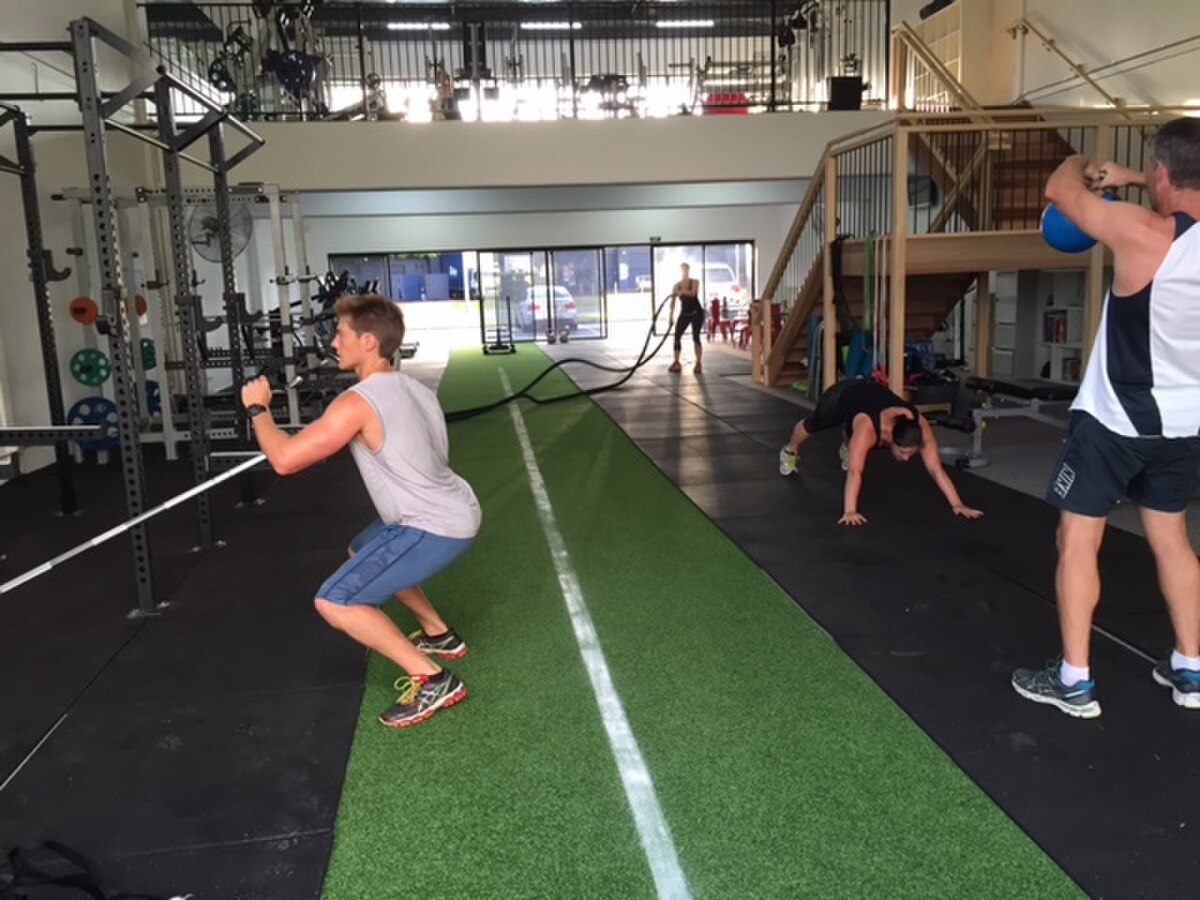
This late soreness has a name of its own, delayed onset muscle soreness, and one trigger: the lowering half. Walking downhill, running down stairs, easing a weight back to the floor. In all of those the muscle is holding on while something pulls it longer. Do the same work in the other direction, uphill, and you barely get sore at all.
The obvious guess is that being stretched under load tears the tissue. But rats put through exactly that develop the soreness with no visible damage to the muscle and no inflammation. What changes is the nerve endings. Over the following day the muscle starts producing nerve growth factor, and the pain fibers running through it become far more sensitive to pressure.
The tissue is largely intact and the reporting has been turned up. That is why a sore muscle screams when you press or stretch it and feels like nothing while you sit still.
What it actually measures
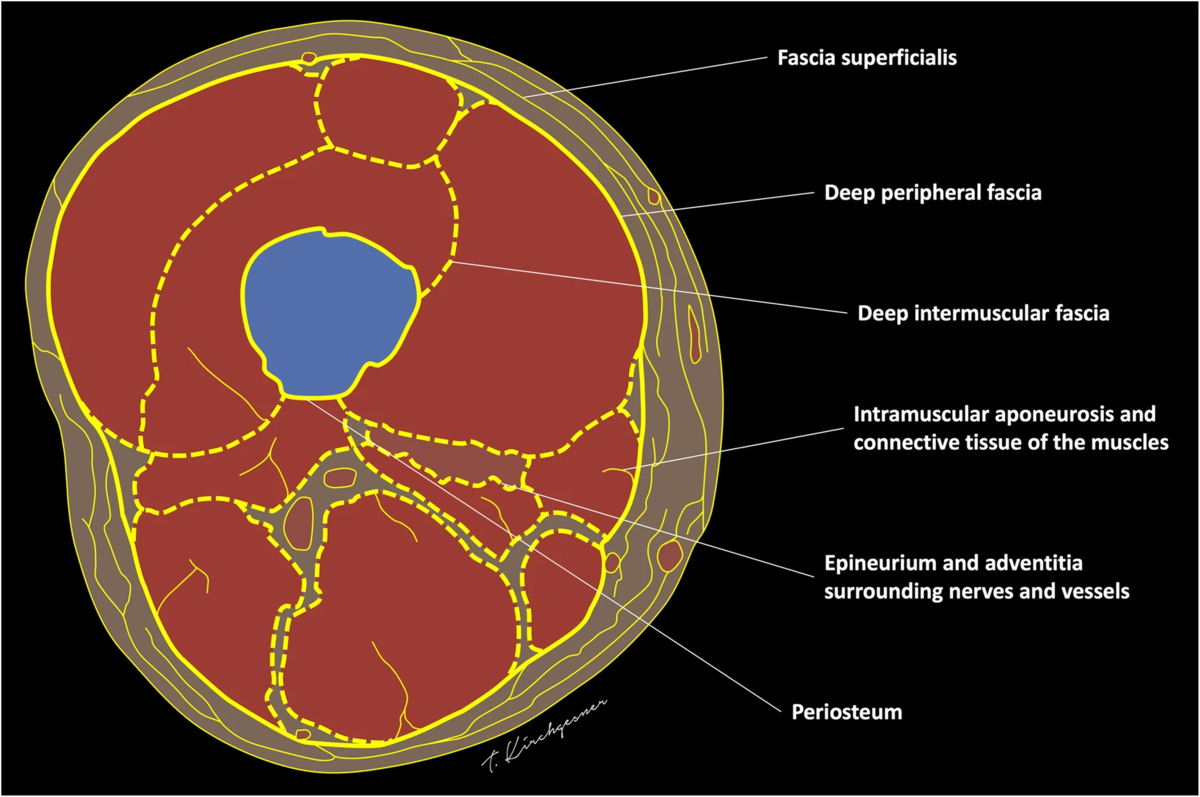
Some of the soreness is not in the muscle. Irritate a sore leg and the fascia, the sheet wrapped around it, reports about 40 percent more pain than an unsore leg; the muscle reports no more than usual. Do that same session again a few weeks later and the soreness comes back at a fraction of the size. The protection is specific to that movement and lasts for weeks.
So soreness measures unfamiliarity. A new movement at half your usual weight will leave you sorer than a familiar one at your limit.
What causes the delayed ache
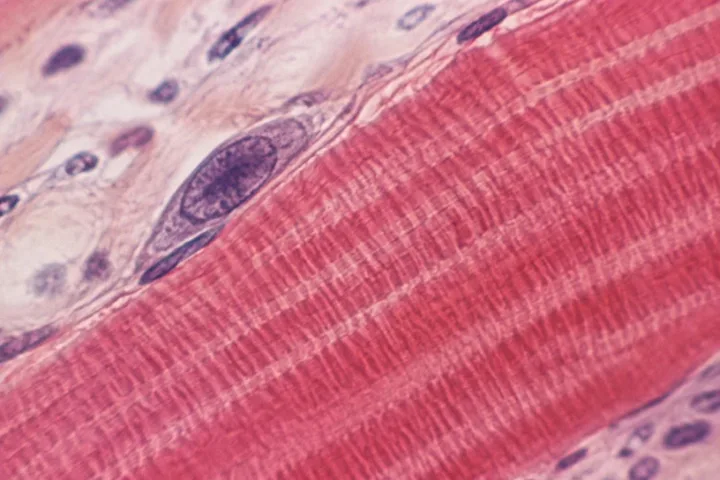
Lifting a weight rarely makes you sore, but lowering it does. Concentric exercise, where the muscle shortens, causes no delayed soreness at all, while eccentric exercise forces the muscle to lengthen while under tension. This stretching can disrupt actin and myosin cross-bridges before they relax, placing heavy mechanical stress on the remaining motor units and causing microscopic lesions at the Z-line of the muscle sarcomere.
This microtrauma leads to an accumulation of calcium in the muscle fibers, which can activate proteases that break down muscle proteins and trigger inflammation. Nociceptors, which are specialized pain receptors located in the surrounding connective tissues, become stimulated. This produces tenderness to touch and stretch, even while the resting muscle feels completely fine.
The repeated-bout effect
A single bout of eccentric exercise creates an adaptation called the repeated-bout effect. After you recover, repeating the exact same movement weeks later results in significantly less pain, less swelling, and a faster return of strength.
This protective shield lasts for several weeks before gradually fading over a year. The first session does not even need to be heavy: an initial workout at just 40 percent of maximal strength confers a 20 to 60 percent reduction in muscle damage from a later maximal effort.
Test yourself
What role does lactic acid play in delayed onset muscle soreness?
It clears out long before soreness starts.. Lactate returns to resting levels within an hour of exercise, making it an unlikely cause for soreness that peaks days later.
Which type of muscular exertion primarily triggers delayed onset muscle soreness?
Lengthening under a heavy load. Eccentric contractions, where muscles lengthen while holding a load, trigger the nerve sensitivity changes that cause late soreness.
What causes muscle soreness 48 hours after a heavy workout?
Inflammatory swelling around micro-tears. Lactic acid clears within an hour of exercise. The delayed ache comes from fluid and immune cells rushing in to repair tiny tears in the muscle fibers.
Play the lesson in edgi and the card is yours. It lands on your Map next to the ideas it connects to, and turns from matte to foil to gold as you learn more around it.
Does muscle soreness mean my muscle is still damaged?
The severity of the soreness does not directly match the amount of tissue damage. Soreness, swelling, and loss of strength develop on independent timelines, meaning your muscles can feel quite sore even after structural recovery is well underway.
Should I avoid exercising when my muscles are sore?
Light shortening movements can temporarily relieve the ache without harming recovery. Performing another eccentric workout during peak soreness will not worsen muscle damage, though repeating a hard session within a week can temporarily decrease muscle function.