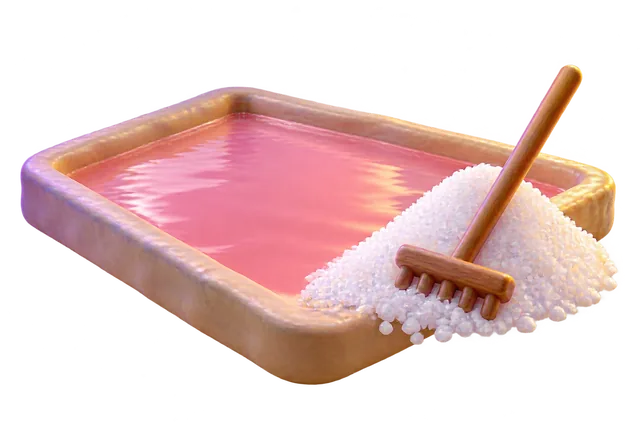
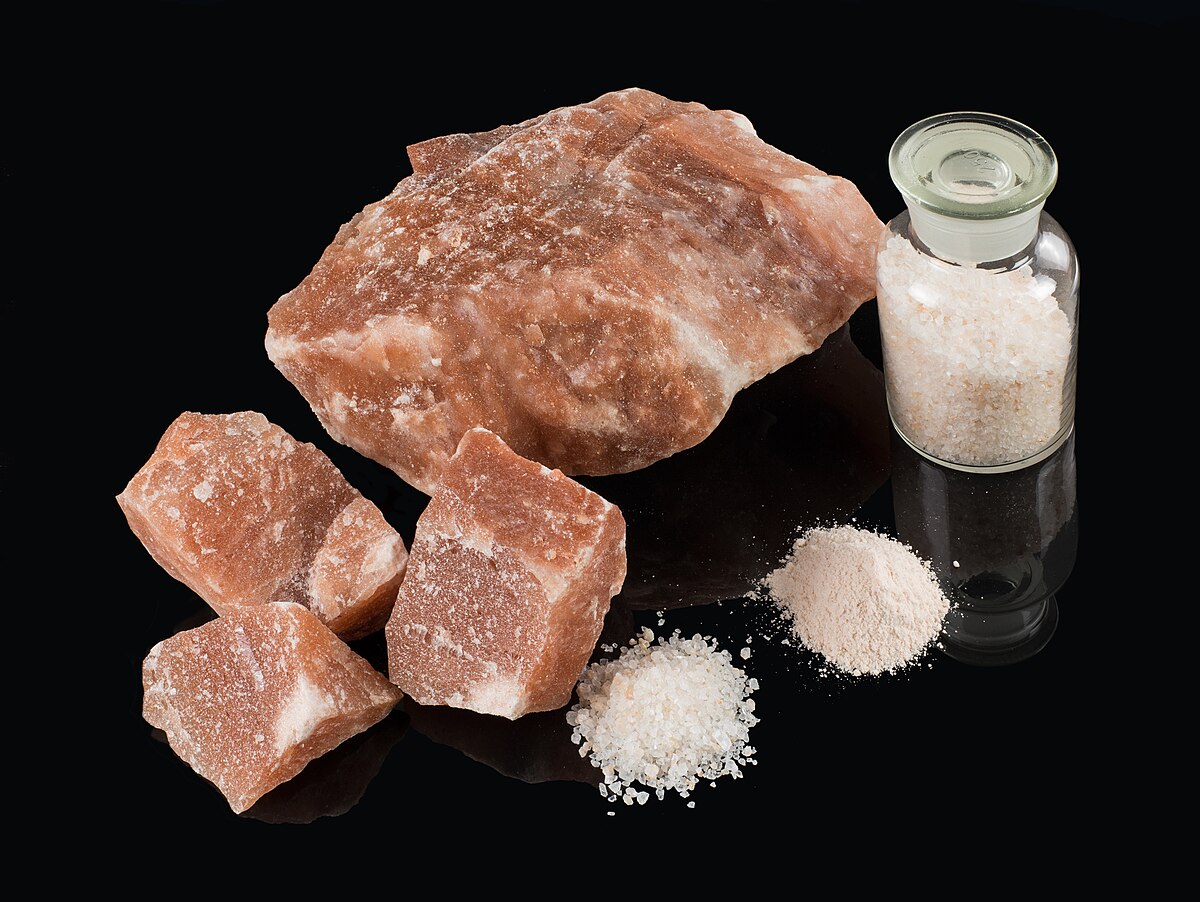
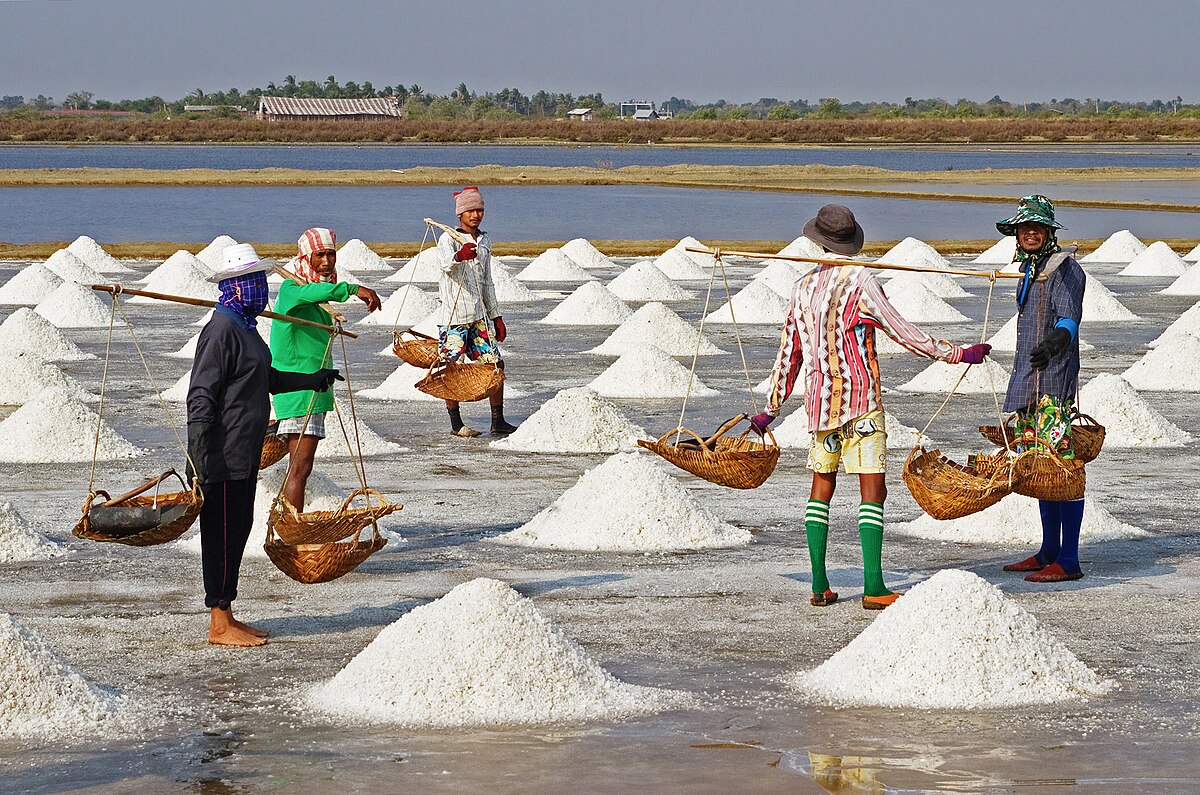
Sea salt is salt produced directly by evaporating seawater, either through open-air solar pans or fueled heat. Unlike heavily processed table salt, it retains varying amounts of other marine minerals such as magnesium, calcium, and potassium. These residual minerals and coarse crystal textures give sea salt distinct flavors and colors tied to specific coastal environments.
By the edgi team We find the most surprising true thing about an idea and build a 60-second lesson around it.
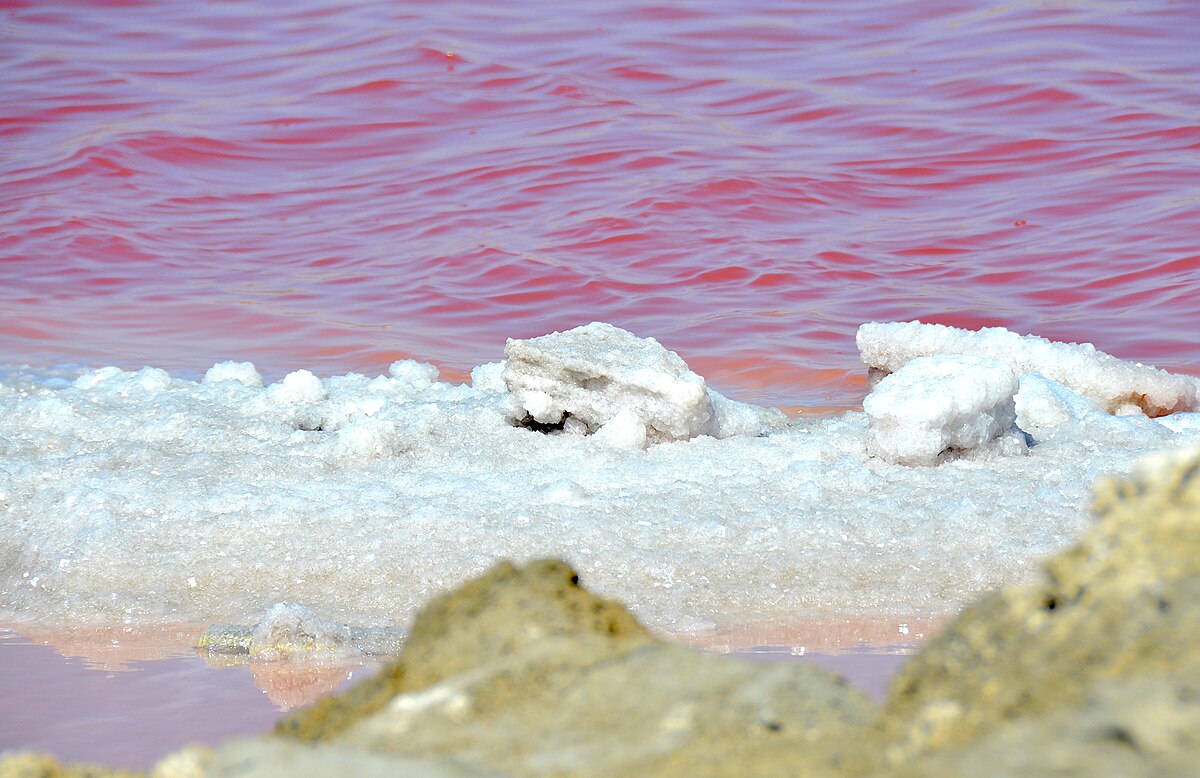
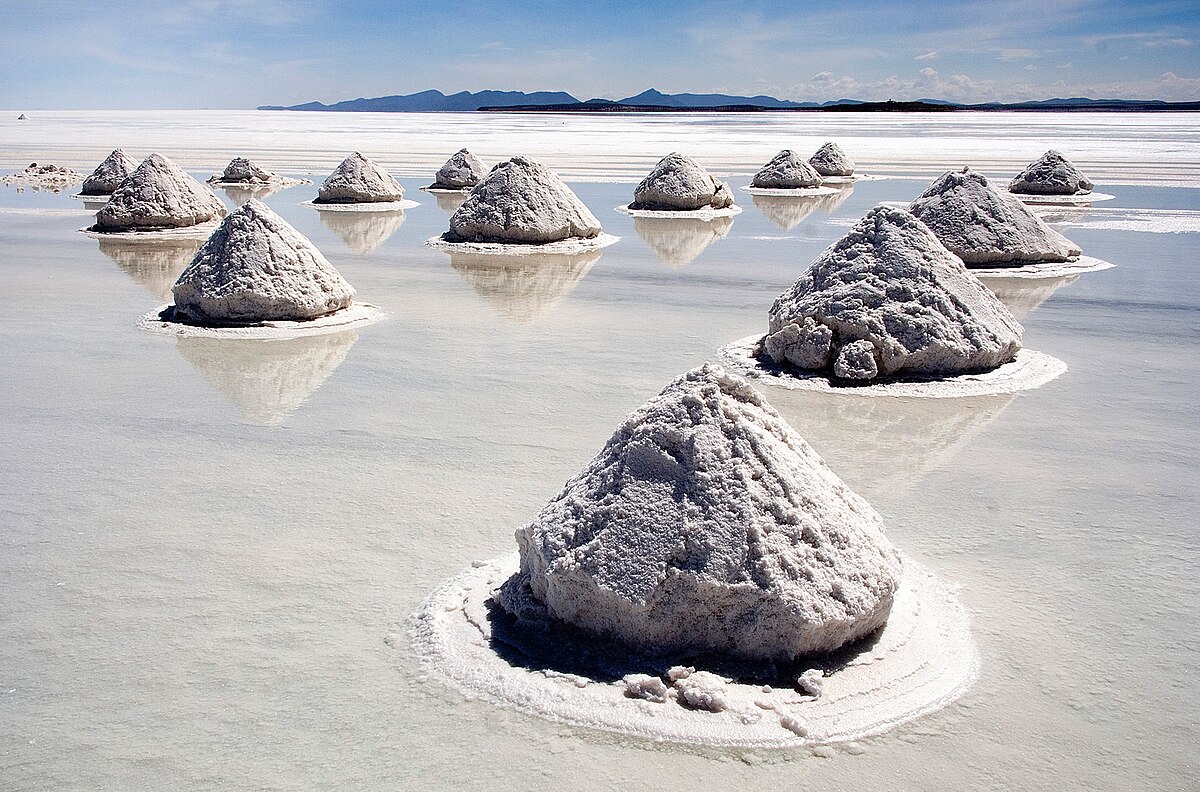
Most salt is mined from underground deposits, but sea salt is born from the ocean. Shallow pools trap seawater, where the sun and wind slowly evaporate the liquid.
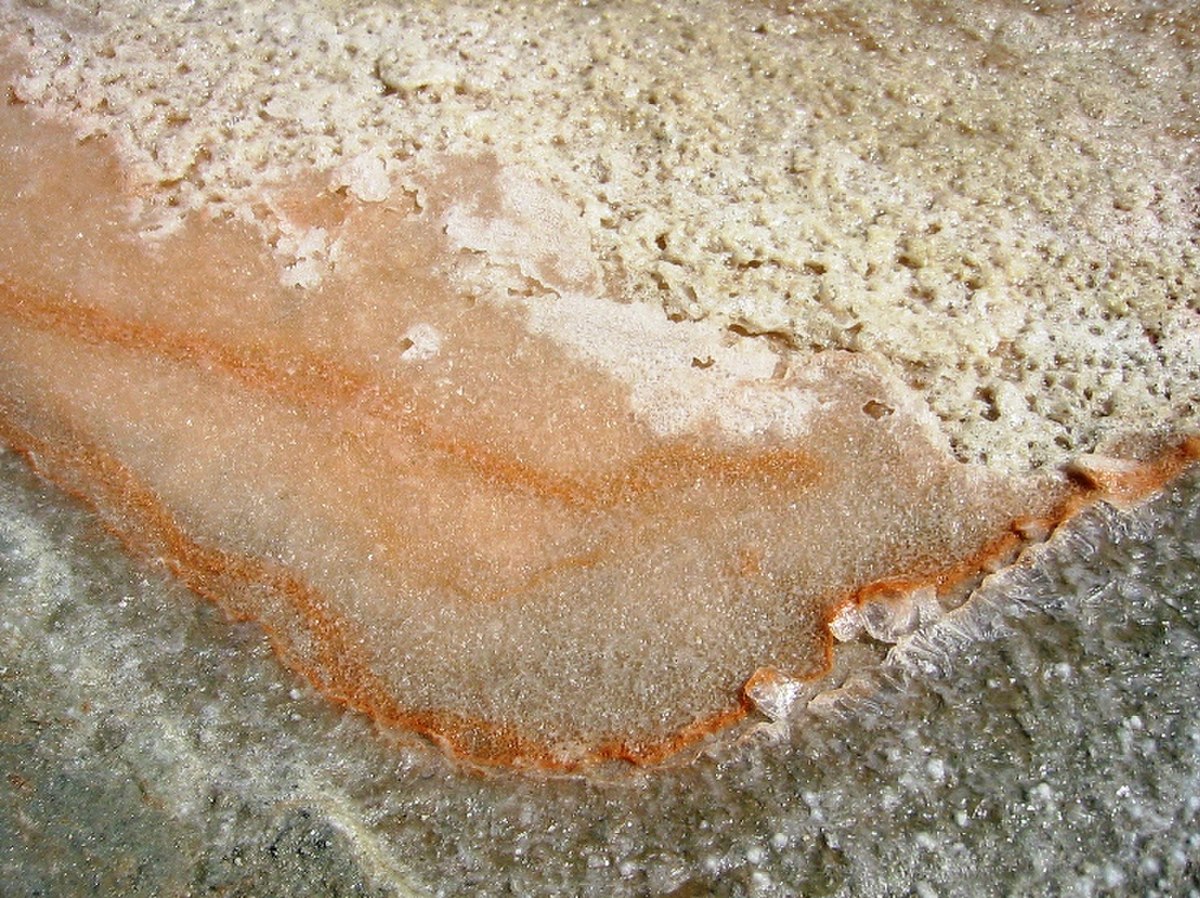
Photograph of a sea salt evaporation pond at Walvis Bay, showing a vibrant pink body of water with white salt crystals forming along the edge. Olga Ernst, CC BY-SA 4.0, via Wikimedia Commons
What remains is a crust of sodium chloride mixed with trace minerals like magnesium, calcium, and potassium.
The flower of salt
In 17th-century France, harvesters noticed a paper-thin crust forming on the calmest days. It wasn't the heavy salt sinking to the bottom, but a delicate film floating on the surface.
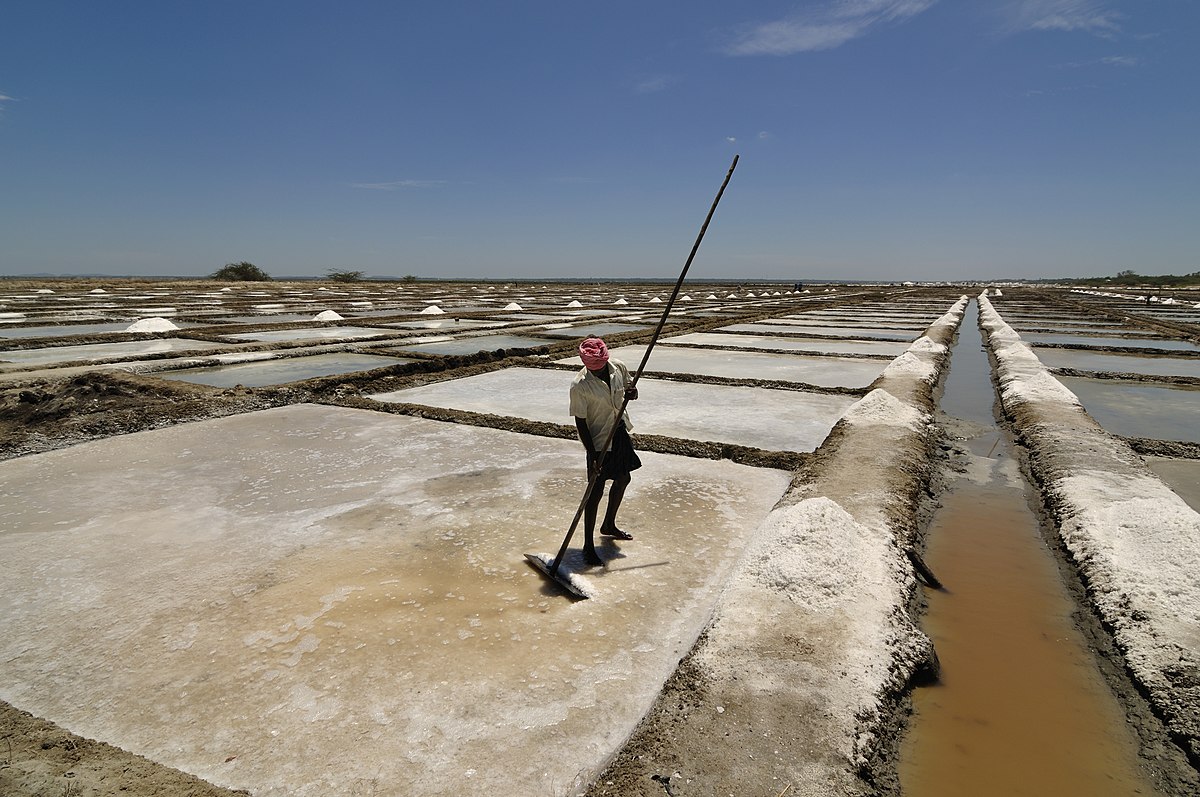
A person is working in a large salt evaporation pond in Marakkanam, Tamil Nadu, India, using a long tool to rake salt. Dey.sandip, CC BY 3.0, via Wikimedia Commons
They called it Fleur de sel, or 'flower of salt.' Because these crystals never touch the clay floor of the salt pan, they remain snow-white and exceptionally pure.
A coastal signature
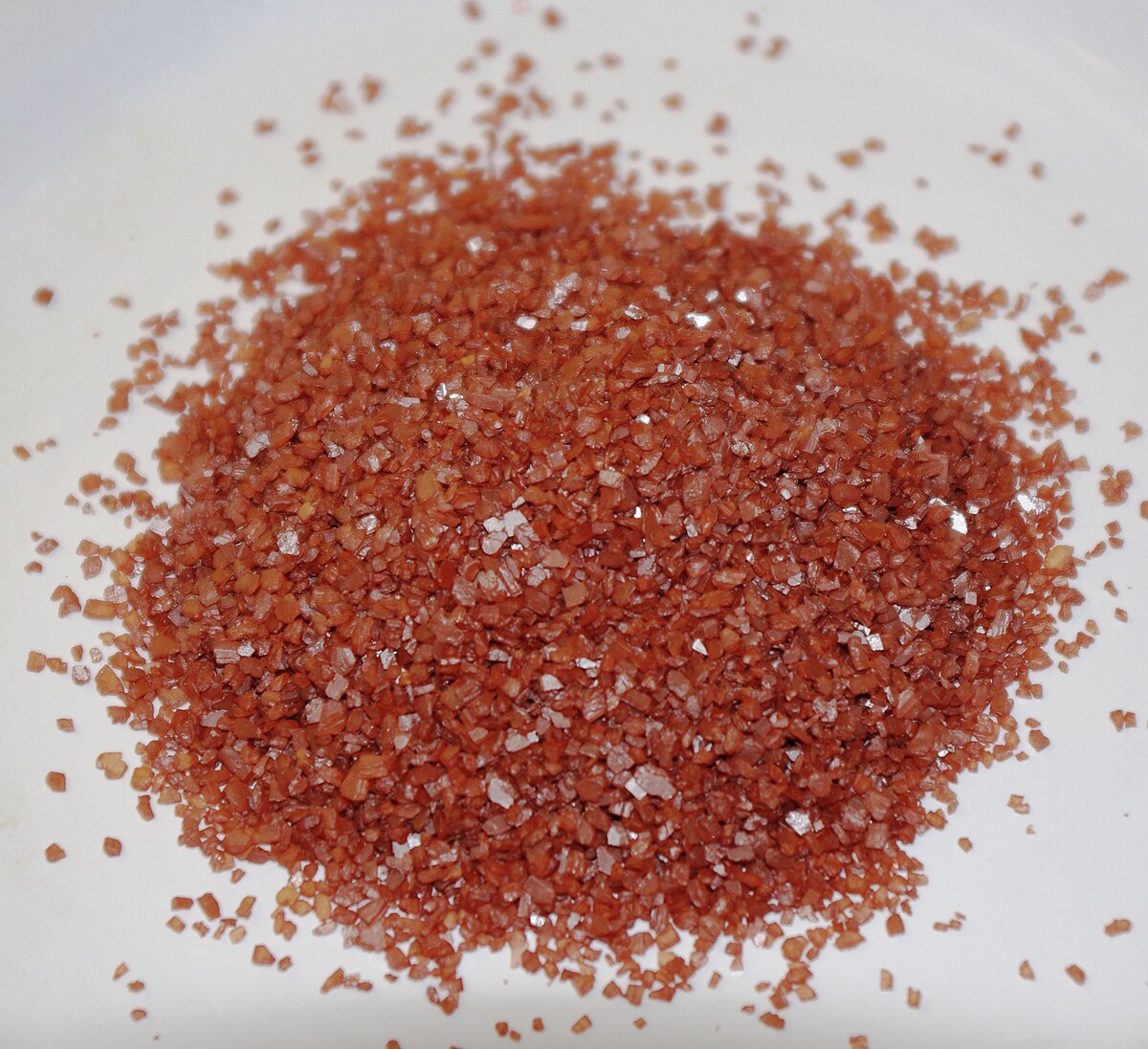
That mineral makeup is why sea salt tastes 'briny' rather than just salty. From Alaea Hawaiian Sea Salt tinted by volcanic clay to French crystals, every pinch carries the chemistry of its specific coastline.
A close-up shot of a pile of reddish-brown alaea salt crystals on a white surface, showing individual grains with a slightly reflective quality. Glane23, CC BY-SA 3.0, via Wikimedia Commons
It is a flavor profile that table salt, which is refined and stripped of those minerals, simply cannot replicate.
How is sea salt harvested?
Producers harvest sea salt by trapping ocean water in shallow coastal ponds called salt works, or salterns, allowing wind and sun to evaporate the liquid into a dense brine. In warm, dry regions like the Mediterranean, solar energy handles the entire process. In historical areas with less reliable sunshine, such as Roman Britain, workers used peat fires to boil down the concentrated brine in clay pans set on small clay pillars.
Fleur de sel crystals form a delicate, snow-white crust on the surface of evaporation pans before sinking. Fleur de Sel sea salt. Ile de Re 2005, personal photograph., CC BY-SA 3.0, via Wikimedia Commons
Traditional methods also survive across regional cultures. In the Visayas Islands of the Philippines, harvesters make artisanal salts like asín tibuok by soaking coconut husks or driftwood in seawater for months, burning them, filtering raw brine through the ashes, and boiling down the liquid. In historical French salt pans, harvesters collected fleur de sel, a delicate crust of crystals that floats to the surface on calm days before sinking to the clay floor.
Why does sea salt vary in color and taste?
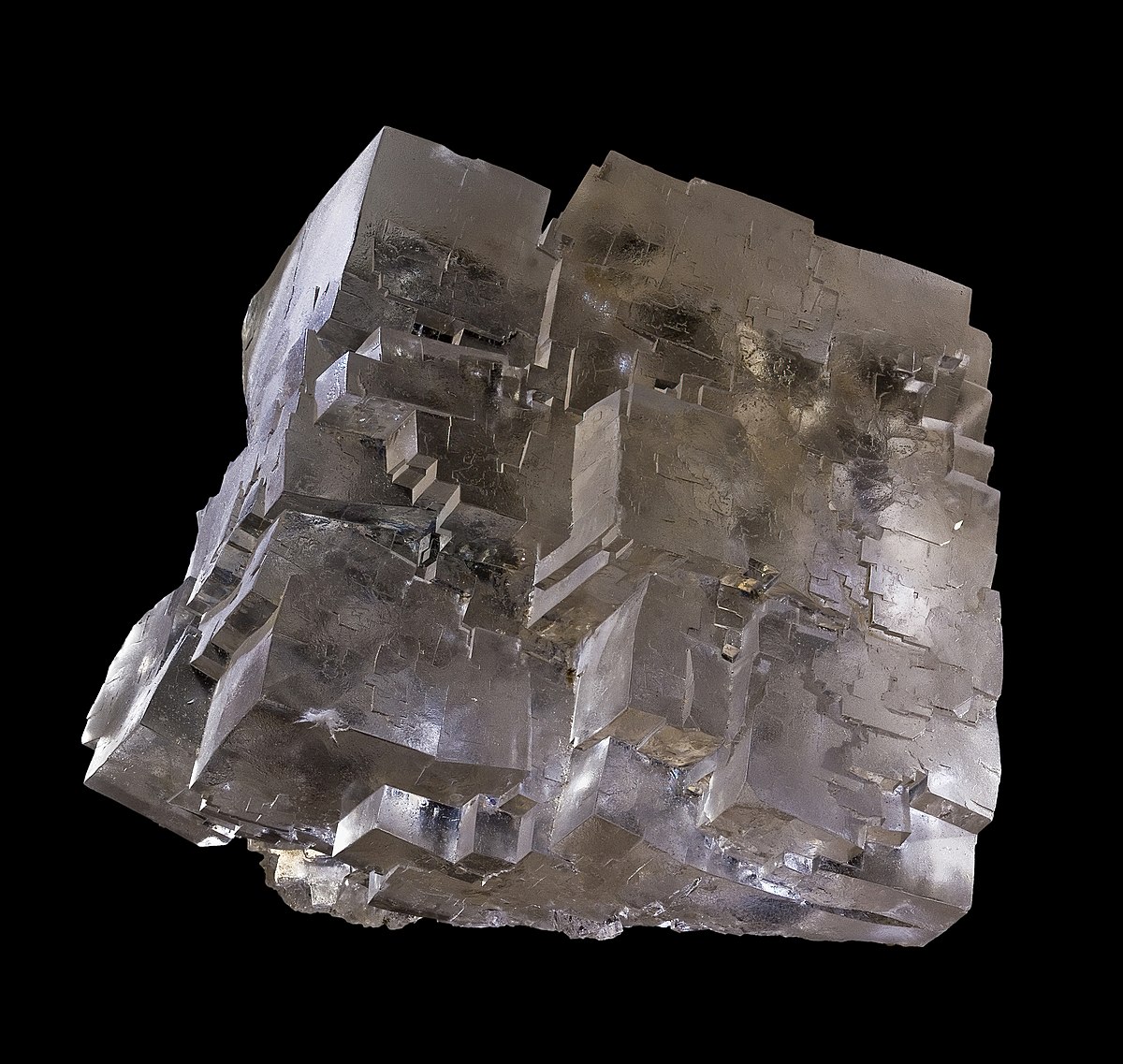
Although sea salt is primarily sodium chloride, between 0.2 and 22 percent of its weight can consist of other salts, including calcium, potassium, and magnesium sulfates and chlorides. These minor components, along with local clays and algae, modify the salt's taste and tint.
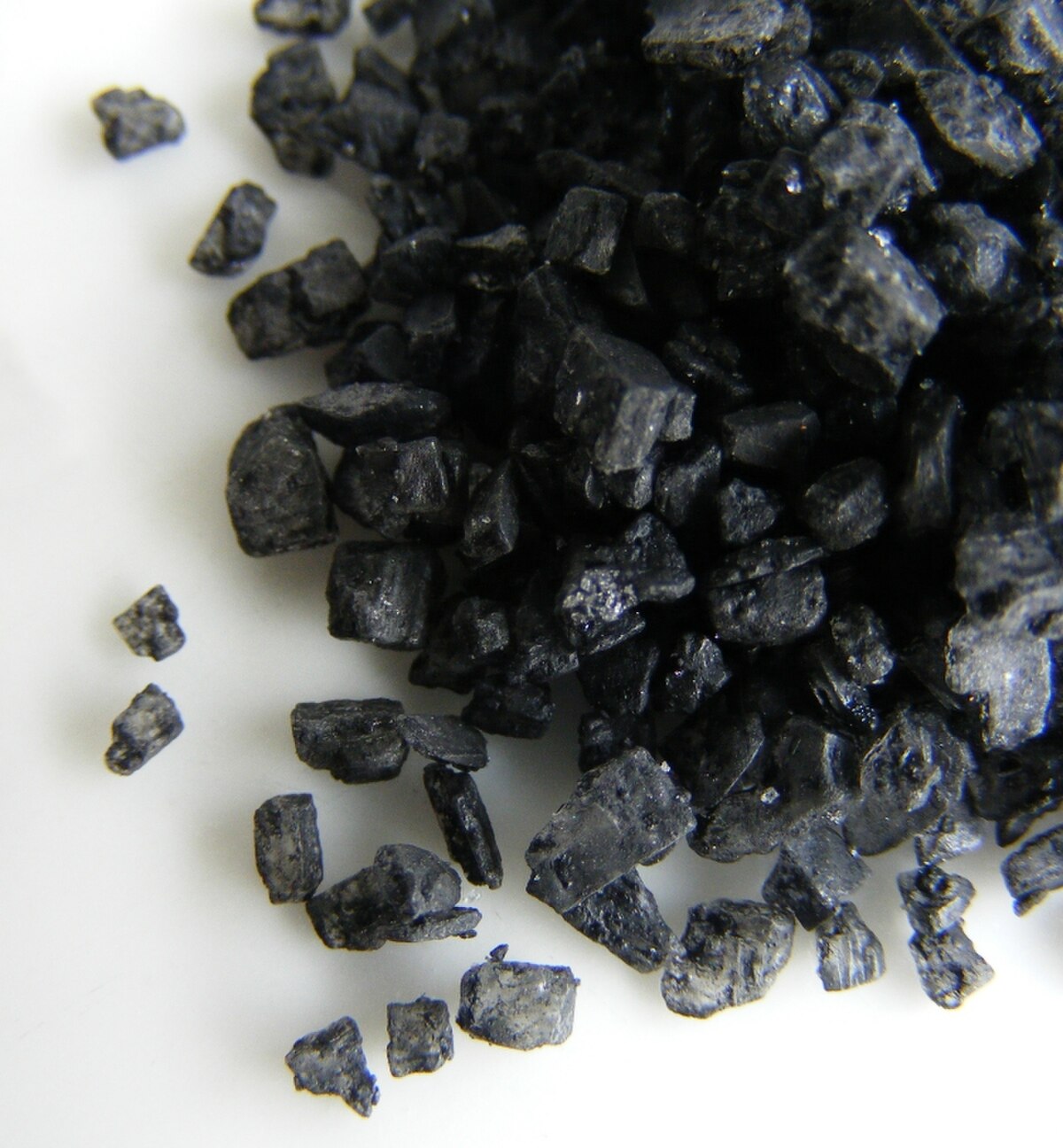
Black lava salt gets its dark color from blending sea salt crystals with activated charcoal. FotoosVanRobin, CC BY-SA 2.0, via Wikimedia Commons
Specific varieties showcase these environmental additions. Hawaiian salts incorporate baked red volcanic clay or activated charcoal, while certain French and Korean salts appear pinkish gray. Because these crystals often remain coarser than refined table salt, their slower rate of dissolution in the mouth alters the perceived flavor.
Test yourself
How does sea salt form in salt pans?
Sun and wind evaporate trapped seawater. Evaporation leaves salt crystals and trace minerals behind; filtering seawater through rock is not the process described.
Why can sea salt taste more briny than refined table salt?
It retains trace minerals from its seawater. Sea salt can retain minerals such as magnesium and calcium, adding flavor. Refined table salt is stripped of those minerals.
Why can sea salt taste more briny than refined table salt?
It retains trace minerals from its seawater. Sea salt can retain minerals such as magnesium and calcium, adding flavor. Refined table salt is stripped of those minerals.
Play the lesson in edgi and the card is yours. It lands on your Map next to the ideas it connects to, and turns from matte to foil to gold as you learn more around it.
Is sea salt nutritionally healthier than table salt?
No, both sea salt and table salt have roughly the same nutritional value because both consist mostly of sodium chloride. Table salt is more heavily processed to remove trace minerals and often contains anti-caking agents, while sea salt provides only minimal amounts of iodine.
What is Korean bamboo salt?
Korean bamboo salt, or jugyeom, is made by packing salt into bamboo stems sealed with mud and roasting it at temperatures between 800 and 2000 degrees Celsius. The resulting product absorbs minerals from the mud and bamboo.
Can sea salt contain microplastics or fungi?
Yes, scientific studies have detected microplastic particles in sea salt samples from China, the United States, and Europe. Researchers have also identified food-spoilage fungi in sea salt.