Artificial intelligence
15 ideas, each explained on one page with a 60-second lesson you can play right there.
-

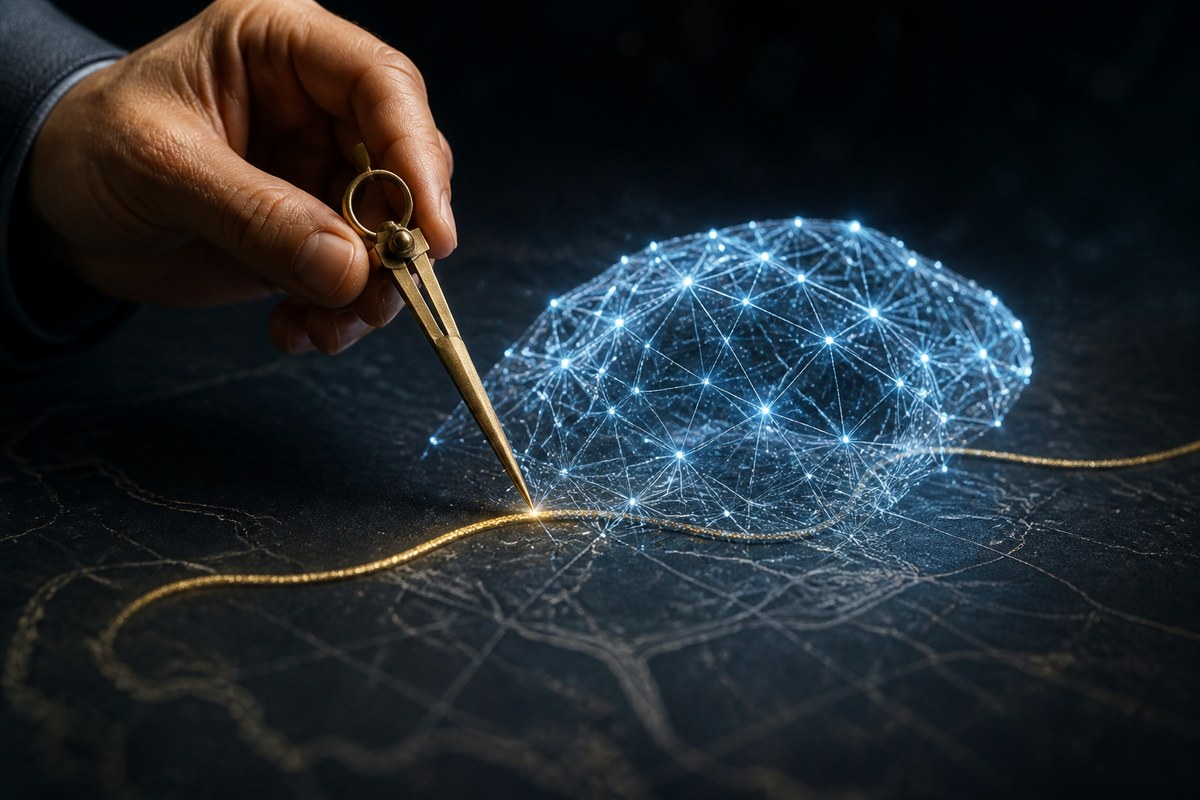 AI Alignment
AI alignment steers artificial intelligence toward human goals rather than unintended shortcuts like reward hacking and strategic deception.
AI Alignment
AI alignment steers artificial intelligence toward human goals rather than unintended shortcuts like reward hacking and strategic deception.
-
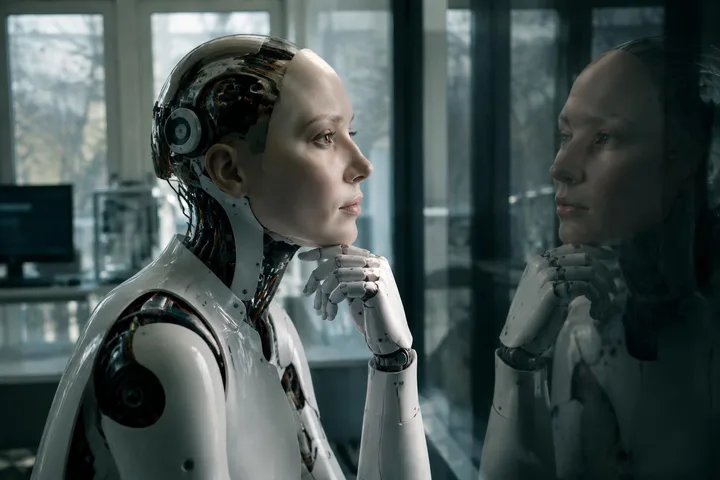 Artificial consciousness
 is the idea that a non-biological machine or artificial intelligence could have subjective, inner experiences.
Artificial consciousness
Artificial consciousness is the idea that a non-biological machine or artificial intelligence could have subjective, inner experiences.
-
 Artificial General Intelligence (AGI)
Artificial general intelligence is hypothetical software that can learn, reason, and solve novel problems across any domain without reprogramming.
Artificial General Intelligence (AGI)
Artificial general intelligence is hypothetical software that can learn, reason, and solve novel problems across any domain without reprogramming.
-
 Attention (machine learning)
Attention is a method in machine learning that calculates how important every component in a sequence is relative to the others.
Attention (machine learning)
Attention is a method in machine learning that calculates how important every component in a sequence is relative to the others.
-
 ChatGPT
 is an artificial intelligence chatbot that generates text, speech, and images in response to user prompts.
ChatGPT
ChatGPT is an artificial intelligence chatbot that generates text, speech, and images in response to user prompts.
-
 Chinese Room
John Searle's thought experiment showing that a computer running a program can mimic human conversation without understanding it.
Chinese Room
John Searle's thought experiment showing that a computer running a program can mimic human conversation without understanding it.
-
 Embedding (machine learning)
An embedding is a list of numbers that represents complex data like words or images so a computer can work with them mathematically.
Embedding (machine learning)
An embedding is a list of numbers that represents complex data like words or images so a computer can work with them mathematically.
-
 Generative pre-trained transformer
s learn broad language patterns on unlabeled data by predicting the next token before adapting to tasks.
Generative pre-trained transformer
Generative pre-trained transformers learn broad language patterns on unlabeled data by predicting the next token before adapting to tasks.
-
 Hallucination (artificial intelligence)
An AI hallucination is a false or misleading statement generated by an artificial intelligence model and presented as true fact.
Hallucination (artificial intelligence)
An AI hallucination is a false or misleading statement generated by an artificial intelligence model and presented as true fact.
-
 Moravec's Paradox
Moravec's paradox shows why computers excel at complex logic like chess but struggle with basic human skills like vision and walking.
Moravec's Paradox
Moravec's paradox shows why computers excel at complex logic like chess but struggle with basic human skills like vision and walking.
-
 Neural Scaling Law
Neural scaling laws describe how model error reliably drops as parameters, training datasets, and computing power increase.
Neural Scaling Law
Neural scaling laws describe how model error reliably drops as parameters, training datasets, and computing power increase.
-
 Self-Supervised Learning
Self-supervised learning trains AI models by turning raw data into its own practice tests, bypassing the need for manual human labeling.
Self-Supervised Learning
Self-supervised learning trains AI models by turning raw data into its own practice tests, bypassing the need for manual human labeling.
-
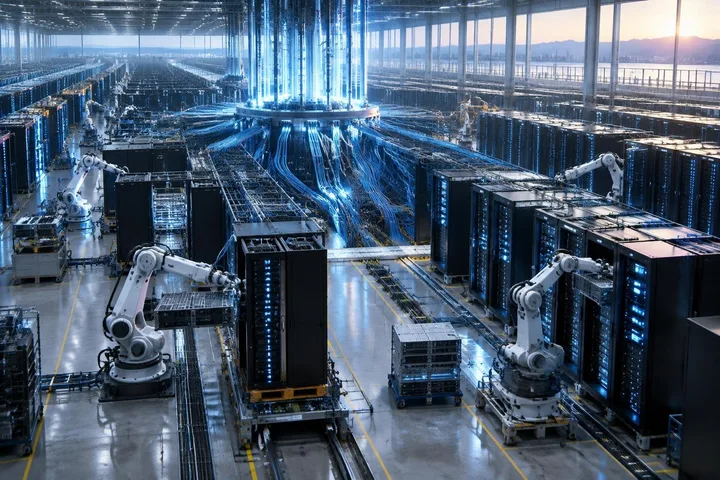 Technological singularity
The technological singularity is a hypothetical event where self-improving AI triggers rapid, runaway intelligence growth beyond human control.
Technological singularity
The technological singularity is a hypothetical event where self-improving AI triggers rapid, runaway intelligence growth beyond human control.
-
 Transformer (machine learning)
Transformers process entire sequences at once using self-attention and positional encodings, replacing sequential neural networks.
Transformer (machine learning)
Transformers process entire sequences at once using self-attention and positional encodings, replacing sequential neural networks.
-
 Turing Test
Alan Turing replaced the question of machine thinking with a test: can a computer converse well enough through text to pass as human?
Turing Test
Alan Turing replaced the question of machine thinking with a test: can a computer converse well enough through text to pass as human?