Basal gangliaThe brain engine that automates habits
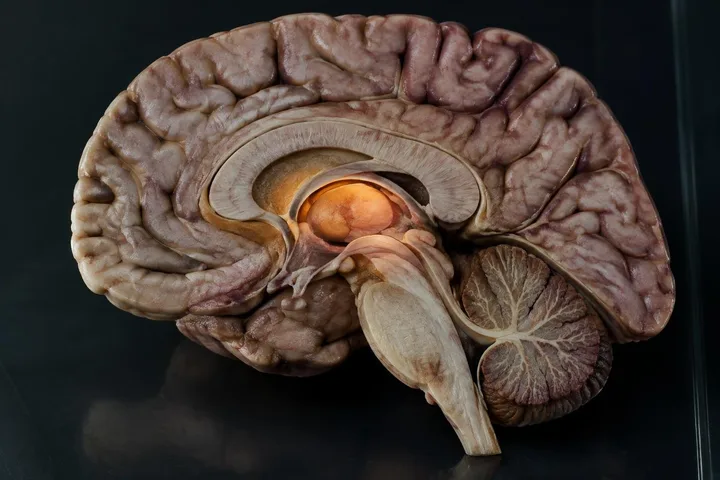
The basal ganglia are a group of interconnected structures deep beneath the cerebral cortex. Instead of creating movements directly, they filter and select which actions to execute while suppressing competing ones. Over time, they compress repeated sequences of behavior into automatic habits that run from start to finish.
By the edgi team We find the most surprising true thing about an idea and build a 60-second lesson around it.
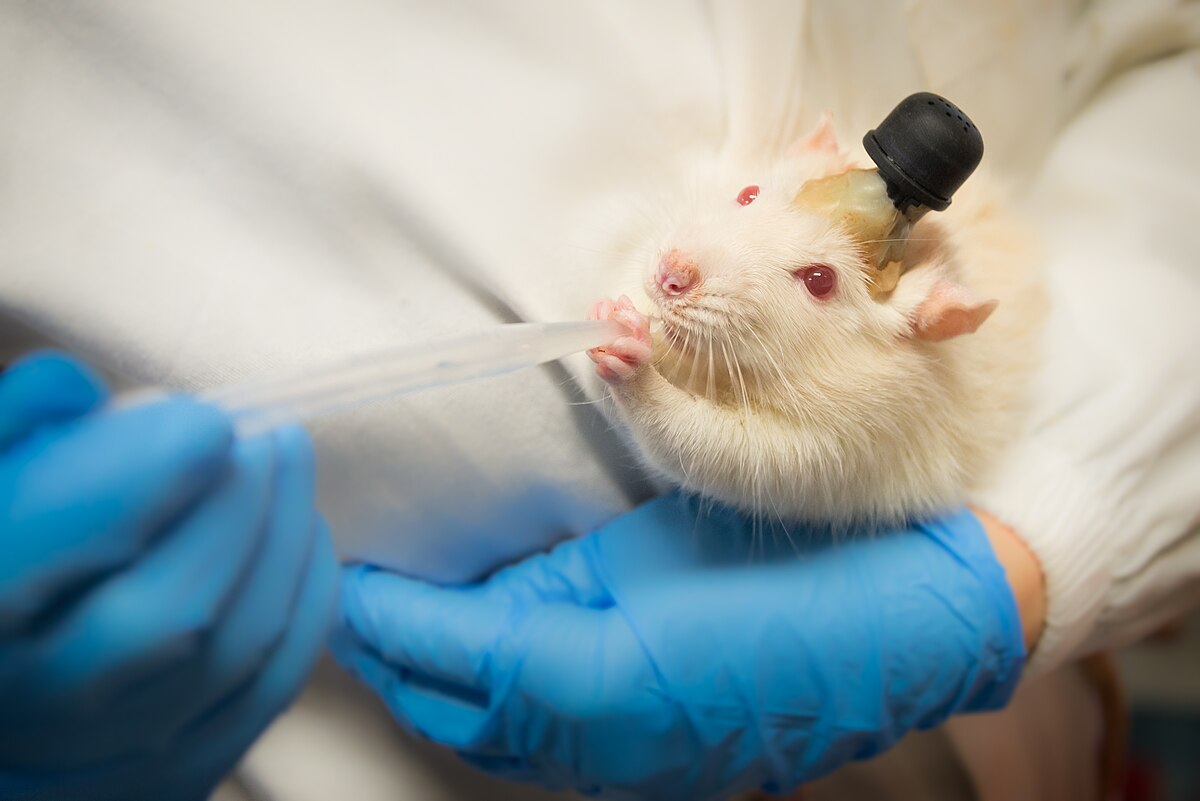
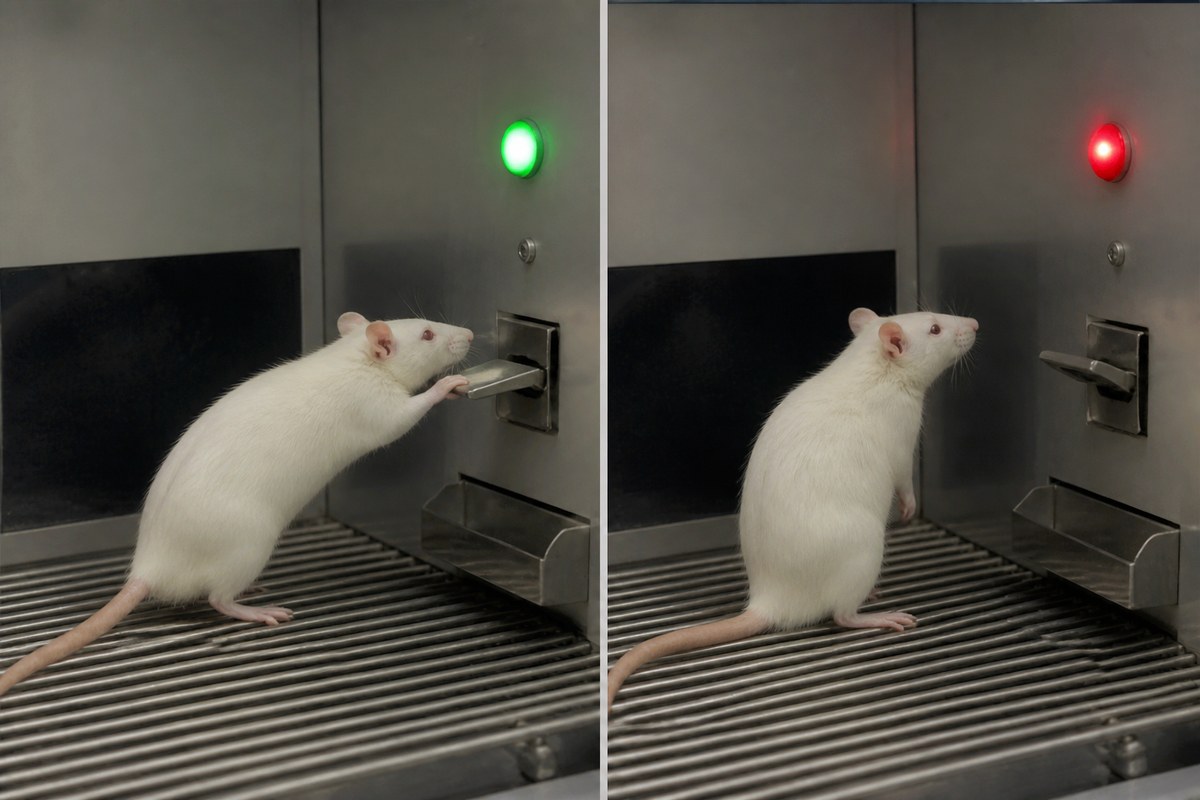
In 1999 Ann Graybiel's lab at MIT lowered fine wire electrodes into the striatum of rats. The striatum is the input stage of the basal ganglia, a group of structures sitting under the cortex. The rats ran a T-maze. A tone at the start told them which way to turn at the junction, and a correct turn earned a reward. They ran it over and over, for weeks.
A laboratory rat with a brain implant, being held by a person wearing blue gloves who is administering liquid with a pipette. Anna Marchenkova, CC BY 4.0, via Wikimedia Commons
The same cells were recorded throughout, so the team could watch one piece of brain while an unfamiliar maze turned into something the rats did without hesitating.
The firing moved to the ends
Early on, while the rats were still working the maze out, striatal cells fired throughout the run. The gate, the tone, the turn, the corridor, the reward. By the time the running was smooth the pattern had reorganised. Activity now emphasised the beginning and the end of the run, and the middle was comparatively quiet.
Graybiel called it task bracketing. The run had been marked off at its two ends, and the new pattern stayed stable through weeks of further running. The behavioural word for that is chunking: several steps stored and run off as one piece instead of as a queue of separate decisions.
What a chunk does to you
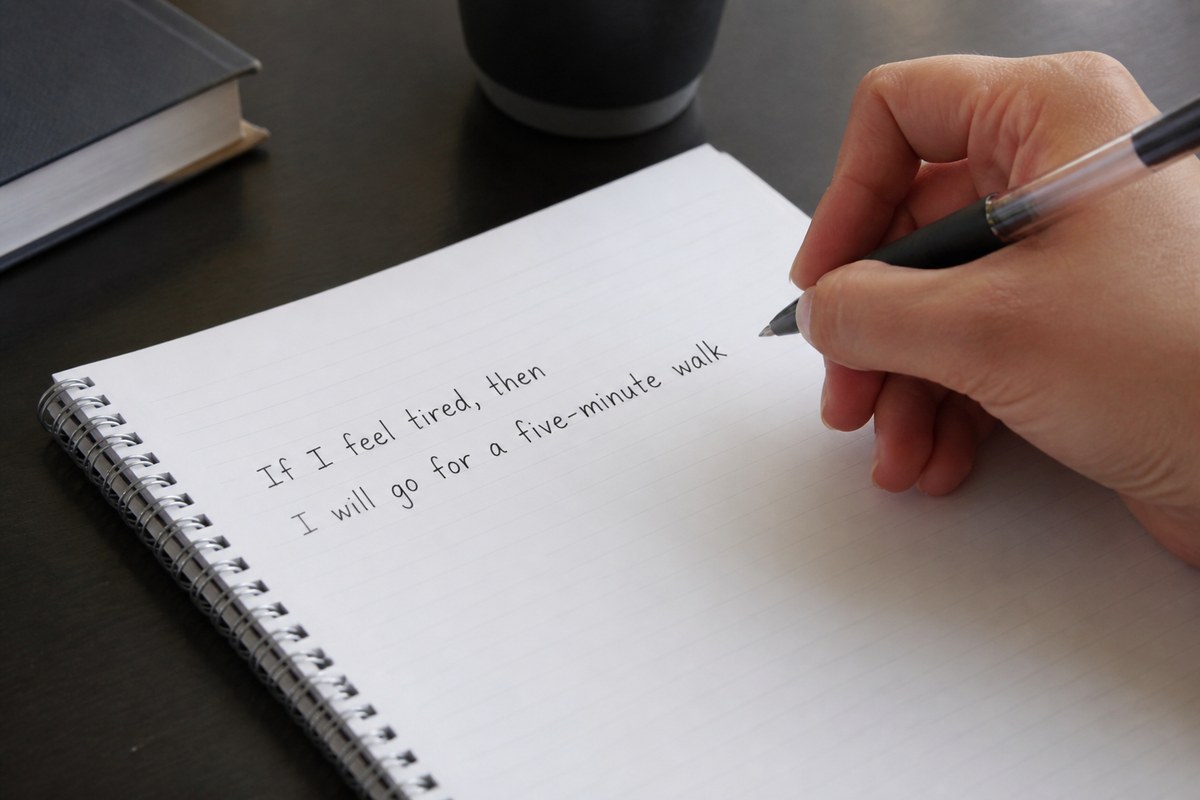
You are full of sequences like that. Say the alphabet and it pours out; say it backwards and you are working again, one letter at a time, because backwards was never the unit you stored. Bracketing suggests why a routine is so easy to start and so awkward to stop halfway. The two ends are marked and everything between them was compressed into the run.
That puts the leverage at the front. Once the unit is running it runs to its end, so the moment worth catching is the one before it starts.
How the basal ganglia control action
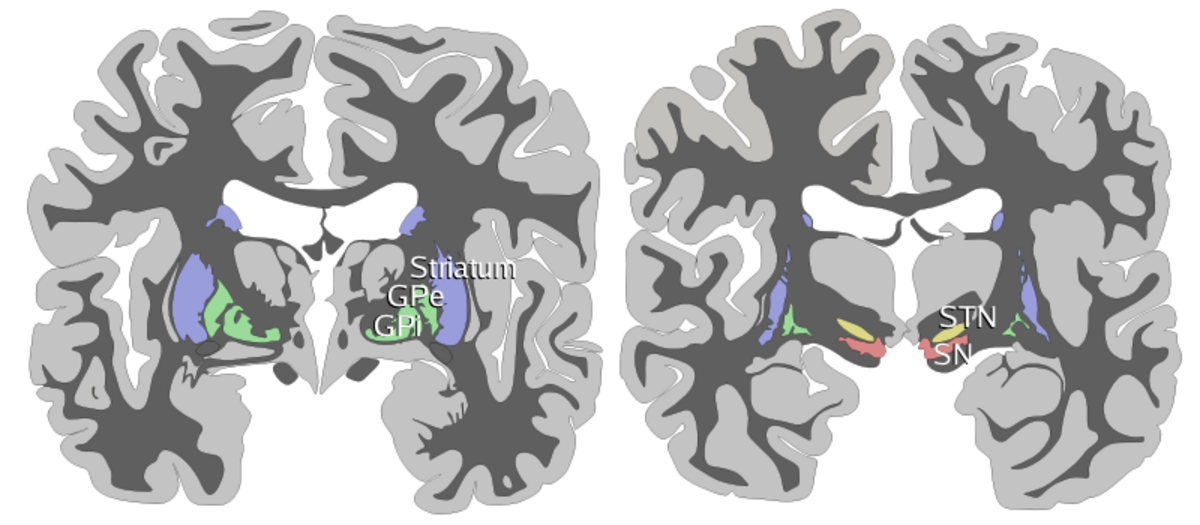
The basal ganglia exert a constant brake on motor systems, and an action occurs only when that inhibition is released. Signals arrive from the cerebral cortex into the striatum, the primary input hub of the system. The striatum processes this incoming information and routes it through internal circuits involving the globus pallidus and subthalamic nucleus.
Coronal brain slices show the deep locations of the striatum, globus pallidus, subthalamic nucleus, and substantia nigra relative to surrounding gray and white matter. Andrew Gillies (User:Anaru), CC BY-SA 3.0, via Wikimedia Commons
The system functions like an action selector for both physical movements and cognitive decisions. Input from the substantia nigra supplies the striatum with dopamine, a chemical messenger that regulates how these circuits filter competing choices. By lifting inhibition on one selected pathway while clamping down on others, the basal ganglia allow smooth, deliberate movement to proceed.
The limbic sector and reward learning
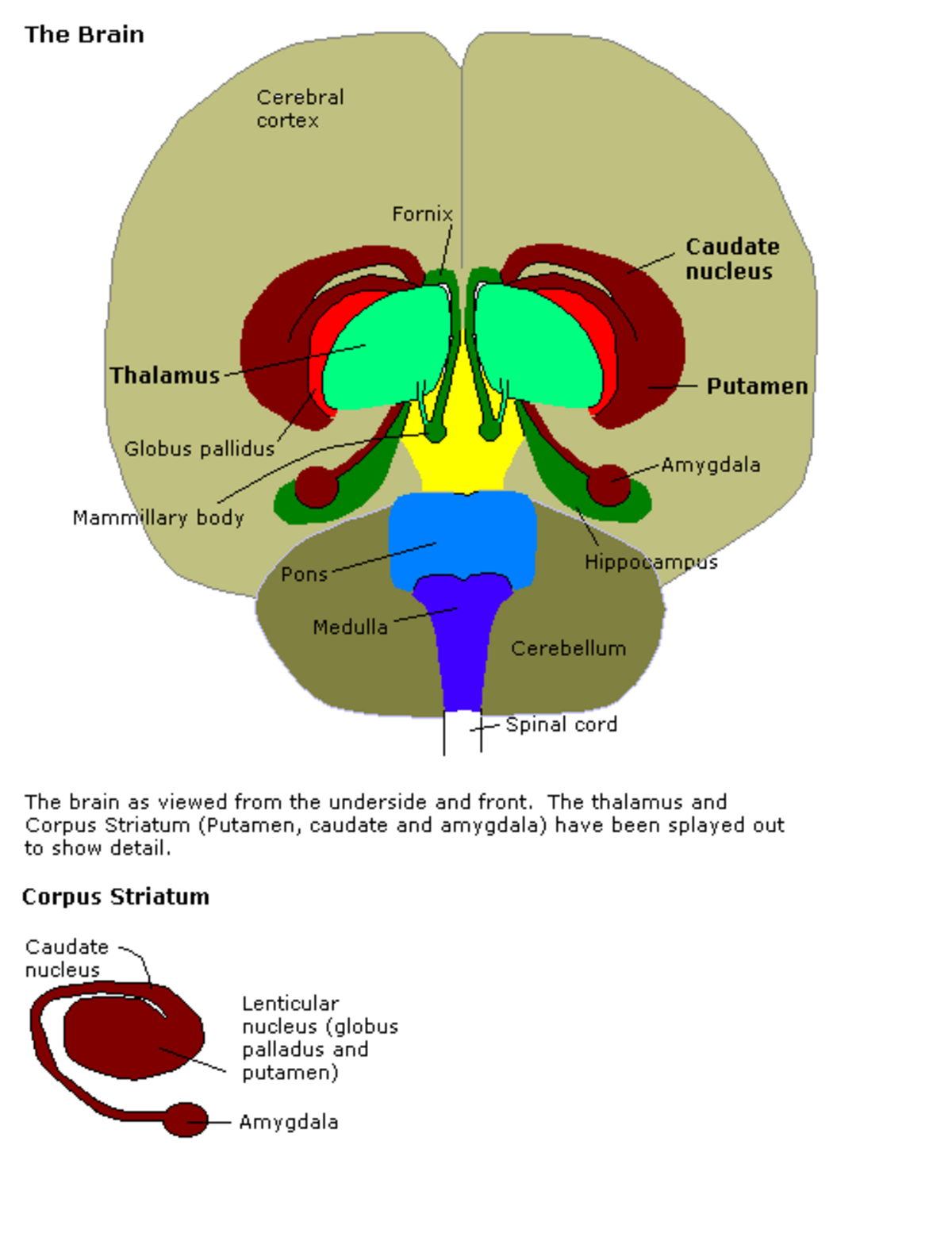
A dedicated limbic sector inside the basal ganglia manages emotion, motivation, and reward learning. This subnetwork includes the nucleus accumbens, ventral pallidum, and the ventral tegmental area (VTA).
A coronal section illustrates the deep subcortical placement of the caudate nucleus, putamen, and globus pallidus beneath the cerebral cortex. The original uploader was RobinH at English Wikibooks., CC BY-SA 3.0, via Wikimedia Commons
Dopamine projections running from the VTA to the nucleus accumbens reinforce successful behaviors. Addictive drugs such as cocaine, amphetamine, and nicotine exploit this mechanism by boosting the efficacy of the dopamine signal, locking in compulsive routines.
Test yourself
Halfway through your usual shower someone asks whether you have washed your hair yet, and you cannot say. Why not?
The middle of the routine runs without being checked. Repetition packages a sequence into one unit with a marked beginning and end. The middle was compressed into the run, so it goes through without being consulted.
As a maze route became routine for a rat, how did striatal firing change across the run?
It clustered at the start and the end. Graybiel's team called the pattern task bracketing. The run had been marked off at its two ends, and the new pattern held stable for weeks of later running.
Play the lesson in edgi and the card is yours. It lands on your Map next to the ideas it connects to, and turns from matte to foil to gold as you learn more around it.
Dysfunction in the basal ganglia produces severe movement and behavioral disorders. Parkinson's disease occurs when dopamine-producing cells in the substantia nigra degenerate, while Huntington's disease primarily damages the striatum. Disrupted circuits can also manifest as obsessive-compulsive disorder, Tourette syndrome, or dystonia.
What are the main anatomical parts of the basal ganglia?
The basal ganglia consist of four main subcortical structures found on both sides of the brain. The largest is the striatum (comprising the caudate nucleus, putamen, and nucleus accumbens), followed by the globus pallidus, the subthalamic nucleus, and the substantia nigra.