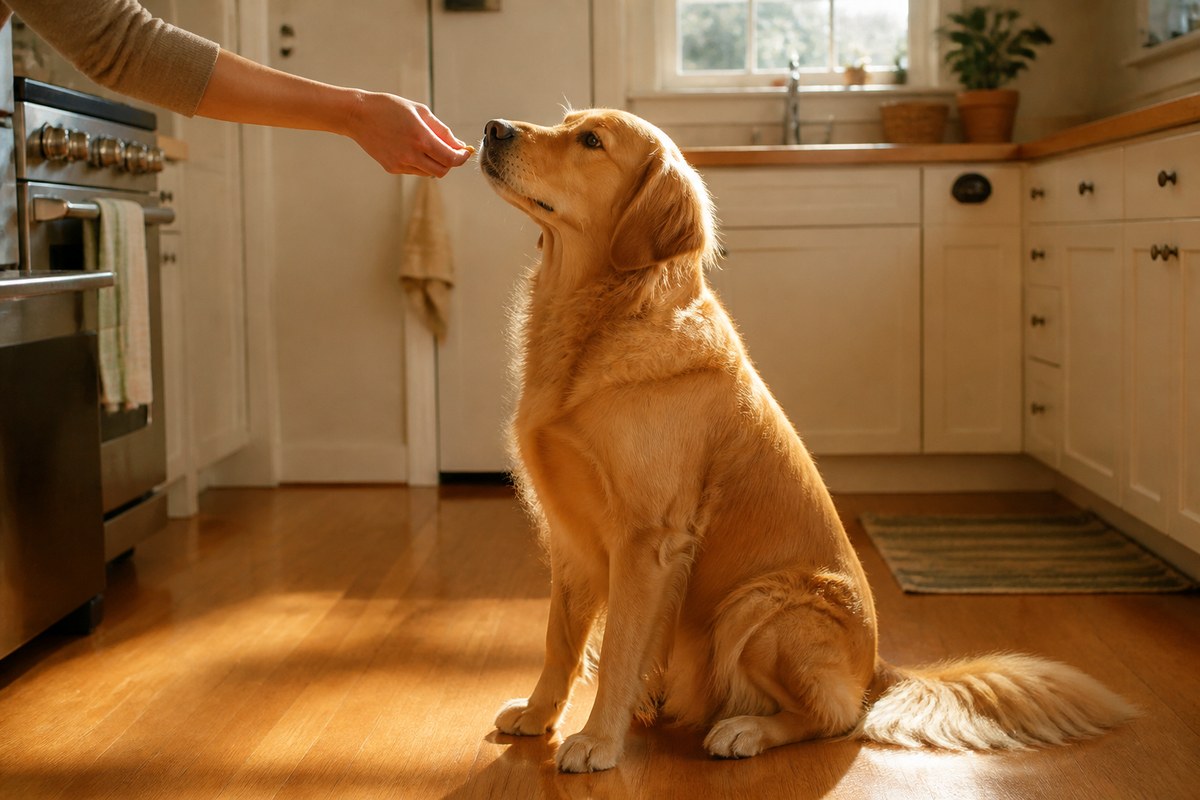
Stimulus control occurs when a behavior happens in the presence of a specific cue and does not happen in its absence. It develops through past reinforcement rather than automatic reflexes: the cue signals that a particular action will produce an outcome. Because environments set off these learned responses, changing your surroundings often changes your actions faster than relying on willpower.
By the edgi team We find the most surprising true thing about an idea and build a 60-second lesson around it.
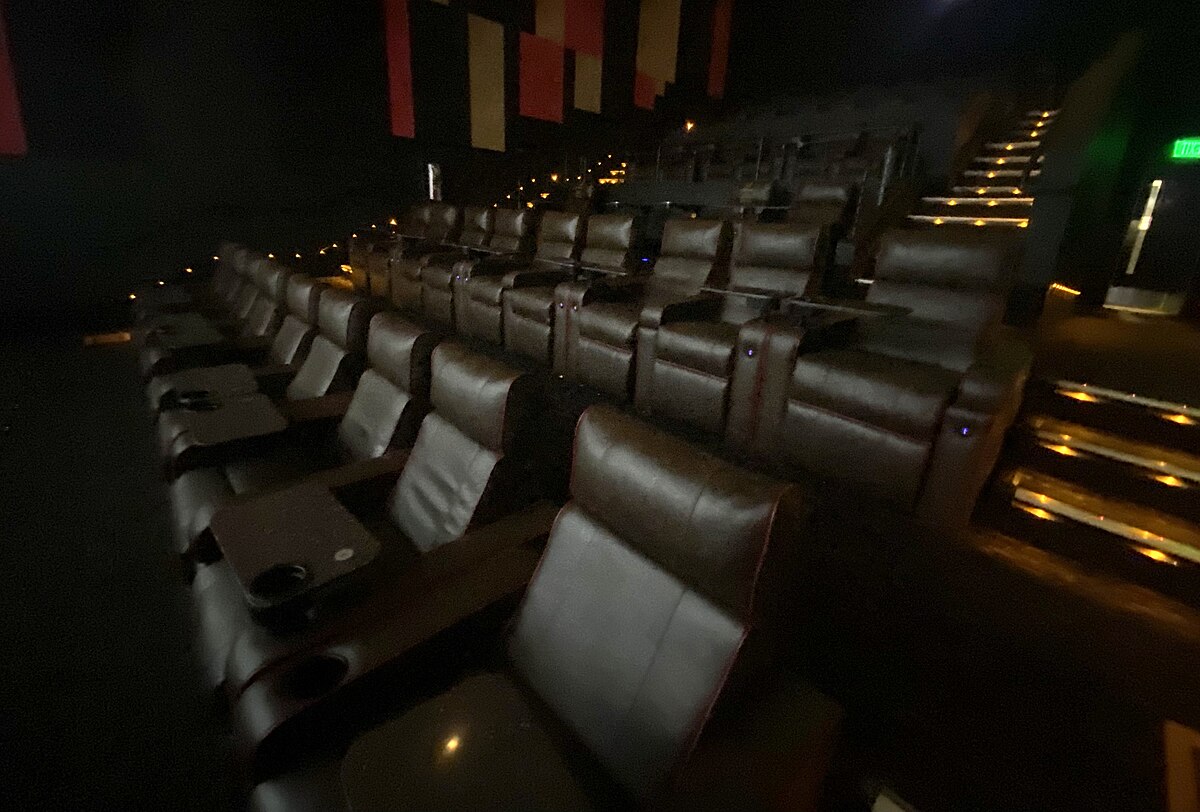
For a 2011 study, David Neal and Wendy Wood handed out boxes of popcorn to people going into a cinema. Some boxes were fresh. The rest had been popped a week earlier and left in bags in the lab. People who said they always get popcorn at the movies ate about the same amount either way. A week-old box went down like a fresh one.
An interior view of a digital cinema theater featuring stadium seating with comfortable, reclining brown leather chairs, each equipped with a small table and cup holder. Author0612, CC BY-SA 4.0, via Wikimedia Commons
Moviegoers without that habit did what you would expect. They ate plenty of the fresh popcorn and left most of the stale. Everyone could taste the difference. Asked afterwards, the regulars rated the stale popcorn just as badly as everybody else did, and how hungry they were barely predicted how much they ate.
The same popcorn somewhere else
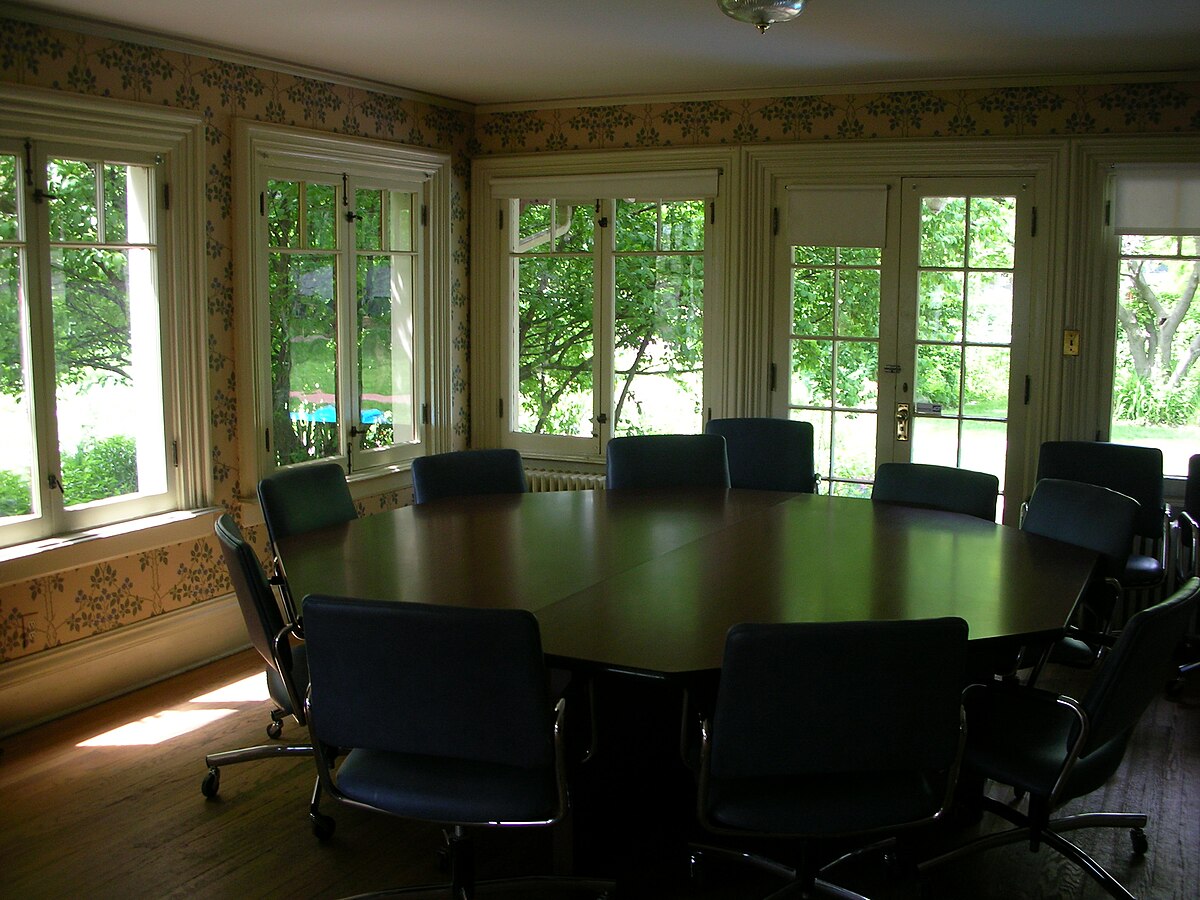
Neal and Wood handed out the same popcorn a second time, in a meeting room near the cinema, with music videos playing instead of trailers. Comfortable room, free popcorn, no cinema. There the regulars ate like everybody else: plenty of the fresh popcorn, much less of the stale. The habit did not come with them into the meeting room.
A classroom or meeting room featuring a large octagonal table surrounded by chairs, with multiple windows looking out onto a green outdoor scene. Erik Badger, CC BY-SA 3.0, via Wikimedia Commons
Back at the cinema, the researchers asked some people to eat with their non-dominant hand. Same film, same week-old popcorn, and the regulars ate far less of the stale than of the fresh. Psychologists call this stimulus control: a setting where you have done something many times starts it for you, the way a stop sign starts your foot moving before you decide to brake.
The room you are sitting in
Sleep clinics have used stimulus control for fifty years. Someone with insomnia lies in bed awake, worrying and checking a phone, until the bed itself becomes a place where being awake happens. The standard instruction is blunt. If you are lying there awake, get up, sit somewhere else, and come back when you feel sleepy, so that the bed only ever gets used for sleeping.
Every settled routine has a setting like that. The balcony where the cigarettes got smoked, the chair you only ever scroll in, the kitchen at eleven at night. So the change that works is usually a change to the room. Take the phone charger out of the bedroom. Put the running shoes where you will trip over them on the way out.
How stimulus control works
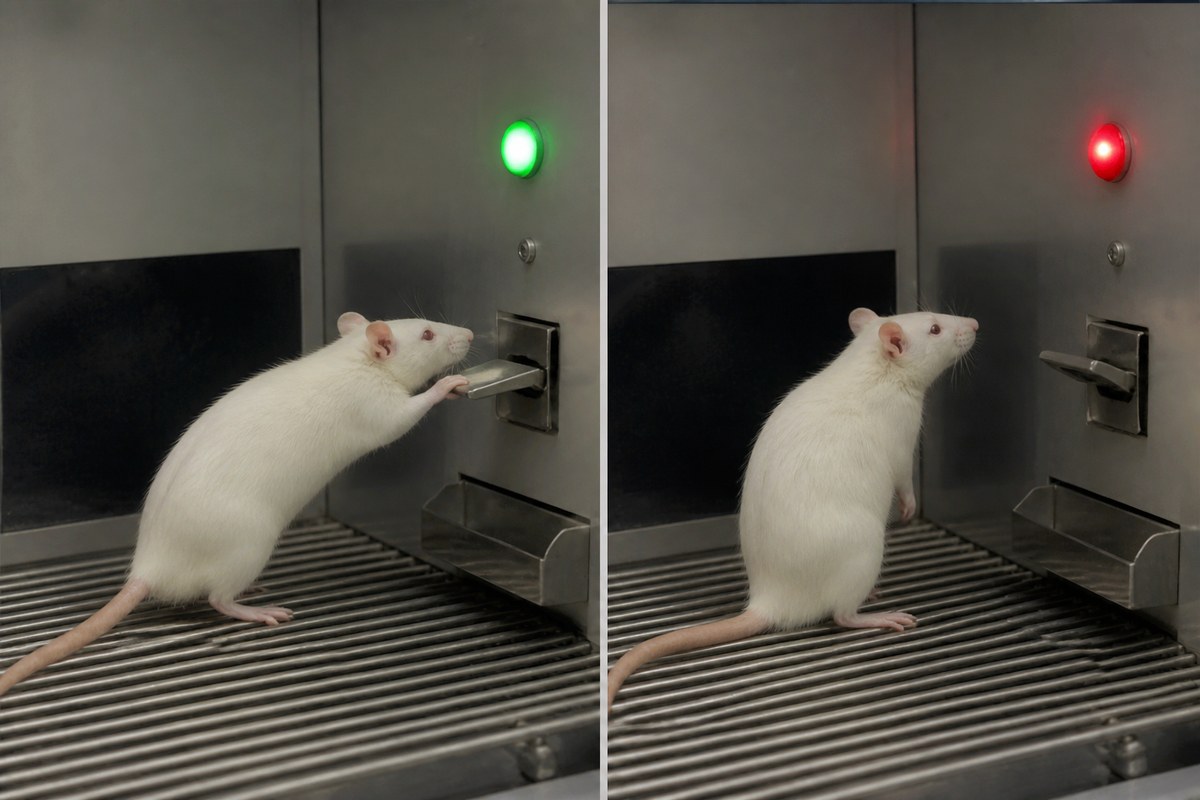
In operant conditioning, stimulus control is typically established through discrimination training. An organism receives reinforcement for performing an action when a specific cue, known as a discriminative stimulus, is present, but receives no reinforcement when the cue is missing. Over time, the response becomes far more probable whenever the cue appears.
Virtually any cue an animal can perceive can become a discriminative stimulus. Unlike classical conditioning reflexes, a discriminative stimulus does not force a behavior to happen. Instead, it alters the probability of an action based on past reinforcement history. For example, a stop sign does not physically move a driver's leg, but its presence increases the likelihood of braking.
Generalization and the peak shift effect
Once a cue controls a behavior, similar cues can trigger the same action. This is called stimulus generalization. In a 1959 experiment by Hanson, pigeons were trained to peck a button illuminated by a 550 nm light. When tested with different wavelengths, the pigeons pecked less frequently the further the light shifted from the original color, forming a generalization gradient.
When Hanson trained pigeons to peck at 550 nm while withholding rewards for a slightly redder light, a surprising shift occurred. During testing, the birds pecked most frequently at a wavelength shifted further away from the unrewarded color, responding faster to a light they had never been trained on than to the original 550 nm cue. This phenomenon is known as peak shift.
Test yourself
You always snack on the sofa while watching TV. What is most likely to cut it down?
Eating the snack at the kitchen table. The sofa is the setting that has been starting the eating, so eating somewhere else removes what sets it off. Deciding harder leaves that setting exactly as it was.
Why did habitual popcorn eaters finish stale popcorn at the cinema?
The cinema itself started the eating. They rated the week-old popcorn as badly as everyone else, and hunger barely predicted how much they ate. Move the same people to a meeting room and they ate by taste again.
Play the lesson in edgi and the card is yours. It lands on your Map next to the ideas it connects to, and turns from matte to foil to gold as you learn more around it.
What is the difference between stimulus control and a reflex?
A reflex is an automatic, involuntary response produced through classical conditioning. Stimulus control relies on operant conditioning and past reinforcement, meaning the cue increases the probability of an action rather than forcing it.
What is matching to sample?
Matching to sample is a task where a subject views a sample cue and must select a matching option from choices elsewhere. In the delayed version, a pause occurs before the choices appear, allowing researchers to test short-term memory.
What does ideal stimulus control look like?
In training, optimal control means an action occurs immediately when the discriminative stimulus appears and never occurs in its absence. The subject neither performs the action for other cues nor performs different behaviors in response to the target cue.