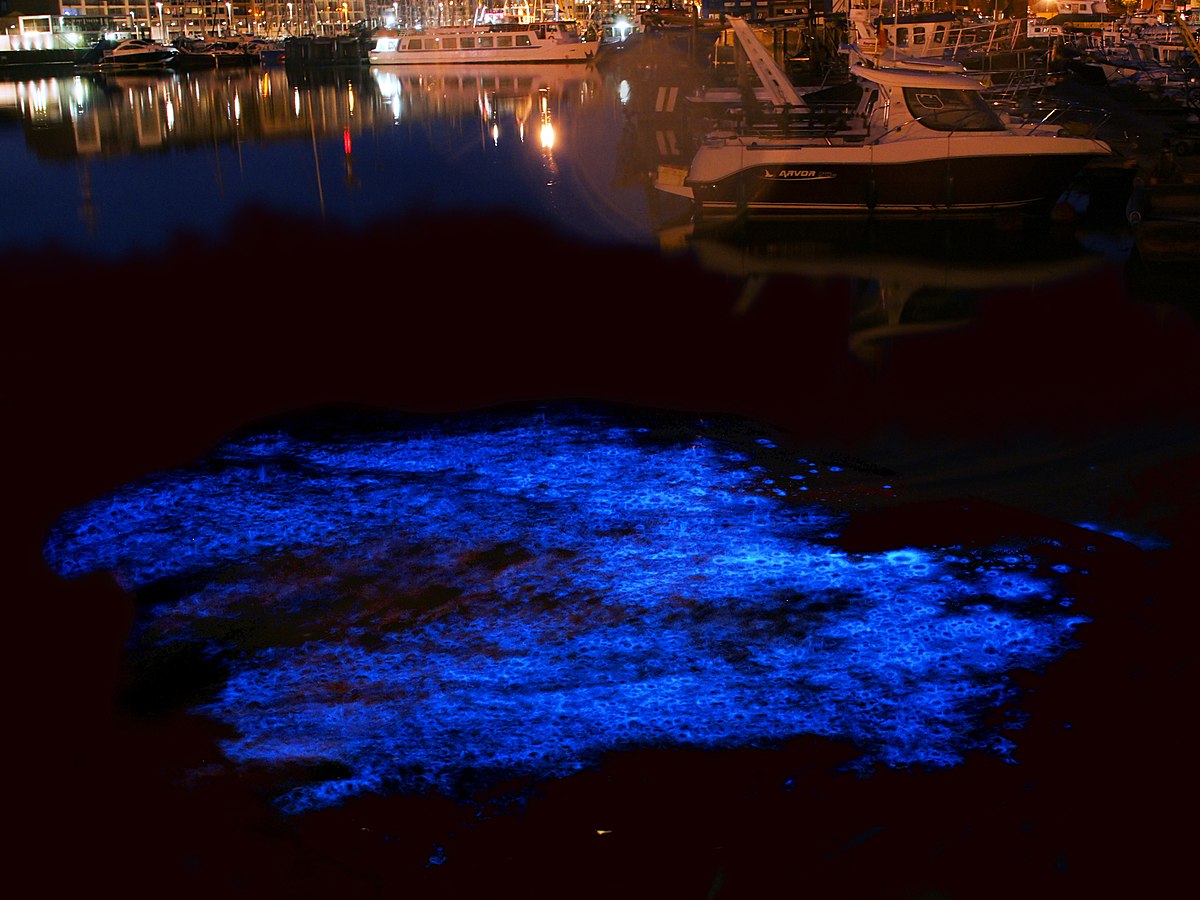
Bioluminescence is the production of light by a living organism through a chemical reaction. It creates cold light with almost no wasted heat, unlike typical lightbulbs. This process has evolved independently dozens of times across bacteria, fungi, insects, and deep-sea animals.
By the edgi team We find the most surprising true thing about an idea and build a 60-second lesson around it.
Bioluminescence is a chemical reaction that creates cold light. It happens when a molecule called luciferin meets an enzyme named luciferase.
Unlike a lightbulb, which wastes energy as heat, this process is almost 100% efficient. It produces only pure, beautiful illumination.
The grueling discovery
In the 1960s, chemist Osamu Shimomura became obsessed with why jellyfish glowed. He spent his summers at a Washington research lab, hand-harvesting and squeezing 50,000 jellyfish to isolate the glowing protein.
Portrait of Osamu Shimomura, a Nobel Prize laureate, wearing a dark suit and a patterned tie. Prolineserver (talk), CC BY-SA 4.0, via Wikimedia Commons
That grueling, low-tech effort eventually earned him a Nobel Prize and revolutionized modern genetics.
Life in the dark
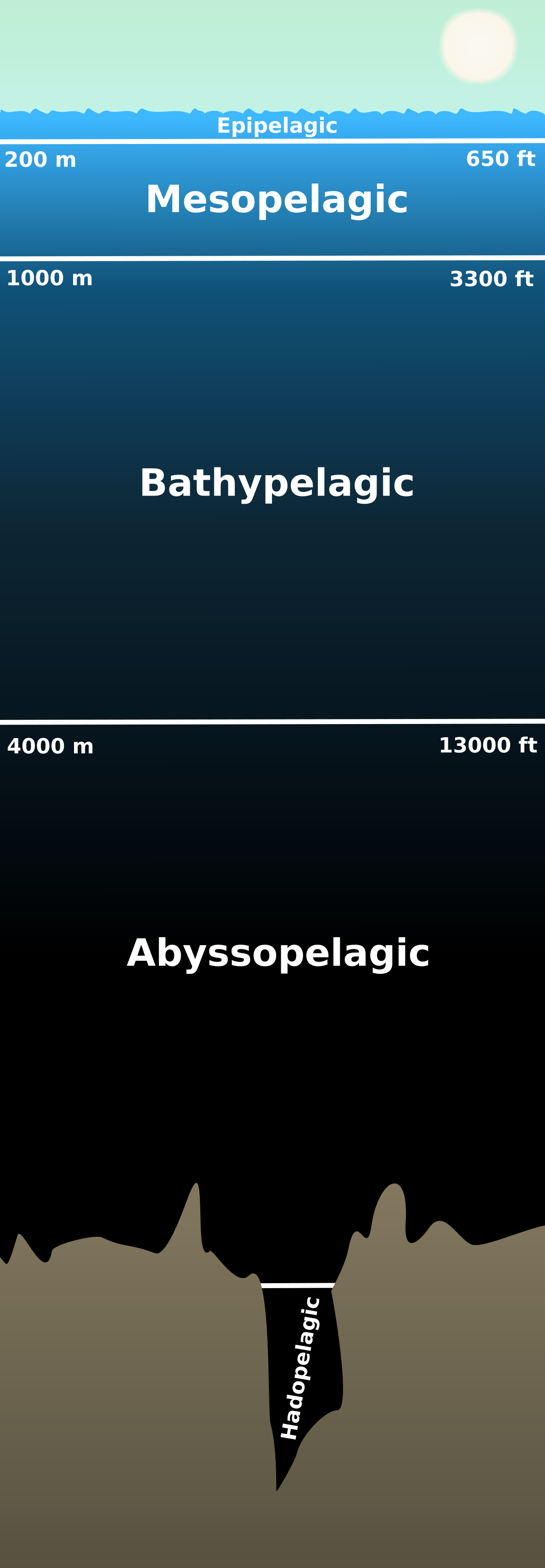
In the Midnight Zone, where sunlight never reaches, light is a survival tool. The anglerfish uses a glowing lure to trick prey into its jaws.
A diagram illustrating the layers of the pelagic zone in the ocean, showing depth in meters and feet. Public domain, via Wikimedia Commons
Other creatures, like the vampire squid, eject clouds of glowing mucus to blind predators while they escape into the dark.
How living things make cold light
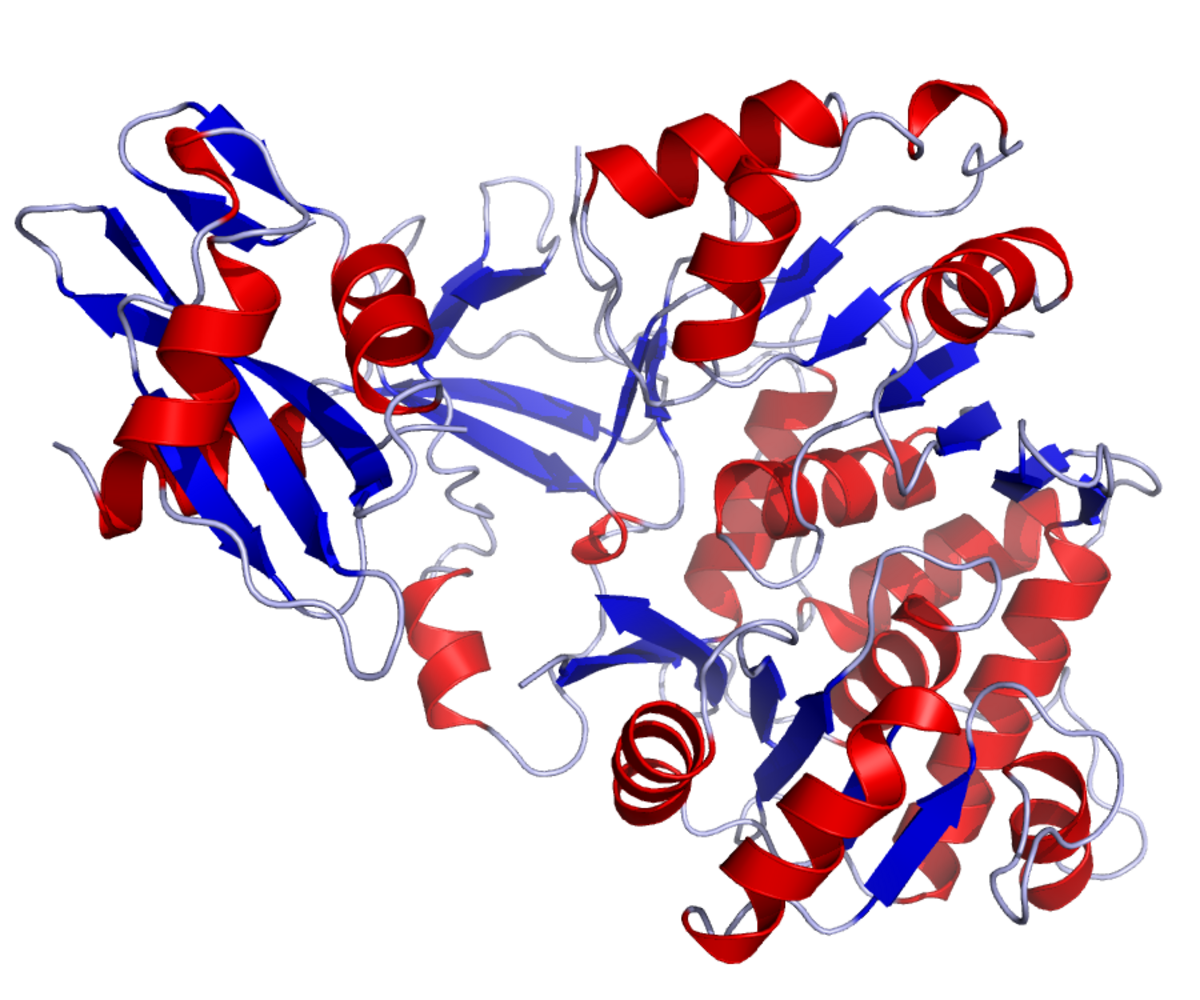
The reaction relies on two core chemicals: a light-emitting substrate called luciferin and an enzyme called luciferase. In the presence of oxygen, luciferase catalyzes the oxidation of luciferin into an excited molecule called oxyluciferin. When oxyluciferin relaxes back to its normal state, it releases visible light.
The molecular structure of firefly luciferase, the large enzyme that catalyzes the oxidation of luciferin. Ramin Herati, Public domain, via Wikimedia Commons
Some species require extra helpers like calcium, magnesium ions, or the energy molecule ATP to trigger the reaction. While luciferases differ significantly from species to species, the luciferin molecules remain remarkably similar across evolution. For instance, the compound coelenterazine appears across eleven different animal phyla, though some creatures cannot synthesize it and must ingest it through their diet.
Why organisms glow in the dark
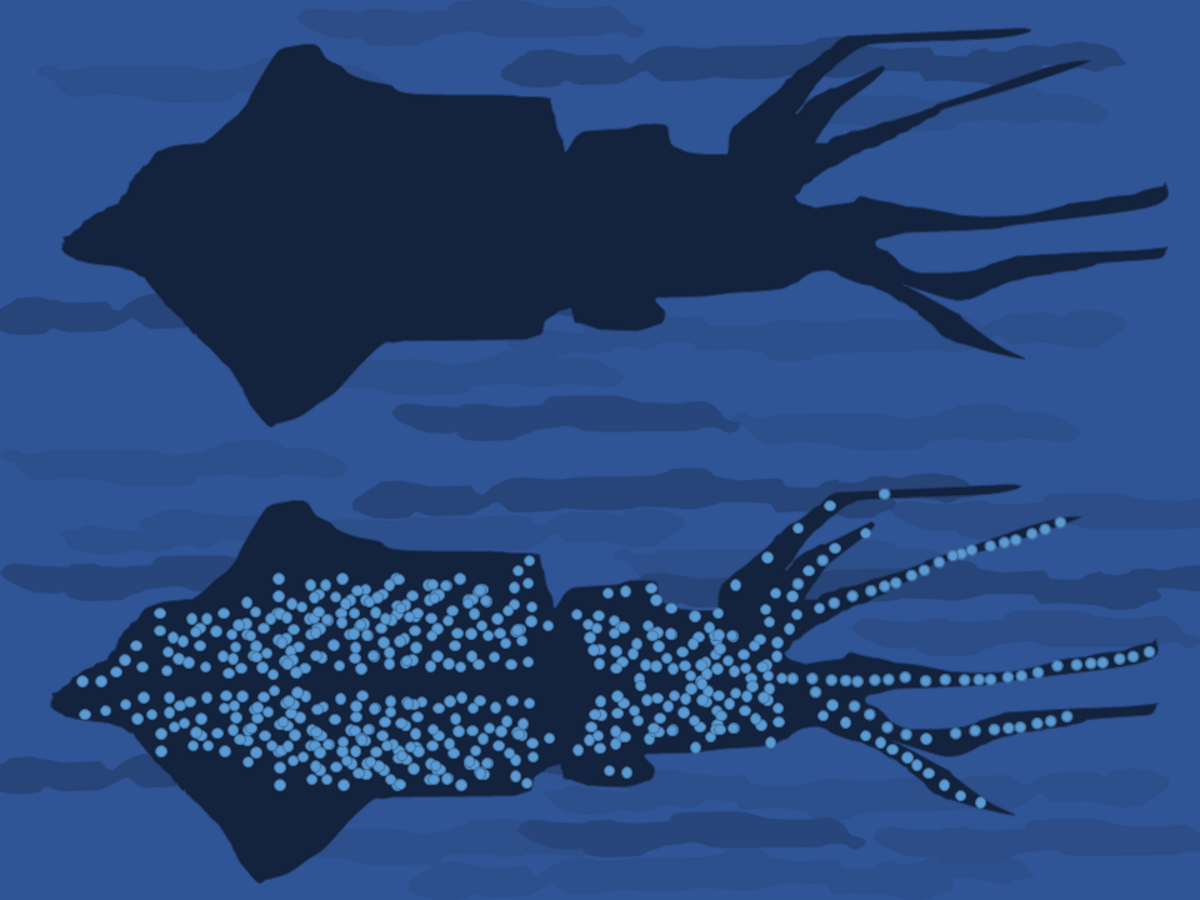
Light serves as an active survival tool across diverse ecosystems. Marine animals use it for counterillumination camouflage, matching the downwelling light from the surface so predators swimming below cannot see their silhouettes. Other species use glowing lures to mimic food and attract prey, or flash distinct light patterns to signal prospective mates.
Counterillumination in the firefly squid matches ambient downwelling light to hide the animal from predators below. Ian Alexander, CC BY-SA 4.0, via Wikimedia Commons
Not all glowing creatures make their own chemistry. Some rely on autogenic light produced by their own cells, while others use bacteriogenic light generated by symbiotic bacteria such as Vibrio living inside specialized organs.
Human history and military uses
Before modern safety lamps, European coal miners used dried fish skins as faint light sources to avoid sparking flammable firedamp gas with open candle flames. Centuries earlier, Robert Boyle proved that oxygen is required for glowing wood and glowworms to produce light.
During the First World War, a German submarine was spotted and sunk because it disturbed glowing marine organisms in the water. The United States Navy later studied these glowing wakes during the Cold War to predict when submarine detection would occur. Astronaut Jim Lovell once navigated his aircraft back to the USS Shangri-La when his cockpit navigation failed, locating the carrier entirely by its glowing bioluminescent wake.
Test yourself
Why is bioluminescence utilized by marine organisms living in the deep Midnight Zone?
It serves as a versatile tool for hunting prey and evading predators.. In total darkness, organisms use glowing lures to attract food or blinding mucus clouds to escape predators, making light a key survival mechanism.
How does bioluminescence differ fundamentally from standard incandescent lightbulbs?
It converts nearly 100 percent of its energy into cold light.. Bioluminescence is a chemical reaction between luciferin and luciferase that produces cold light without wasting energy as heat, unlike incandescent bulbs.
Does bioluminescence generate light primarily through physical heat or a chemical reaction?
A chemical reaction. Bioluminescence relies on enzymes and molecules reacting to produce cold light without wasting energy as heat.
Play the lesson in edgi and the card is yours. It lands on your Map next to the ideas it connects to, and turns from matte to foil to gold as you learn more around it.
Did Charles Darwin understand how bioluminescence worked?
No, Darwin observed glowing ocean wakes and jellyfish during his voyages, but he guessed the light came from disturbed electrical conditions in the atmosphere. The underlying biochemistry was not understood until later researchers like Raphaël Dubois identified luciferin and luciferase in the late nineteenth century.
How is bioluminescence used in modern science?
Luciferase-based systems are widely used in laboratory genetic engineering and biomedical research. Scientists also use glowing proteins isolated from jellyfish to track biological processes inside living cells.
When did bioluminescence first appear?
Bioluminescence first emerged roughly 540 million years ago in octocorals. Because it provides distinct survival advantages, it has evolved independently at least 94 times throughout evolutionary history.