The first spark
The human eye didn't appear out of nowhere; it began as a simple patch of light-sensitive protein. That primitive patch could only tell day from night, giving early organisms a basic sense of survival timing.
The evolution of the eye is the gradual development of vision organs from simple light-detecting proteins into complex, image-forming structures. Natural selection shaped these organs over hundreds of millions of years because even small improvements in detecting light provide a survival advantage. Complex eyes are so useful that they evolved independently in dozens of animal lineages, including vertebrates and squids.

By the edgi team We find the most surprising true thing about an idea and build a 60-second lesson around it.
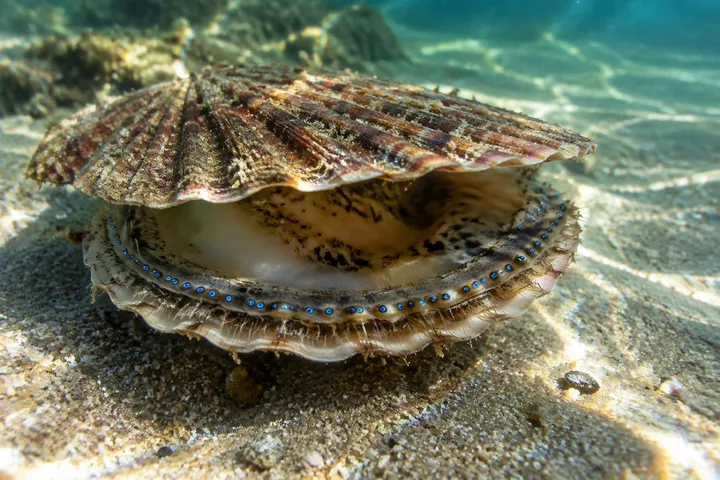
The human eye didn't appear out of nowhere; it began as a simple patch of light-sensitive protein. That primitive patch could only tell day from night, giving early organisms a basic sense of survival timing.
Evolutionary steps then curved that flat patch into a tiny cup shape. This simple bend allowed organisms to sense which direction a shadow or predator was coming from, proving half an eye is far from useless.
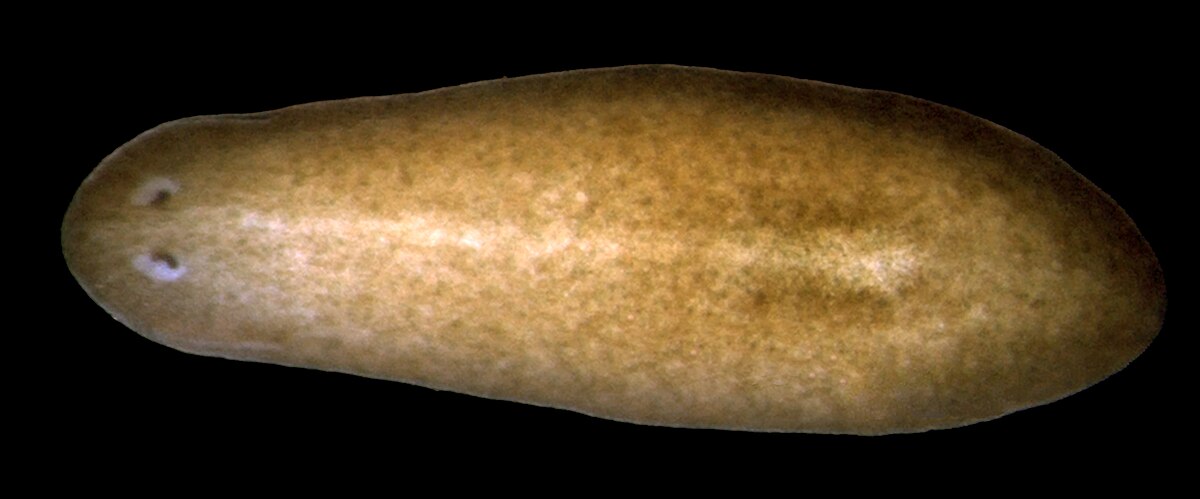
Charles Darwin famously admitted that the eye's complexity seemed absurd in the highest degree. Yet he used it to anchor his theory of Natural Selection, realizing a 1% improvement in light detection offered a massive survival advantage.
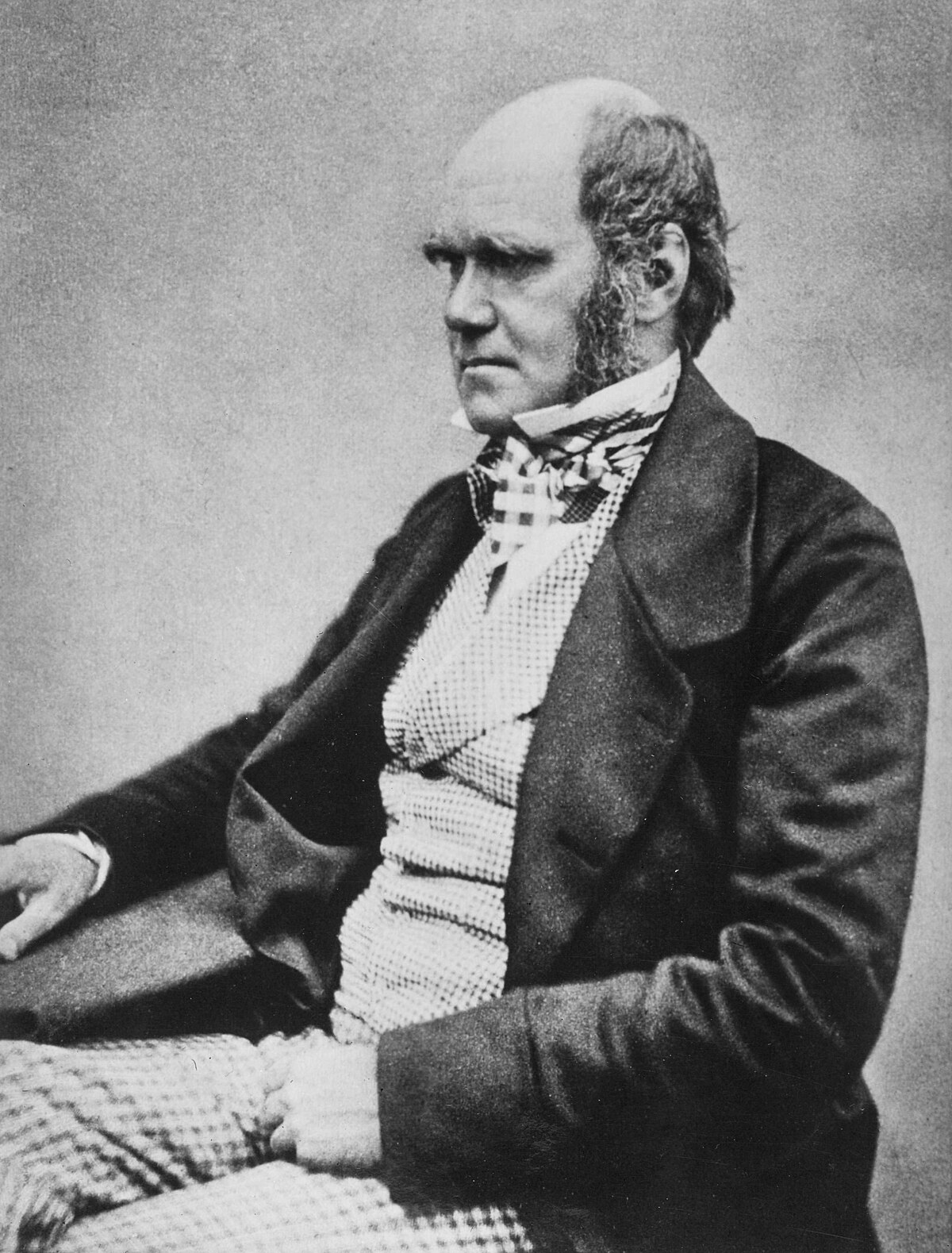
Modern Phylogenetics confirms that complex eyes have evolved independently at least 40 different times. A giant squid and a human share almost no recent ancestors, yet their eyes are eerily similar because physics demands the same optics for sight.
The process started with eyespots: patches of photoreceptor proteins that merely register brightness. Single-celled organisms like Euglena use a red pigment patch called a stigma to sense ambient light and steer toward illumination for photosynthesis. These flat patches cannot tell where light comes from, but they let organisms distinguish day from night to align their daily rhythms.
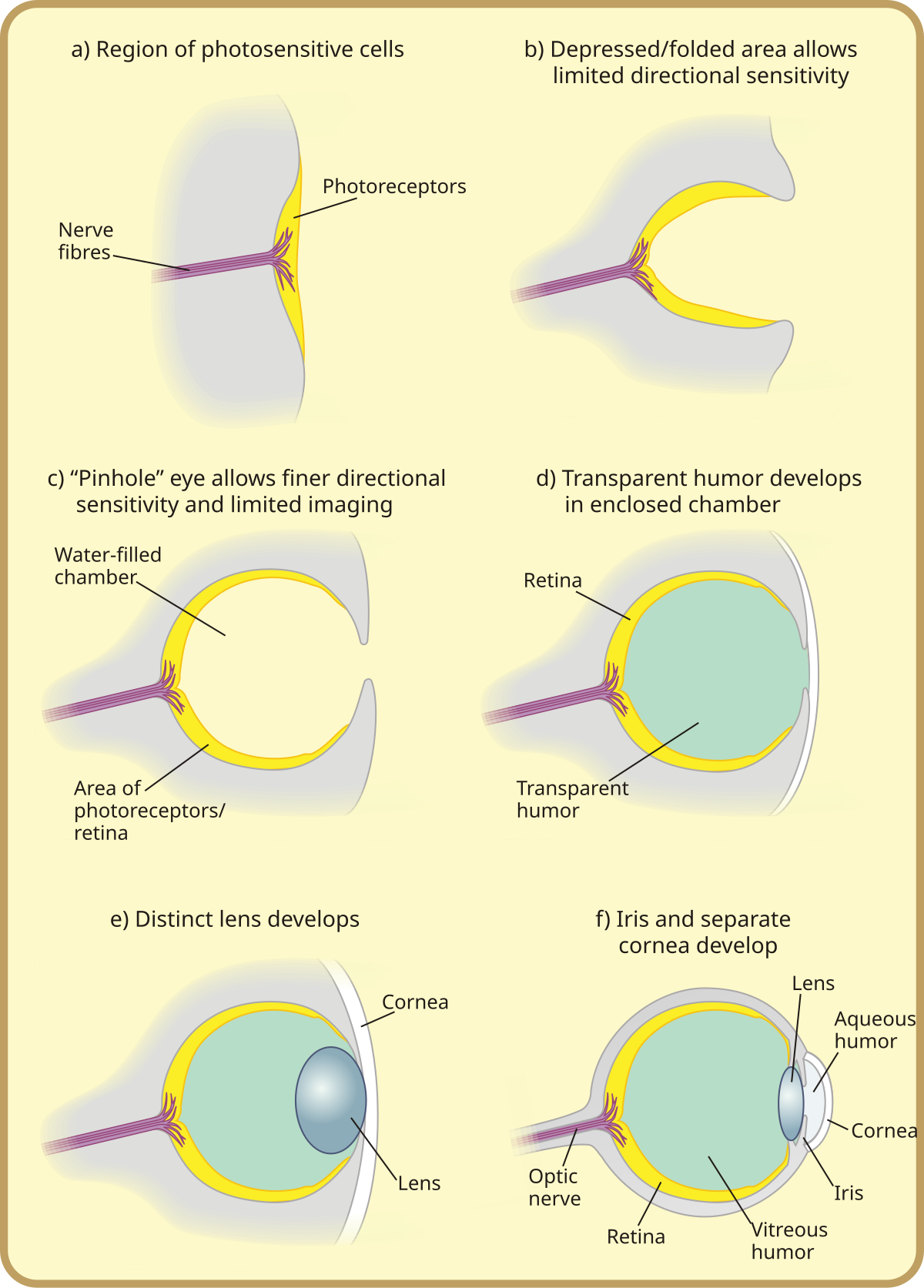
A directional sense emerged when the flat patch curved inward into a cup. This depression blocked light coming from certain angles, allowing organisms to tell the direction of an approaching shadow or predator. Further inward folding created a pinhole aperture, followed by the addition of transparent protective layers and lenses that focus sharp images onto a retina.
Mathematical estimates based on mutation rates and natural selection show that this full transition from a flat photoreceptor patch to a camera eye could happen in less than 364,000 years.
Complex eyes evolved independently at least 40 different times across animal history. Cephalopods like octopuses and vertebrates like humans share very distant common ancestors, yet both built similar camera-style eyes because the physical rules of focusing light demand the same optical solutions.
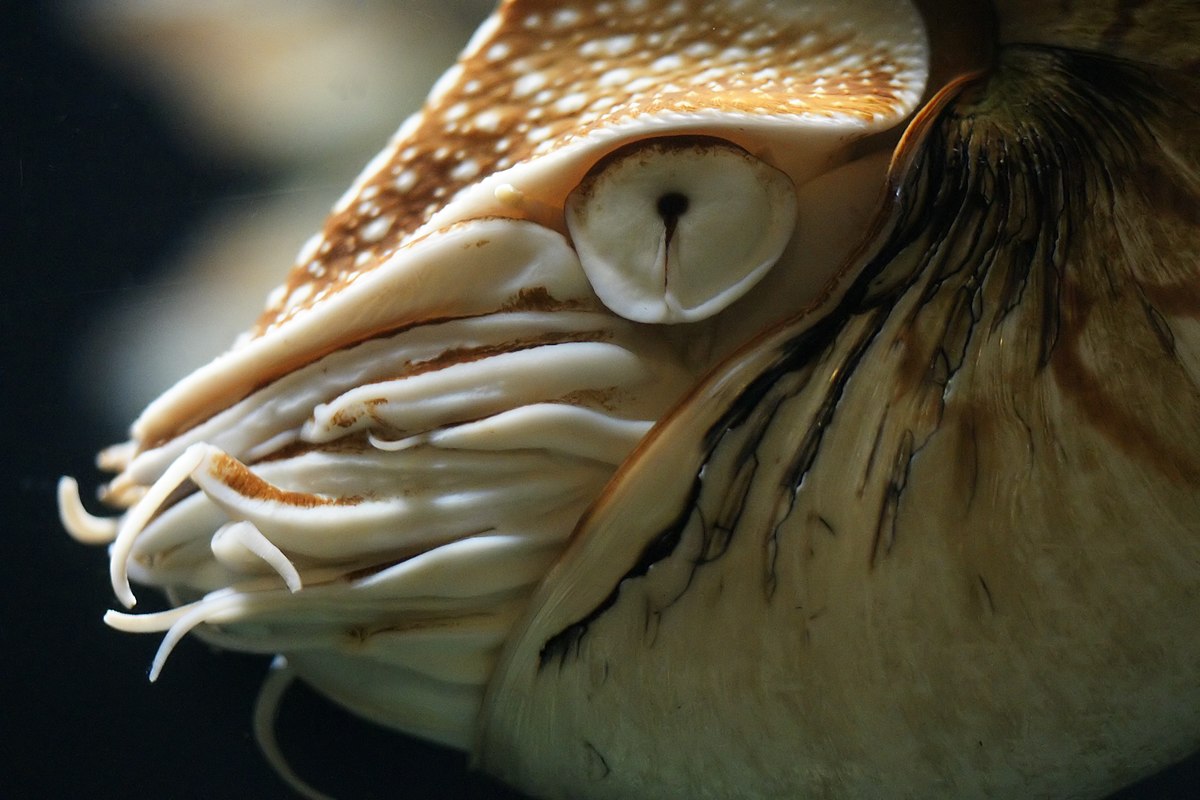
Despite evolving independently, almost all animal eyes rely on the same ancestral toolkit. Light-sensing proteins called opsins existed in the last common ancestor of all bilateral animals. A master control gene called PAX6 directs where eyes form in creatures as different as mice, fruit flies, and octopuses.
Eyes also predate brains. Jellyfish in the class Cubozoa have complex camera-type eyes comparable to vertebrate eyes, yet they operate entirely without a brain.
In the evolution of the eye, what was the primary survival benefit of the very first light-sensitive patches?
Sensing day versus night timing. A primitive light-sensitive patch lacks the shape required to determine direction, but it successfully provides basic day-night timing for survival behaviors.
In the evolution of the eye, is a partially developed eye useless?
No, it provided a survival advantage.. Even a primitive light-sensitive patch provides a survival benefit by sensing day and night or the direction of predators. Evolution preserves any small improvement that increases the chances of survival.
Collectible card
Play the lesson in edgi and the card is yours. It lands on your Map next to the ideas it connects to, and turns from matte to foil to gold as you learn more around it.
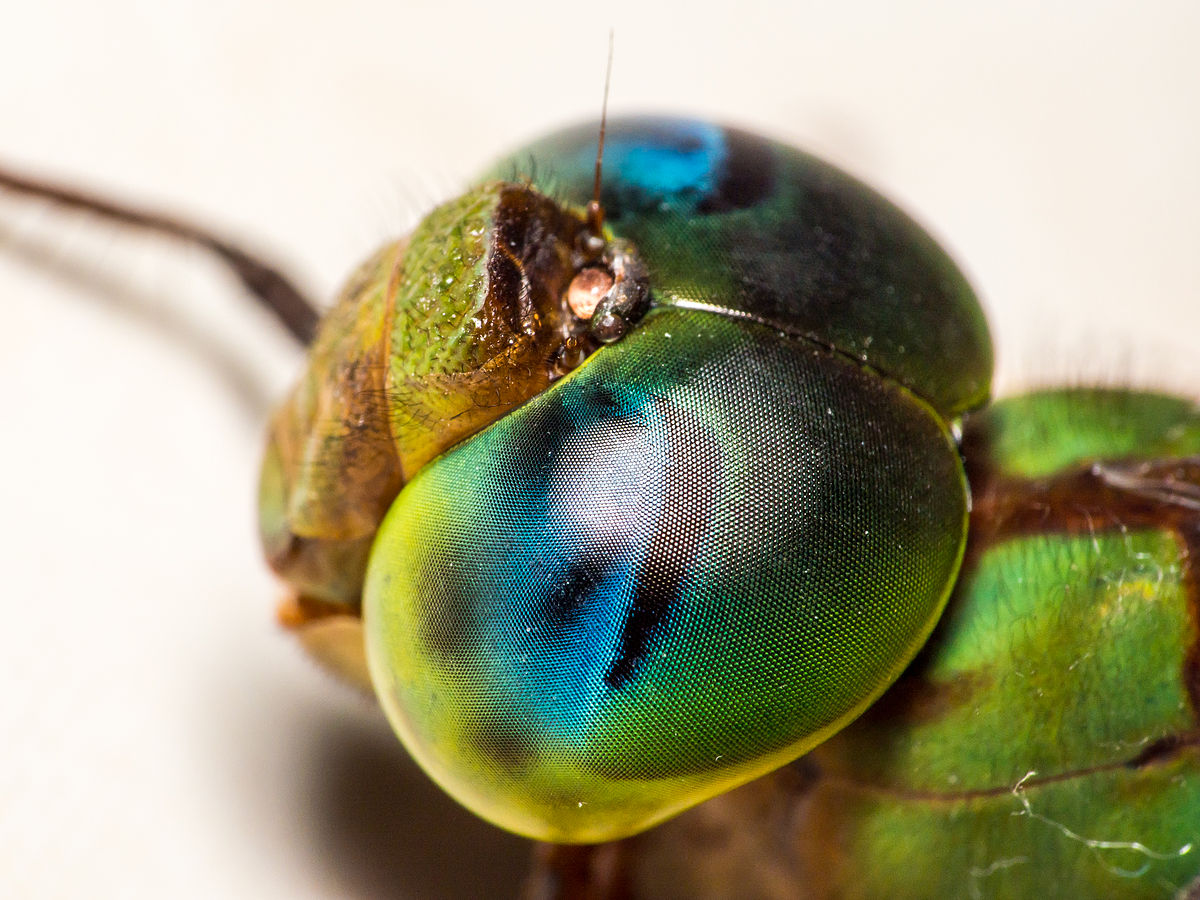
The oldest confirmed fossil eye belongs to Schmidtiellus reetae, a trilobite from 530 million years ago found in Estonia. It had a compound eye similar to modern dragonflies, containing roughly 100 individual visual units spaced apart without lenses.
The Light Switch hypothesis suggests that the evolution of advanced vision triggered the Cambrian explosion. Once animals could actively see and hunt one another, it sparked an evolutionary arms race that accelerated anatomical changes.
Part of the Set · 9 cards
Unrelated animals keep discovering the exact same engineering solution, independently, from scratch.
Lesson complete
You finished the lesson. In edgi, the card goes on your Map next to everything else you learn.