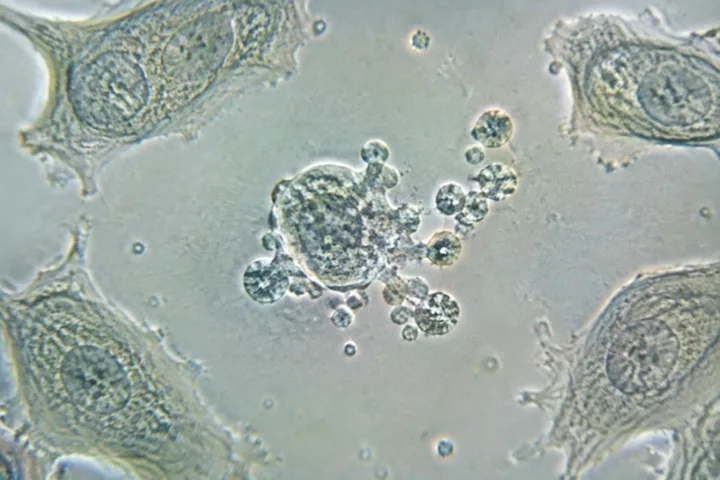
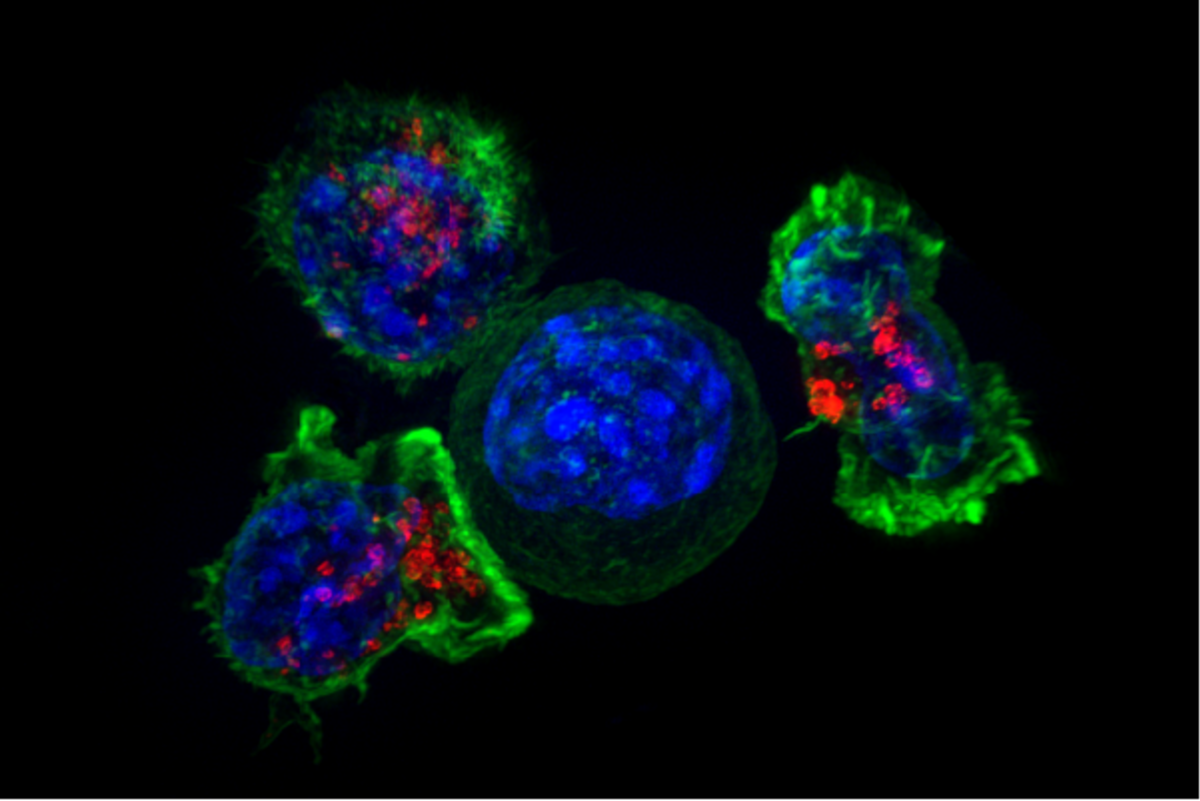
Complement SystemBlood proteins that drill into germs
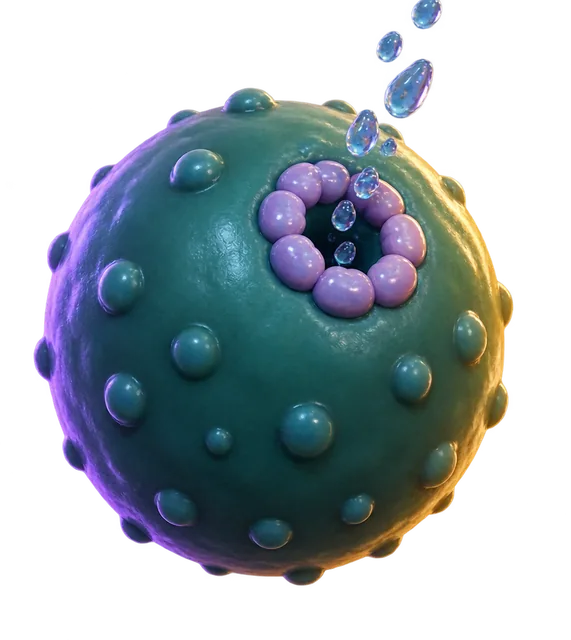
The complement system is a network of about 50 blood proteins that automatically attack foreign invaders and clear damaged cells. Unlike specialized white blood cells, these inactive proteins circulate in the blood and can trigger instant immune attacks without needing prior exposure to a germ. They can destroy target cells directly by assembling into microscopic ring-shaped structures that punch holes in microbial membranes.
By the edgi team We find the most surprising true thing about an idea and build a 60-second lesson around it.
While white blood cells act as the active soldiers of your immune system, the complement system is a network of autonomous proteins floating ready in your blood. These proteins do not need to learn what a germ looks like. They are triggered instantly by the mere presence of a foreign surface.
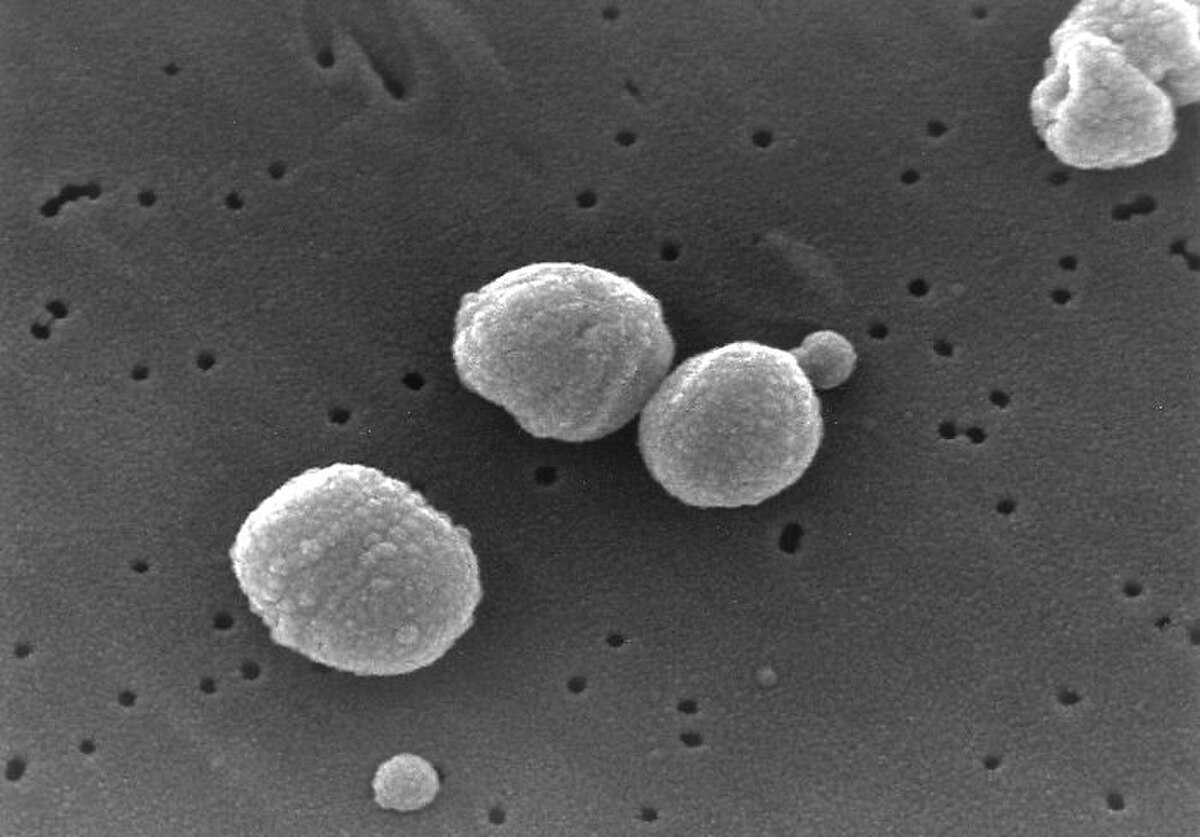
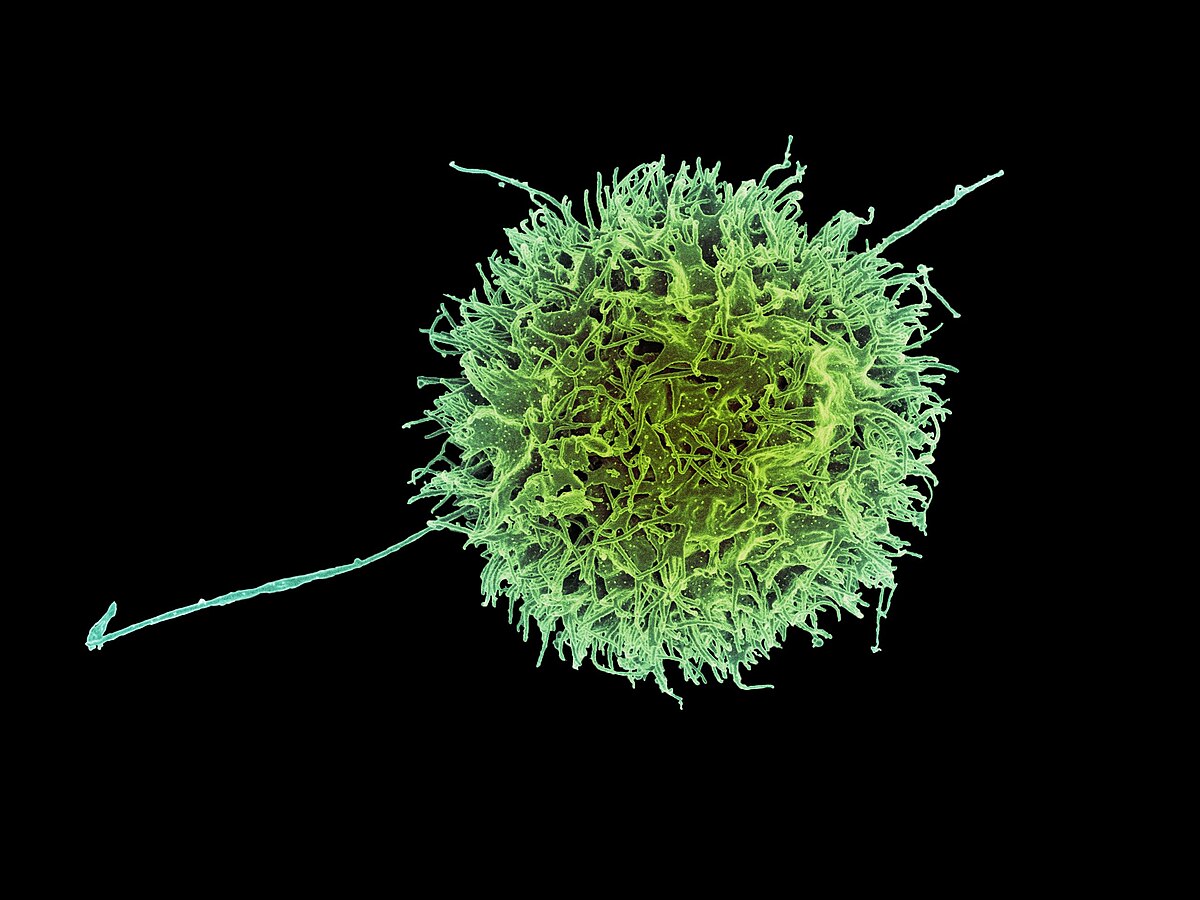
A scanning electron micrograph shows several spherical Streptococcus pneumoniae bacteria on a textured surface. Photo Credit: CDC/Janice Carr Content Providers(s): CDC/Dr. Richard Facklam, Public domain, via Wikimedia Commons
The discovery
In the 1890s, Jules Bordet discovered that fresh blood serum could kill bacteria even without prior exposure to the germ. He noticed that heating the serum destroyed this killing power, but adding fresh serum brought it right back.
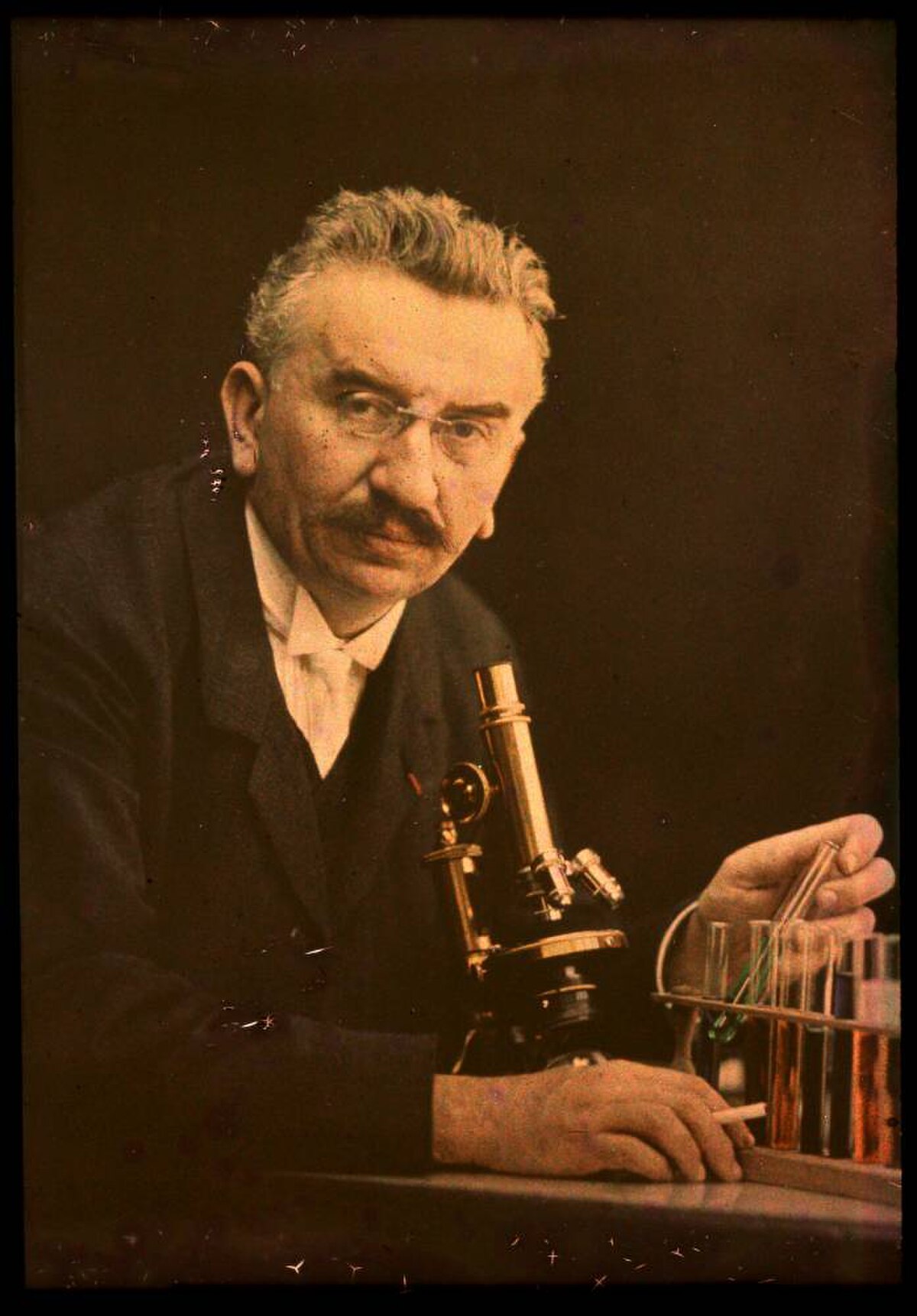
A colorized photograph of Louis Lumière, wearing glasses and a suit, seated at a table with a microscope and several test tubes in a rack. Not credited; presumably a Frères Lumière photo, Public domain, via Wikimedia Commons
He realized a complementary force worked alongside antibodies to finish off invaders, giving the system its name.
The drill
Once activated, these proteins snap together to form the membrane attack complex, a ring-shaped protein drill. It bores literal holes directly into the pathogen cell membranes, causing the invaders to leak and burst in seconds.
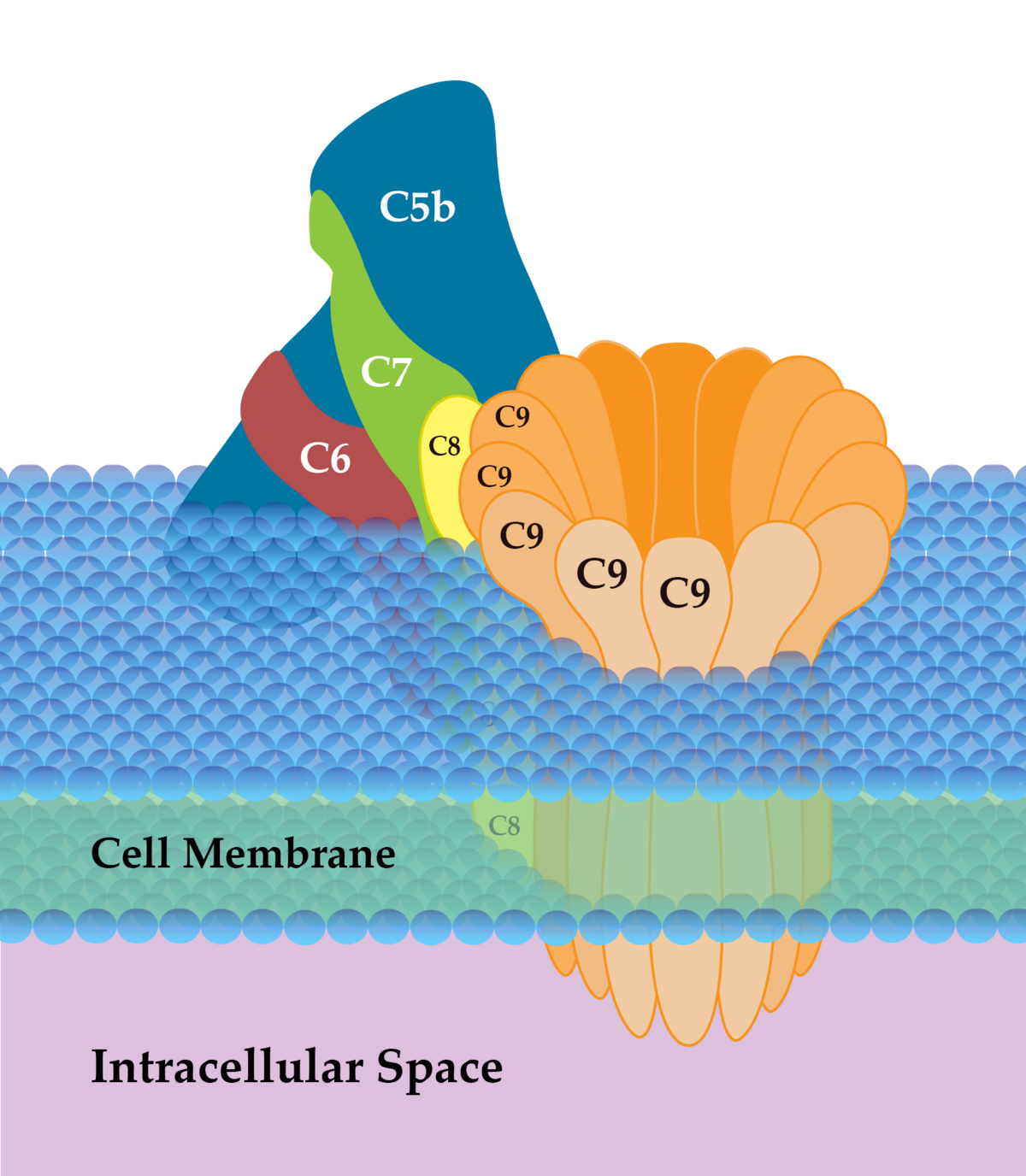
A diagram illustrates the Membrane Attack Complex (MAC), also known as the Terminal Complement Complex C5b-9, embedded in a cell membrane. SLiva2016, CC BY-SA 3.0, via Wikimedia Commons
How the complement cascade activates
Around 50 proteins and fragments circulate in blood serum as inactive precursors, accounting for about 10% of the globulin fraction. Most originate in the liver from cells called hepatocytes, though tissue macrophages and certain epithelial cells also produce them.
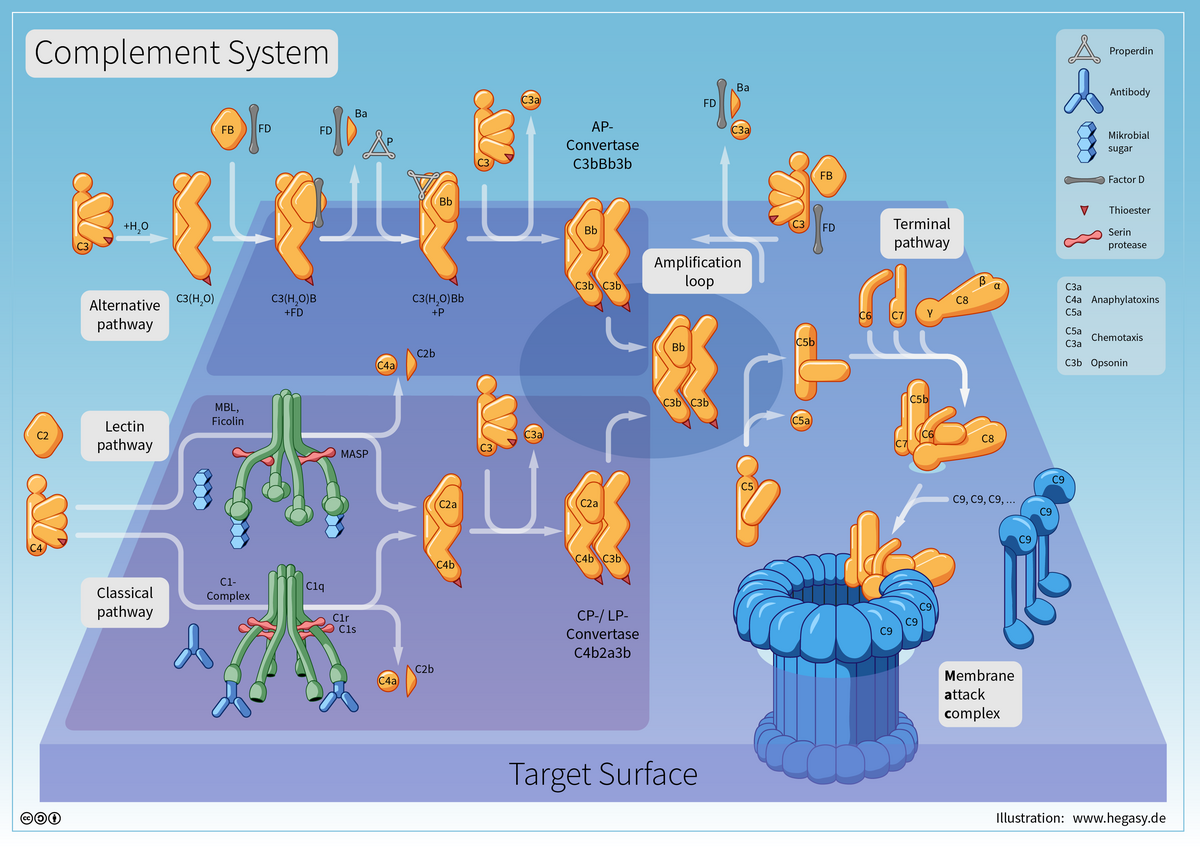
The classical, alternative, and lectin pathways converge on shared enzyme steps to trigger downstream immune responses. Guido4, CC BY-SA 4.0, via Wikimedia Commons
Three distinct biochemical pathways trigger the cascade: the classical pathway, the lectin pathway, and the alternative pathway. The classical route relies on antibodies bound to foreign targets, while the alternative and lectin routes activate directly from spontaneous protein breakdown or foreign surfaces. All three routes converge on an enzyme called C3-convertase, which splits the protein C3 into active fragments named C3a and C3b.
How complement destroys pathogens
Once triggered, the cascade executes three main defense tasks. Small fragments like C3a and C5a act as inflammatory signals that recruit immune cells and cause smooth muscle contraction. Meanwhile, C3b fragments coat the target in a process called opsonization, signaling macrophages and neutrophils to ingest the foreign material.
The final phase builds the membrane attack complex. Triggered by fragment C5b, proteins C6, C7, C8, and multiple C9 units lock together into a transmembrane channel. This ring-shaped complex pierces the target cell wall, driving osmotic lysis where water rushes in until the invader ruptures.
Test yourself
How does the complement system help destroy some pathogens?
It forms a membrane-punching protein complex.. Complement can assemble a membrane attack complex that punches holes in pathogen membranes; signaling phagocytes is another way immune defenses help clear pathogens.
Complement System: What can activate its proteins without prior immune learning?
A foreign surface triggering a protein cascade. Complement can respond to foreign surfaces without prior exposure; antibody recognition depends on specific immune targeting.
How does the complement system identify pathogens?
By detecting foreign cell surfaces. The system reacts to foreign surfaces automatically rather than needing to recognize specific antibodies. It acts independently of prior exposure or learning.
Play the lesson in edgi and the card is yours. It lands on your Map next to the ideas it connects to, and turns from matte to foil to gold as you learn more around it.
Paul Ehrlich coined the name in 1899 to describe a heat-sensitive blood component that complements, or assists, antibody-producing immune cells. Early experiments showed that fresh blood serum could kill bacteria on its own, but heat ruined this capability until fresh serum was reintroduced.
Which activation pathway is most common?
The alternative pathway accounts for the majority of terminal pathway activation. Because of this dominant role, medical therapies designed to treat complement-related diseases focus heavily on inhibiting this specific pathway.