Checkpoint inhibitors: cutting immune system brakes
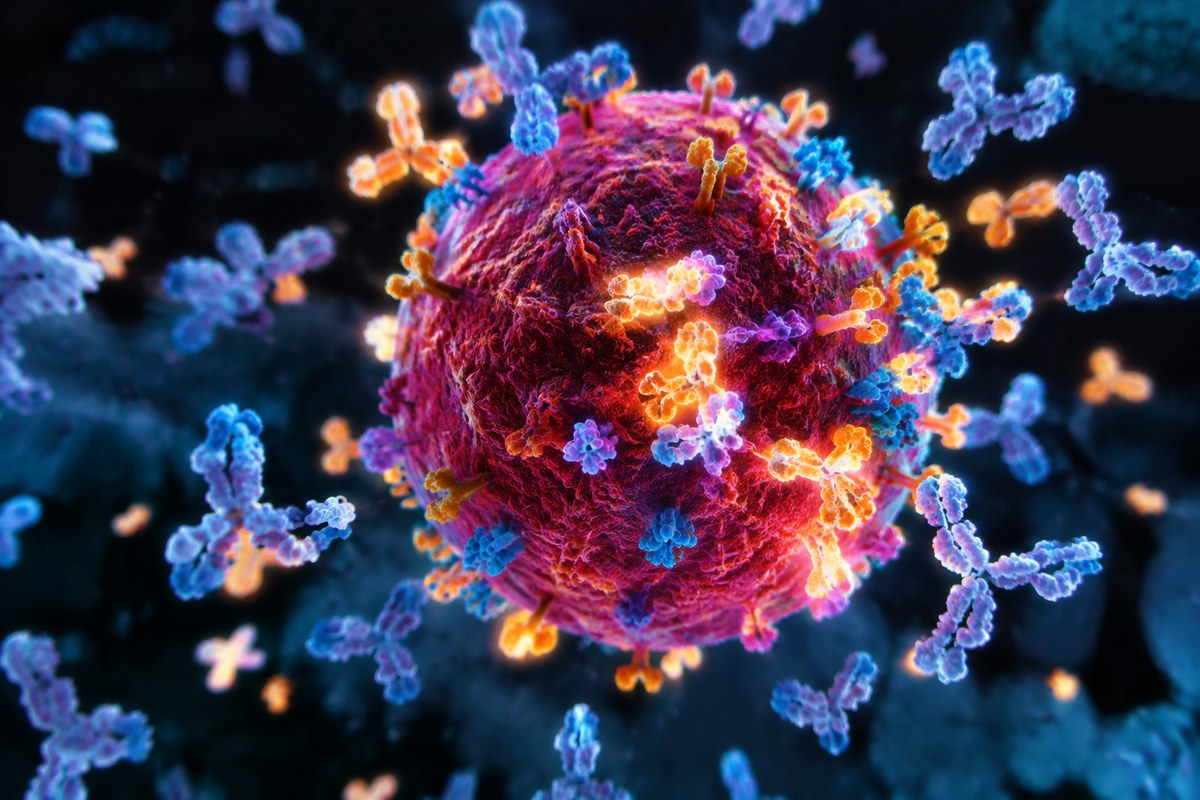
A checkpoint inhibitor is a type of cancer immunotherapy drug that stops cancer cells from switching off your body's immune defenses. Instead of attacking tumors directly with poison or radiation, these drugs block specific brake proteins on immune cells, freeing white blood cells to hunt down and destroy abnormal tissue.
By the edgi team We find the most surprising true thing about an idea and build a 60-second lesson around it.
Your immune system relies on specialized white blood cells called T cells to hunt down invaders and abnormal growths. To prevent the body from attacking itself, T cells carry built-in regulatory receptors that act as molecular off-switches.
Cancers survive by hijacking these checkpoints, presenting signals that whisper to the immune system to stand down.
Cutting the brakes
In the 1990s, researcher James Allison studied Cytotoxic T-lymphocyte associated protein 4, a protein that acts as a major immune brake. While other scientists tried to stimulate weak immune responses, Allison realized the system was already revved up and merely being held back.
He developed antibody therapies to block these inhibitory checkpoints, effectively cutting the brakes so the body could attack the tumor.
A new kind of medicine
Newer drugs target other pathways like Programmed cell death protein 1, allowing the adaptive immune system to recognize hidden cancers. This approach shifted cancer treatment away from toxic radiation and toward harnessing the patient's own living biology.
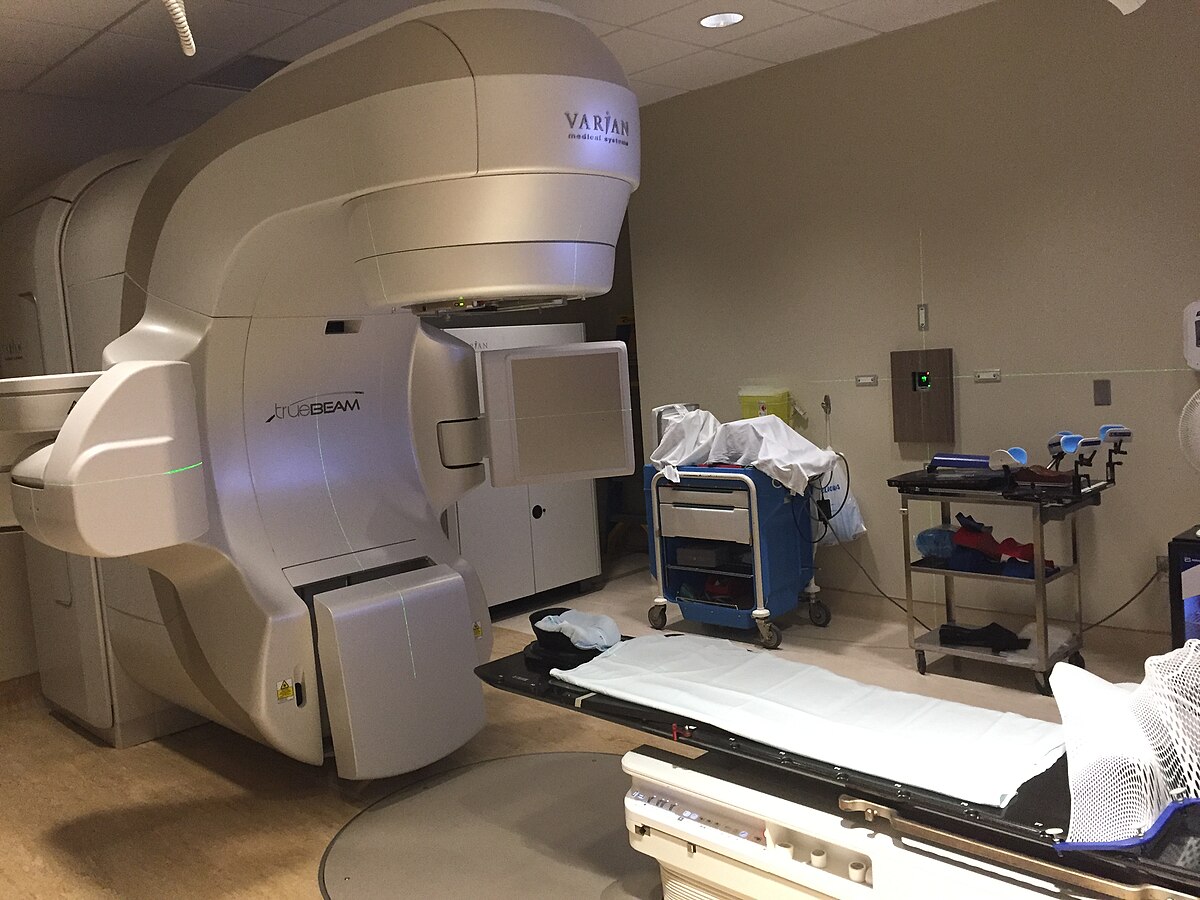
A Varian TrueBeam Linear Accelerator, a large medical device used for delivering Intensity-Modulated Radiation Therapy (IMRT), is shown in a treatment room with a patient bed. Michael Goodyear, CC BY-SA 4.0, via Wikimedia Commons
It birthed the entire field of immunotherapy, turning the body's natural defenses into an evolving medicine.
How immune checkpoints protect tumors
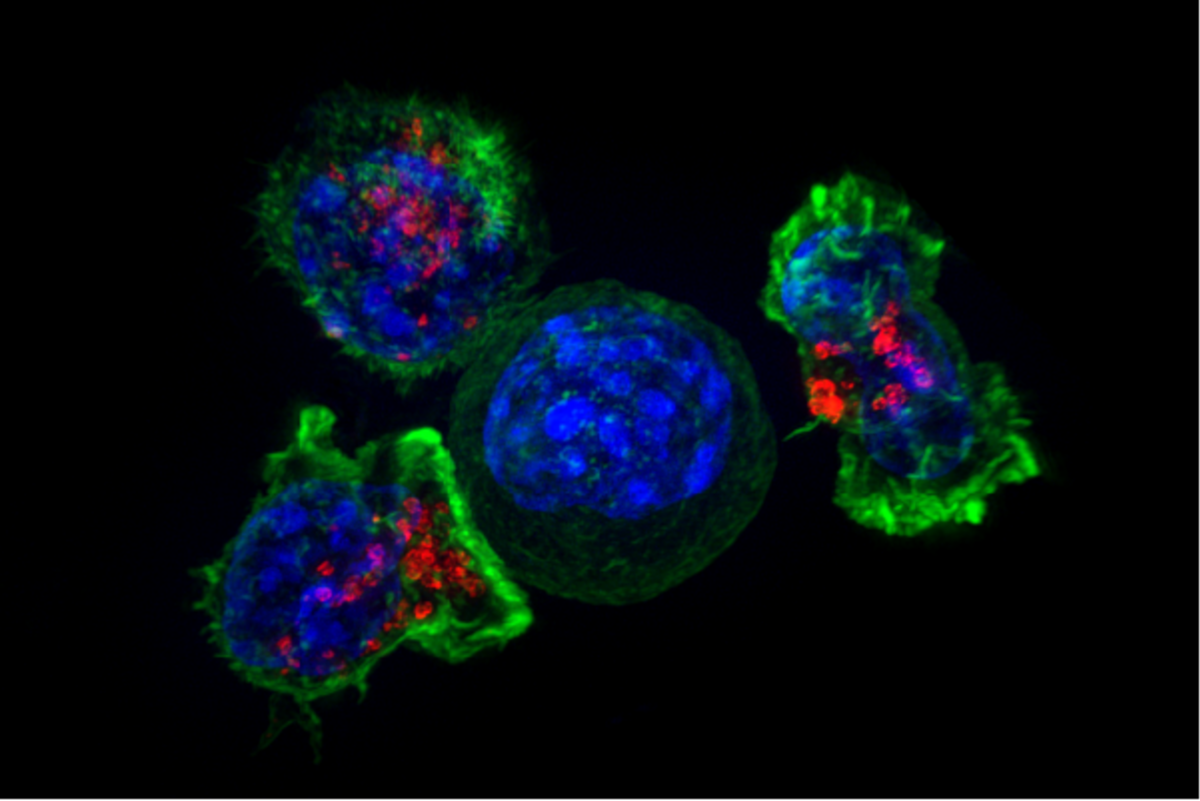
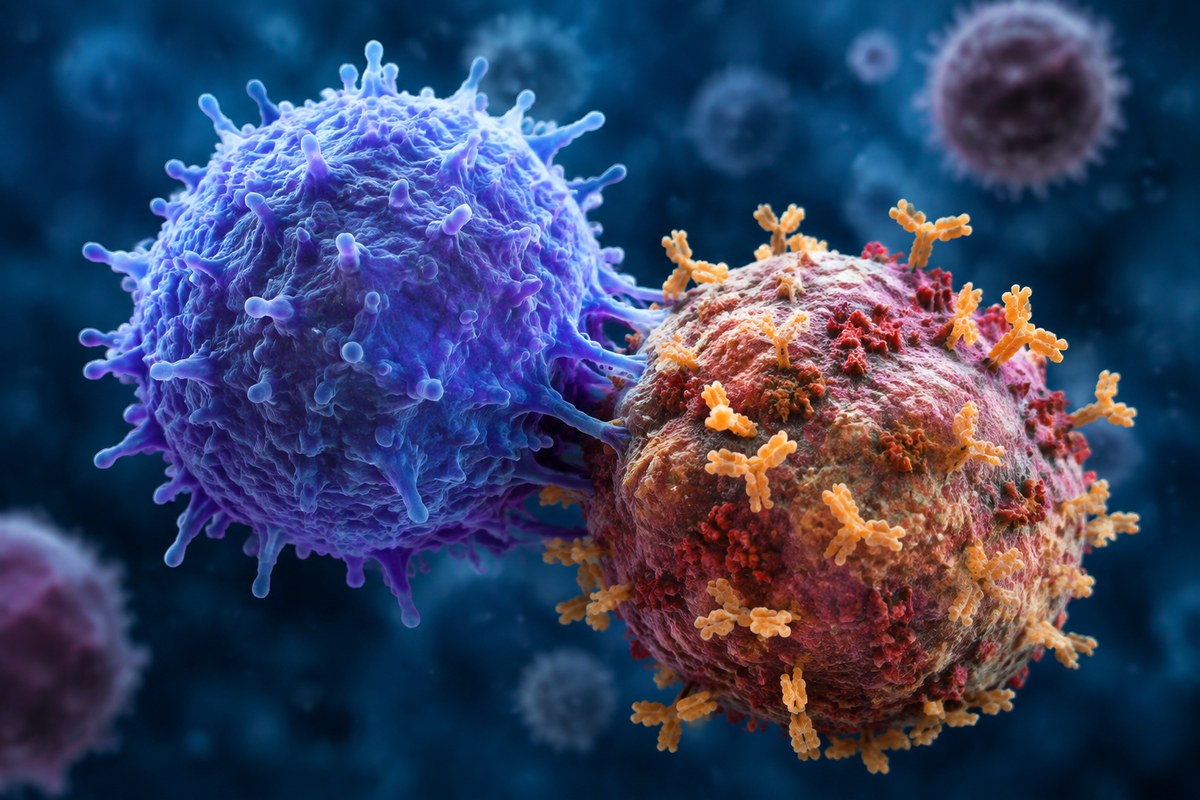
White blood cells called T cells use surface receptors as brakes to keep from attacking healthy body tissue. Tumor cells often protect themselves by producing partner proteins that lock onto these brakes, sending a signal that shuts down the immune assault.
Checkpoint inhibitor drugs are antibodies that bind directly to these brake molecules or their partner signals. By physically blocking the connection, the drugs restore normal T cell activity so the immune system can recognize and destroy the tumor.
Which checkpoint targets are approved?
The first approved checkpoint inhibitor was ipilimumab in 2011, which blocks a T cell receptor called CTLA-4 to treat melanoma. Later therapies target the PD-1 receptor and its partner molecule PD-L1. When cancer cells express PD-L1, it binds to PD-1 on T cells and stops their attack. Drugs like nivolumab and pembrolizumab block PD-1, while atezolizumab targets PD-L1.
Doctors use these drugs against cancers such as melanoma, lung cancer, kidney cancer, bladder cancer, head and neck cancer, and Hodgkin's lymphoma. Newer combinations also block additional immune targets, such as relatlimab blocking the LAG-3 protein for metastatic melanoma.
Side effects and autoimmune risks
Because these therapies remove natural limits across the entire immune system, they can trigger autoimmune reactions where T cells attack healthy organs. Patients commonly develop inflammation of the colon, known as colitis, or inflammation of the thyroid that causes hypothyroidism.
Other side effects include dermatologic reactions, liver inflammation, and hypophysitis, which occurs more specifically with CTLA-4 blockers. Researchers have found that gut bacteria, including species in the genus Bacteroides, influence the risk of these toxicities.
Test yourself
A tumor uses a checkpoint signal to suppress T cells. What can checkpoint inhibitors do?
Block the signal so T cells can attack. Blocking the checkpoint can release T cells from suppression so they can attack the tumor.
How do checkpoint inhibitors help fight cancer?
They block signals that restrain T cells. They block inhibitory signals that hold T cells back, rather than killing tumor cells directly.
A tumor uses a checkpoint signal to suppress T cells. What can checkpoint inhibitors do?
Block the signal so T cells can attack. Blocking the checkpoint can release T cells from suppression so they can attack the tumor.
Play the lesson in edgi and the card is yours. It lands on your Map next to the ideas it connects to, and turns from matte to foil to gold as you learn more around it.
Who won the Nobel Prize for discovering checkpoint therapy?
James P. Allison and Tasuku Honjo won the Nobel Prize in Physiology or Medicine in 2018 for their basic science discoveries that made checkpoint inhibitor therapies possible.
What are intracellular checkpoint inhibitors?
These are internal cell molecules, such as CISH and CBLB, that act as built-in brakes inside T cells by targeting signaling pathways for degradation. In preclinical models, removing CISH increases T cell survival and boosts the response when combined with PD-1 blockers.