The biological bouncer
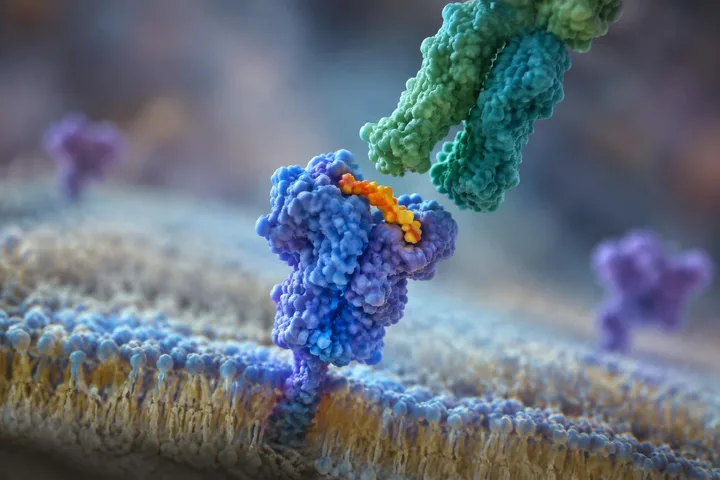
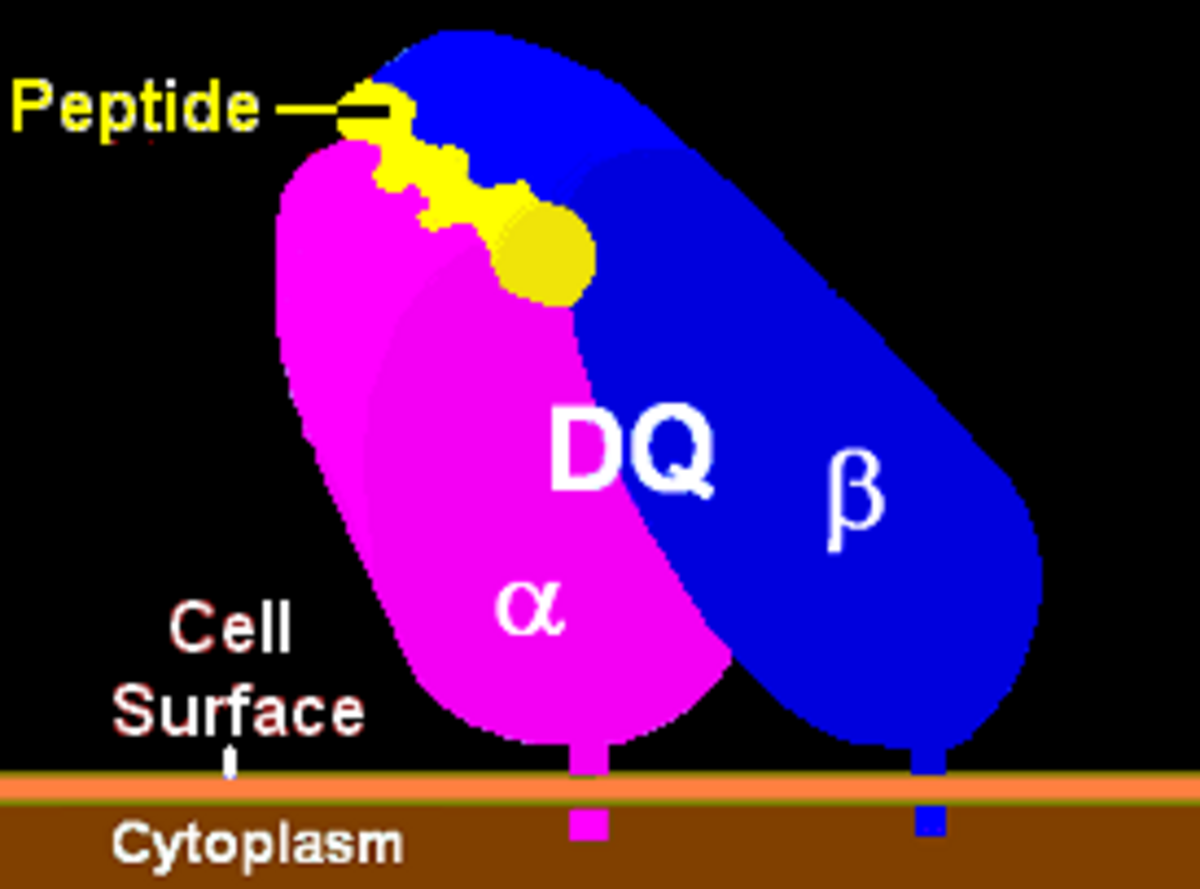
Your body is a nightclub where every cell must show a valid ID to the bouncers. These IDs are proteins called Human leukocyte antigen. If a cell presents the wrong ID, the immune system destroys it immediately.
Immunology is the branch of biology and medicine that studies how immune systems protect organisms from disease. It investigates how the body recognizes foreign invaders like bacteria and viruses while leaving its own healthy tissues intact. When this balance fails, the immune system can either leave the body defenseless or mistakenly attack its own cells.

By the edgi team We find the most surprising true thing about an idea and build a 60-second lesson around it.
Your body is a nightclub where every cell must show a valid ID to the bouncers. These IDs are proteins called Human leukocyte antigen. If a cell presents the wrong ID, the immune system destroys it immediately.
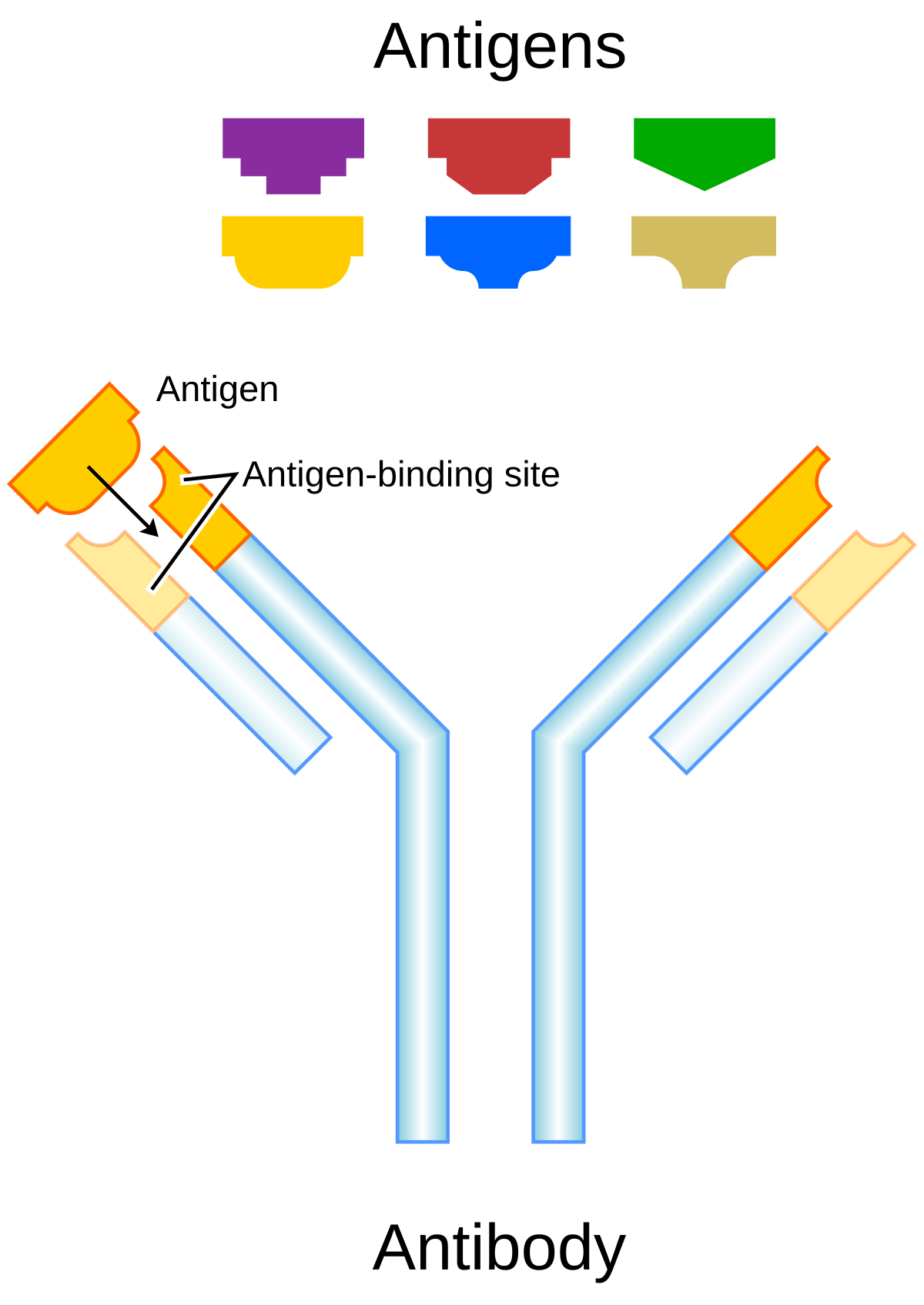
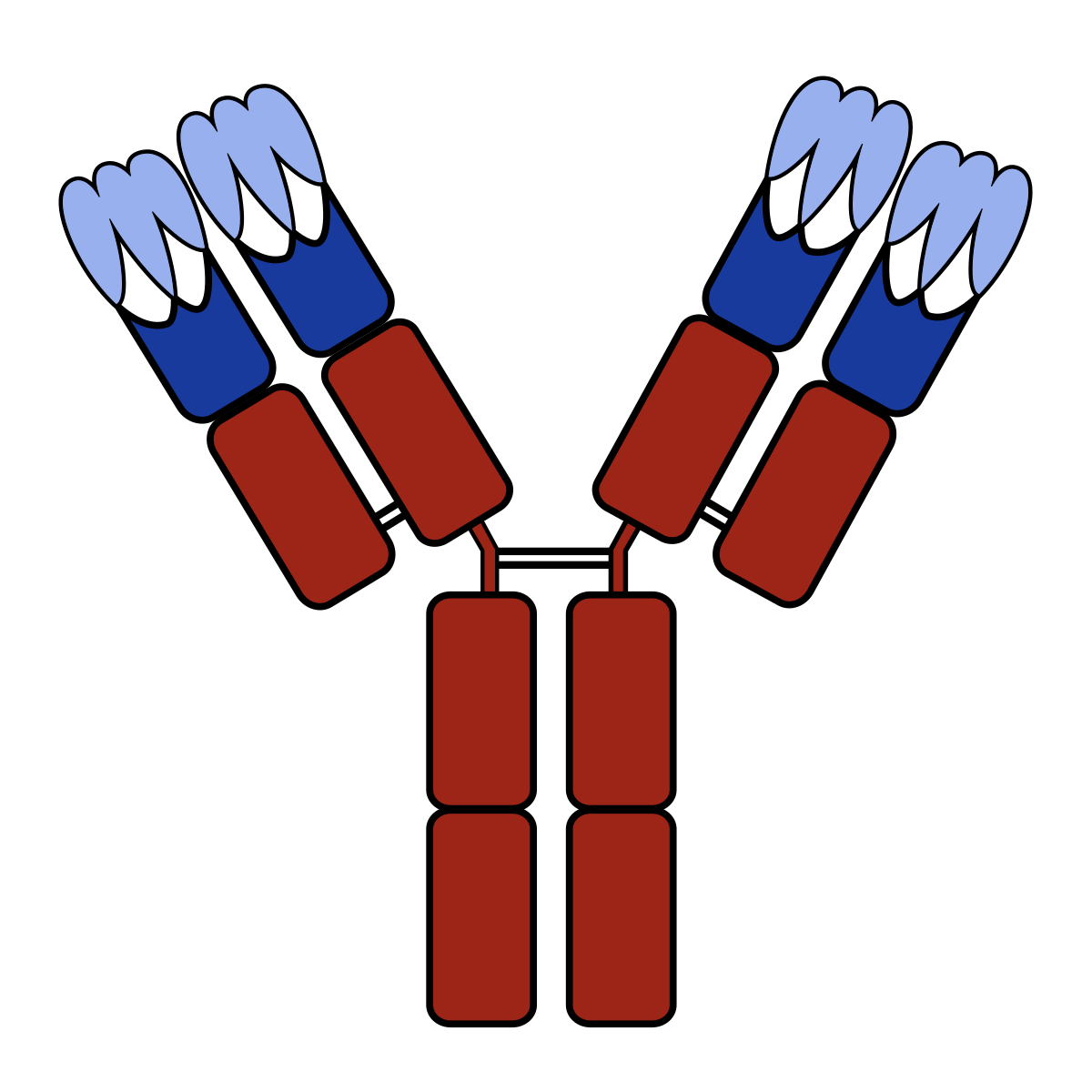
Beyond bouncers, your body keeps a library of 'Wanted' posters for every pathogen it has ever defeated, often using an antibody as a specific marker. In 1796, Edward Jenner proved we could pre-load this library using a vaccine. He used cowpox to train the system to recognize the deadly smallpox virus.
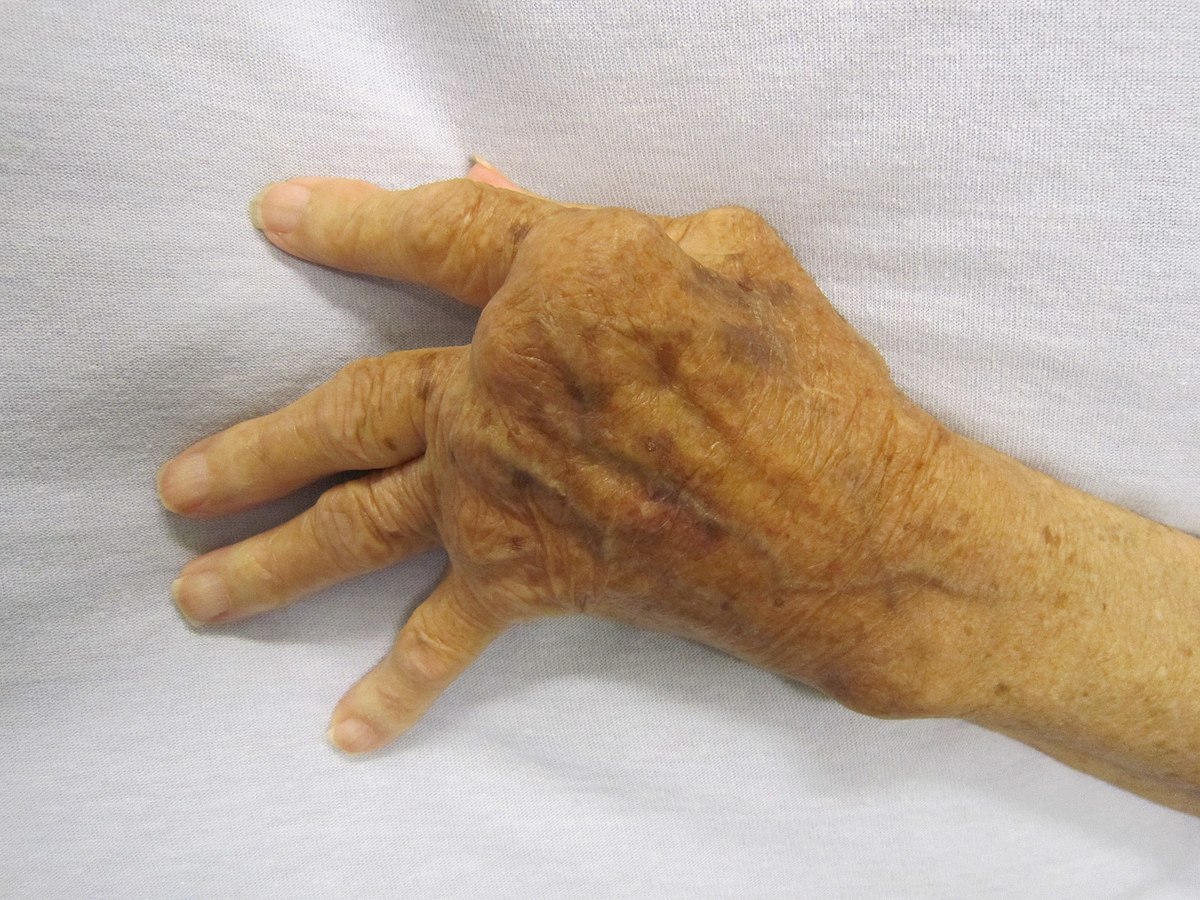
Immunology is the study of how this system balances protection and destruction. If the system mislabels 'self' as 'threat,' it triggers an immune disorder. The body then attacks its own healthy tissue, turning its most powerful weapon against itself.
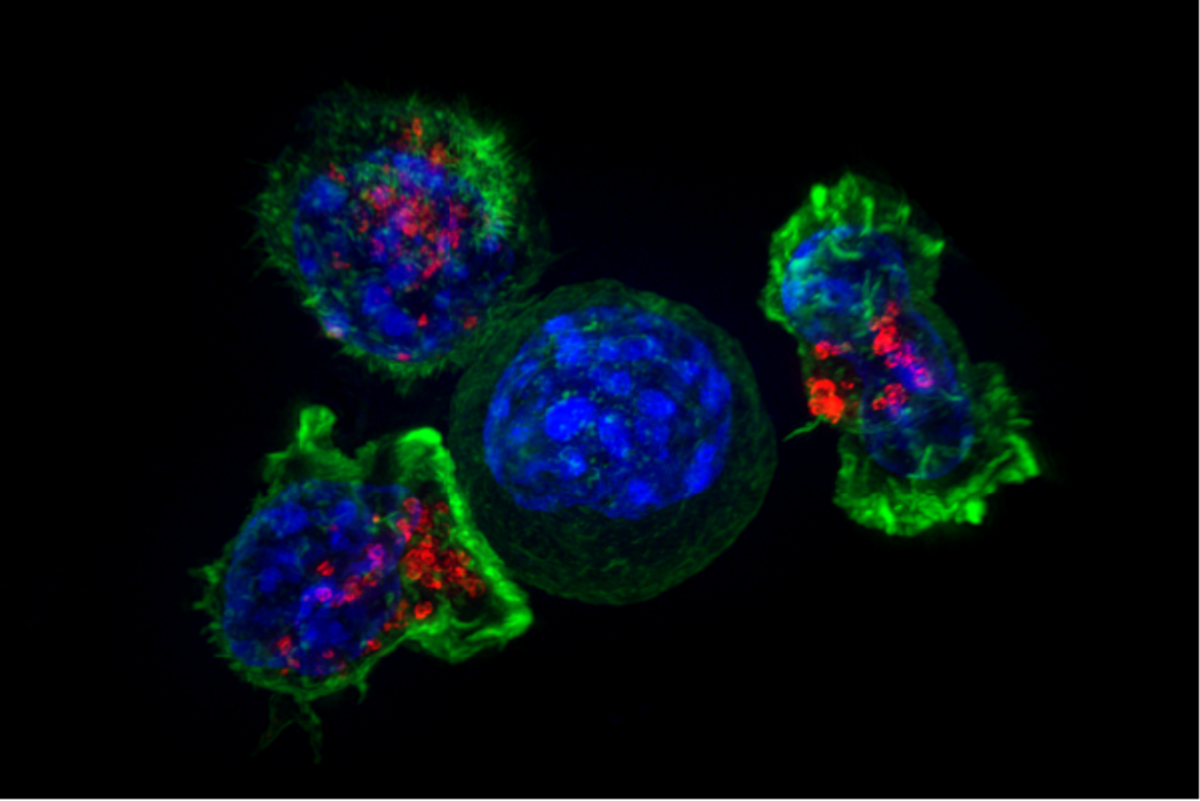
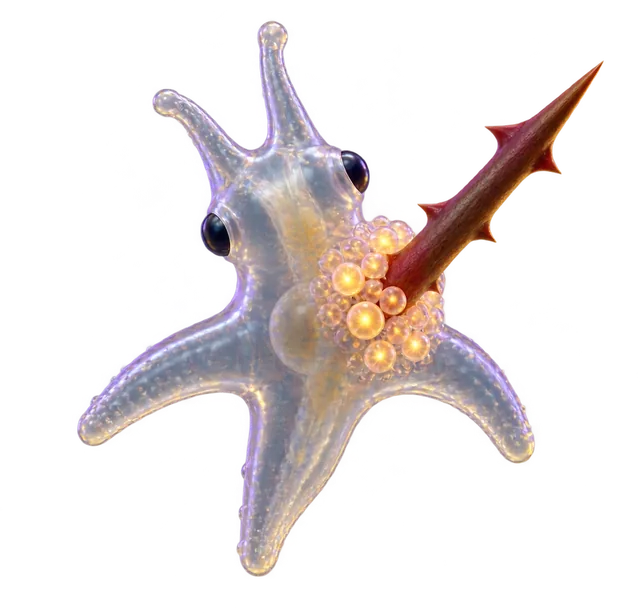
Russian biologist Ilya Ilyich Mechnikov coined the term immunology after sticking small thorns into starfish larvae, discovering that mobile cells quickly surrounded the foreign objects to protect the organism. This process, called phagocytosis, revealed how specialized cells engulf and digest invaders.
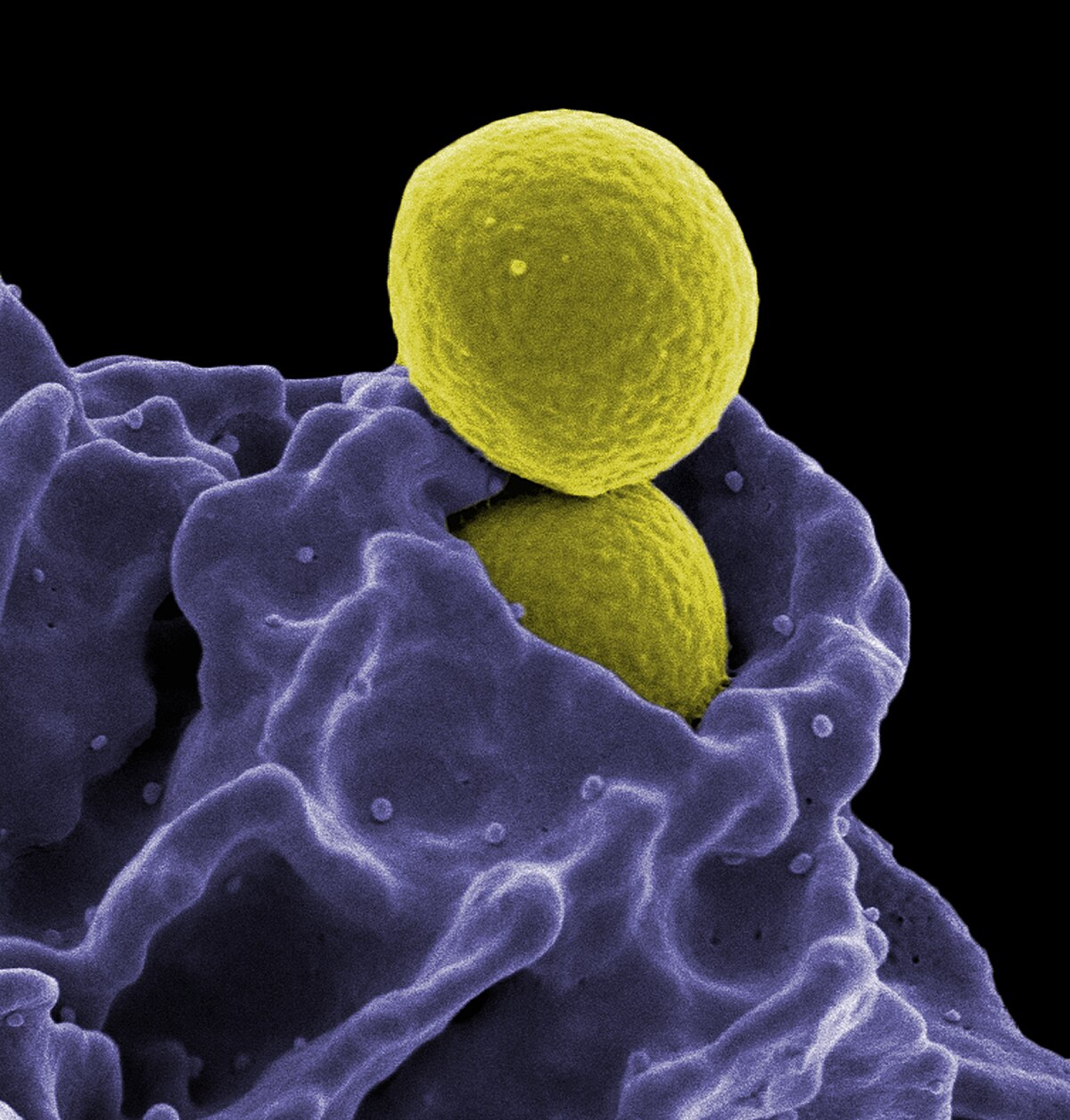
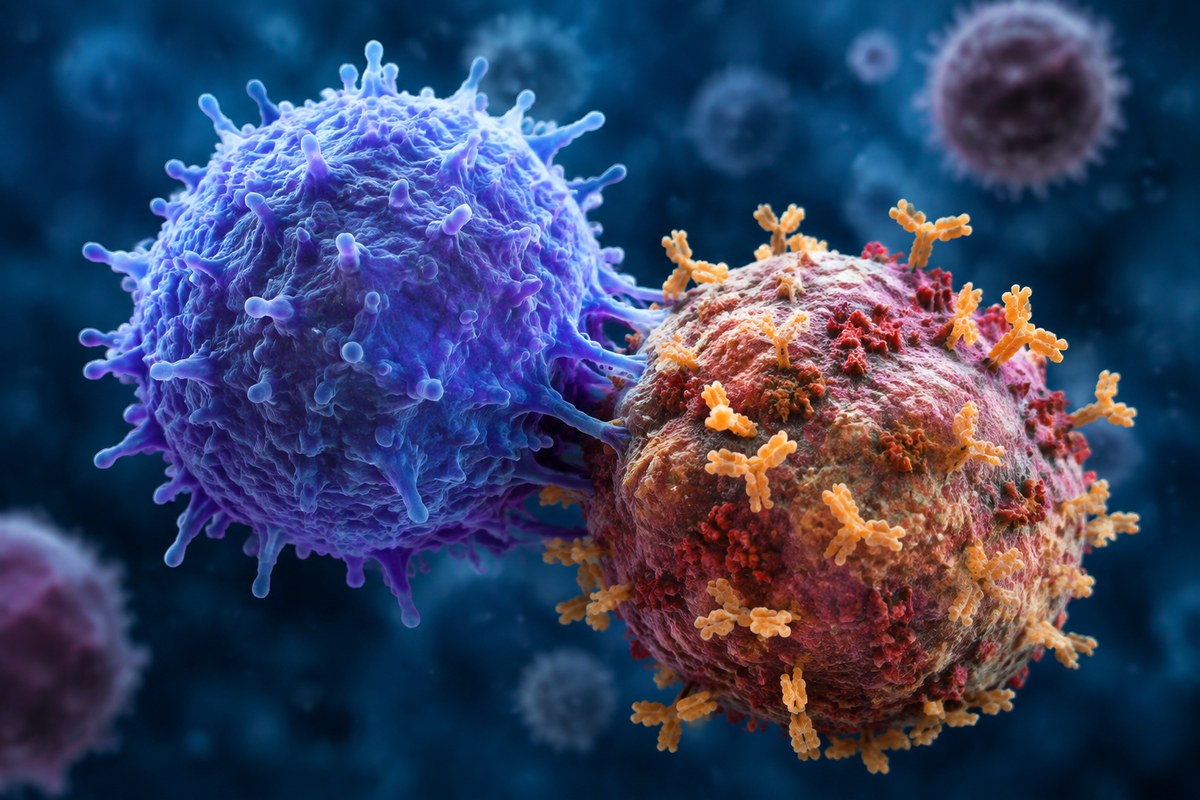
The immune system relies on antigens, which are substances that trigger an immune response. Specialized cells called B lymphocytes recognize these antigens and release antibodies. Antibodies do not directly kill pathogens; instead, they bind to specific antigens and mark them for destruction by scavenger cells like phagocytes or natural killer cells.
Clinical immunology studies diseases caused by failures, abnormal activity, or malignant growths in the immune system. When the system is underactive, a condition known as immunodeficiency occurs, leaving the host vulnerable to infections.
Conversely, the system can lose its ability to distinguish self from non-self. In autoimmune diseases such as rheumatoid arthritis, Hashimoto's disease, and systemic lupus erythematosus, immune cells mistakenly attack the host's own healthy tissues. Immune reactions also play a role in hypersensitivities like asthma, as well as conditions like Alzheimer's disease and cardiovascular disorders.
In immunology, what happens when immune memory recognizes a previously encountered pathogen?
It can recognize the pathogen and respond more quickly.. Immune memory helps the system recognize a pathogen it has encountered before and respond to it; familiarity does not make the pathogen harmless.
An immune disorder occurs when the body fails to maintain its library of wanted posters and leaves itself defenseless against external pathogens.
False. Immune disorders arise from overactivity, not underactivity, where the system misidentifies healthy self-cells as threats. It attacks the host rather than failing to track invaders.
Collectible card
Play the lesson in edgi and the card is yours. It lands on your Map next to the ideas it connects to, and turns from matte to foil to gold as you learn more around it.
The immune system includes lymphoid organs such as the thymus, bone marrow, spleen, tonsils, lymph nodes, adenoids, liver, and lymph vessels. Many immune components are also cells that circulate directly through the bloodstream and other tissues.
Immunotherapy is a treatment approach that uses immune system components, regulating factors, or antigens to fight diseases. It is commonly used to treat certain cancers, allergies, immune deficiencies, and autoimmune disorders like Crohn's disease.
Because antibodies bind tightly to specific antigens, scientists attach fluorescent tags, radioisotopes, or color-forming enzymes to them to detect target molecules. However, similar antigens can sometimes cause antibodies to cross-react, leading to false positives.
Part of the Set · 8 cards
Almost every cell in your body carries an ID badge. Show the wrong one, or none, and your own immune system kills it.
Learn the whole SetLesson complete
You finished the lesson. In edgi, the card goes on your Map next to everything else you learn.