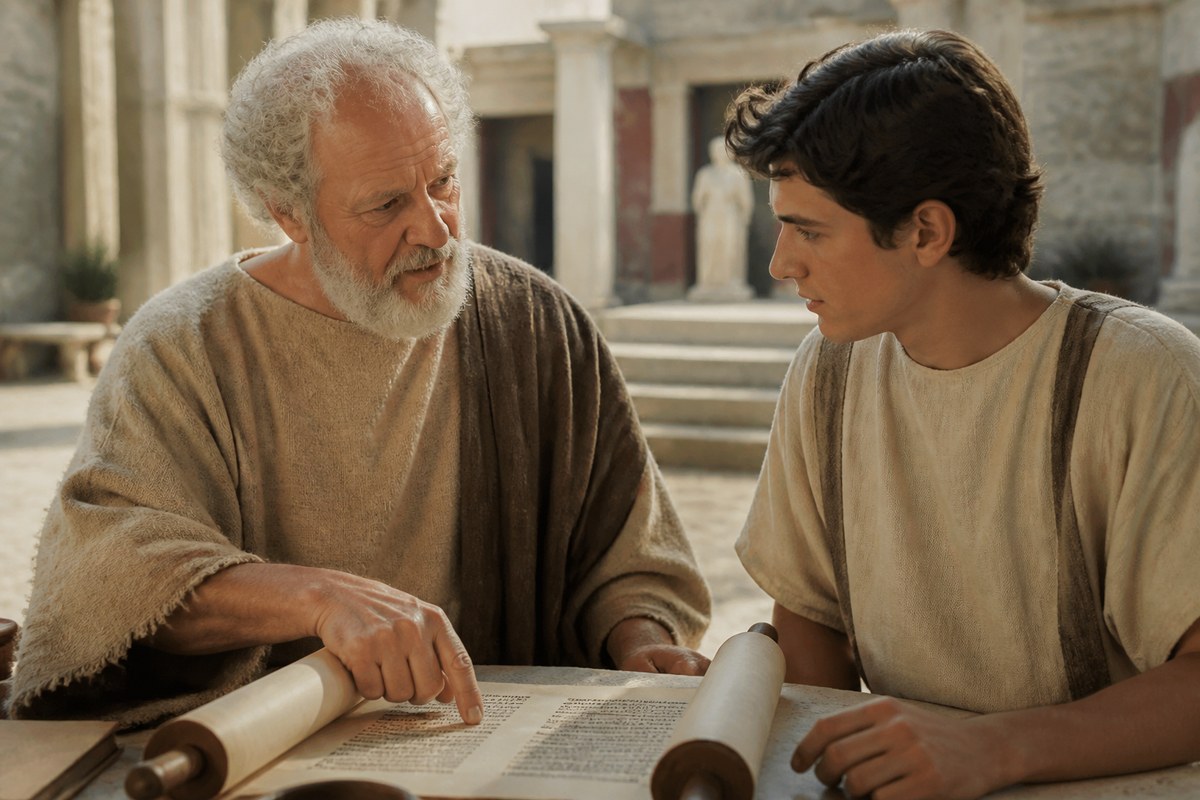
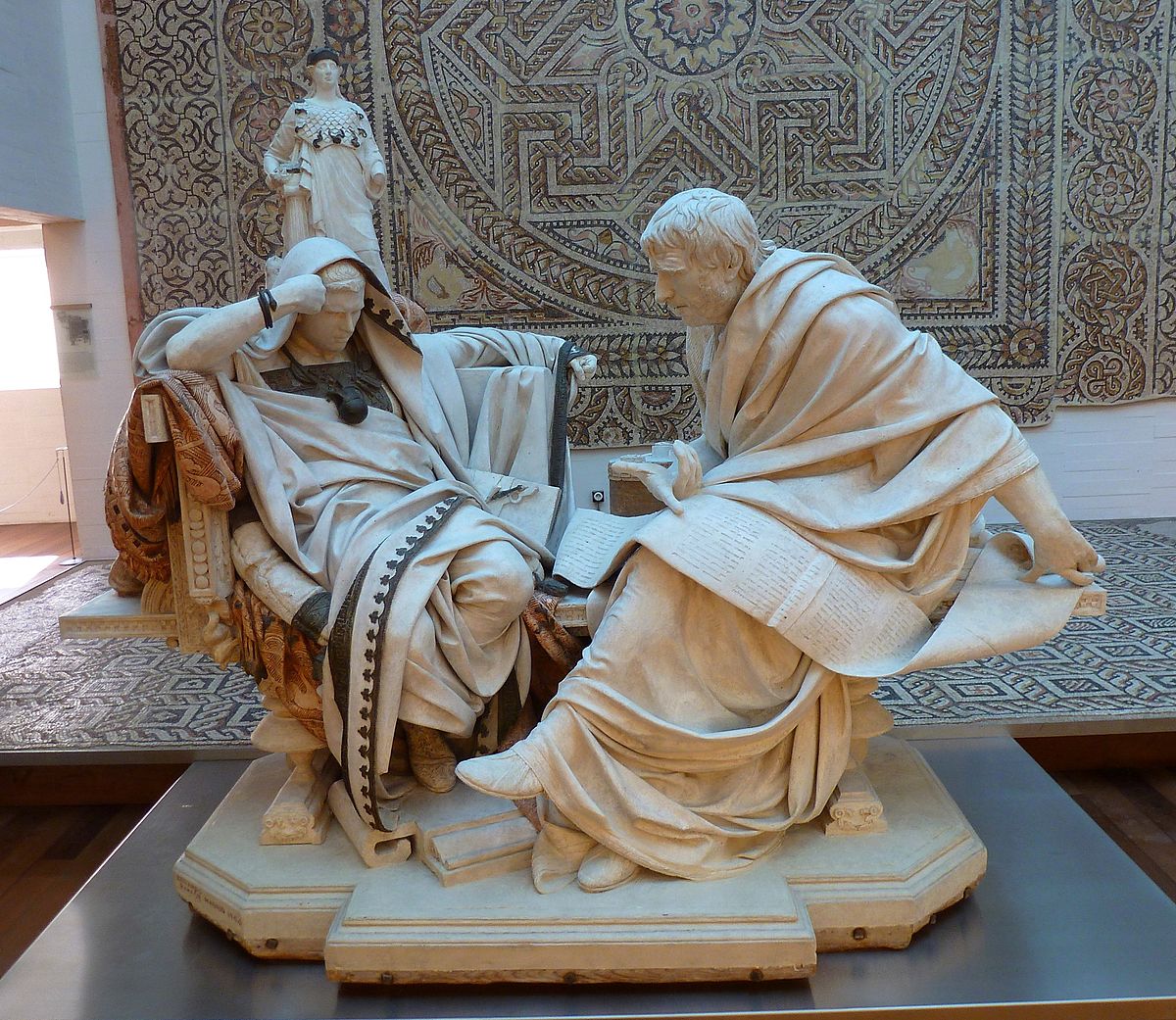
Epictetus was a Greek Stoic philosopher who lived in the first and second centuries AD, spending his early life as an enslaved person in Rome. He taught that people must divide reality into what they can control and what they cannot, maintaining inner calm by focusing only on their own choices. His ideas, recorded by his student Arrian, became a founding pillar of practical Stoic ethics.
By the edgi team We find the most surprising true thing about an idea and build a 60-second lesson around it.
Born a slave in Hierapolis, Epictetus served in Nero's court. His master, an abusive man, once twisted Epictetus's leg in a fit of rage. Epictetus calmly warned him that the bone would snap. When it did, he simply looked up and said, Did I not tell you?
He didn't complain or scream. He proved that even while your body is under someone else's control, your mind remains yours alone.
The core practice
Epictetus taught that suffering doesn't come from events themselves, but from our frantic demand that the world behave exactly as we want. He called this the dichotomy of control: sort everything into what you can change and what you cannot.
If you focus only on your own actions and choices, you become immune to the whims of fortune.
The survival manual
Epictetus never wrote a book. He lived a simple life in Nicopolis, teaching students until his death. His student Arrian sat in the front row, transcribing every word into the Discourses and the Enchiridion.
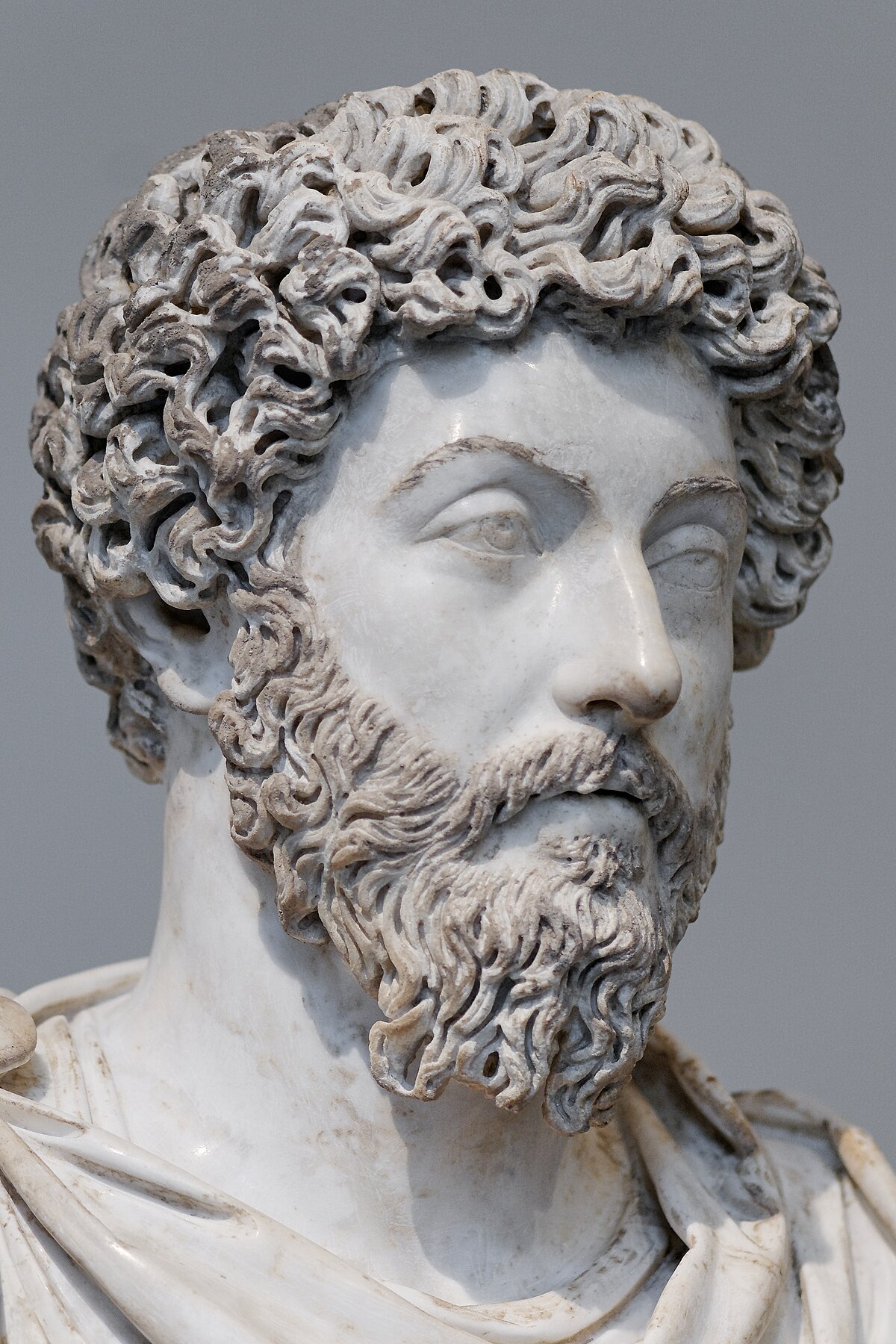
Centuries later, the Roman Emperor Marcus Aurelius read these notes, using them to ground his own private reflections in Meditations.
Marble bust of Marcus Aurelius, the Stoic Roman emperor, depicting him with curly hair and a beard. Marie-Lan Nguyen, Public domain, via Wikimedia Commons
What is the dichotomy of control?
Epictetus argued that philosophy is not abstract theory, but a practical way of life built on self-discipline. He taught that all external events lie completely outside human control. Because outside circumstances cannot be forced to match our desires, frustration and suffering arise entirely from demanding that the world behave differently than it does.
Instead, an individual controls only their own judgment, intentions, and moral actions. By focusing strictly on personal choices and accepting external events without complaint, a person remains free regardless of their physical condition or social station.
How did Epictetus live and teach?
Epictetus was born around AD 50 in Hierapolis and served as a slave to Epaphroditus, a secretary to Emperor Nero. His master permitted him to study under the Stoic philosopher Musonius Rufus, which elevated his education and social standing before he eventually gained his freedom.
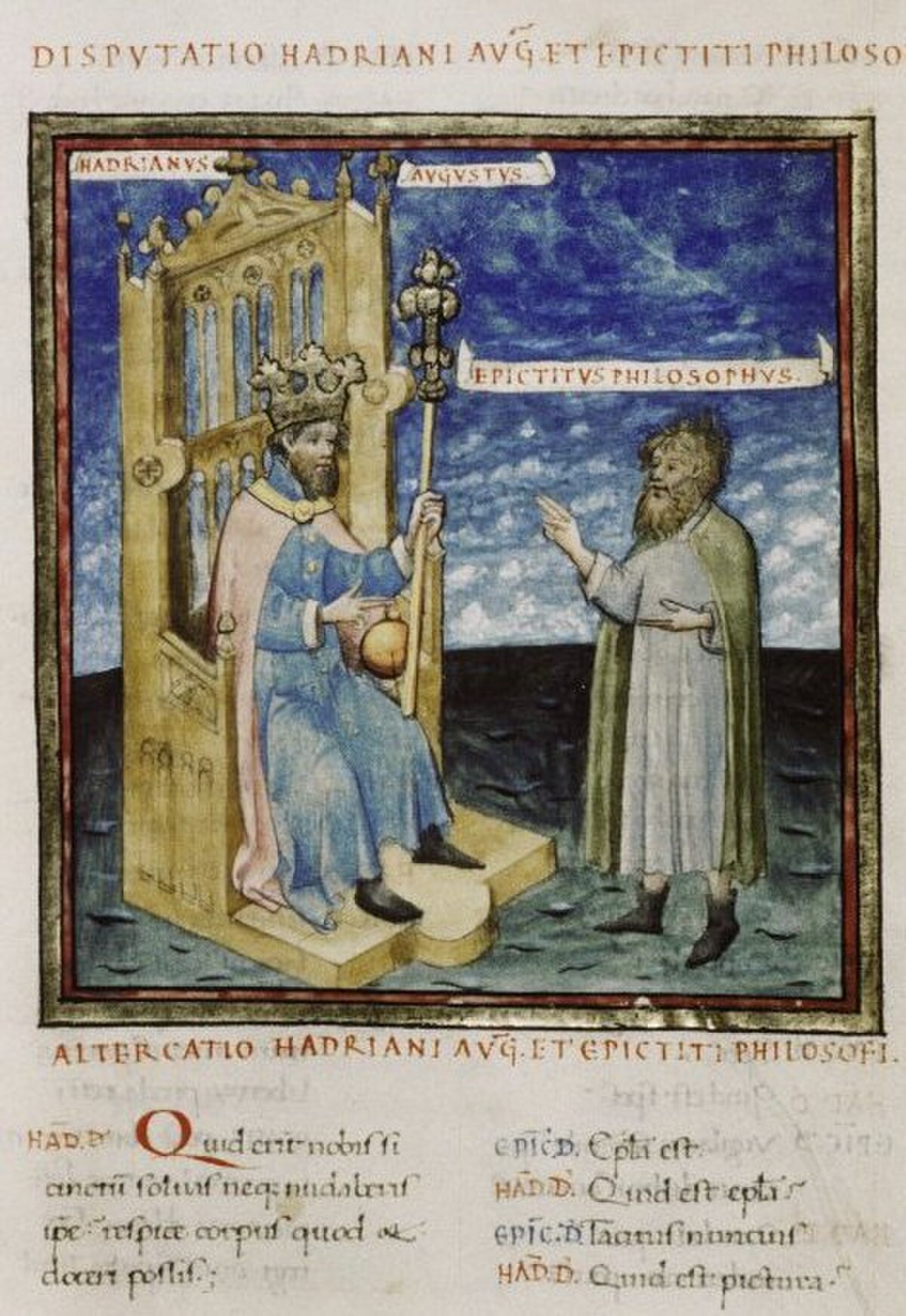
This fifteenth-century manuscript depicts Emperor Hadrian conversing with Epictetus, reflecting the philosopher's lasting influence on Roman rulers. Unknown authorUnknown author, Public domain, via Wikimedia Commons
After Emperor Domitian banished all philosophers from Rome around AD 93, Epictetus moved to Nicopolis in northwestern Greece to establish his own school. He lived simply with few possessions, adopted the child of a friend who faced death, and attracted prominent listeners, including Emperor Hadrian.
Epictetus never wrote a book himself. His student Arrian recorded his lectures word for word, compiling them into the Discourses and a short manual called the Enchiridion.
Test yourself
If someone loses their job, why focus on reaction over recovery?
Recovery depends on factors beyond you. Focusing on reaction keeps your agency intact. Because external recovery involves luck and other people, tying your peace to it leaves you vulnerable to things you cannot actually command.
Is virtue about changing your external circumstances?
No, it is about how you play the role. Virtue is not found in the role assigned by fate, but in the excellence with which we perform whatever role we are given. External outcomes are indifferent to the moral quality of your action.
Why practice remaining calm over small, trivial losses?
To build a reflex for major crises. Training your responses on minor inconveniences creates the mental habits required for major events. If you cannot manage your temper over a broken dish, you will be overwhelmed by greater adversity.
Play the lesson in edgi and the card is yours. It lands on your Map next to the ideas it connects to, and turns from matte to foil to gold as you learn more around it.
The name comes from the Greek word epíktētos, which translates to gained or acquired. His original name given by his parents is unknown.
Which later thinkers did Epictetus influence?
His teachings shaped the Roman Emperor Marcus Aurelius, who cited Epictetus in his Meditations. Later European thinkers who studied his work include Blaise Pascal, Montesquieu, Denis Diderot, and Voltaire.