Zeno of Citium was a Hellenistic philosopher from Cyprus who founded the Stoic school of philosophy around 300 BC. After losing his merchant cargo in a catastrophic shipwreck, he channeled his misfortune into studying under Athenian thinkers. His teachings turned extreme philosophical grit into practical principles of virtue, reason, and peace of mind.
By the edgi team We find the most surprising true thing about an idea and build a 60-second lesson around it.
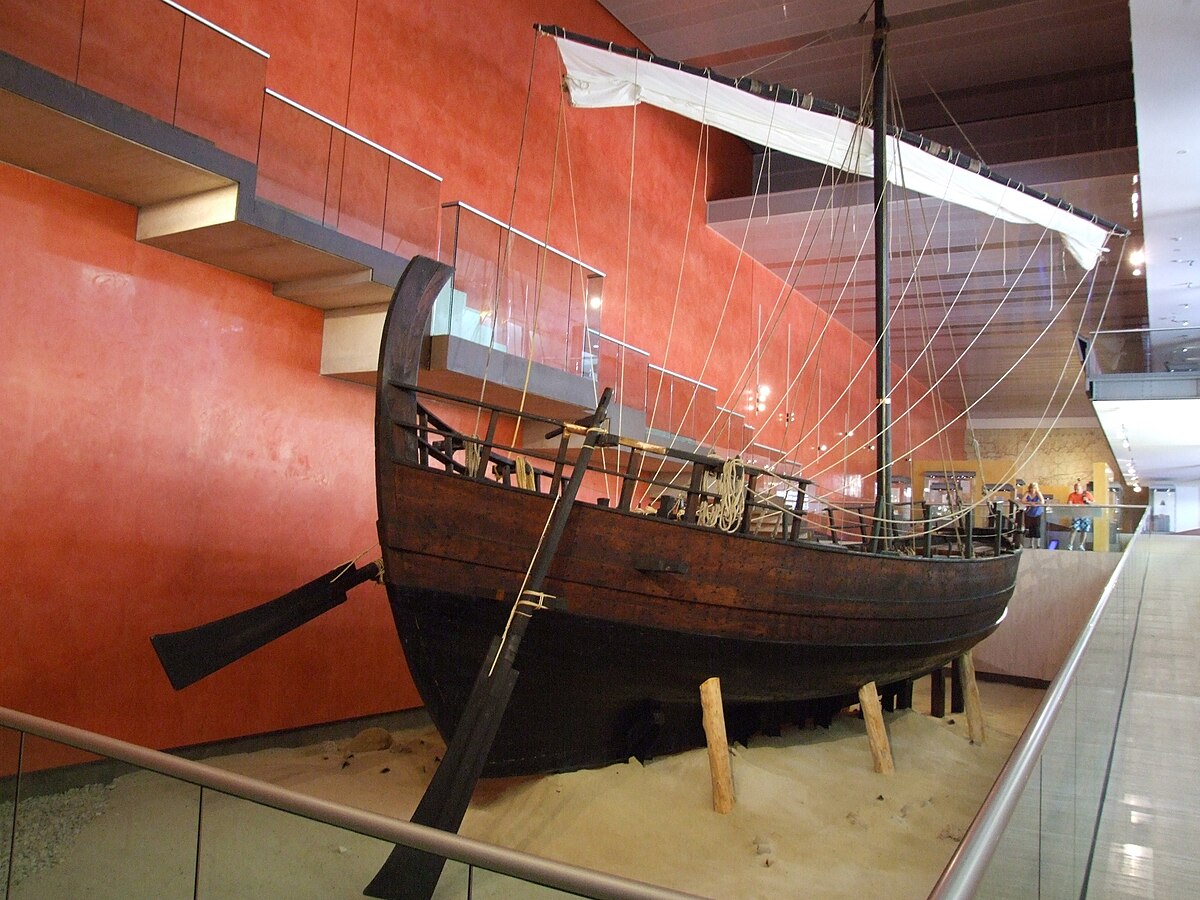
Around 312 BC, a merchant named Zeno was transporting a massive cargo of Phoenician purple dye across the sea. His ship sank. Every single jar of dye was lost to the ocean floor.
A full-scale replica of the Kyrenia ship, a 4th-century BCE Greek merchant ship, displayed indoors in a museum setting. Claus Ableiter, CC BY-SA 3.0, via Wikimedia Commons
Instead of wallowing in ruin, the stranded trader walked into Athens and wandered into a bookstore.
The painted porch
Zeno began studying under Crates of Thebes, a radical philosopher who rejected all material wealth and lived in the streets. Finding the extreme public homelessness of Cynicism a bit much, Zeno adapted the grit into something practical for everyday citizens.
He began lecturing on a public colonnade known as the Stoa Poikile, inviting anyone rich or poor to listen.
The legacy
His porch philosophy became known as Stoicism, focused entirely on virtue, reason, and radical emotional resilience. The bankrupt merchant's ideas eventually became the guiding mindset for both Roman emperors and freed slaves.
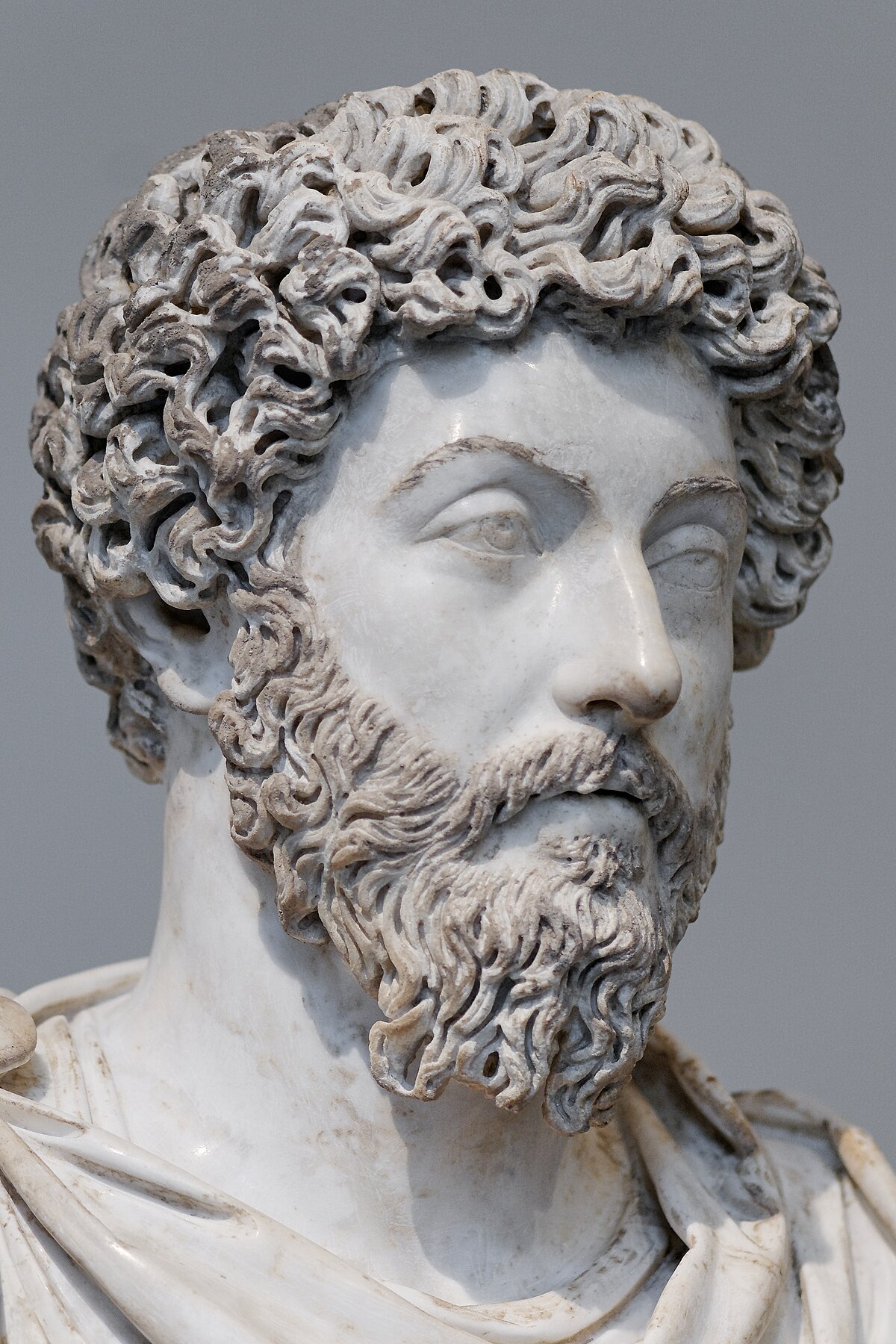
Marble bust of Marcus Aurelius, the Stoic Roman emperor, depicting him with curly hair and a beard. Marie-Lan Nguyen, Public domain, via Wikimedia Commons
How did Zeno develop Stoicism?
Zeno began his philosophical education in Athens after reading Xenophon's Memorabilia in a bookstore, which prompted him to ask where he could find people like Socrates. The bookseller pointed him to Crates of Thebes, the most prominent Cynic philosopher in Greece at the time.
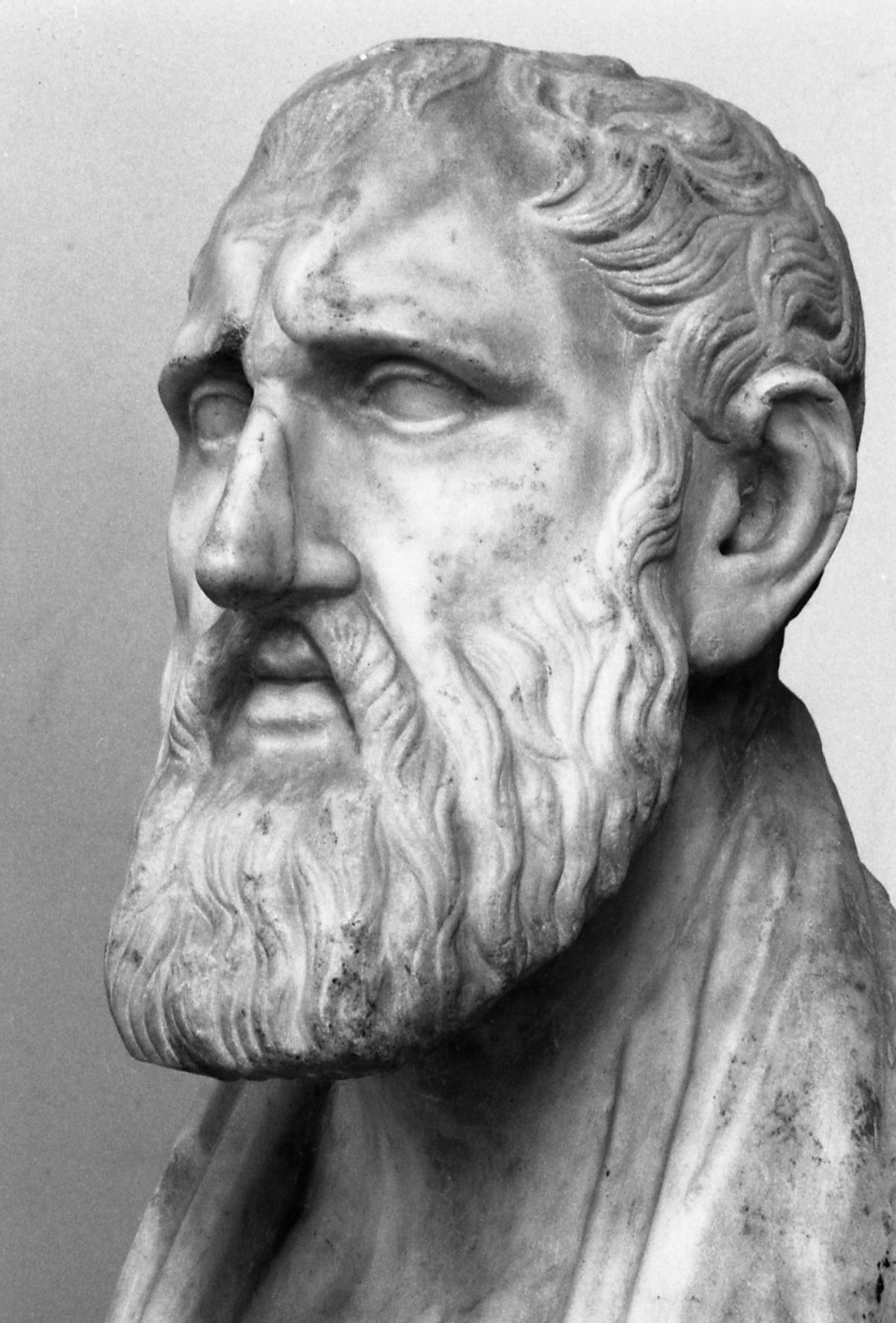
This marble bust captures the earnest, serious expression of Zeno of Citium, who founded the Stoic school after surviving a shipwreck. Paolo Monti, CC BY-SA 4.0, via Wikimedia Commons
While Zeno admired Cynic resilience and lived a spare, ascetic life, he resisted the radical shamelessness that rejected all social norms. To train him out of public embarrassment, Crates once made Zeno carry a pot of lentil soup through the pottery district and smashed it with a staff, covering Zeno in soup when he tried to hide it.
Zeno balanced these Cynic ideas by studying dialectic and logic with thinkers from the Megarian school, including Stilpo and Diodorus Cronus, as well as Platonist philosophy under Xenocrates and Polemo. He merged these traditions into a unified system based on living virtuously in accordance with nature.
Teaching at the Painted Porch
Around 301 BC, Zeno began gathering students at the Stoa Poikile, a painted public colonnade in the Athenian Agora. His followers were originally nicknamed Zenonians before taking the name Stoics from their gathering place.
Zeno favored concise speech over verbose lectures and taught anyone in the open colonnade, drawing both everyday citizens and powerful rulers. King Antigonus II Gonatas of Macedonia visited Zeno whenever he traveled to Athens and invited the philosopher to his court, though Zeno sent his pupil Persaeus in his place.
When Zeno died around 262 BC, his student Cleanthes took over as head of the school. Stoicism flourished across the Hellenistic world, later becoming a dominant philosophy of the Roman Empire and inspiring modern revivals.
Test yourself
Does Stoic philosophy treat emotional distress as something caused directly by external events?
No. Stoicism teaches that events do not upset us, but our judgments about them do. External circumstances are outside our control, leaving our internal response as the only thing we govern.
When applying Stoic principles to a sudden financial setback, what is the primary focus?
Directing energy only to own actions. Stoicism rejects extreme asceticism while demanding rigorous focus on what is within personal control, rather than wasting energy on lost external goods.
An investor loses their life savings in a sudden market crash. What response fits Stoic principles?
Focus entirely on rebuilding actions. Stoicism ignores past loss and fatalism, focusing strictly on what actions remain within your control right now.
Play the lesson in edgi and the card is yours. It lands on your Map next to the ideas it connects to, and turns from matte to foil to gold as you learn more around it.
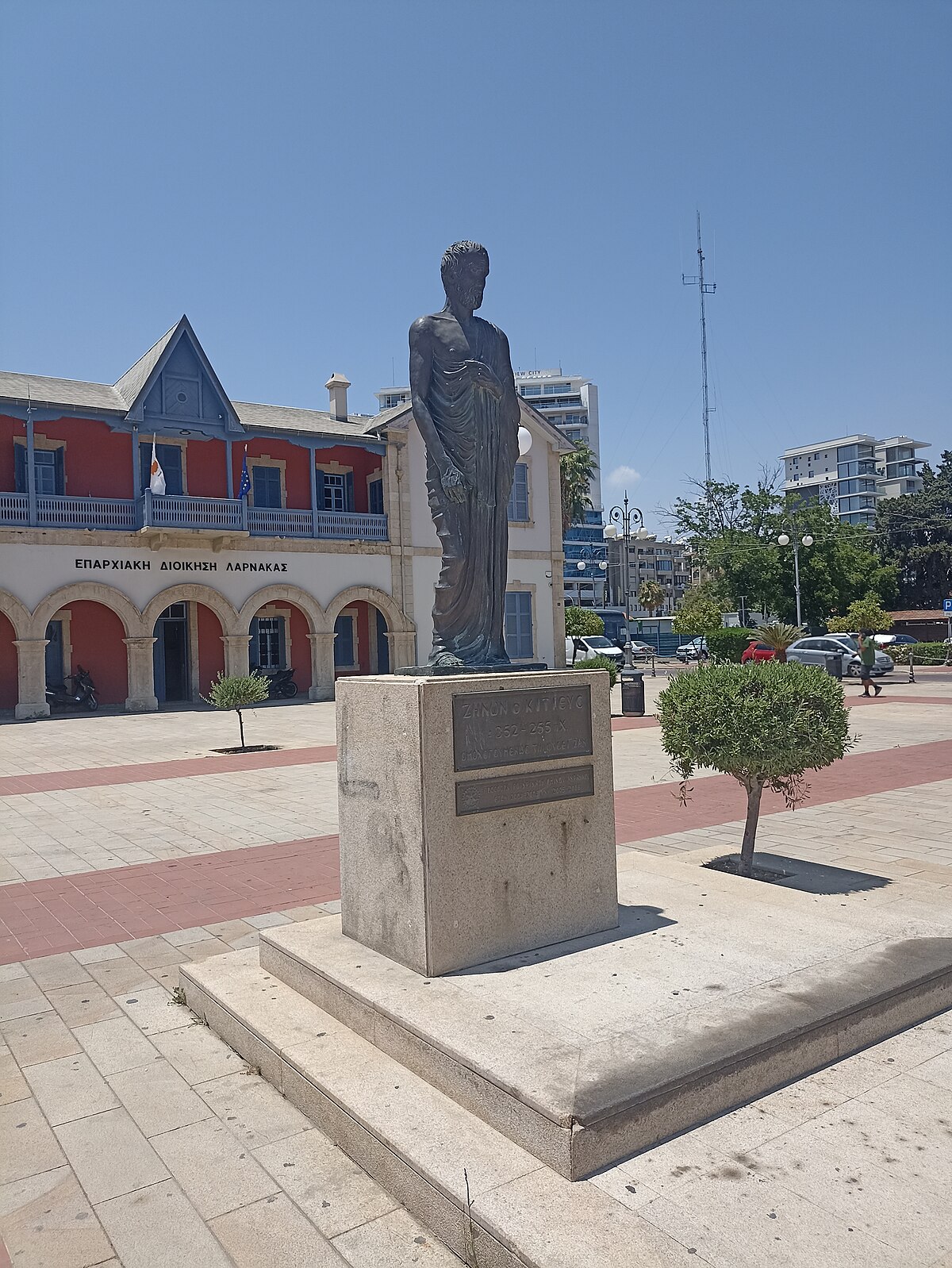
Zeno was born around 334 BC in Citium, a city on the island of Cyprus. The city had both Greek and Phoenician residents, and ancient accounts describe his background as Greek, Phoenician, or a mix of both.
Did Zeno become an Athenian citizen?
No, Zeno declined the offer of Athenian citizenship. He chose to remain loyal to his native Citium, where he had funded the restoration of public baths and was honored with a dedicated pillar.
Who were Zeno's most notable students?
His prominent pupils included Cleanthes, who succeeded him as leader of the Stoic school, along with Aristo of Chios, Sphaerus, and Persaeus. Persaeus lived with Zeno and later represented him at the Macedonian royal court.