Gaius Musonius RufusStoic teacher of women and kings
Gaius Musonius Rufus was a 1st-century Roman Stoic philosopher who taught that philosophy is a practical guide for daily life rather than abstract theory. He became famous for insisting that women possess the same capacity for virtue as men and should receive the exact same education. He survived multiple imperial banishments and trained several major thinkers, including Epictetus.
By the edgi team We find the most surprising true thing about an idea and build a 60-second lesson around it.
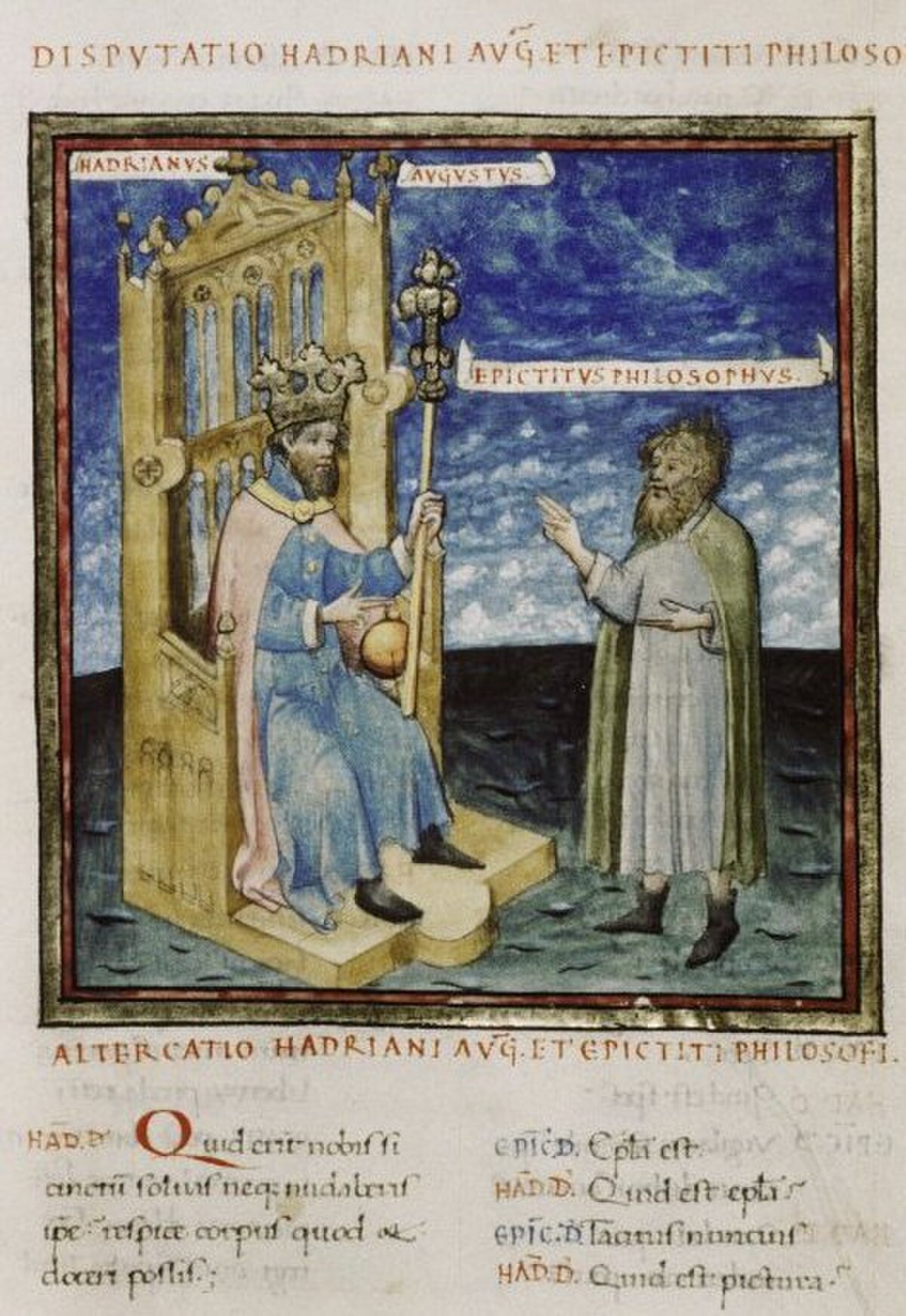
In the 1st century AD, Stoic philosophers were often exiled for speaking truth to power. Musonius Rufus was banished by Nero, then again by Vespasian. He is best known today as the man who taught Epictetus, one of the most famous thinkers of the ancient world.
While his star pupil went on to write the Enchiridion, Rufus left behind a set of practical lectures that read like a manual for daily living.
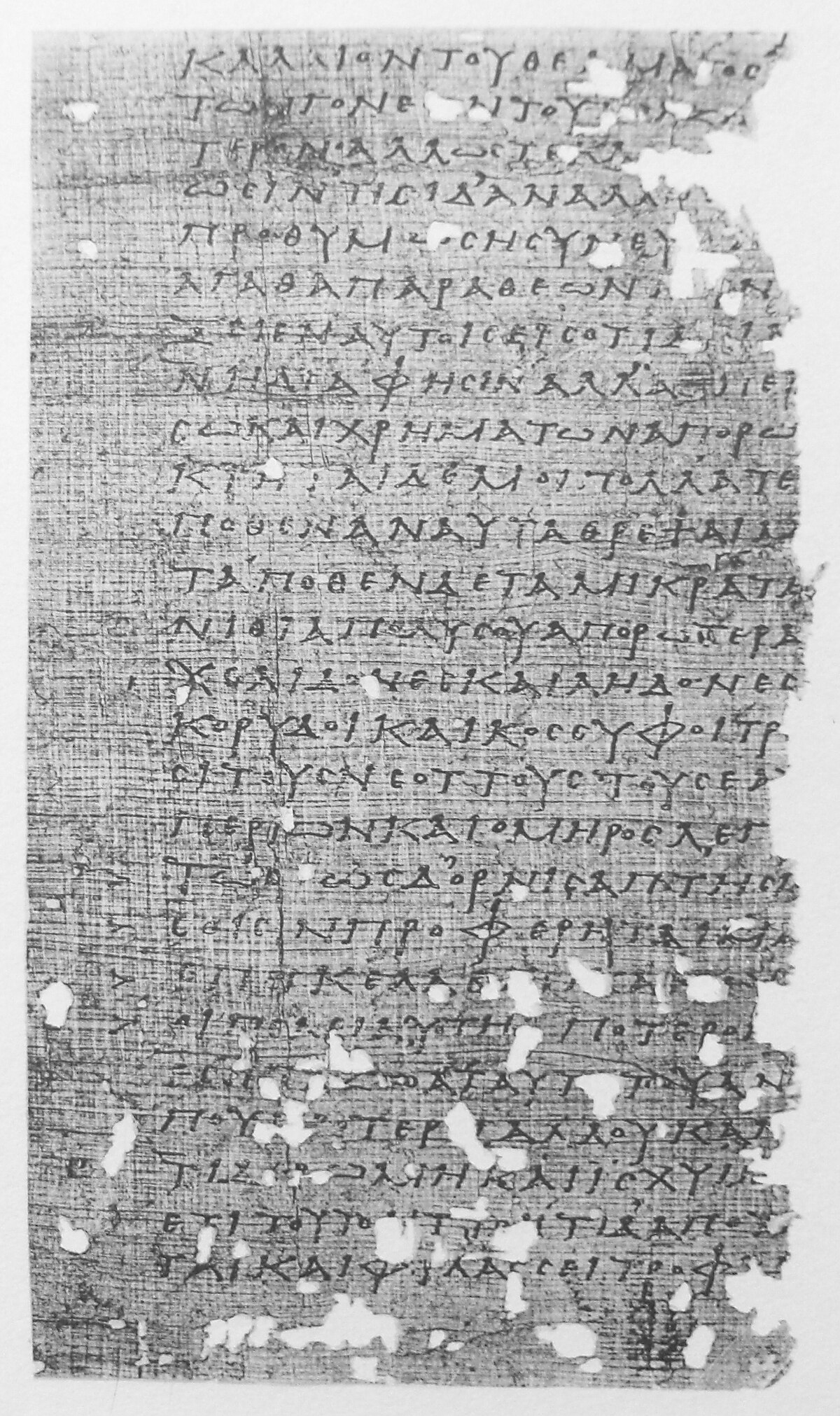
A papyrus fragment, P.Harr. s. o., Public domain, via Wikimedia Commons
Radical equality
Rufus was an outlier in his time for claiming that women possess the exact same intellectual and moral potential as men. He argued that if a woman has the same physical and mental faculties, she must be educated in the same virtues to perform her role in society effectively.
To him, philosophy was not a luxury for the elite, but a necessary practice for everyone, regardless of their social status or gender.
Philosophy in practice
His teachings focused on the ethics of daily life, such as how to eat, how to treat family, and how to bear hardship with grace. He practiced what he preached, living with a level of simplicity that often shocked his Roman contemporaries.
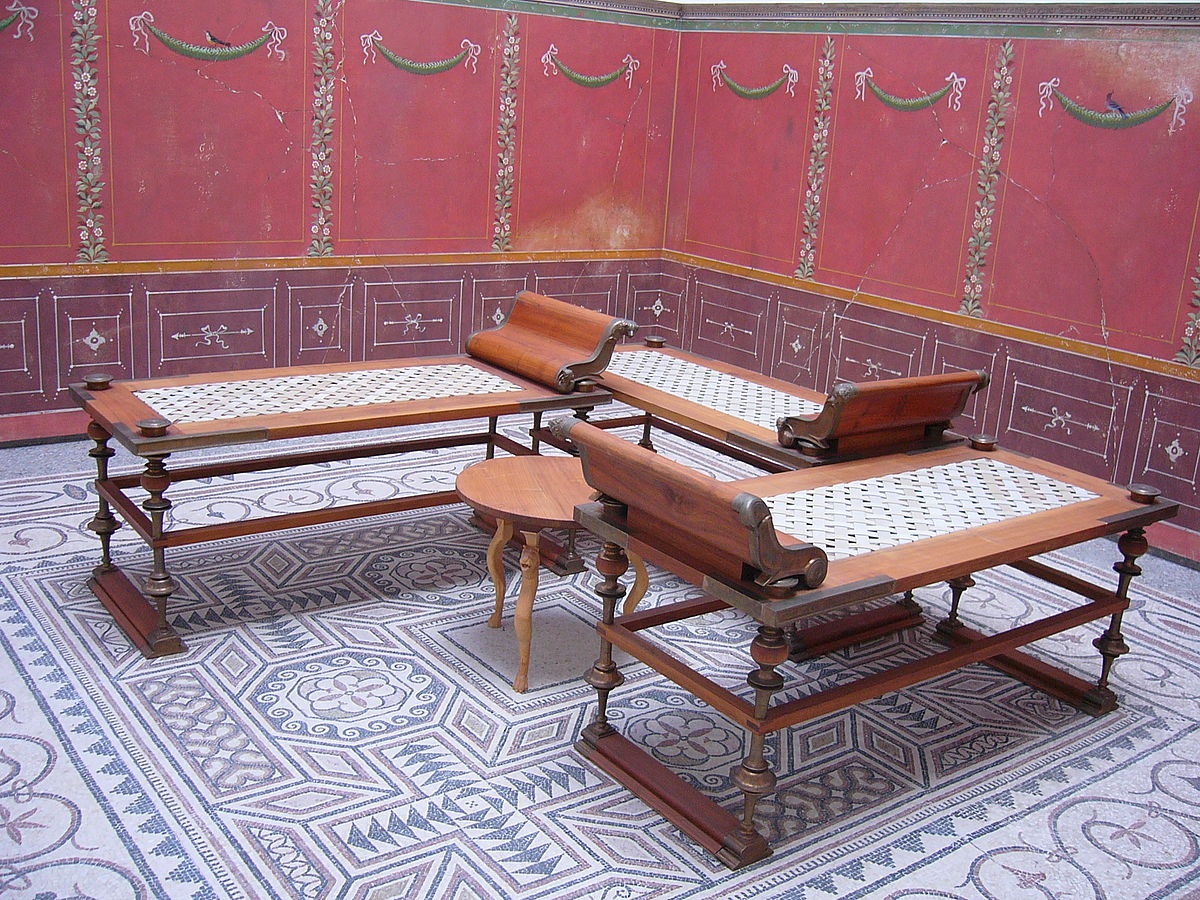
A reconstructed Roman triclinium or dining room, featuring three klinai (couches) arranged around a small table on a geometric mosaic floor. User:Mattes, Public domain, via Wikimedia Commons
By grounding Stoicism in domestic duty, he turned ancient philosophy into a set of actionable tools that anyone could apply to their own life.
What did Musonius Rufus teach?
Musonius Rufus focused his philosophy almost entirely on ethics and practical habits. He viewed philosophy as an art of mental healing and insisted that knowledge is useless unless it guides immediate action. While he acknowledged the value of examining logical fallacies, he showed disgust toward complex sophist debates and gave little attention to abstract physical theories.
His surviving lectures address concrete domestic topics, including proper diet, clothing, furnishings, hair length, and family duties. He taught that people must train virtue through two methods: mental reflection and the physical endurance of bodily hardship. He also argued strongly against the exposure of infants, promoted marriage as the foundation of society, and insisted that kings, women, and common citizens equally require philosophical study to live well.
Why was Musonius Rufus repeatedly exiled?
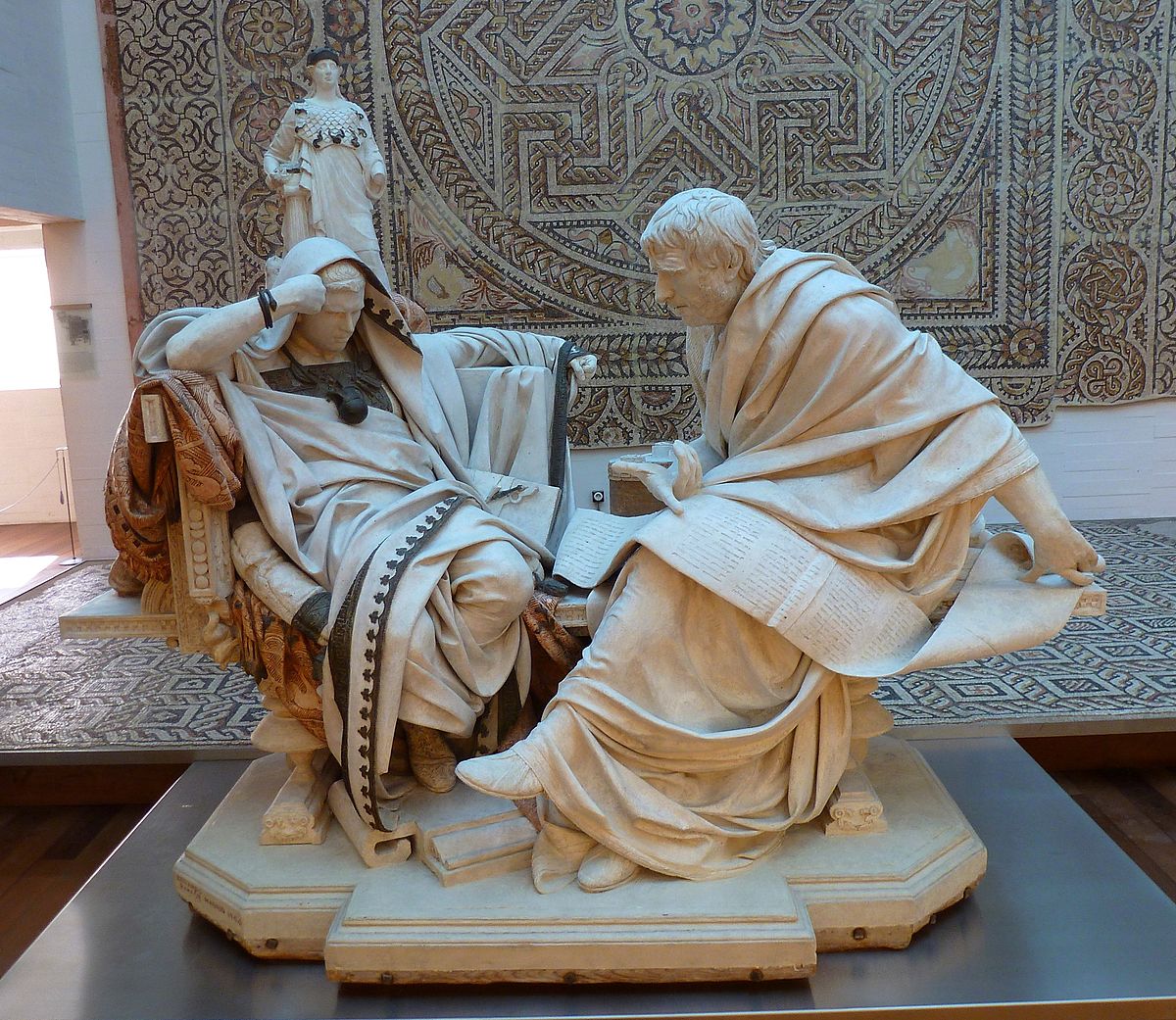
Musonius was an equestrian born in Volsinii who became associated with the Stoic Opposition against the tyranny of Roman emperors. In 60 AD, he chose to follow Rubellius Plautus into exile when Plautus was banished by Nero. After returning to Rome, Nero banished Musonius to the harsh, barren island of Gyaros in 65 AD under false charges of joining the Pisonian conspiracy.
On Gyaros, Musonius formed a small philosophical community and argued that exile offered distinct advantages for practicing Stoic endurance. He returned under Emperor Galba in 68 AD and tried unsuccessfully to halt a civil war by preaching peace to the marching troops of Vespasian's general. Vespasian initially spared him when expelling all other philosophers from Rome in 71 AD, but later exiled him anyway until Vespasian died in 79 AD.
Test yourself
When applying the Stoic teachings of Gaius Musonius Rufus to daily life, what is the primary focus?
Practicing ethics in ordinary domestic duties. Musonius Rufus grounded philosophy in everyday actions like how to eat, treat family, and bear hardship, rather than abstract theory.
When applying the Stoic teachings of Gaius Musonius Rufus to daily life, what is the primary focus?
Practicing ethics in ordinary domestic duties. Musonius Rufus grounded philosophy in everyday actions like how to eat, treat family, and bear hardship, rather than abstract theory.
Did Gaius Musonius Rufus argue that philosophy was only for elite men?
No, it is for everyone regardless of gender. Musonius Rufus broke with Roman norms to argue that both women and men share the exact same moral and intellectual potential.
Play the lesson in edgi and the card is yours. It lands on your Map next to the ideas it connects to, and turns from matte to foil to gold as you learn more around it.
It is unknown if he ever wrote anything for publication. His surviving ideas come from records kept by his students Lucius and Pollio, including 21 discourse extracts preserved by the writer Stobaeus.
Who were the most famous students of Musonius Rufus?
His most famous student was Epictetus, who went on to become one of the most prominent Stoic thinkers in history. He also taught the Greek orator and philosopher Dio Chrysostom.