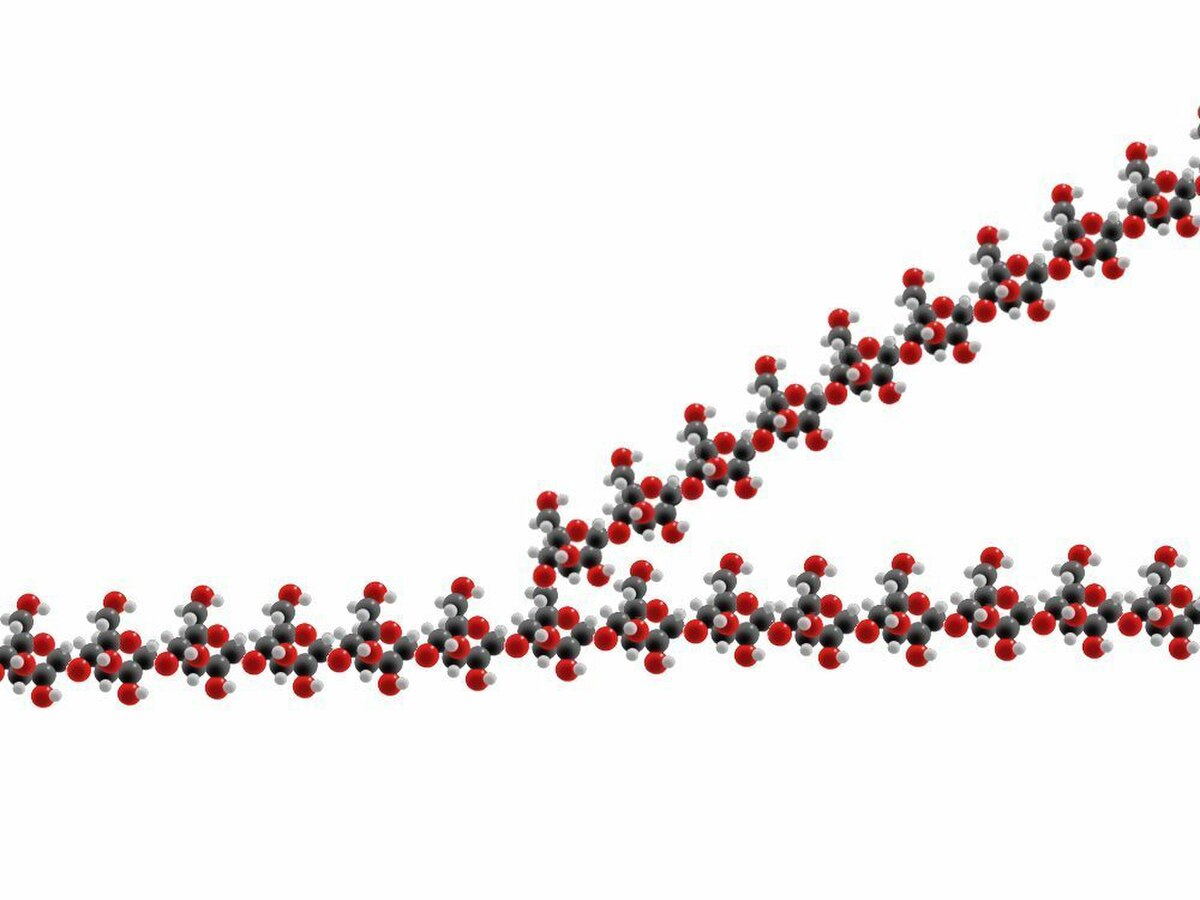
The blind spot
Your body is a master chemist, but it has a fatal blind spot for nine specific molecules called essential amino acids. If your diet lacks them, your body will eventually start dismantling its own muscle tissue to find them.
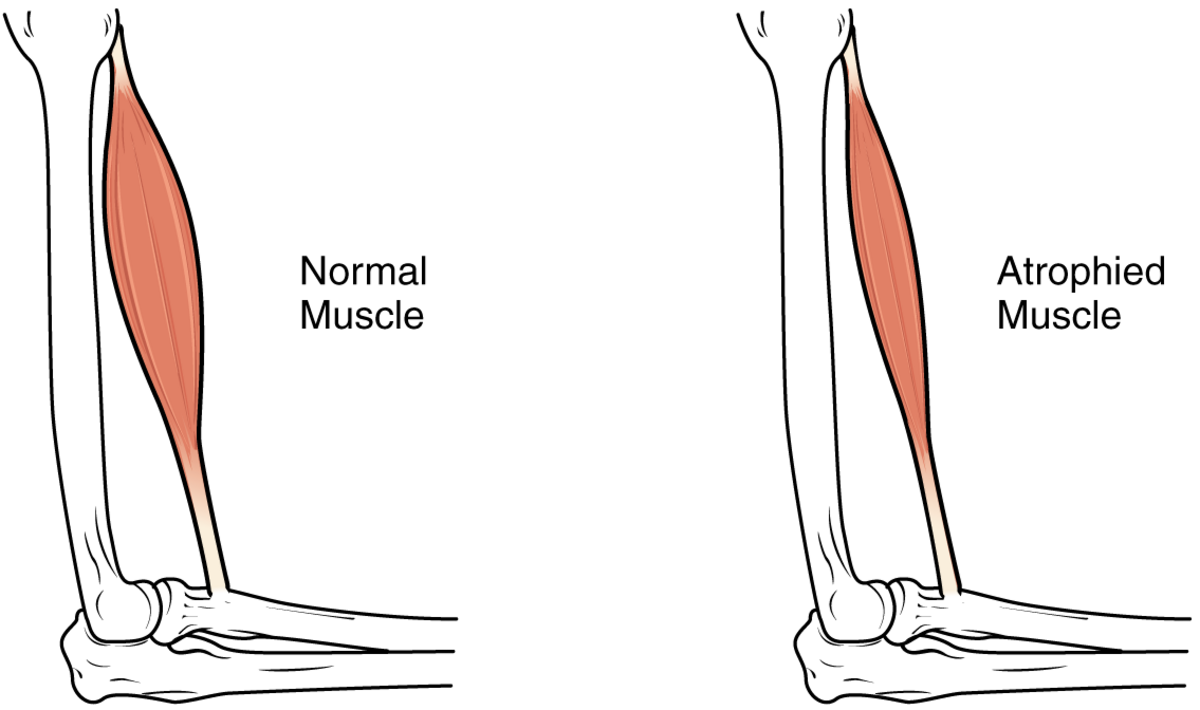
An essential amino acid is a protein building block that your body cannot synthesize from scratch fast enough to meet its needs, meaning it must come from food. Humans require twenty standard amino acids to build proteins, but nine of them cannot be manufactured internally. If your diet misses even one of these nine, your body struggles to construct new proteins and will break down muscle tissue to supply the missing piece.

By the edgi team We find the most surprising true thing about an idea and build a 60-second lesson around it.

Your body is a master chemist, but it has a fatal blind spot for nine specific molecules called essential amino acids. If your diet lacks them, your body will eventually start dismantling its own muscle tissue to find them.
In 1935, chemist William Cumming Rose discovered the final piece, threonine, by feeding graduate students purified diets. By systematically removing one amino acid at a time, he identified the exact nine indispensable molecules humans must consume.
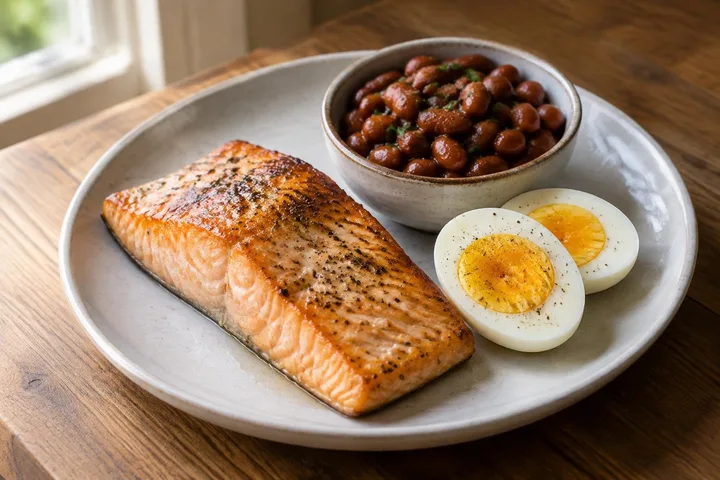
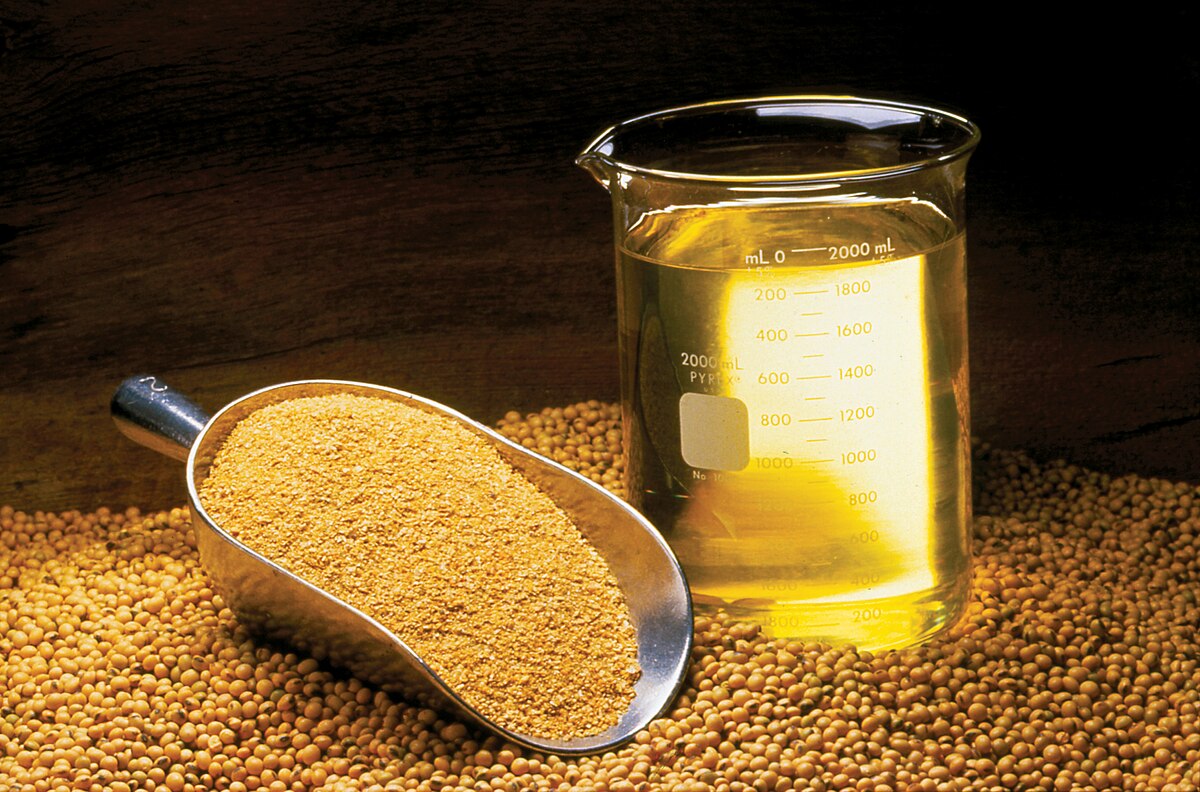
To get all nine at once, you need a complete protein, a biological jackpot found naturally in meat, eggs, and soy. Vegetarians often combine beans and rice to ensure they are not missing a single branched-chain amino acid, completing the chemical puzzle.
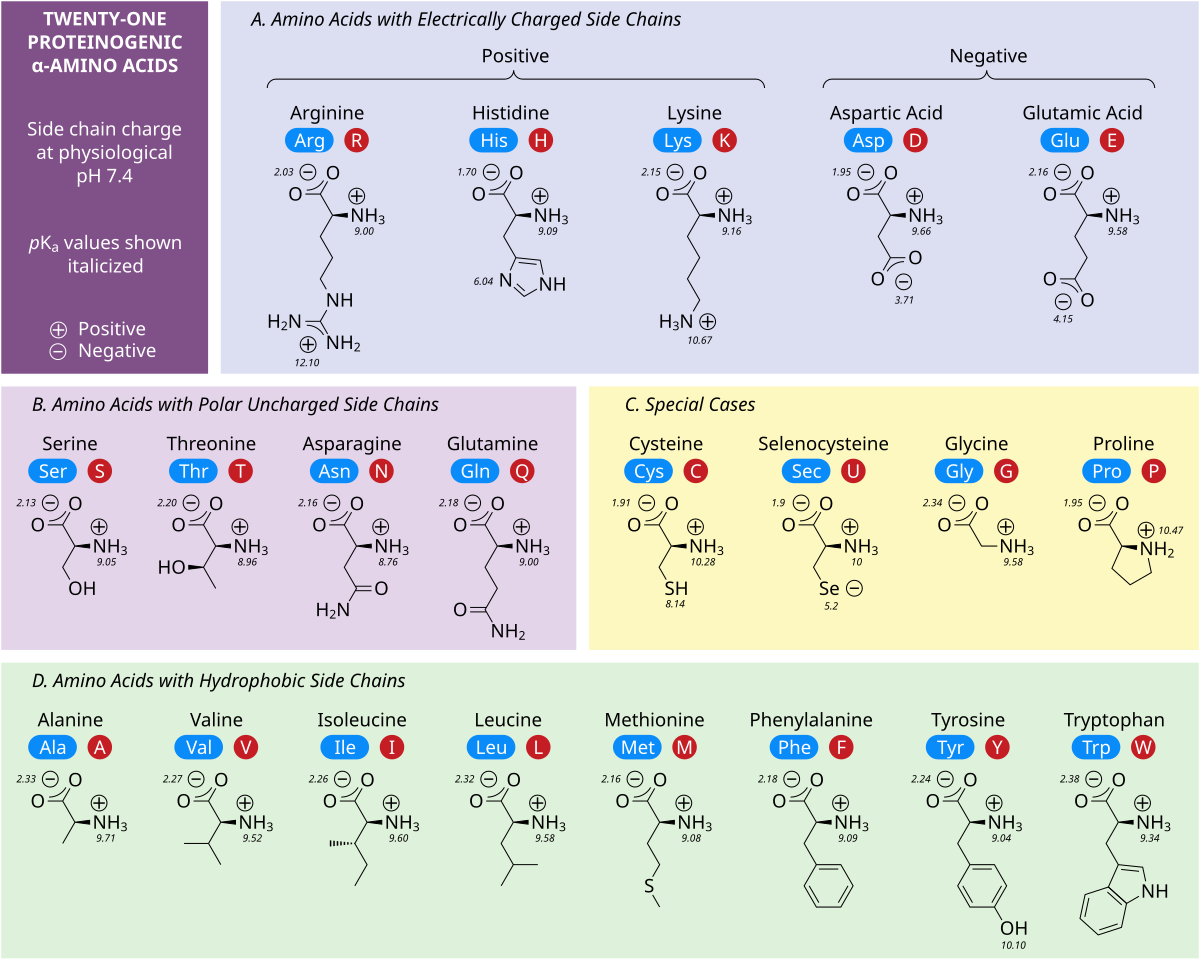
The human body relies on nine indispensable amino acids: histidine, isoleucine, leucine, lysine, methionine, phenylalanine, threonine, tryptophan, and valine. Cells make nonessential amino acids from common metabolic pathways like glycolysis and the citric acid cycle. For example, transamination converts pyruvate into alanine and oxaloacetate into aspartate. Humans lack the pathways to build the essential nine at all, requiring complete proteins from food sources like eggs, meat, and soy, or complementary pairs like beans and rice.
A meal is judged by its limiting amino acid, which is the essential amino acid furthest below nutritional requirements. If a single essential amino acid is missing or too low, protein construction stops, regardless of how much total protein the meal contains.
Six other amino acids fall into a middle category called conditionally essential: arginine, cysteine, glutamine, glycine, proline, and tyrosine. Healthy adults normally produce enough of these internally, but specific conditions overwhelm the body's manufacturing capacity.
Growing children and premature infants cannot produce enough arginine or cysteine to keep pace with their rapid growth. Similarly, severe catabolic distress or liver disease stops the internal synthesis of cysteine, turning these normally dispensable building blocks into dietary requirements.
Chemist William Cumming Rose mapped human amino acid requirements at the University of Illinois by tracking nitrogen balance in graduate students. Because proteins hold most of the nitrogen in the body, comparing dietary nitrogen consumed to nitrogen excreted in waste reveals whether the body is building or losing protein.
Rose fed subjects an artificial diet adjusted to maintain a slightly positive nitrogen balance, where nitrogen intake exceeded excretion. When he removed one specific amino acid, the subjects plunged into a negative nitrogen balance as their bodies broke down tissues. By restoring each amino acid until the nitrogen balance recovered, Rose pinpointed the exact daily requirement for every essential amino acid, completing the list with threonine in 1935.
If a diet lacks one essential amino acid for a long time, what may happen?
The body may break down muscle protein. Without a dietary source, the body may break down its own proteins to obtain the missing amino acid. It cannot simply manufacture it from other amino acids.
What makes an amino acid essential for humans?
Humans cannot make enough of it. Essential amino acids must come from food because humans cannot synthesize them. Their name does not mean they serve only one function.
If a diet lacks one essential amino acid for a long time, what may happen?
The body may break down muscle protein. Without a dietary source, the body may break down its own proteins to obtain the missing amino acid. It cannot simply manufacture it from other amino acids.
Collectible card
Play the lesson in edgi and the card is yours. It lands on your Map next to the ideas it connects to, and turns from matte to foil to gold as you learn more around it.
Children require higher amounts relative to their size. Recommended daily intakes are 10% to 20% higher for children aged three and older, and up to 150% higher for infants during their first year of life.
Selenocysteine is considered the 21st amino acid common to life. It is classified as non-essential in humans because the body can synthesize it in sufficient quantities.
The meal is constrained by its limiting amino acid. Protein synthesis halts when that missing piece runs out, and the body begins breaking down its own muscle tissue to supply the required building blocks.
Part of the Set · 9 cards
You ate a sandwich. Nothing that reached your blood had ever been a sandwich.
Lesson complete
You finished the lesson. In edgi, the card goes on your Map next to everything else you learn.