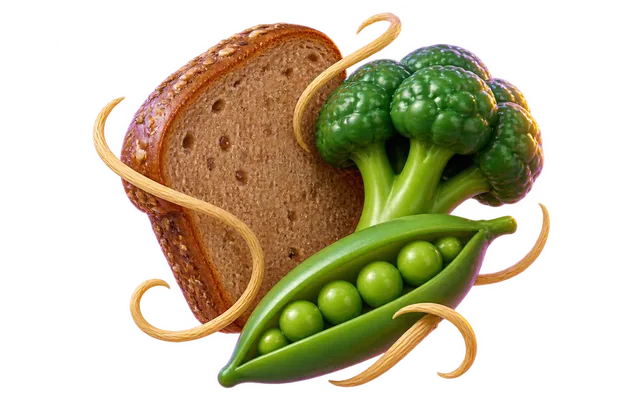
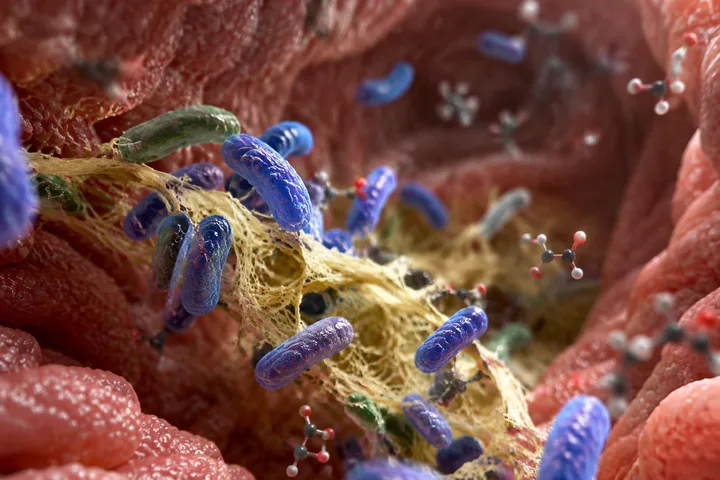
Dietary fiber is the part of plant food that your digestive enzymes cannot break down. It passes through your stomach and small intestine largely intact before reaching the colon. There, it feeds your microbiome, regulates digestion, and helps control cholesterol and blood sugar levels.
By the edgi team We find the most surprising true thing about an idea and build a 60-second lesson around it.
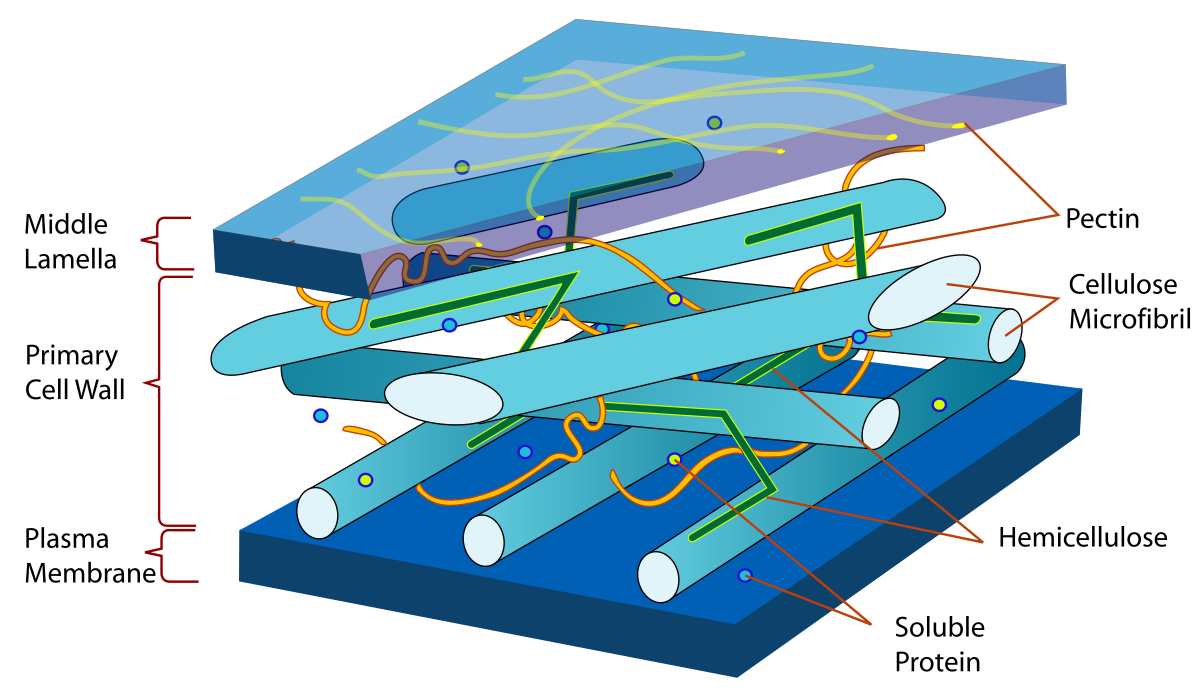
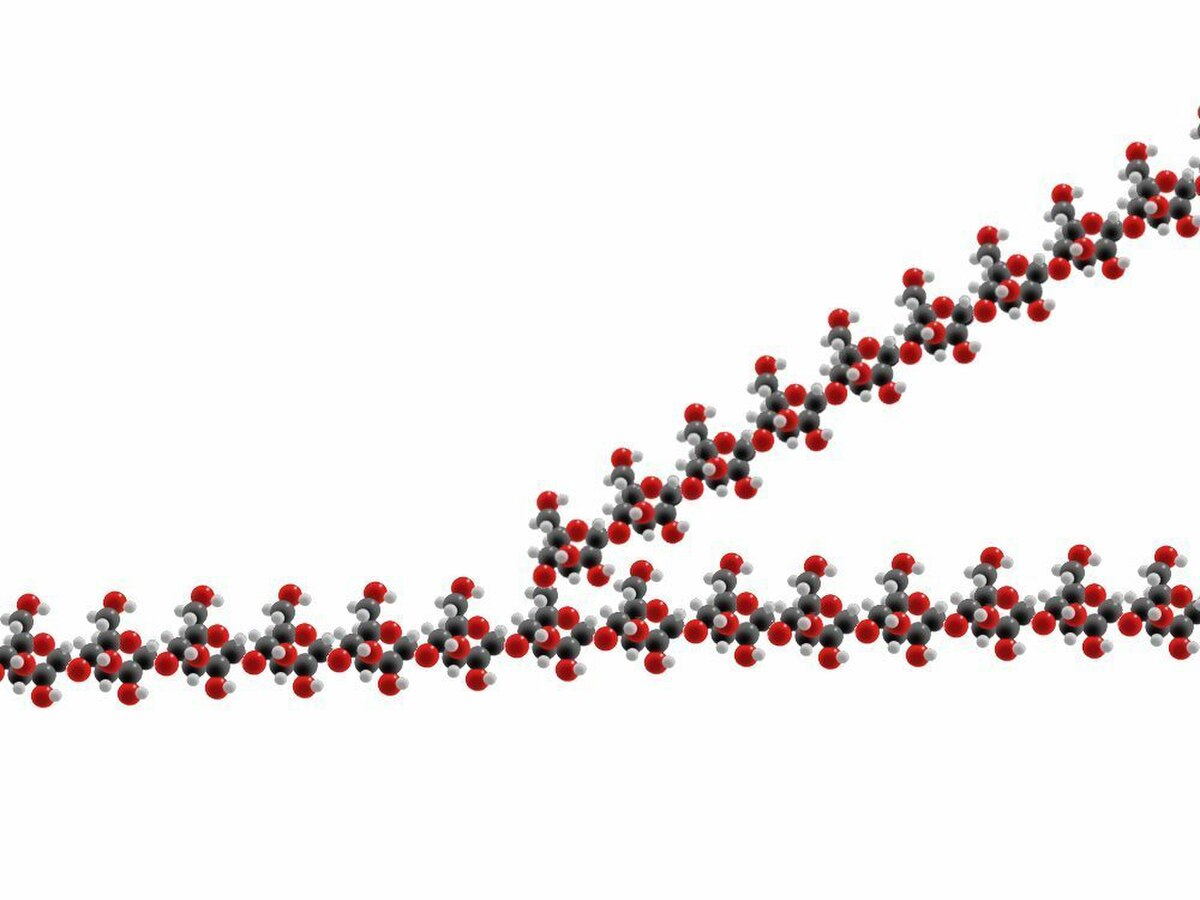
Human digestive enzymes are powerful, but they cannot break down the complex cell walls of plants, like cellulose. Because of this, fiber passes through your small intestine entirely intact.
Diagram illustrating the arrangement of cellulose and other polysaccharides within a plant cell wall. LadyofHats, Public domain, via Wikimedia Commons
It acts as a physical broom, scrubbing your digestive tract and keeping everything moving at a healthy pace.
The burkitt insight
In the 1970s, surgeon Denis Burkitt noticed something strange while working in rural Africa. His patients there almost never suffered from the chronic digestive diseases common in the West.
A rural landscape in Ciskei, one of the four nominally independent homelands during apartheid in South Africa, shows a woman carrying a basket on her head walking along a dirt path. User:Jcwf, CC BY-SA 3.0, via Wikimedia Commons
He realized the difference wasn't medicine; it was the massive amount of roughage in their daily diet.
Feeding the roommates
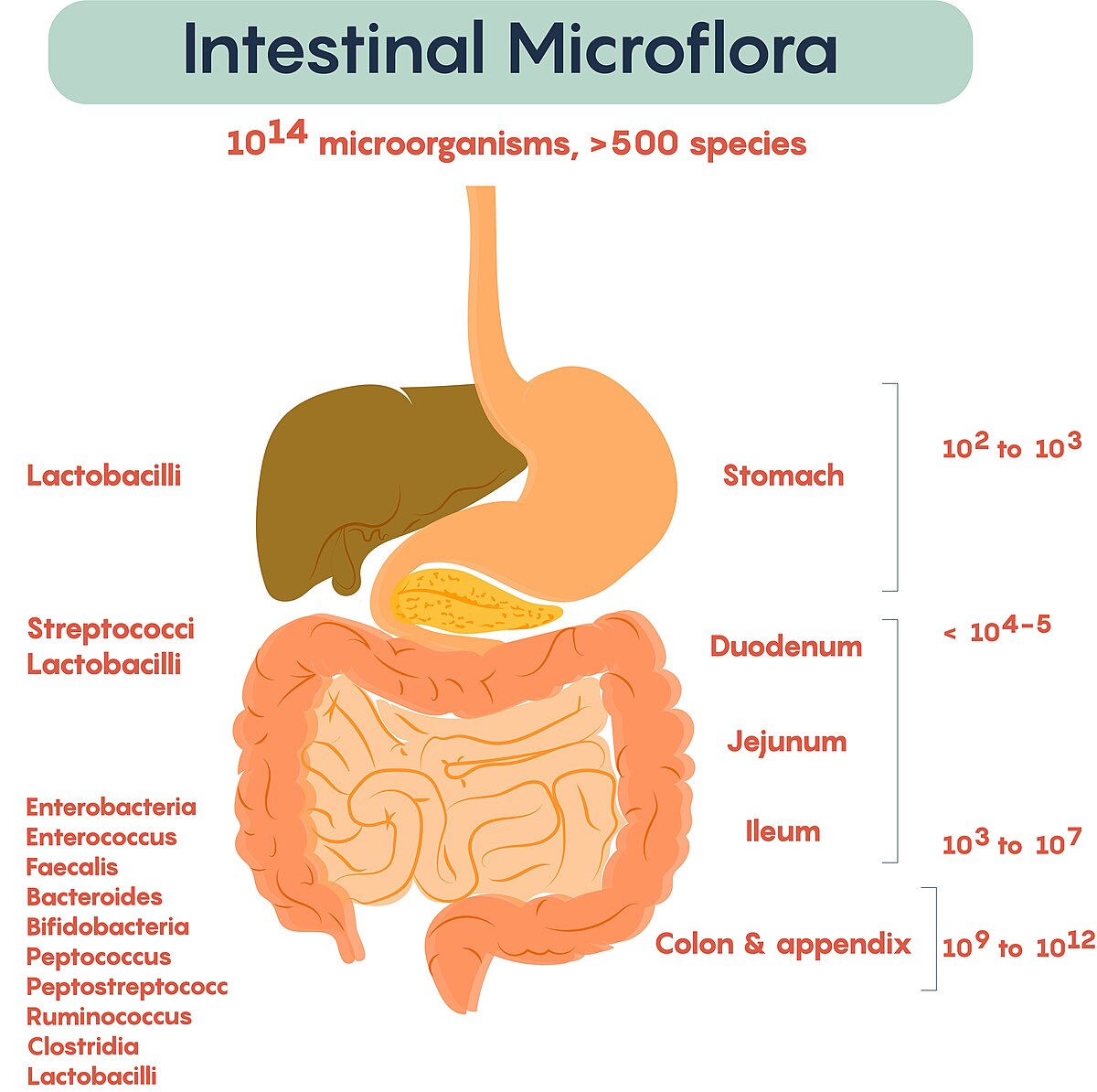
You are not just one organism; you are a host to a massive gut microbiome. These bacteria ferment fiber to produce short-chain fatty acids, which nourish your gut lining and regulate your immune system.
A diagram illustrating the composition and distribution of intestinal microflora in the human body, showing the stomach, duodenum, jejunum, ileum, colon, and appendix. Dr William Ju, University of Toronto, CC BY 4.0, via Wikimedia Commons
If you do not eat fiber, you are literally starving your own inner ecosystem.
The gel trick
Soluble fiber, found in foods like oatmeal and pectin, does more than just move things along. In your stomach, it turns into a viscous gel that traps sugar.
This prevents the rapid blood sugar spikes that follow a meal, smoothing out your energy levels for hours.
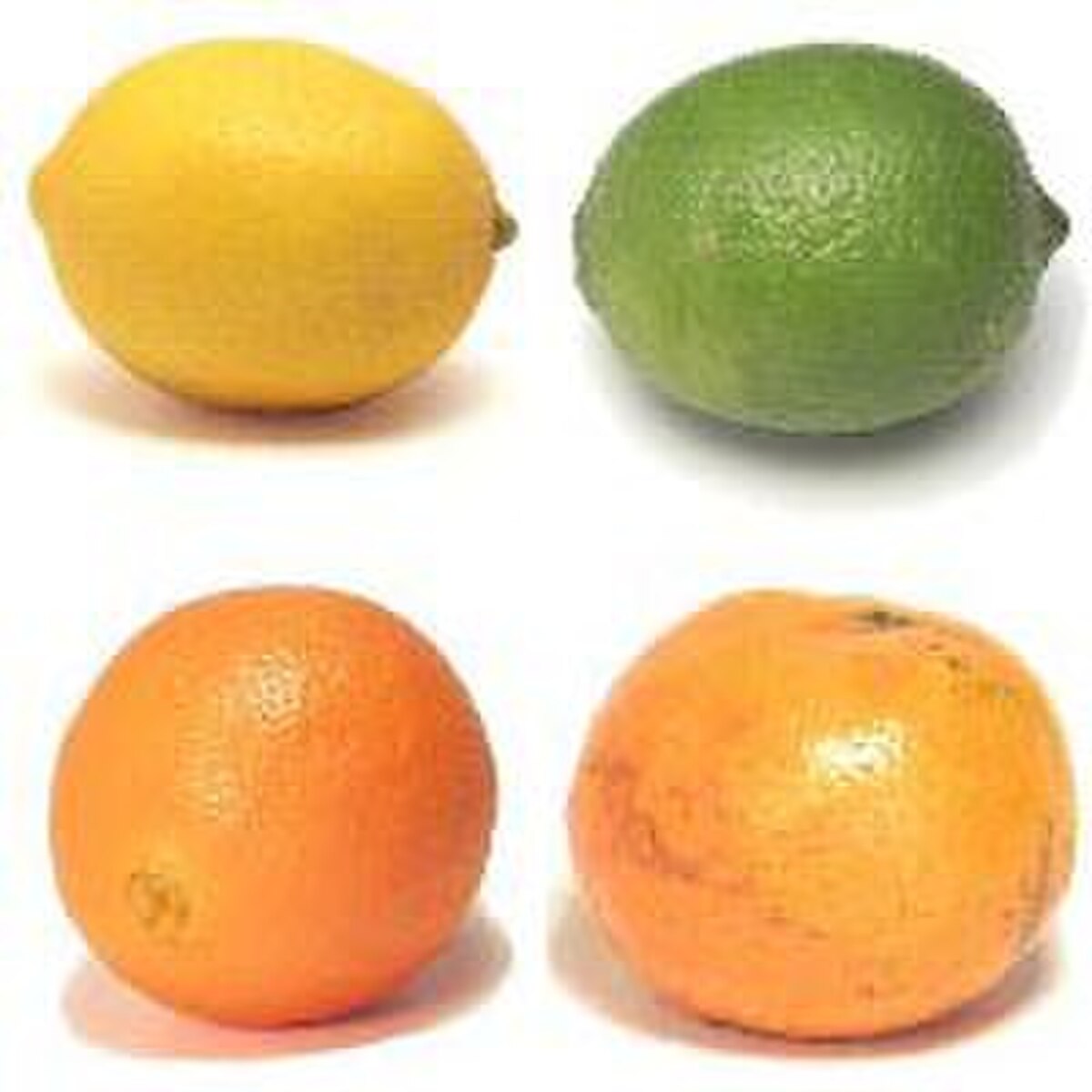
Four citrus fruits are arranged in a square: a yellow lemon, a green lime, and two orange oranges. Jabocrack at Russian Wikipedia, Public domain, via Wikimedia Commons
What is the difference between soluble and insoluble fiber?
Plant foods contain both soluble and insoluble fiber in varying amounts. Soluble fiber dissolves in water and often forms a thick gel in your digestive tract. This gel delays stomach emptying, creating a longer feeling of fullness and moderating blood sugar spikes. Soluble types include beta-glucans in oats and barley, inulin in chicory root, and pectins in fruits. Regular consumption of soluble fibers like beta-glucans can also lower LDL cholesterol levels.
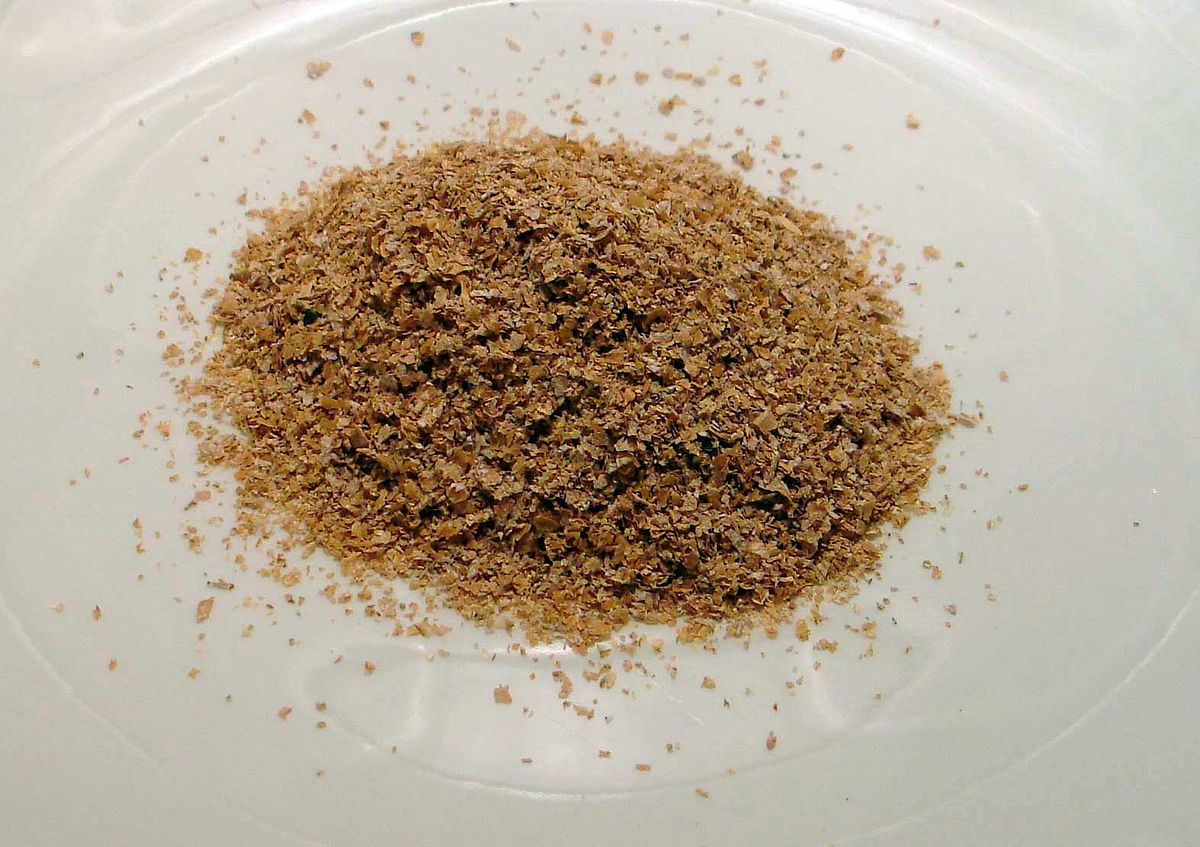
Wheat bran is a concentrated source of insoluble dietary fiber that adds bulk to digestion. No machine-readable author provided. Alistair1978 assumed (based on copyright claims)., CC BY-SA 2.5, via Wikimedia Commons
Insoluble fiber does not dissolve in water and remains inert against human digestive enzymes. Common sources include wheat bran, cellulose, and plant skins like those on plums or potatoes. Coarsely ground insoluble fiber stimulates the large intestine to secrete mucus, which bulks up stool and aids bowel regularity. Finely ground insoluble fiber lacks this beneficial physical effect and can actually lead to constipation.
How does fiber feed the gut microbiome?
Certain soluble and insoluble fibers act as fermentable fuel for the bacteria living in your large intestine. Bacteria metabolize fermentable fibers, such as inulin, resistant starch, and xanthan gum, producing short-chain fatty acids as by-products. These fatty acids nourish the cells lining your gut and support immune system regulation.
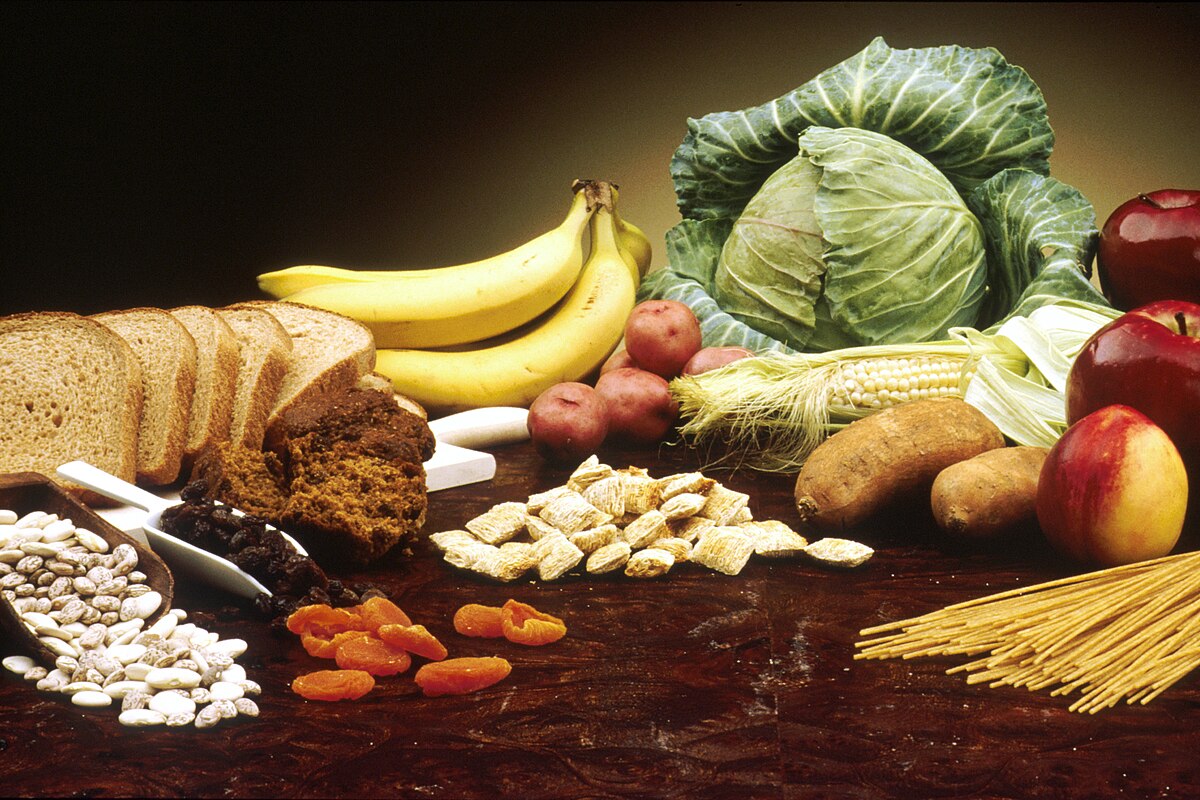
Whole plant foods like fruits, vegetables, and grains supply both fermentable and bulking fibers. Unknown authorUnknown author, Public domain, via Wikimedia Commons
Not all fibers ferment in the gut. Psyllium is a soluble, viscous fiber that resists bacterial fermentation. Instead of feeding bacteria, it holds water as it travels through the digestive tract, easing bowel movements.
Test yourself
Dietary fiber: why can it nourish gut bacteria despite resisting human digestion?
Gut bacteria ferment some fiber. Human enzymes cannot break down some fiber, but gut bacteria can ferment it and produce compounds that support the gut lining.
How does dietary fiber fundamentally function within the human body?
It serves as fuel for gut bacteria. Fiber is not just inert filler. Your gut microbiome ferments fiber to produce essential fatty acids that support your immune system and digestive health.
Play the lesson in edgi and the card is yours. It lands on your Map next to the ideas it connects to, and turns from matte to foil to gold as you learn more around it.
Grain bran products have exceptionally high fiber levels. Crude corn bran contains about 79 grams of fiber per 100 grams, while crude wheat bran contains roughly 43 grams per 100 grams. Whole grains, legumes, nuts, seeds, fruits, and vegetables are also major dietary sources.
What happens if insoluble fiber is ground too finely?
Coarse insoluble fiber prompts the large intestine to secrete mucus, aiding healthy movement. When insoluble fiber is ground into fine particles, it loses this mechanical property and can cause constipation instead of relieving it.