Thermic effect of foodWhy protein costs more to digest
The thermic effect of food is the amount of energy your body burns above resting levels to process, absorb, and store nutrients from a meal. It accounts for roughly ten percent of your daily caloric burn, though the exact cost changes depending on what you eat. Protein takes the most effort to handle, burning up to thirty percent of its own calories just during processing.
By the edgi team We find the most surprising true thing about an idea and build a 60-second lesson around it.
Every meal triggers a process called the thermic effect of food. It represents the energy expenditure required for your body to digest, absorb, and store nutrients. Your body is essentially a factory. To extract fuel from your food, the factory must first power itself up by breaking down chemical bonds.
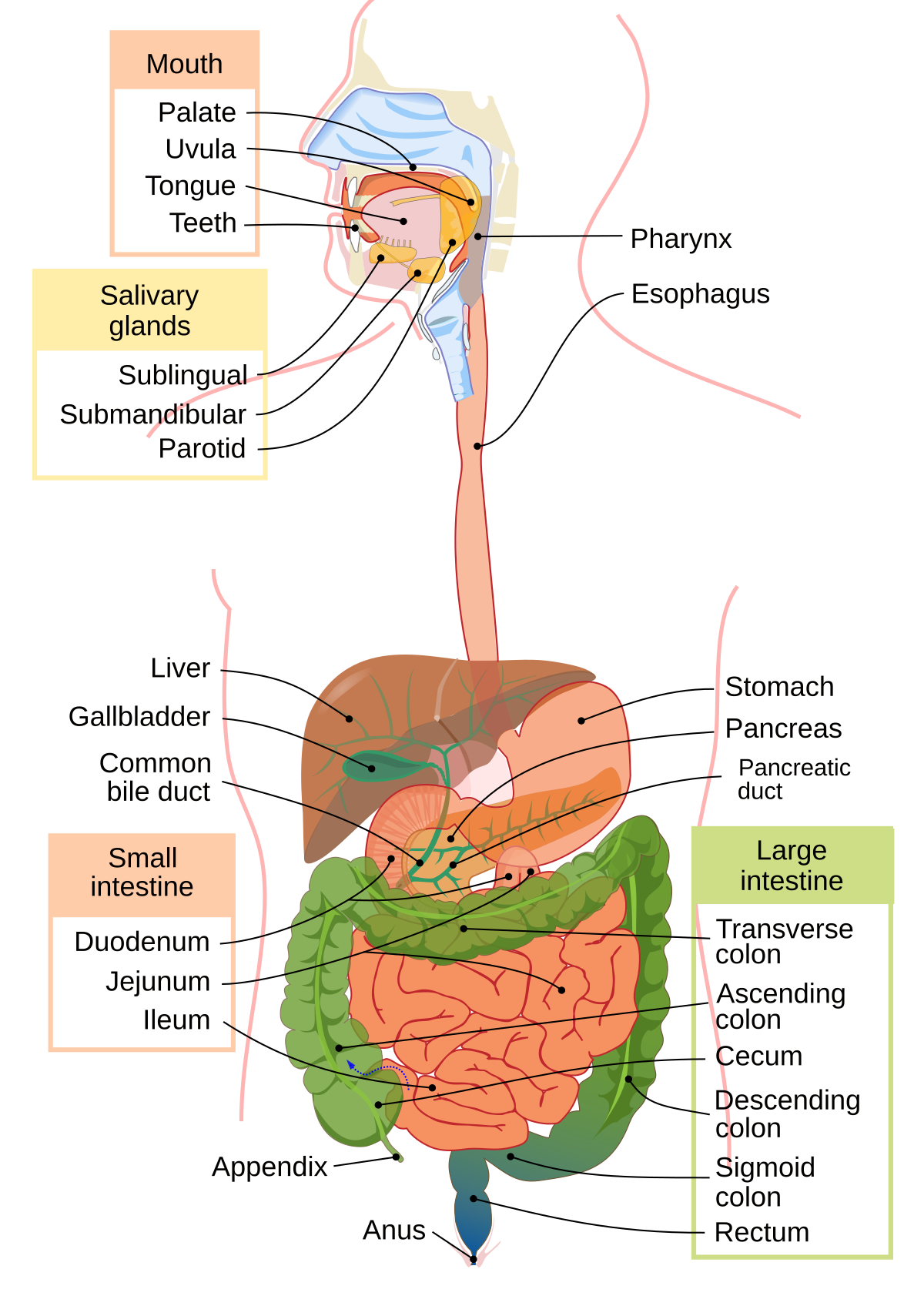
Diagram of the human digestive system with various organs labeled. Mariana Ruiz, Jmarchn, Public domain, via Wikimedia Commons
The protein tax
Not all food is taxed equally. Your body burns through about 5 to 10 percent of carbohydrates or fats during digestion. Protein is different. Because it is molecularly complex, your system must run extra shifts to dismantle it, burning up to 30 percent of its calories in the process.
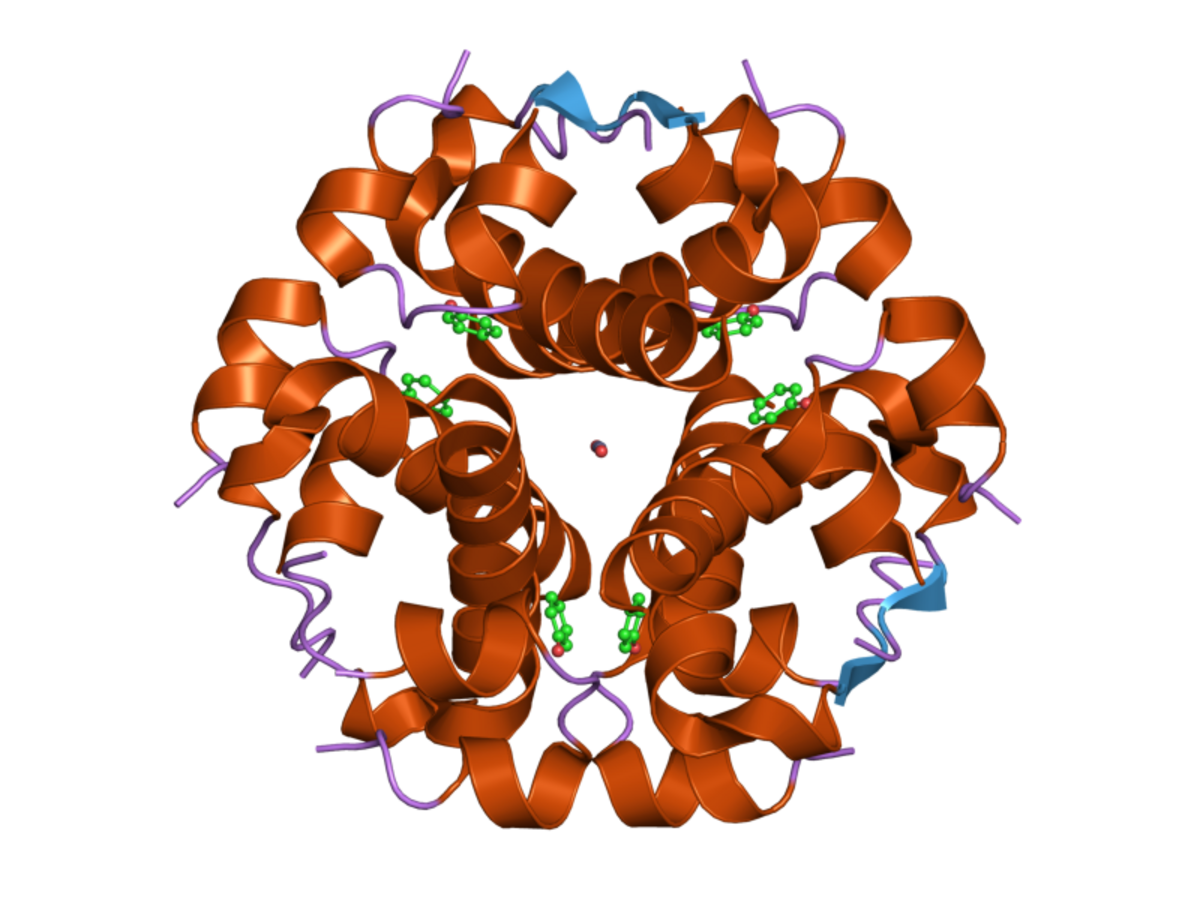
Cartoon representation of the molecular structure of insulin, identified as PDB 1w8p, showing a hexameric arrangement. Jawahar Swaminathan and MSD staff at the European Bioinformatics Institute, Public domain, via Wikimedia Commons
This is why high-protein diets can slightly nudge your total energy expenditure higher, simply because the work of digestion is more demanding.
The internal furnace
Part of this process involves brown adipose tissue, a specialized fat that acts like a biological space heater. It is activated after you eat to generate heat, turning some calories directly into warmth rather than stored energy.
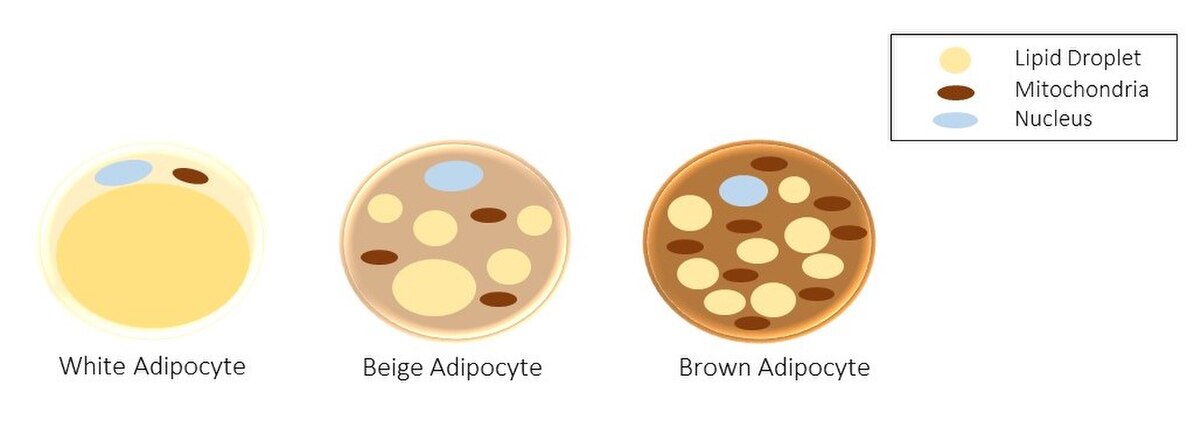
Diagram comparing three types of adipocytes: White Adipocyte, Beige Adipocyte, and Brown Adipocyte. KTroike, CC BY-SA 4.0, via Wikimedia Commons
This is the only time your heart rate and internal temperature climb while you are sitting perfectly still.
How nutrients change metabolic cost
A meal costs energy before it provides energy. Fats are the easiest for the human body to manage, costing only 0 to 3 percent of their caloric value to process. Carbohydrates require 5 to 15 percent of their energy value, driven largely by increases in sympathetic nervous system activity.
Metabolic pathways show the biochemical routes inside cells where nutrients are processed and converted into energy. Chakazul, CC BY-SA 4.0, via Wikimedia Commons
Protein demands the highest metabolic toll at 20 to 30 percent. Dismantling molecularly complex amino acids requires intensive processing in the liver. Research shows that animals without a liver display no thermic effect of food at all, proving that organ metabolic workload drives this energy cost rather than simple gut digestion.
What controls the thermic effect
Total caloric size and macronutrient makeup are the main factors determining your daily thermic response. Meal timing and frequency have almost no impact on daily energy expenditure if total calories remain equal across the day.
The physical route of feeding also makes little difference. Injecting nutrients directly into a vein produces the same thermic rise as eating them by mouth. Part of this heat generation comes from brown adipose tissue, a specialized fat that turns calories directly into warmth after eating, raising heart rate and internal temperature while you sit still.
Why thermic responses differ between people
Individual metabolic health alters how strongly the body reacts to food. Insulin sensitivity plays a major role: individuals with high insulin sensitivity show a robust thermic effect, whereas individuals with severe insulin resistance can show negligible or zero thermic increases after eating.
Exercise training and specific meal ingredients can provide minor boosts. Intense aerobic workouts, anaerobic weight lifting, and caffeine increase thermic expenditure slightly, adding around 7 to 8 calories per hour. Studies also found that combining chilli peppers and medium-chain triglycerides in meals raised diet-induced thermogenesis by over 50 percent.
Play the lesson in edgi and the card is yours. It lands on your Map next to the ideas it connects to, and turns from matte to foil to gold as you learn more around it.
How long does the thermic effect of food last after eating?
Measurements of this metabolic increase should last at least five hours. Research published in the American Journal of Clinical Nutrition indicates that the thermic effect continues beyond six hours for most people.
Do negative calorie foods like celery actually exist?
There is no scientific research confirming that foods like raw celery or grapefruit burn more energy than they contain. While some believe fibrous structures require excess energy to break down, the body's actual thermic response depends heavily on the individual's insulin sensitivity rather than negative caloric balances.