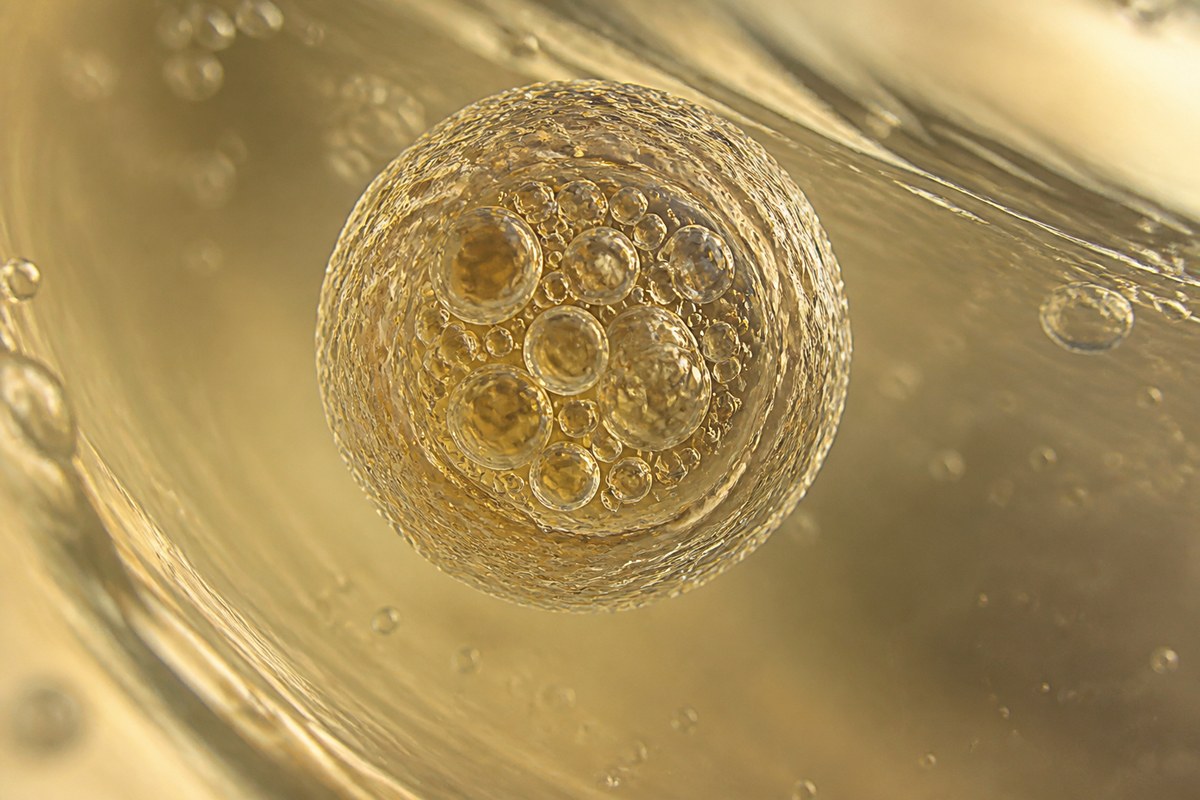
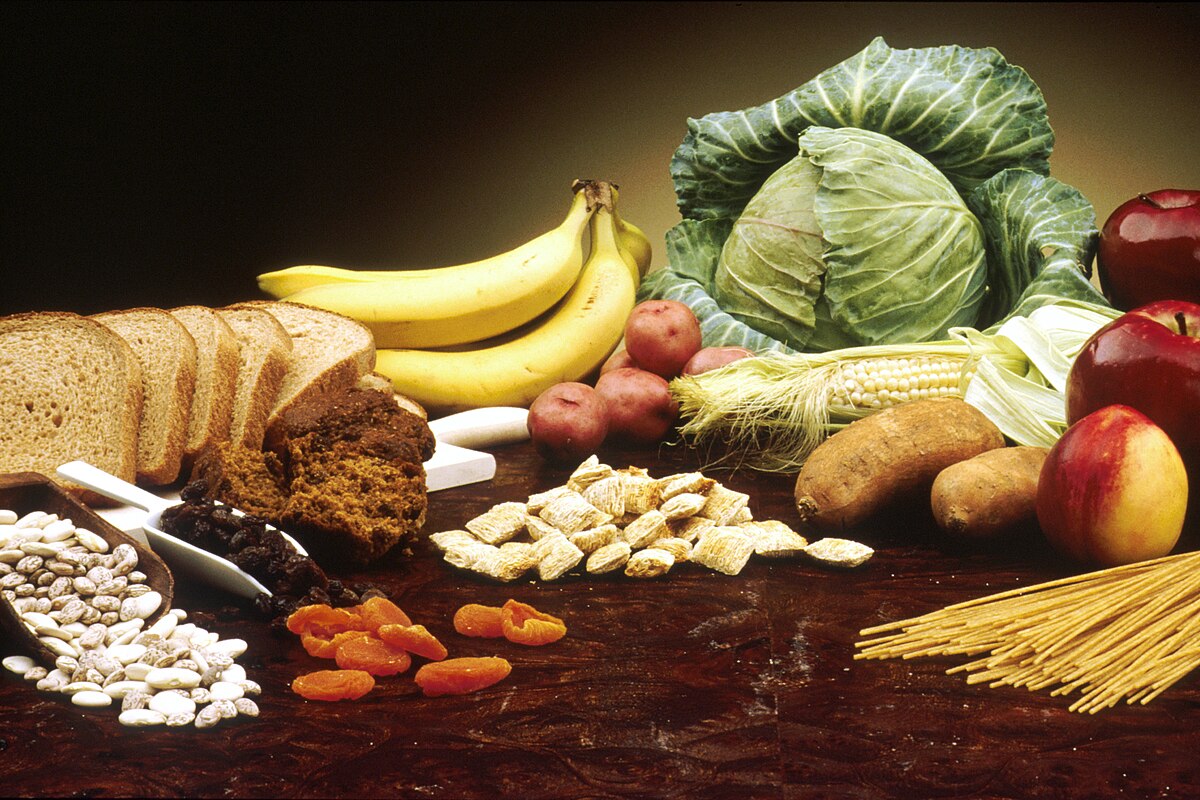
Glycogen is a branched chain of glucose sugar molecules packed together for quick energy storage in animals, fungi, and bacteria. Storing pure glucose inside cells would disrupt osmotic pressure and cause cellular damage, so the body packs it into these compact granules instead. When blood sugar drops or muscles contract, the body quickly breaks glycogen down into free fuel.
By the edgi team We find the most surprising true thing about an idea and build a 60-second lesson around it.
Glycogen is a multibranched chain of glucose stored directly in your muscles and liver for immediate use. While fat is a high-capacity long-term reserve, glycogen is designed for fast withdrawals during a crisis.
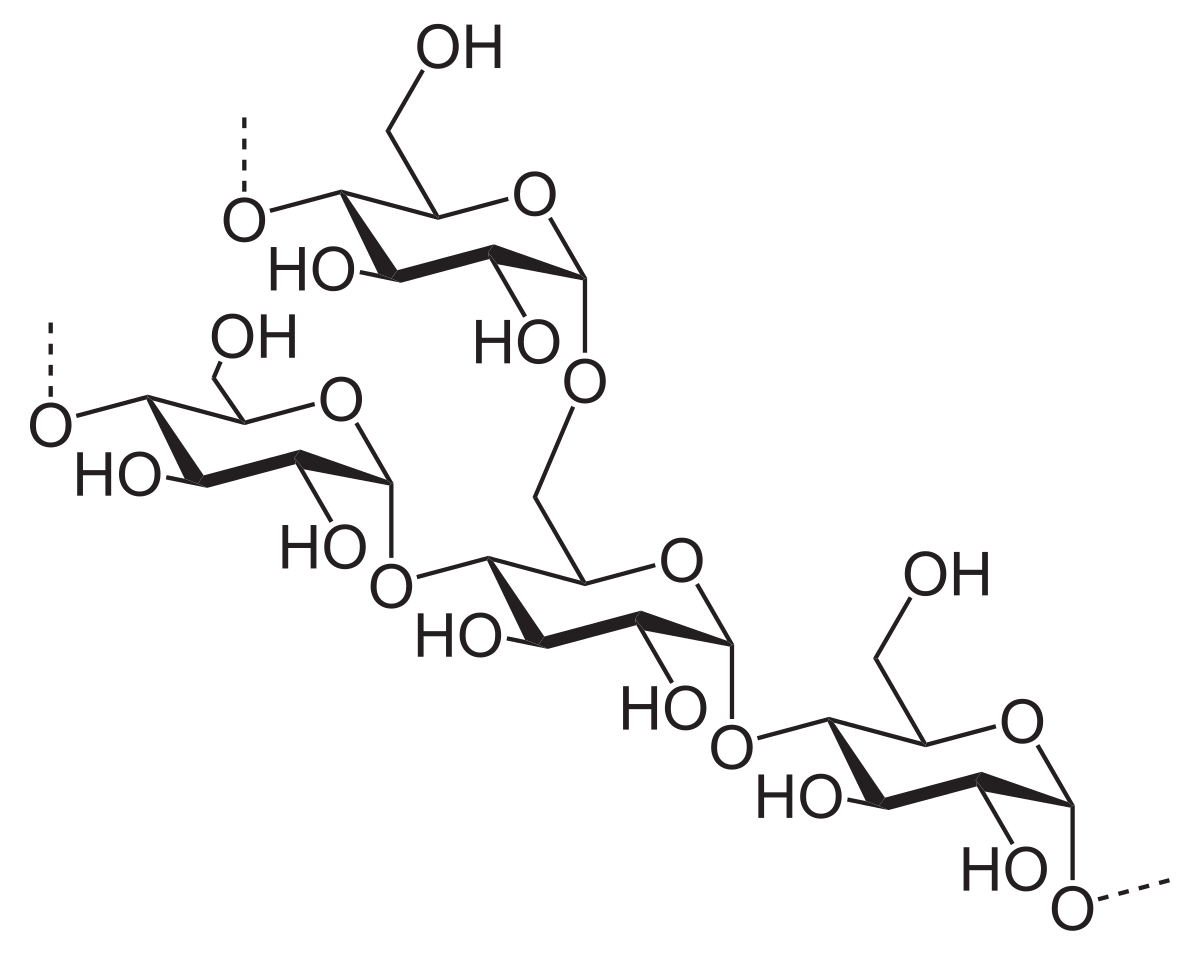
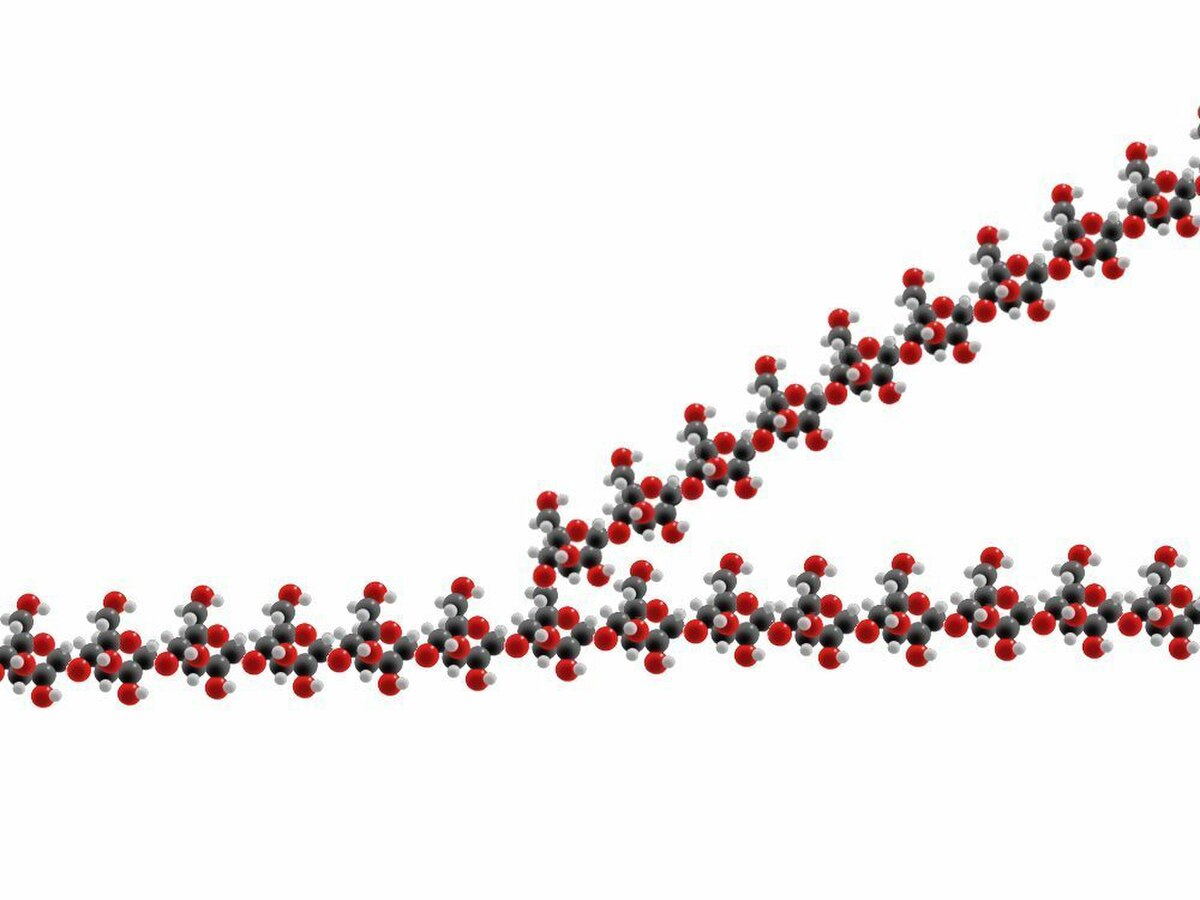
A chemical structure diagram of an amylopectin molecule, showing a branched chain of glucose units linked by glycosidic bonds. NEUROtiker, Public domain, via Wikimedia Commons
It allows you to sprint for a bus without waiting for your body to burn through its deep fat stores.
The discovery
In 1857, French physiologist Claude Bernard discovered this animal starch while studying blood sugar levels. He found that even if an animal had not eaten, its liver continued to release sugar into the bloodstream.
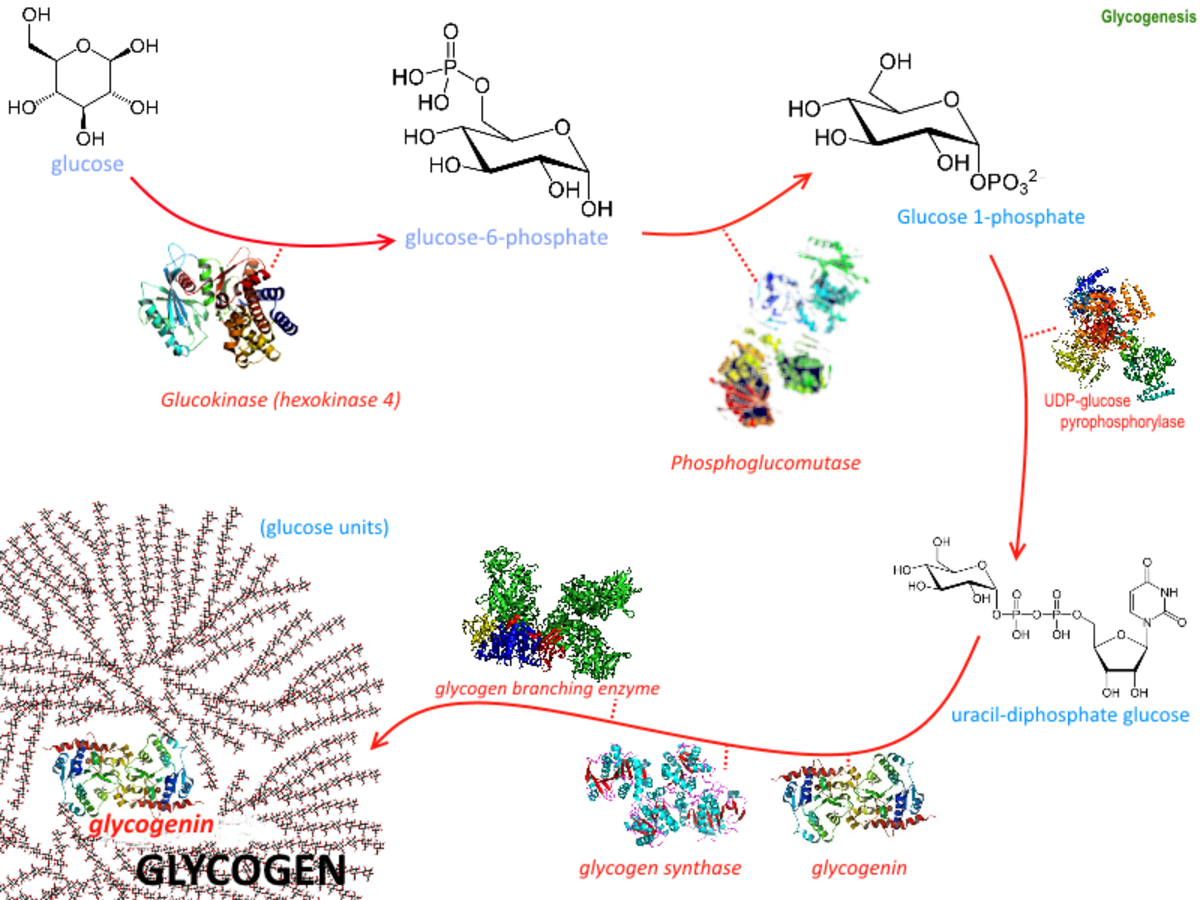
A diagram illustrates the glycogenesis pathway, showing the conversion of glucose to glycogen through several intermediate steps and enzymes. Mark Cidade, CC BY-SA 4.0, via Wikimedia Commons
This proved the body does not just passively process food, but actively manufactures its own internal fuel tank.
Hitting the wall
This mechanism is governed by insulin, which packs sugar away, and glucagon, which unlocks it during a shortage. Marathon runners experience the physical limit of this system when they hit the wall once stores reach zero.
Animated diagram illustrating the negative feedback loop of blood glucose regulation by the pancreas. Helloportobello, CC BY-SA 4.0, via Wikimedia Commons
At that point, the body switches to burning fat, making every step feel like moving through wet concrete.
How glycogen is structured
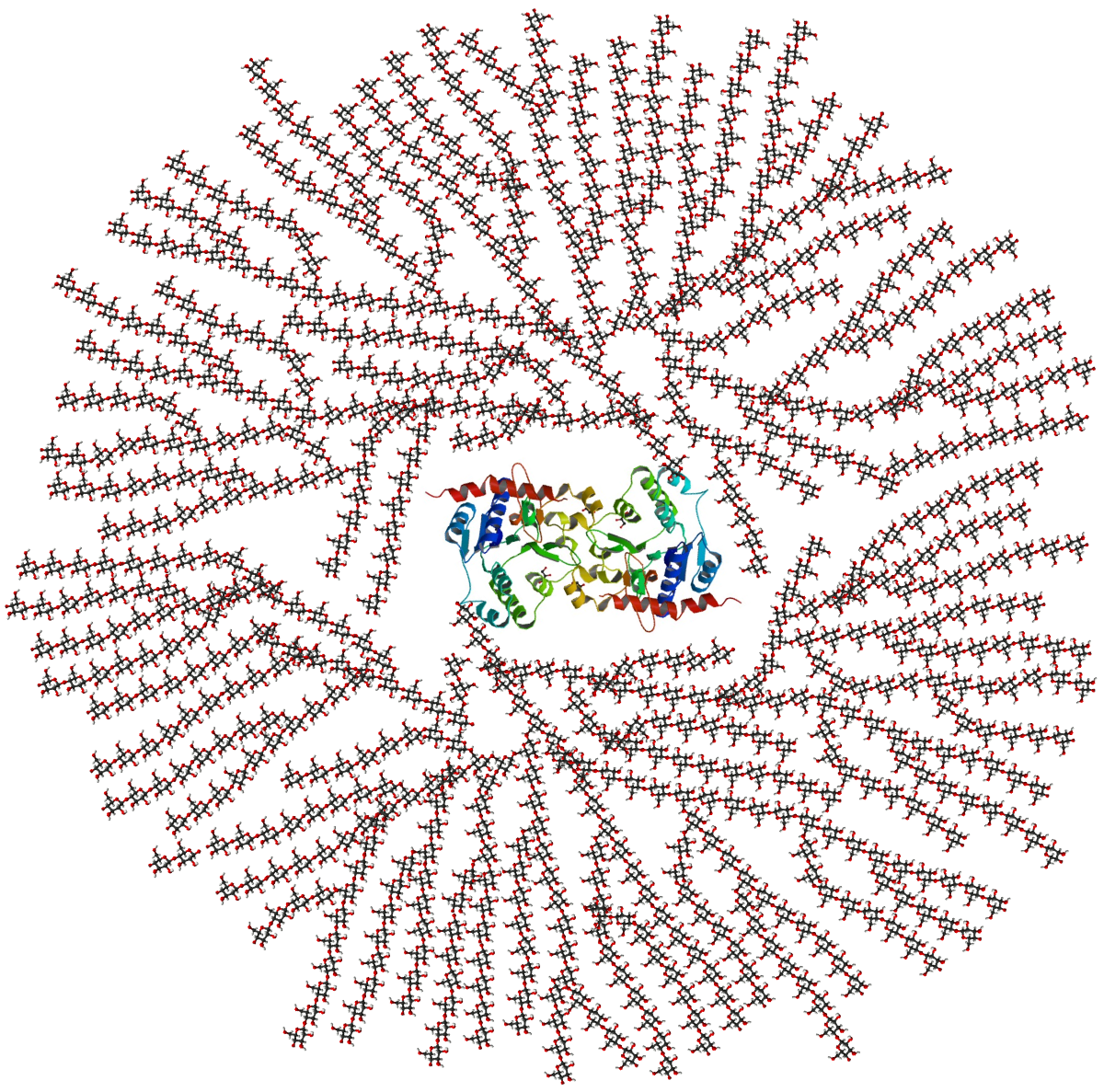
A single glycogen granule contains between 2,000 and 60,000 glucose units organized in around 12 concentric layers. At the very center sits a primer protein called glycogenin, from which branching chains of glucose radiate outward like a tiny sphere. The linear parts of each chain connect through alpha(1 to 4) glycosidic bonds, while the branch points split off via alpha(1 to 6) bonds.
A cross-section shows the central glycogenin core surrounded by concentric, branching layers of glucose units. Mikael Häggström. When using this image in external works, it may be cited as: Häggström, Mikael (2014). "Medical galler, Public domain, via Wikimedia Commons
This branched architecture allows enzymes to attack many chain ends at the same time, releasing glucose far faster than a straight chain would allow. Glycogen also stores three to four parts water and 18 milligrams of potassium for every gram of glycogen in tissue.
Where the body stores glycogen
In humans, glycogen sits primarily in the liver and skeletal muscle. An adult liver weighing 1.5 kilograms holds roughly 100 to 120 grams of glycogen, making up 5 to 6 percent of the organ's total weight. Skeletal muscle holds roughly 400 grams across the whole body at a lower concentration of 1 to 2 percent of muscle mass.
Small amounts also exist in the kidneys, red and white blood cells, brain glial cells, and the uterus during pregnancy to nourish an embryo. While liver glycogen maintains the roughly 4 grams of glucose circulating in human blood, muscle glycogen is locked down for the muscle's own immediate mechanical use.
How hormones control glycogen stores
After eating carbohydrates or protein, rising blood glucose triggers the pancreas to secrete insulin. Insulin activates enzymes like glycogen synthase inside liver cells, chaining excess glucose into storage granules. In this fed state, the liver absorbs more glucose from the blood than it releases.
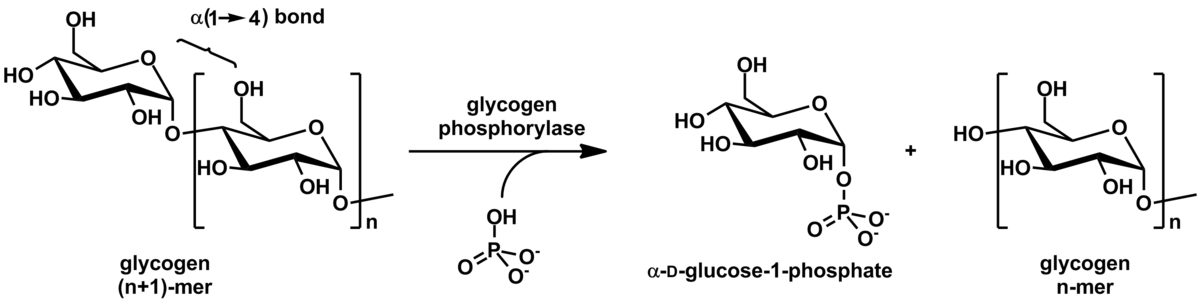
Glycogen phosphorylase cleaves glucose units from the outer branches of the glycogen chain to release usable sugar. Michał Sobkowski, Public domain, via Wikimedia Commons
When blood glucose drops, insulin levels fall and the pancreas releases glucagon. Glucagon signals the enzyme glycogen phosphorylase to break down glycogen chains, providing the primary source of blood glucose for the body and brain for the next 8 to 12 hours.
Test yourself
How does liver glycogen help maintain blood sugar between meals?
It is broken down to release glucose into the blood. The liver can break down its glycogen and release glucose into the bloodstream. Muscle glycogen mainly fuels muscle activity rather than maintaining blood sugar.
Glycogen provides a long-term energy reserve that is slower to access than fat.
False. Glycogen is a fast-access short-term reserve. Fat is the high-capacity, long-term storage that the body switches to only when glycogen is depleted.
Play the lesson in edgi and the card is yours. It lands on your Map next to the ideas it connects to, and turns from matte to foil to gold as you learn more around it.
Both glycogen and plant starch are glucose polymers that appear as white powders when dry. Glycogen resembles amylopectin, a component of starch, but possesses far more frequent branches, creating a denser, more compact molecule.
Why doesn't the body just store pure glucose?
Glucose is an osmotic molecule, meaning high concentrations inside cells would draw in excessive water and cause cell damage or death. Packing thousands of glucose units into a single non-osmotic glycogen molecule prevents these dangerous shifts in osmotic pressure.
How much blood glucose does the brain consume?
In a resting, fasting person, the brain consumes approximately 60 percent of all circulating blood glucose. The liver continuously breaks down its glycogen stores to supply this demand.