Short-chain fatty acids: how gut bacteria fuel your cells
A short-chain fatty acid is a small fat molecule containing between two and six carbon atoms, produced when gut bacteria ferment indigestible dietary fiber. Instead of being discarded as waste, these molecules provide the primary fuel for the cells lining your large intestine. They also enter your bloodstream to help regulate immune responses and full-body metabolism.
By the edgi team We find the most surprising true thing about an idea and build a 60-second lesson around it.
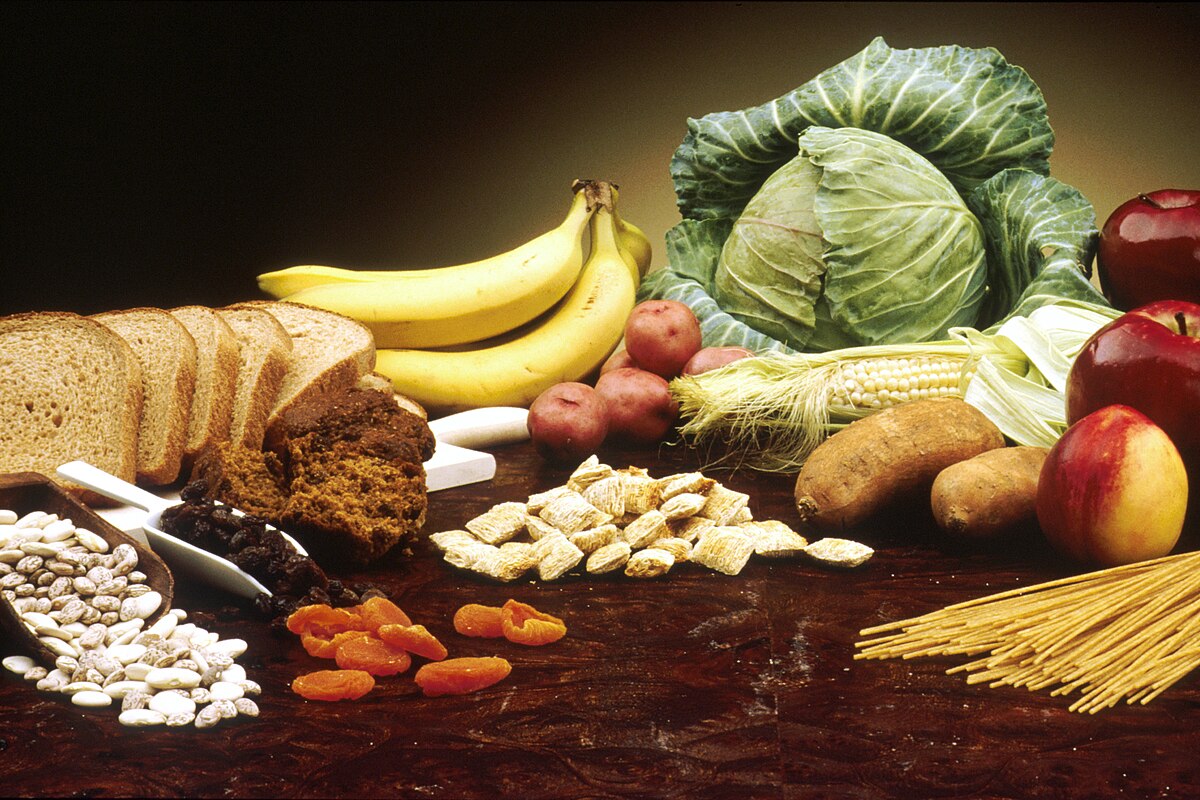
Your body lacks the enzymes needed to digest the fiber in your food, but your gut microbiome thrives on it. As trillions of bacteria feast on those indigestible bits, they ferment them into short-chain fatty acids like acetate, propionate, and butyrate.
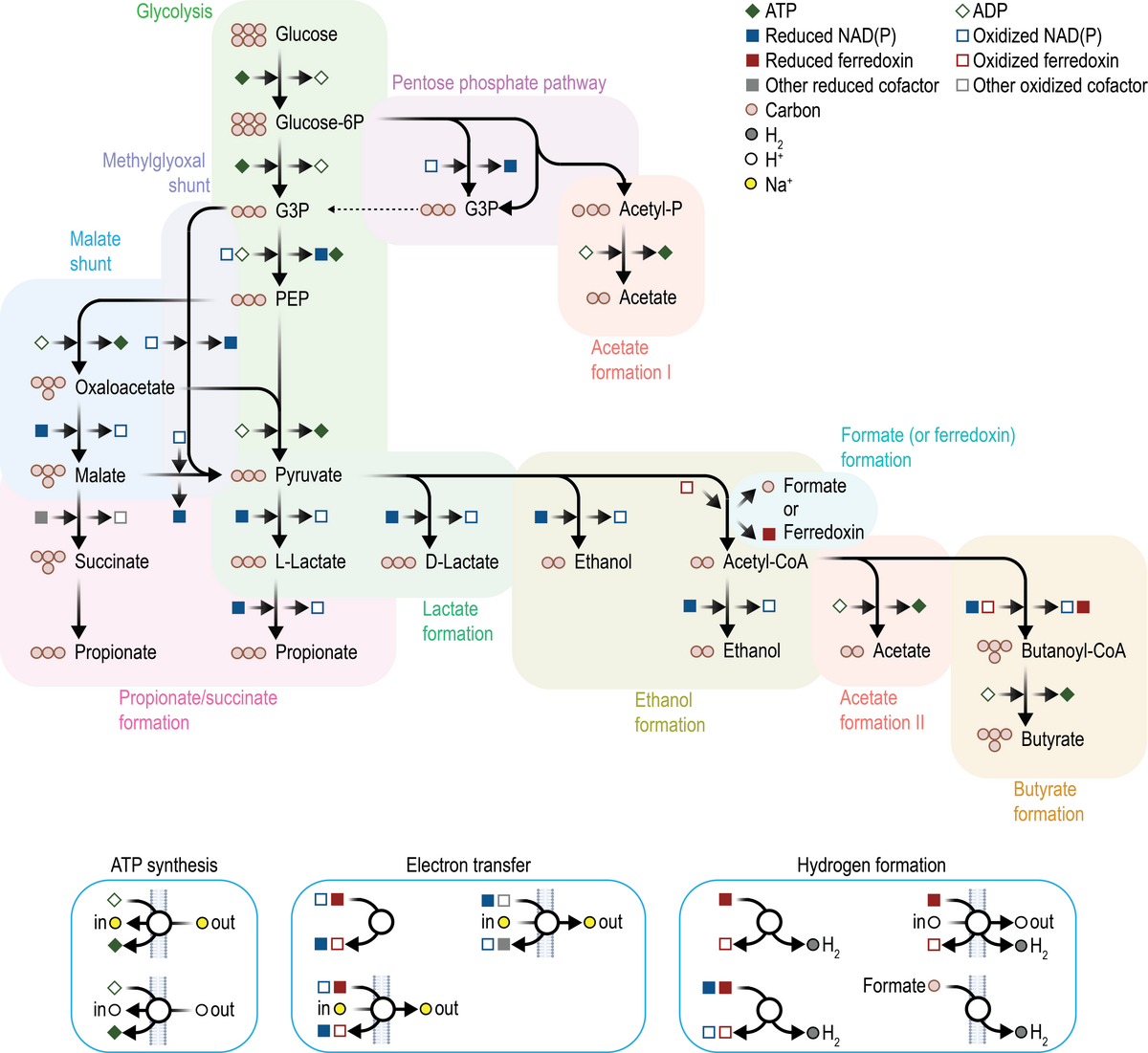
Diagram illustrating the biochemical pathways for glucose fermentation, showing glycolysis, pentose phosphate pathway, methylglyoxal shunt, and malate shunt leading to various end products like… Tjhackmann, CC BY-SA 4.0, via Wikimedia Commons
Far from being mere waste, butyrate serves as the primary energy source for your colonocytes, the cells lining your large intestine.
The fiber connection
In the 1970s, researchers noticed that people in rural Africa eating high-fiber diets had drastically lower rates of colon cancer than Western populations. They traced the protection back to fermentation: more fiber meant a massive production of these fatty acids in the gut.
Without a steady supply of dietary fiber, colon cells literally starve and the gut barrier begins to weaken.
Beyond the gut
These tiny molecules do not just stay in the gut; they escape into your bloodstream and travel throughout the body. They interact with immune cells to calm inflammation and even signal the brain, linking your dinner directly to your metabolism.
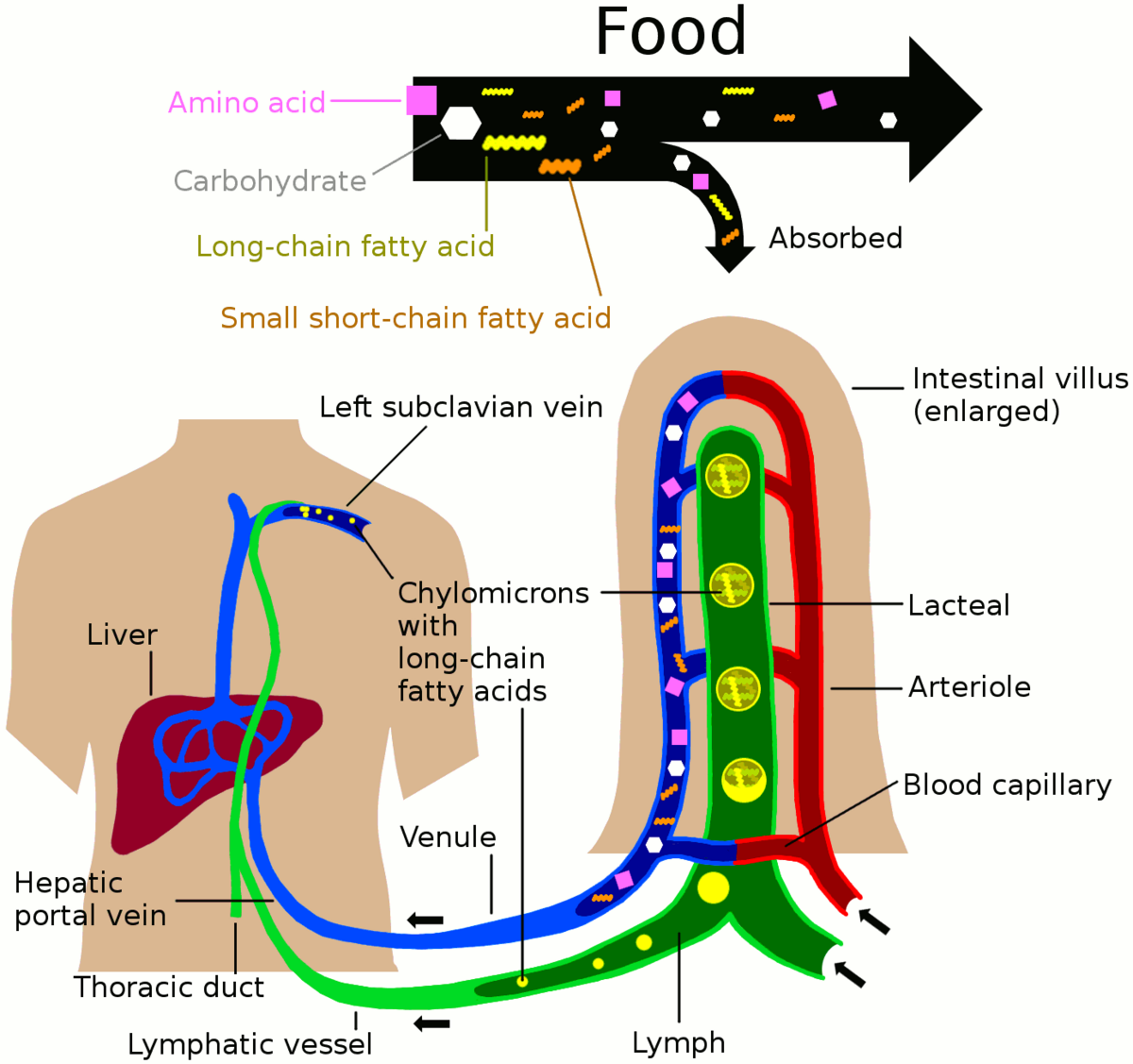
Diagram illustrating nutrient absorption into the blood and lymph systems, showing food breakdown into Amino acid, Carbohydrate, Long-chain fatty acid, and Small short-chain fatty acid. Keministi, CC0, via Wikimedia Commons
How your gut makes short-chain fatty acids
Human digestive enzymes cannot break down dietary fiber. When fiber reaches the colon untouched, trillions of intestinal bacteria consume it and ferment it into small fatty acids. The three most common forms created during this process are acetate, propionate, and butyrate.
Unlike longer fatty acids that do not dissolve in water, short-chain fatty acids are water-soluble. This unique chemical property changes how your body absorbs them. They pass directly into the portal vein during digestion, bypassing the lymphatic vessels that longer dietary fats must travel through.
What short-chain fatty acids do in the body
Butyrate acts as the direct, primary energy supply for colonocytes, which are the cells forming your colon lining. Without these fermented molecules, colon cells starve and the protective gut barrier weakens.
These molecules also influence organs far beyond your digestive tract. Acetate travels to the liver, where liver cells burn it for energy. Other short-chain fatty acids escape into the broader bloodstream, interacting with immune cells to reduce inflammation and sending metabolic signals toward the brain.
Play the lesson in edgi and the card is yours. It lands on your Map next to the ideas it connects to, and turns from matte to foil to gold as you learn more around it.
The three most common short-chain fatty acids are acetate, propionate, and butyrate. They are produced together in the colon as bacteria ferment indigestible plant fiber.
How does the body absorb short-chain fatty acids?
Because short-chain fatty acids dissolve in water, they are absorbed straight into the portal vein. Long-chain fats, by contrast, must be packaged into chylomicrons and routed through the lymphatic system before entering the bloodstream.