TanninsHow plant defense molecules dry out your mouth
Tannins are large, astringent biomolecules produced by plants that bind to proteins and force them out of solution. They protect growing plants by making bark, leaves, and unripe fruit bitter or unpleasant for animals to eat. When you eat or drink tannin-rich foods, they strip the lubricating proteins out of your saliva, creating a rough, dry feeling in your mouth.
By the edgi team We find the most surprising true thing about an idea and build a 60-second lesson around it.
That dry, puckering feeling you get when you drink red wine isn't a flavor. It's tannin, a nearly flavorless molecule found in plants. Saliva is slippery because it is full of lubricating proteins. Tannins bind to those proteins and precipitate them, meaning they drop out of solution and stop coating your mouth.
It isn't only wine. Over-steeped black tea and unripened fruit do the same thing, same molecule, same effect on your saliva. With the slipperiness stripped out, your tongue drags on your teeth, the sides of your mouth feel rough, and that's what causes the pucker.
Bark, seeds and unripe fruit are loaded with tannins to make the plant unpleasant to chew until its seeds are ready to travel. In grapes, tannin lives in the skins, seeds and stems.
One grape, three drinks
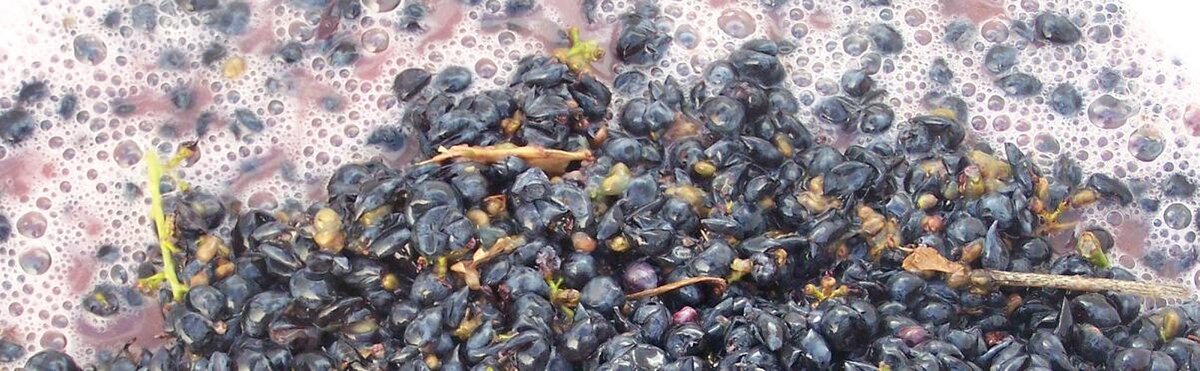
Squeeze a red grape and what runs out is nearly clear. Almost all the tannin, and almost all the color, is in the skin. Red wine is red and grippy because after crushing the grapes, the juice is left sitting on the skins for days, pulling both the red and the tannin out at once.
A close-up view of dark grape skins, seeds, and stems submerged in a foamy, purple liquid during the maceration process. Original uploader was Agne27 at en.wikipedia, CC BY-SA 3.0, via Wikimedia Commons
White wine is usually pressed off its skins within hours. Same plant, same molecules, but hardly any of the tannin or red color reaches the glass. This is why one red grape can make three different drinks. Off the skins immediately and it's a white. A few hours on them, rosé. Days on them, a red with grip.
Time it, then cancel it
You can measure how tannic a wine is with nothing but a clock. Swallow a mouthful of red and count how long the dryness lasts. Two or three seconds is light. Ten or more and you're drinking something seriously tannic, like a young Cabernet Sauvignon, Nebbiolo or Syrah.
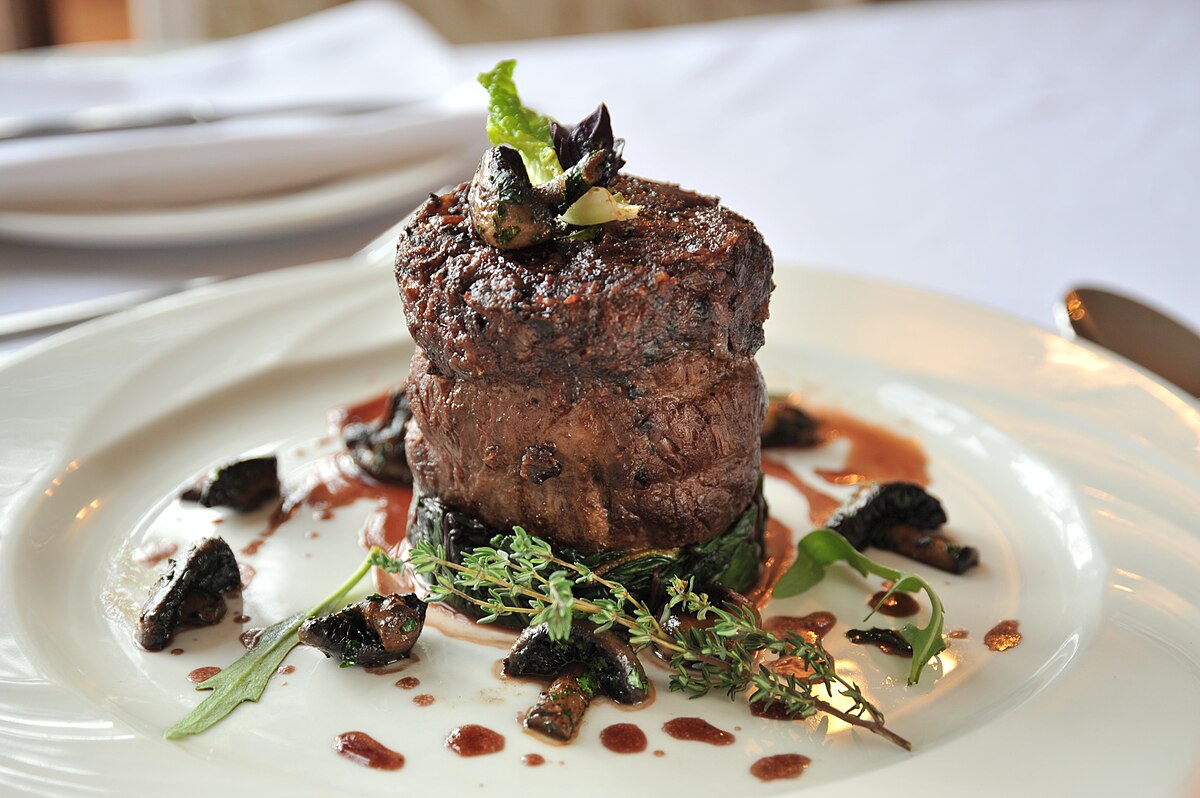
Now eat something fatty like steak and try again. The tannins go for the protein and fat in the food instead of your saliva, and the grip mostly vanishes. That's why we pair red wine with steak, worked out over centuries by people who had no idea why it worked.
A beef fillet steak dinner is served with mushrooms, garnished with herbs, and drizzled with sauce on a white plate. Archie MacDonald52, CC BY-SA 3.0, via Wikimedia Commons
How tannins work at the chemical level
Tannins are polyphenols, large chemical compounds rich in hydroxyl and carboxyl groups. To successfully bind proteins, a typical tannin molecule requires at least twelve hydroxyl groups and five phenyl groups. Their molecular weights range from 500 daltons up to 20,000 daltons in larger proanthocyanidins.
This chemical structure of tannic acid shows the numerous hydroxyl and phenyl groups required to bind and precipitate proteins. en:User_talk:Ronhjones, Public domain, via Wikimedia Commons
Because of their size and structure, tannins bind tightly to macromolecules including proteins, amino acids, and alkaloids. When tannins enter your mouth from unripened fruit, black tea, or red wine, they attach to the proteins that make saliva slick. This causes the salivary proteins to precipitate, dropping them out of solution and leaving your mouth feeling dry and rough.
Where plants store and use tannins
Plants manufacture tannins in specialized organelles called tannosomes, which derive from chloroplasts. Because tannins naturally destroy or precipitate proteins, plant cells cannot leave them loose in active tissue. Instead, plants isolate and store them inside vacuoles within specialized cells called idioblasts.
Condensed tannins are the most common variety, making up as much as 50 percent of the dry weight of leaves in some species. They act as natural pesticides to protect foliage, stems, and unripe seeds from predation. Over time, plants modify or break down these tannins as their fruit ripens, signaling when seeds are ready for distribution.
Tannins in soil and ecosystems
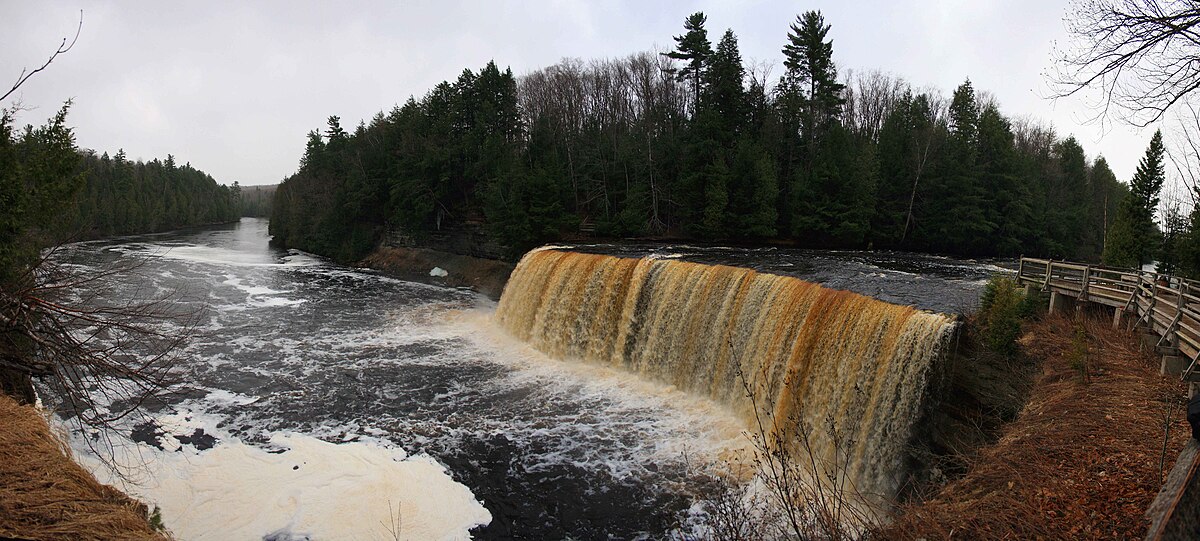
When leaves and bark fall to the forest floor, their high tannin content alters surrounding soil and waterways. Leaf litter from trees like the New Zealand kauri decomposes unusually slowly because its tannins and phenols are toxic to microorganisms. These compounds slow down nitrogen cycling and control plant decomposition rates.
Reddish-brown, tannin-stained freshwater drains into Cox Bight from Freney Lagoon, illustrating how plant tannins color natural waterways. JJ Harrison (https://www.jjharrison.com.au/), CC BY-SA 3.0, via Wikimedia Commons
As rainwater leaches through decaying, tannin-rich plant litter, it carries dissolved compounds into streams and lagoons, tinting the water a distinctive brown or reddish hue.
Test yourself
Why does eating fatty food with a tannic red wine reduce the dry mouth feeling?
Tannins bind to food fat and protein. Tannins bind to the fats and proteins in the food instead of your saliva proteins, making the grip vanish.
What causes the dry mouth sensation from tannins?
Precipitating lubricating proteins. Tannins bind to lubricating proteins in saliva and cause them to drop out of solution, removing the slipperiness in your mouth.
Red grapes, fermented off the skins. What comes out?
A pale, low-tannin wine. Color and grip both live in the skins, so pulling the juice off early gives a pale, soft wine from a red grape. That is how rosé is made, and how a white can come from black grapes.
Play the lesson in edgi and the card is yours. It lands on your Map next to the ideas it connects to, and turns from matte to foil to gold as you learn more around it.
The term comes from the historical use of crushed oak bark to tan animal hides into leather. Oak bark is naturally rich in these compounds, deriving from the Proto-Celtic word for oak.
Why does eating steak reduce the dryness of red wine?
Red wine tannins readily bind to proteins and fats. When you eat steak, the tannins latch onto the proteins and fats from the meat rather than stripping away your salivary proteins, cancelling out the drying sensation in your mouth.
What are pseudo-tannins?
Pseudo-tannins are low molecular weight polyphenolic compounds. Unlike condensed or hydrolysable tannins, they do not change color during the Goldbeater's skin test and cannot be used to tan leather.