Acids in wine are naturally occurring organic compounds, mainly tartaric and malic acids, that give wine its tart taste and preserve it against bacteria. Most wines sit at a sharp pH between 2.9 and 3.9, which is roughly as acidic as orange juice. These acids directly control a wine's color, its stability over time, and how long it makes your mouth water.
By the edgi team We find the most surprising true thing about an idea and build a 60-second lesson around it.
Sour triggers a reflex. Acid on your tongue makes your salivary glands fire within about a second, whether you want them to or not. Mouth-watering is one clue to acid. Swallow, then count how long the watering lasts. A wine that keeps your mouth watering is likely to have a stronger acid presence.
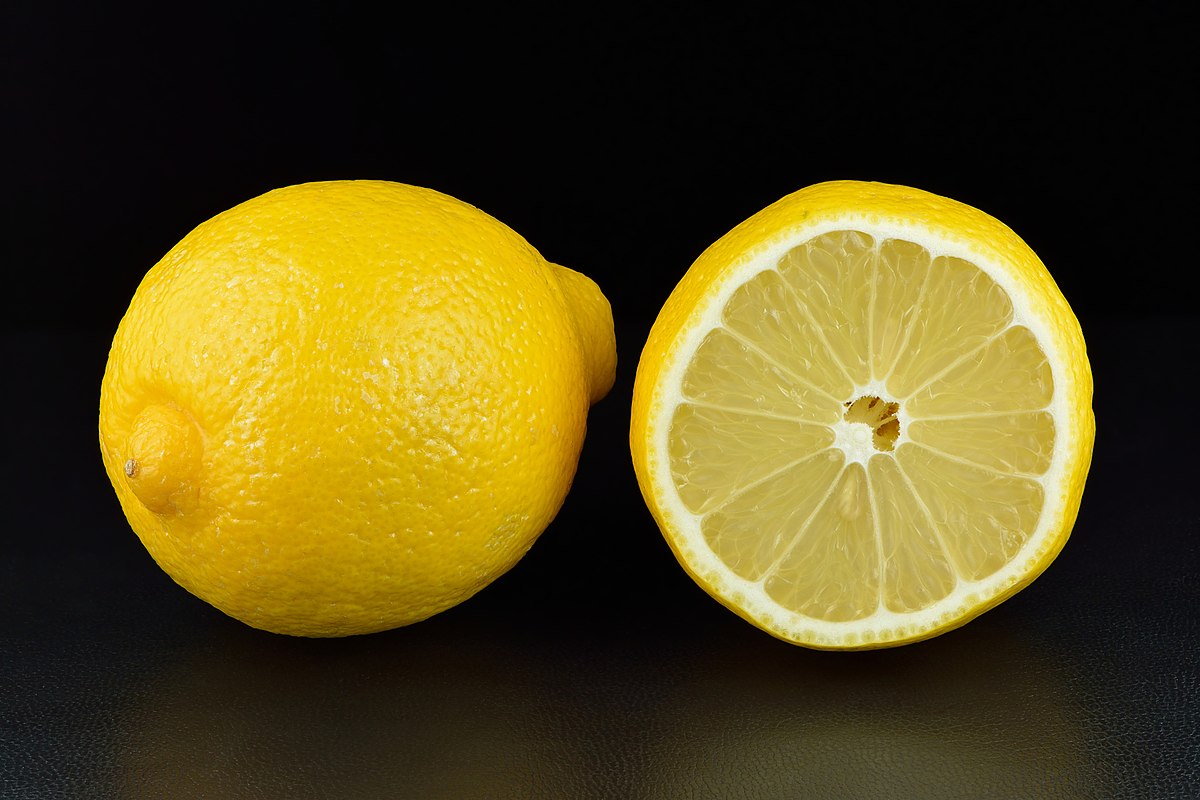
Try a squeeze of lemon first. Its sourness makes the reflex obvious. Then try a glass of wine and compare the feeling.
A whole lemon and a half-cut lemon are displayed against a black background. Ivar Leidus, CC BY-SA 4.0, via Wikimedia Commons
What the acid is
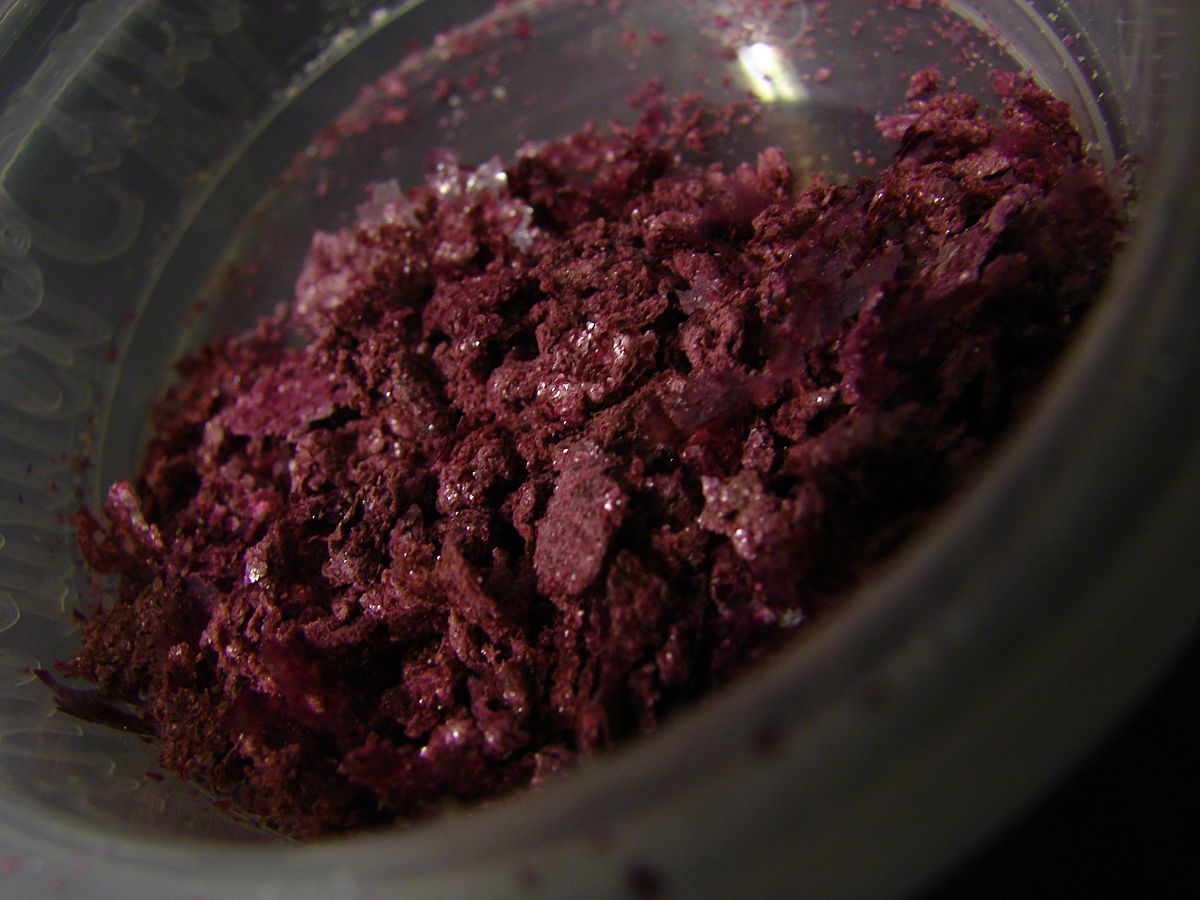
Most wine has a pH between 3 and 4, about as acidic as orange juice. Tartaric acid, which is common in grapes and scarce in most other plants, does most of that work. In a cold bottle, tartaric acid can fall out of solution as crystals on the cork. People sometimes mistake them for glass, but they are wine acid.
A close-up of tartaric crystals, dyed a deep reddish-purple color, in a clear plastic container. Rei at English Wikipedia, CC BY-SA 3.0, via Wikimedia Commons
Malic acid is the acid in a green apple. As grapes ripen, the berry metabolizes it, and warmth speeds the loss. Cooler growing conditions preserve more, so acid can carry a clue about how the grapes ripened. Growers pick grapes for Champagne early, before much malic acid is lost. The base wine is bracing and hard to drink on its own.
High acidity helps keep most spoilage bacteria from growing. It is one reason wine can keep for years.
The one you can trade
In malolactic fermentation, bacteria eat sharp malic acid and leave softer lactic acid, the acid in milk. The process also produces diacetyl. Diacetyl can give wine a butter note.
Chemical structure of diacetyl, showing two methyl groups (CH3) bonded to a central carbon chain with two carbonyl groups (C=O). User:Mysid, Public domain, via Wikimedia Commons
In a big Chardonnay, the butter may come from bacteria rather than the barrel. It is a secondary aroma made in the cellar rather than grown in the fruit. Nearly every red goes through this process. For whites, someone in the cellar decides whether it happens.
Which acids come from the grape?
Wine grapes contribute three primary fixed acids: tartaric, malic, and citric. Tartaric acid is rare in most other plants but concentrated in grape vines. It remains stable throughout ripening, maintaining the chemical stability and color of the wine. Malic acid, the same acid found in green apples, provides energy transport in the vine. Its concentration peaks before the grapes change color and falls as the fruit respires during ripening.
Grapes grown in cooler climates preserve higher levels of malic acid, giving the wine a distinct green apple flavor. Tomas Eriksson, CC BY-SA 3.0, via Wikimedia Commons
Warm weather speeds up the loss of malic acid. In cool regions, grapes preserve more malic acid, giving the finished wine a sharper green-apple profile. If grapes lose too much malic acid in hot climates, winemakers sometimes add acid back in the cellar to keep the wine balanced.
Why do tartrate crystals form?
Most tartaric acid exists as a potassium acid salt rather than free-standing acid. Over time, these salts can fall out of solution and crystallize at unpredictable moments. On a cork or at the bottom of a cold bottle, they often look like shards of broken glass, but they are completely harmless tartrates.
To prevent crystals from appearing in the bottle, winemakers often use cold stabilization. They chill the wine below freezing so the tartrates precipitate out before bottling. They can also run the wine through electrodialysis membranes to remove them.
How does malolactic fermentation change acid?
Winemakers can alter the acid profile of wine after primary fermentation using lactic acid bacteria. These bacteria eat sharp, double-proton malic acid and convert it into milder, single-proton lactic acid, the acid found in milk and yogurt. This raises the wine's pH and softens its mouthfeel.
Winemakers often allow lactic acid bacteria to convert malic acid in oaked Chardonnay to create a rounder, creamier mouthfeel. Agne27, CC BY-SA 3.0, via Wikimedia Commons
The process also produces diacetyl, a compound with a distinct buttery aroma. Nearly all red wines undergo this conversion, along with select whites like oaked Chardonnay. For delicate white wines like Riesling or Chenin blanc, winemakers usually block the bacteria to preserve crisp fruit flavors and avoid buttery notes.
Test yourself
Does tasting an acid in wine trigger an immediate involuntary salivary reflex?
Yes. Sour is unique among tastes for having a reflex attached, causing your salivary glands to fire within a second of contact.
How does malolactic fermentation typically alter the taste profile of a wine?
It converts sharp malic acid into softer lactic acid.. Bacteria consume the sharp malic acid found in green apples and replace it with smoother lactic acid, often adding buttery notes.
Does a mouth-watering wine prove its acidity?
No, it is one clue. Acid triggers saliva, so mouth-watering is a clue to acid. It is not a precise measurement.
Play the lesson in edgi and the card is yours. It lands on your Map next to the ideas it connects to, and turns from matte to foil to gold as you learn more around it.
What is the difference between total acidity and pH in wine?
Total acidity, or titratable acidity, measures the total quantity of all acids present in the wine. The pH scale measures the strength of those acids. Because of how different acids interact, a wine can occasionally have both high total acidity and a relatively high pH.
What is volatile acidity?
Unlike fixed grape acids, volatile acids can evaporate and release a noticeable aroma. The most common volatile acid is acetic acid, which is found in vinegar. In high amounts, acetic acid is considered a wine fault.