TerroirWhy clones taste different across a dirt road
Terroir is the combination of environmental factors, like soil, climate, slope, and local organisms, that shapes how a crop grows and tastes. It explains why genetically identical plants grown in separate plots produce distinctly different flavors. The concept forms the legal basis of regional food names, from French wines to alpine cheeses.
By the edgi team We find the most surprising true thing about an idea and build a 60-second lesson around it.
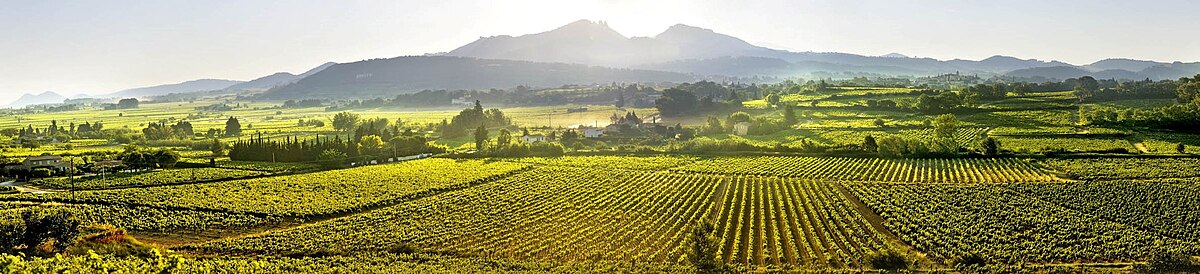
Vines grow from cuttings, so a vineyard is one plant copied thousands of times. Put those cuttings on two hillsides a mile apart and the wines come out different enough to tell apart blind. What differs is the ground. Sun makes sugar, and sugar becomes alcohol. Hot days burn the acid out of the berry, and cold nights hold it in.
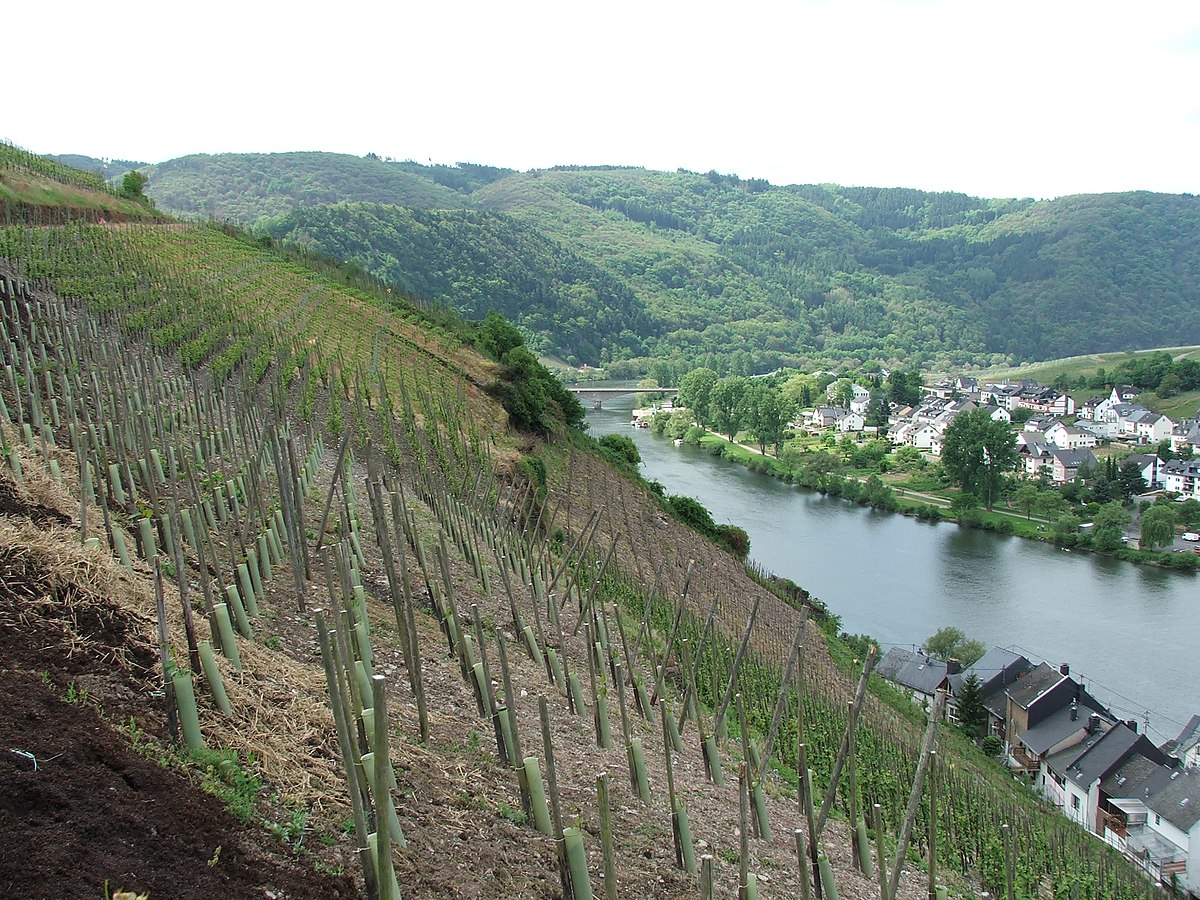
Then there is water. Ground that drains fast keeps the berries small, so there is more skin per drop of juice, and skin is where the color lives, and the tannin that dries your mouth. Dark slate under the Mosel soaks up heat all day and gives it back at night, in a valley too far north to ripen a grape any other way. Pickers work those slopes in harnesses.
A vineyard with steep slopes is pictured alongside the Mosel river in Germany, showcasing the terroir of the region. Friedrich Petersdorff, CC BY-SA 2.0 de, via Wikimedia Commons
Burgundy ran the experiment
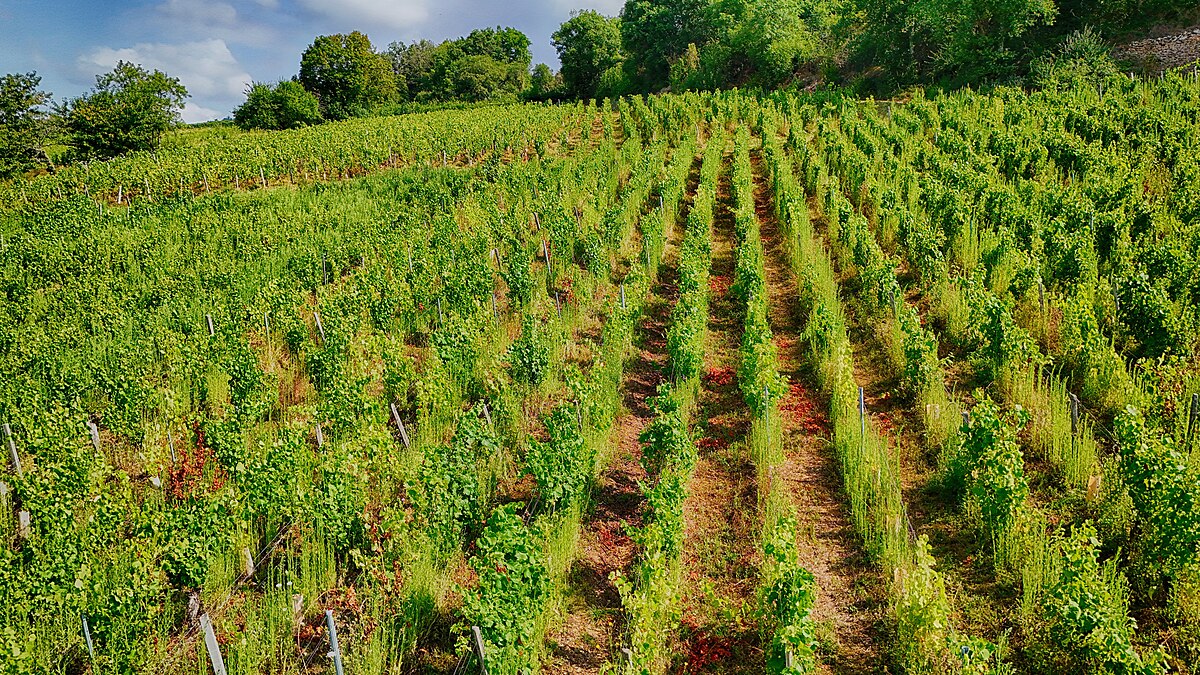
Burgundy has spent eight centuries comparing plots on one hillside: one grape variety, 60 kilometers of slope, and 1,247 separately named vineyards on it, some the size of a tennis court. One wall can separate two of them and the wines sell ten times apart. Same grape, same year, sometimes the same grower. What differs is the slope, the sun on it, and how fast the rain drains through.
Aerial view of old vines in a vineyard in the Burgundy wine region of France, showing parallel rows of green grapevines on a gentle slope. FrogsLegs71, CC BY-SA 3.0, via Wikimedia Commons
Monks and growers made that map by writing things down: which plot ripened first, which survived a wet year, which made wine worth selling, every year for centuries.
The address on the label
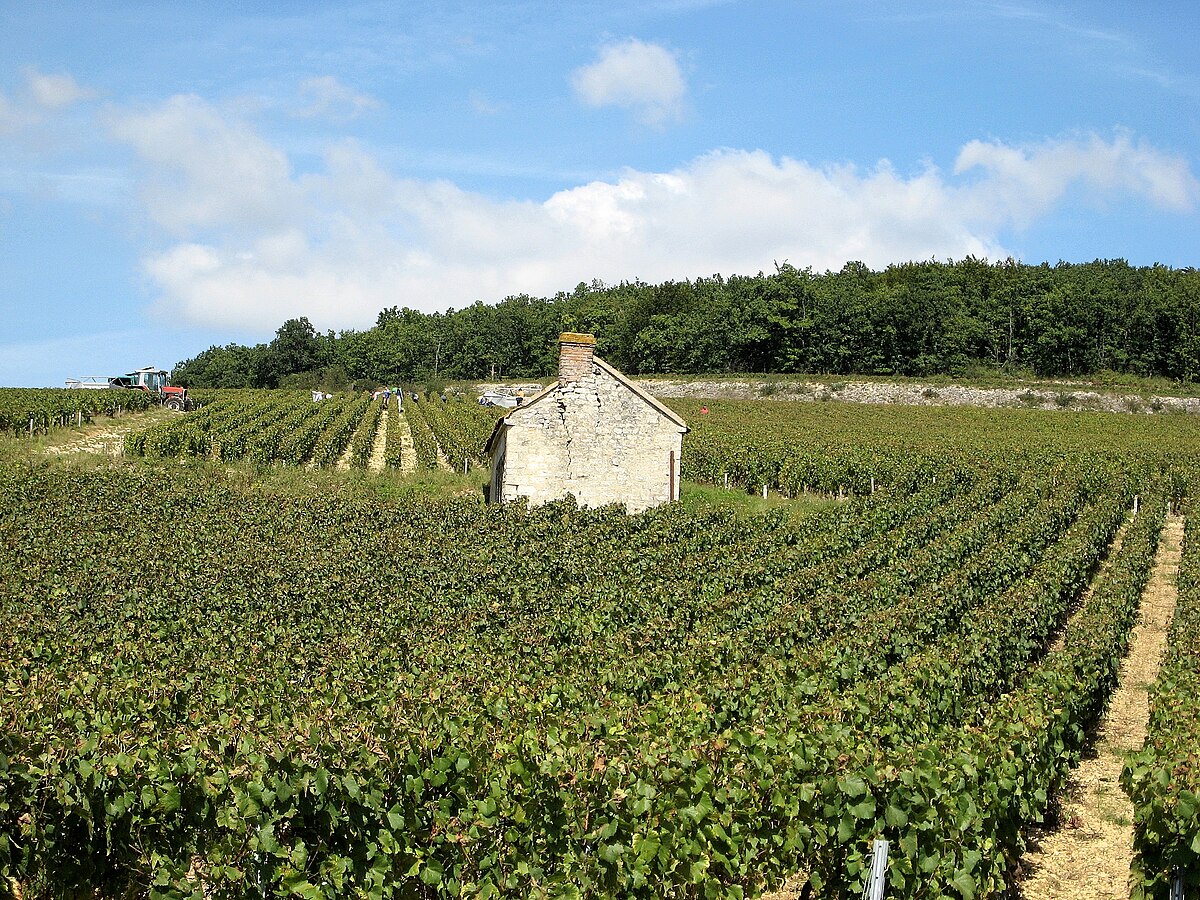
Those differences are reliable enough that France wrote them into law in 1935. An appellation is a boundary around a place; outside the line you cannot use the name, however good your wine is. Champagne is a cold region northeast of Paris. Chablis is a village of two thousand people. Chardonnay grows in both, and the two wines taste nothing alike.
A vineyard in Chablis Premier Cru Fourchaume, France, shows rows of grapevines stretching across rolling hills under a blue sky with scattered clouds. CocktailSteward, CC BY 3.0, via Wikimedia Commons
So a name like that is an address, and the address is a claim about the weather the fruit got. And the addresses are drifting. In 2017 a Champagne house planted vines in southern England, on ground too cold for them a few decades ago. What they make there cannot be called Champagne.
So try it on the next glass. Ripe, sweet fruit with a soft finish means heat and sun. A mouth that keeps watering after you swallow means high acid, and somewhere cool. Guess the weather and you have guessed the place.
What are the natural elements of terroir?
Terroir relies primarily on natural factors that humans cannot easily alter. Climate acts on multiple scales, descending from the broad weather of a region (macroclimate) down to the conditions of a single village (mesoclimate) or individual row of crops (microclimate). Temperature, sunlight, and moisture dictate how quickly fruit ripens and how its sugars and acids develop.
Geomorphology and soil provide the physical foundation. Features such as mountain slopes, river valleys, and elevation control drainage and sun exposure. Soil composition governs how much water the ground retains and whether it stores heat to release overnight. In addition to rock and dirt, the specific mix of local plants, animals, and microscopic vineyard flora contributes directly to a site's environmental profile.
How do human choices affect terroir?
While natural habitat defines a site, human decisions influence how clearly those environmental traits appear in the final product. Choosing which grape variety to plant, when to prune, when to harvest, and whether to irrigate all alter how the crop reflects its environment. In the winery, relying on ambient wild yeast highlights the local microbial population, whereas adding cultured commercial yeast can standardize fermentation.
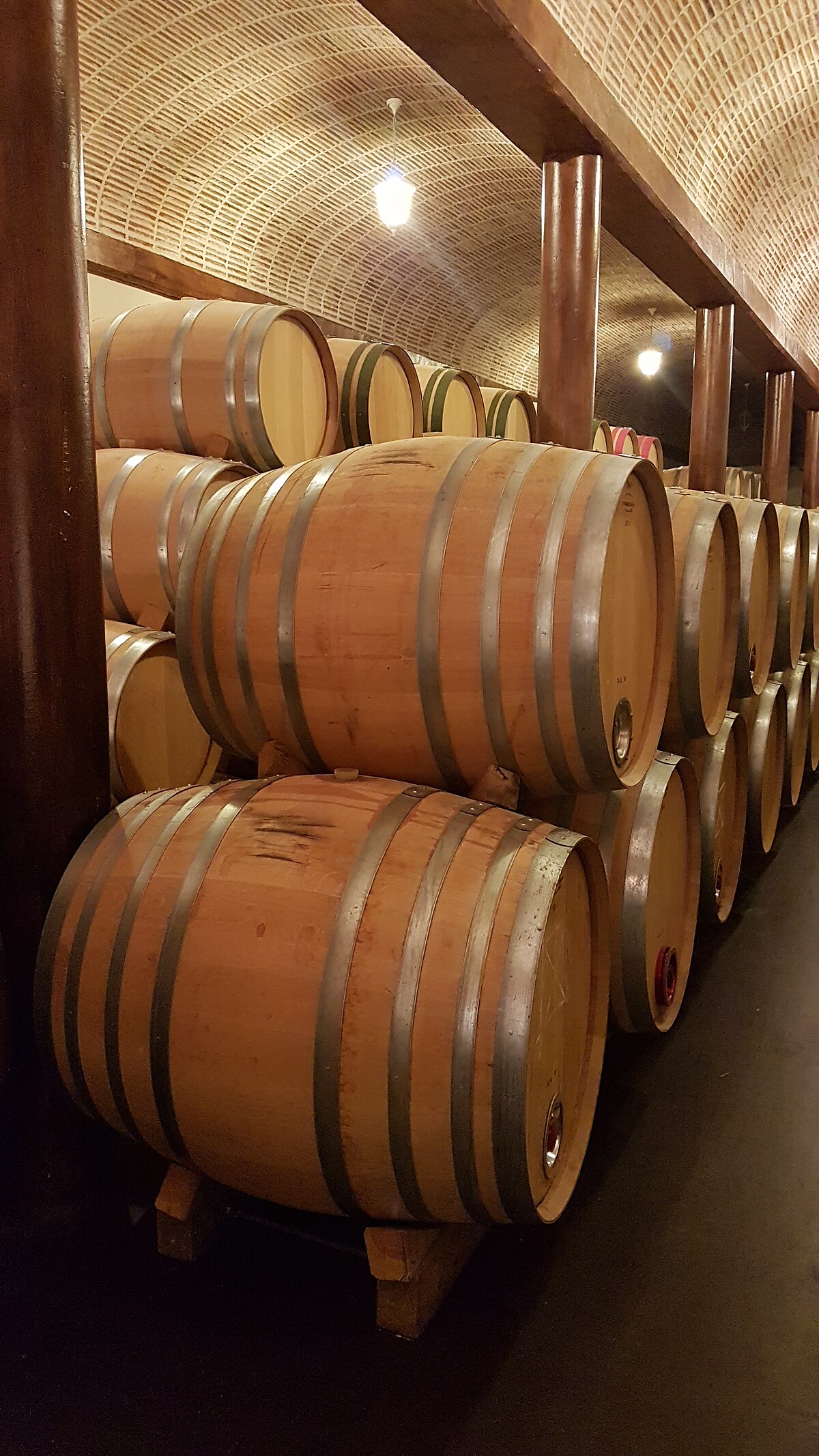
Cellar practices can either highlight or mask these natural traits. Aging wine in new oak barrels, clarifying it with fining agents, or using reverse osmosis changes the original flavor profile of the fruit. In regions like Burgundy, winemakers see their primary role as guiding the land's expression rather than imposing heavy-handed cellar techniques.
Does terroir apply beyond wine?
The concept of regional character originated long before modern viticulture, with ancient Greeks stamping storage amphorae with geographic seals to denote origins. While France formalized this in 1935 through the Appellation d'Origine Contrôlée (AOC) system, the same environmental rules govern other artisanal foods.
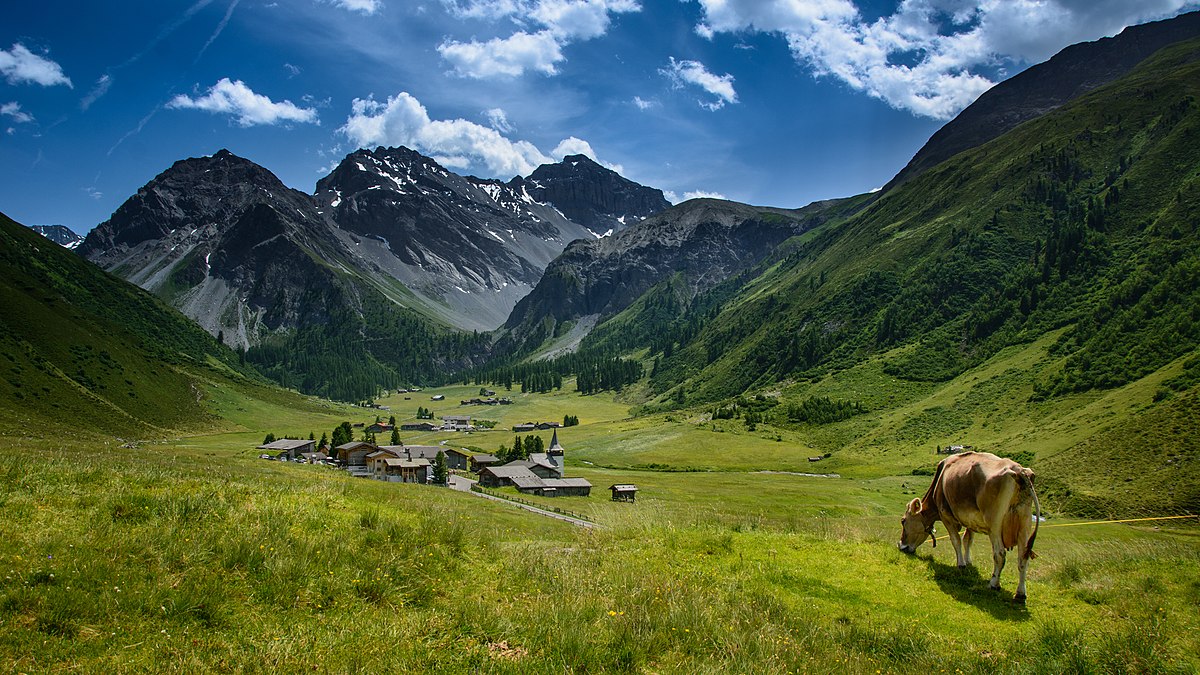
Alp cheeses gain distinct qualities from the specific wild herbs and flowers that cattle graze at high elevations. kuhnmi, CC BY 2.0, via Wikimedia Commons
Crops like coffee, chocolate, tea, tobacco, onions, and cannabis each reflect their native soil and weather. Livestock products also show regional variation: alpine cheeses carry distinct flavors derived from the specific high-elevation grasses, herbs, and flowers grazed by dairy herds.
Test yourself
Two identical plots, one with poorer soil. Which makes the bigger wine?
The poor soil. A struggling vine makes small berries, and small berries mean more skin per drop of juice. Rich soil grows a fat, diluted grape. Most great vineyards sit on ground you could not farm anything else on.
Coffee from two farms on the same mountain, at different heights, tastes different. What is doing it?
Cooler air higher up, so the fruit ripens slower. Same plant, different conditions. Cooler air up the slope stretches the ripening out, and slow ripening is what gives high-grown coffee its density and its acidity.
What does the term 'terroir' refer to in winemaking?
The environmental factors influencing the grape's flavor. Terroir encompasses the environmental factors, including soil, climate, and terrain, that give a wine its unique regional character.
Play the lesson in edgi and the card is yours. It lands on your Map next to the ideas it connects to, and turns from matte to foil to gold as you learn more around it.
What is the difference between a winemaker and a vigneron?
The French term vigneron translates directly as wine-grower rather than winemaker. It reflects the philosophy that wine quality is created in the field through soil and climate management, rather than manufactured through cellar techniques.
Why do some scientists question the idea of terroir?
Critics like viticulture professor Mark A. Matthews argue that terroir is often accepted on tradition rather than rigorous scientific data. While local growing conditions definitely affect plant physiology, the exact boundaries and definitions used in marketing and regulation remain imprecise.
Why do French wine labels emphasize regions over grape types?
French wine law assumes that the plot of land imparts a more defining character to the wine than the grape variety itself. As a result, labels highlight the appellation or specific vineyard site rather than the grape name.