FOMO: why ancient social alarms fire on your phone
FOMO, or fear of missing out, is an anxious feeling that other people are sharing valuable experiences, information, or opportunities without you. It is driven by an ancient social alarm that reacts instantly to being left out, even when the missed event is minor. Because modern social media constantly displays edited highlights of other people's lives, this alarm now fires all day instead of only a few times a year.
By the edgi team We find the most surprising true thing about an idea and build a 60-second lesson around it.
Psychologists have a standard way to make somebody feel left out, and it is comically small. Three players toss a ball on a screen, and after a few throws the other two stop throwing to you. That is the whole experiment. No insults, no stakes, two minutes. People come out of it with a measurable drop in mood, in self-esteem and in belongingness, over a ball they did not want.
Then researchers told participants the other two players were a computer program. It still worked. Even knowing it wasn't real didn't stop it landing.
The detector
That result only makes sense if the detector is not weighing costs. It fires on the pattern, the ball going elsewhere, before anything gets evaluated. Being quietly dropped by your group used to be dangerous, so the reaction runs ahead of the reasoning. You know perfectly well the party looked boring. You feel excluded anyway.
FOMO is that detector running on a feed. Not envy of the thing itself, but the older signal underneath it: they did this without me.
What actually changed
The feeling is ancient. The word is not. Patrick McGinnis coined FOMO in 2004, in a student paper at Harvard Business School. He meant it about a campus where everybody could see what everybody else was doing on a Friday night. Social media made that everyday life.
Before, you learned about a party you were not invited to only if somebody happened to mention it. Most of them you never heard about, and the detector had nothing to fire on. Now every gathering leaves a public record, posted by the people who were there and edited. Nothing changed in you. A signal that once fired a few times a year now fires all day.
What triggers FOMO?
FOMO is characterized by a desire to stay continuously connected with what others are doing, driven by the fear that choosing not to participate is the wrong decision. Triggers can be as minor as missing a conversation, skipping a TV show, not attending a party or wedding, or learning that friends tried a new restaurant.
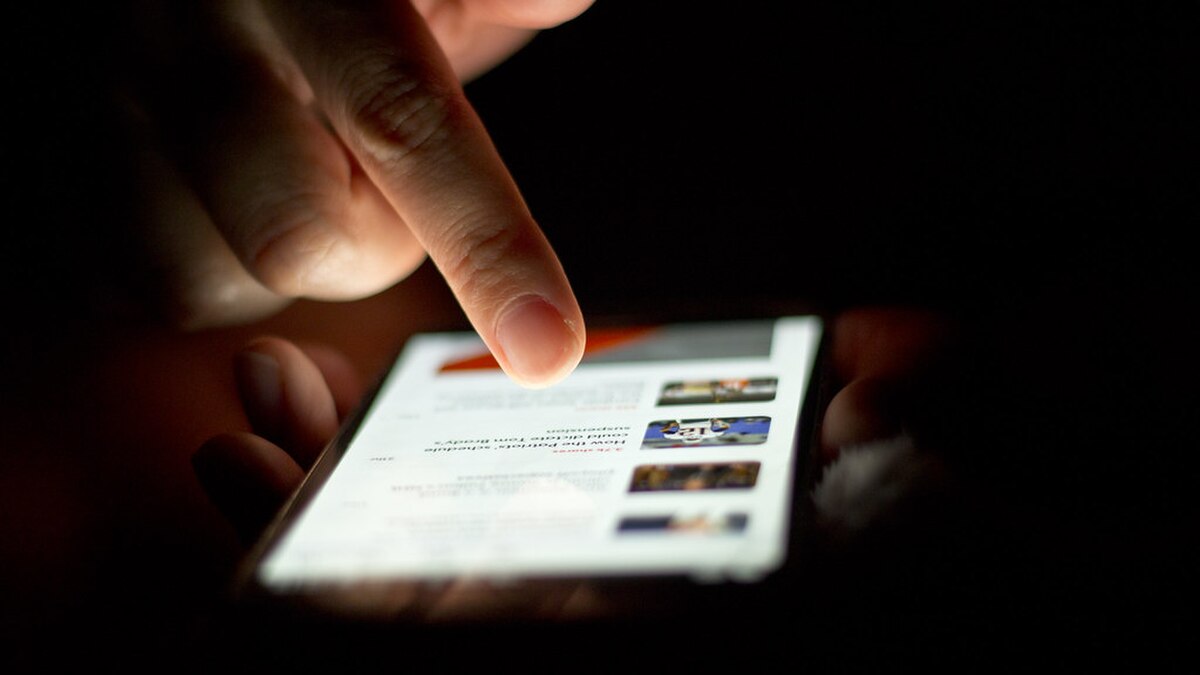
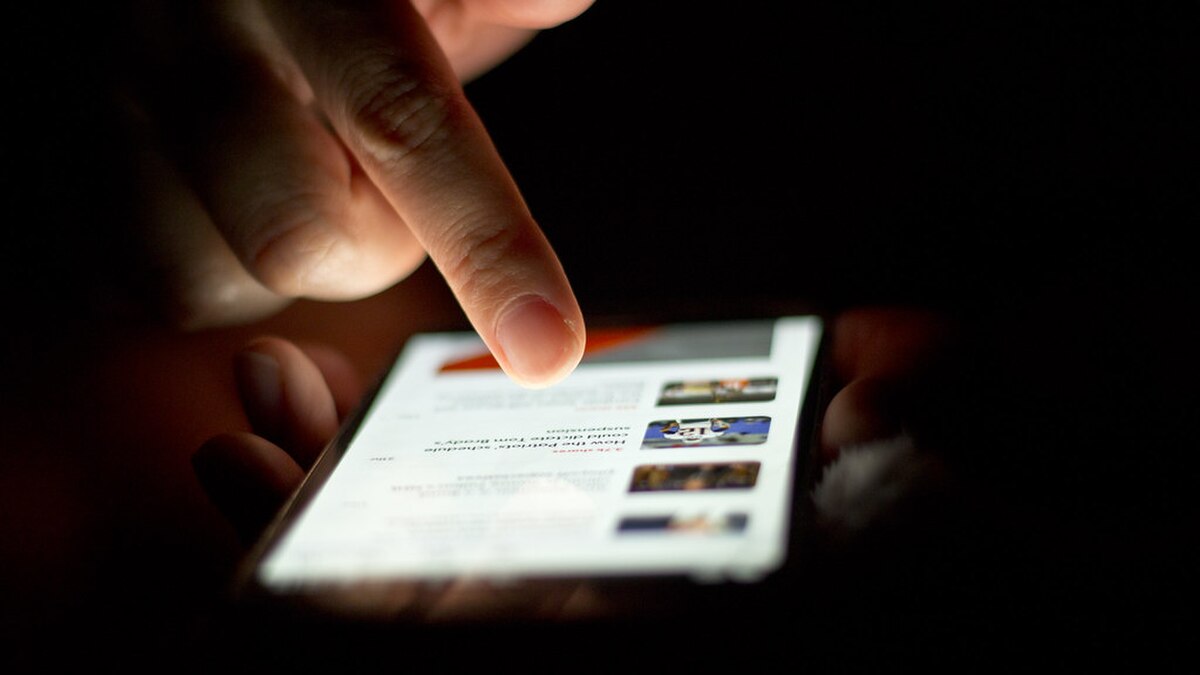
Smartphones allow continuous contact with social networks, encouraging compulsive checking for updates out of fear of missing out. Jason, CC BY 2.0, via Wikimedia Commons
Social media platforms intensify this response by offering an endless stream of activities that exclude the viewer. Users tend to post positive experiences like great meals rather than bad dates, creating an unrealistic view of what others are doing. This constant exposure can lead to compulsive checking and psychological dependence on digital networks.
What does FOMO do to the mind and behavior?
FOMO is linked to unmet psychological needs. Under self-determination theory, human beings require competence, autonomy, and relatedness; individuals with lower satisfaction in these areas report higher levels of FOMO. Experiencing this anxiety leads to measurable drops in mood, higher daily fatigue, lower self-esteem, reduced mindfulness, and long-term stress.
The phenomenon also changes how people behave. Driven by a constant pressure to remain available, individuals often search for new connections while abandoning current ones. FOMO is negatively correlated with age, reported more often by men than women, and linked to a stronger desire for social status, short-term relationships, and higher anxiety.
Where did the concept come from?
Marketing strategist Dan Herman used the phrase "fear of missing out" in academic business writing in 2000, describing it as a consumer drive to exhaust all possibilities. The acronym FOMO was coined in 2004 by Patrick J. McGinnis in an article for The Harbus, the student magazine at Harvard Business School.
McGinnis analyzed how the fear of missing out and its counterpart, FOBO (Fear of a Better Option), shaped campus social life. While older generations experienced a similar feeling through "keeping up with the Joneses," modern internet access and mobile devices expanded the effect to the public at large.
Test yourself
Why does FOMO persist even when you know an excluded event is unappealing?
Ancient survival wiring flags exclusion first. The brain runs a primitive detector for group exclusion that fires instantly on social patterns, bypassing your logical assessment of the event itself.
Does the FOMO detector trigger based on how much you value the missed experience?
No, it fires on exclusion patterns. The inclusion detector reacts to the social pattern of being dropped before your reasoning evaluates whether the actual event was desirable.
A group chat plans dinner without you. Why does it land so hard?
Exclusion registers before it is evaluated. The reaction arrives ahead of the reasoning. You can work out afterwards that it was a scheduling accident and it does not undo the first hit, because the first hit was never about the dinner.
Play the lesson in edgi and the card is yours. It lands on your Map next to the ideas it connects to, and turns from matte to foil to gold as you learn more around it.
FOBO stands for Fear of a Better Option. Patrick J. McGinnis introduced the term alongside FOMO in his 2004 Harvard Business School article to describe social indecision.
How does FOMO affect business and investing?
FOMO drives a bandwagon effect where leaders invest based on what competitors are doing rather than their own strategy. Executives participate in trends simply because they worry about being left behind, even when they do not understand the trend.