Operant ConditioningWhy unpredictable rewards hit hardest
Operant conditioning is a learning process where voluntary actions change based on the rewards or punishments that follow them. Unlike fixed reflexes, behavior is shaped and selected by its real-world consequences. A surprising finding is that unpredictable rewards build far stronger and more persistent habits than rewarding an action every single time.
By the edgi team We find the most surprising true thing about an idea and build a 60-second lesson around it.
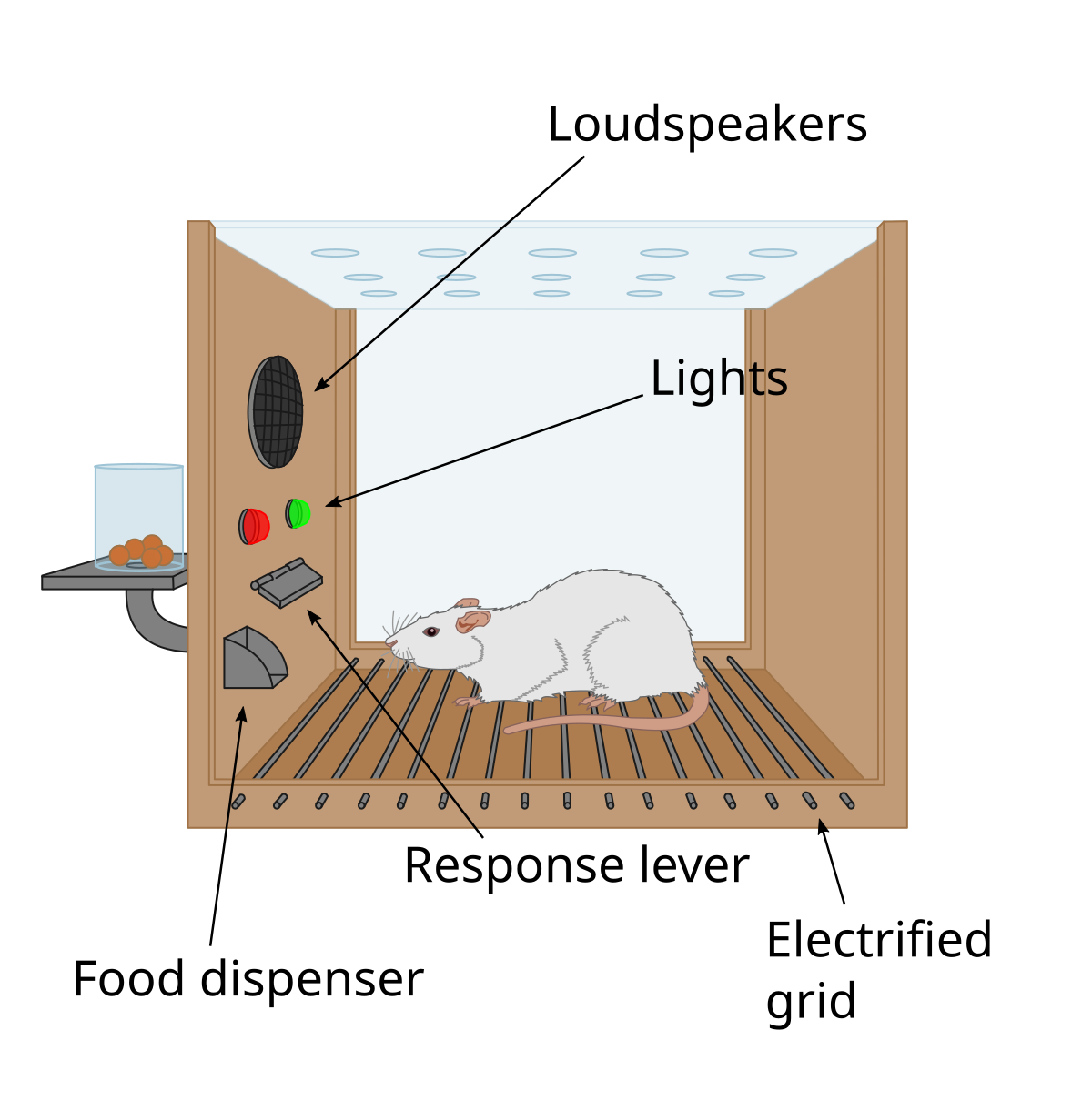
Hand a dog a treat the moment it sits and you are using the oldest tool in psychology. The behavior that gets paid for is the behavior that comes back. B.F. Skinner put that on a bench in the 1930s. A rat, a lever, a chute that dropped a pellet. The rat bumped the lever by accident, and within an hour pressing it was most of what it did.
Diagram of a Skinner box, an operant conditioning chamber, showing its internal components. Original: AndreasJS Vector: Pixelsquid, CC BY-SA 3.0, via Wikimedia Commons
That is operant conditioning: a consequence lands after a behavior and decides whether the behavior happens again. What Skinner found next is that the timing matters more than the pellet.
How often the pellet comes
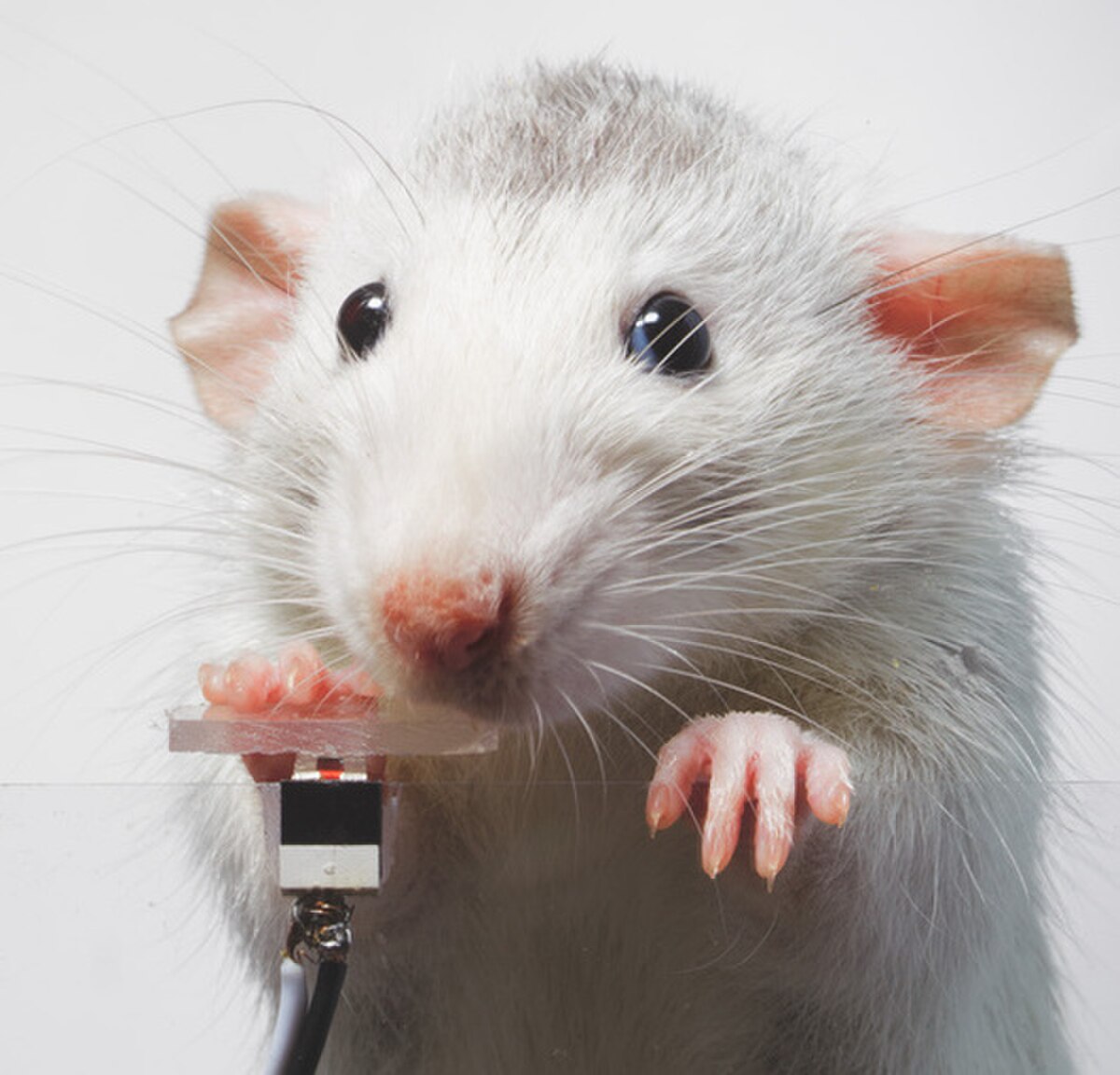
Skinner made his pellets by hand. When the supply ran low he started paying the rat for only some presses instead of every one, to stretch what he had. The rats pressed harder. A behavior paid for sometimes turned out to be stronger than a behavior paid for every single time.
A white rat with grey markings on its head presses a small black and white button with its front paws. Augustin Lignier, Public domain, via Wikimedia Commons
So he mapped the patterns, and one won. When the number of presses needed is unpredictable, the animal works faster and steadier than under any fixed rule. That is a variable-ratio schedule. It is also the hardest to switch off. Under a fixed rule, three unpaid presses is proof the machine is broken. Under an unpredictable one, three unpaid presses is a Tuesday.
The part that runs backwards
Notice what that rules out. A vending machine pays every single time and builds no pull at all. A reliable reinforcement is a boring one. And it predicts something backwards. If you want a behavior to go away, being inconsistent about it is worse than rewarding it every time.
A dog fed from the table every night learns a clean rule, and the rule breaks fast once the food stops. A dog fed from the table one night in ten is close to untrainable.
How consequences shape voluntary action
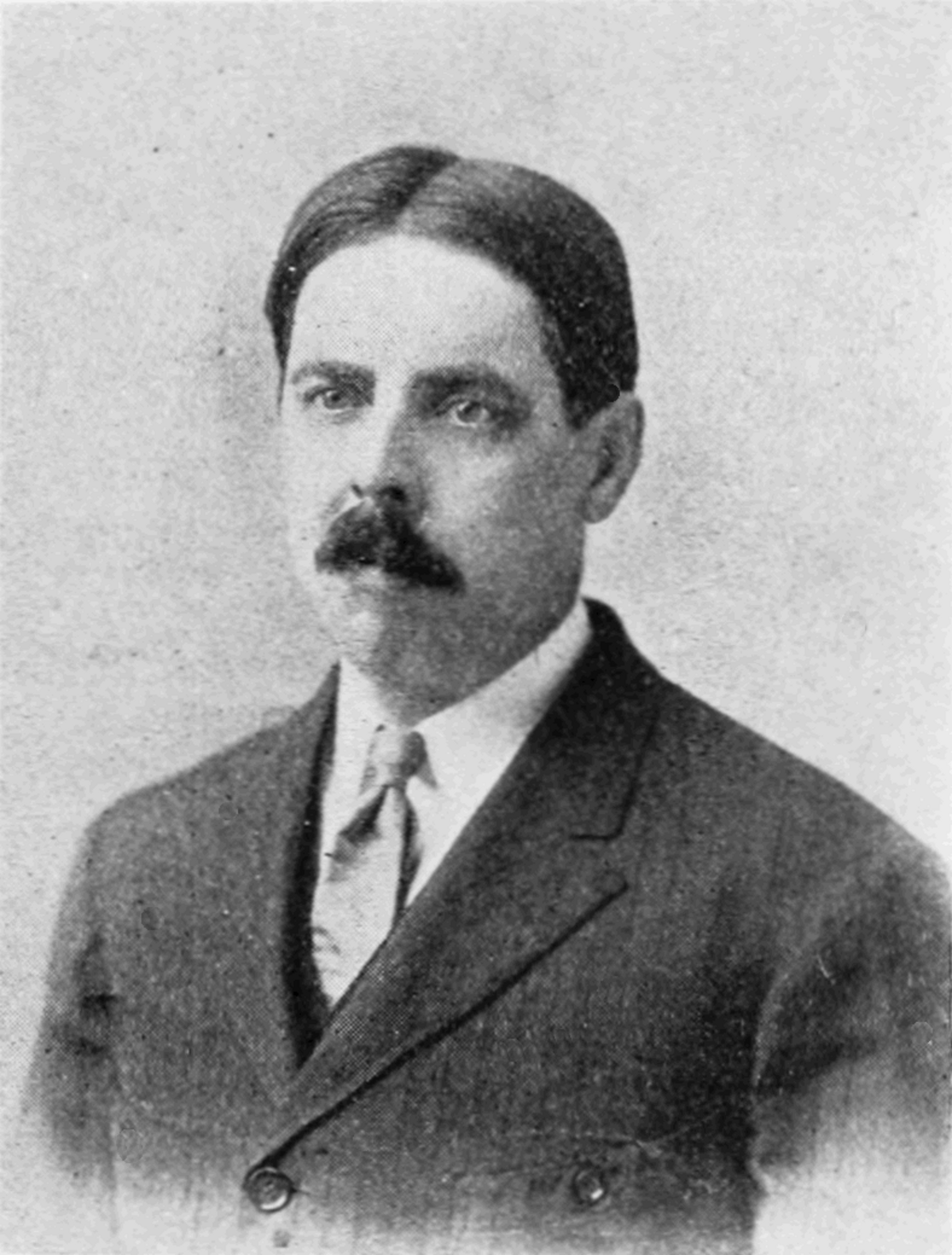
Edward Thorndike laid the foundation for operant conditioning by placing hungry cats inside homemade puzzle boxes. A cat could escape by pulling a cord or pushing a pole. At first, the animals struggled for a long time, but ineffective actions gradually dropped away while successful ones happened faster on repeated trials.
Edward Thorndike formulated the law of effect after tracking how quickly cats learned to escape puzzle boxes. Unknown authorUnknown author, Public domain, via Wikimedia Commons
Thorndike summarized this as the law of effect: behaviors followed by satisfying consequences are repeated, while those followed by unpleasant outcomes diminish. In operant conditioning, environmental consequences act like natural selection on behavior. An animal naturally varies its movements, and the specific actions that produce reinforcement are strengthened and retained.
Reinforcement, punishment, and schedules
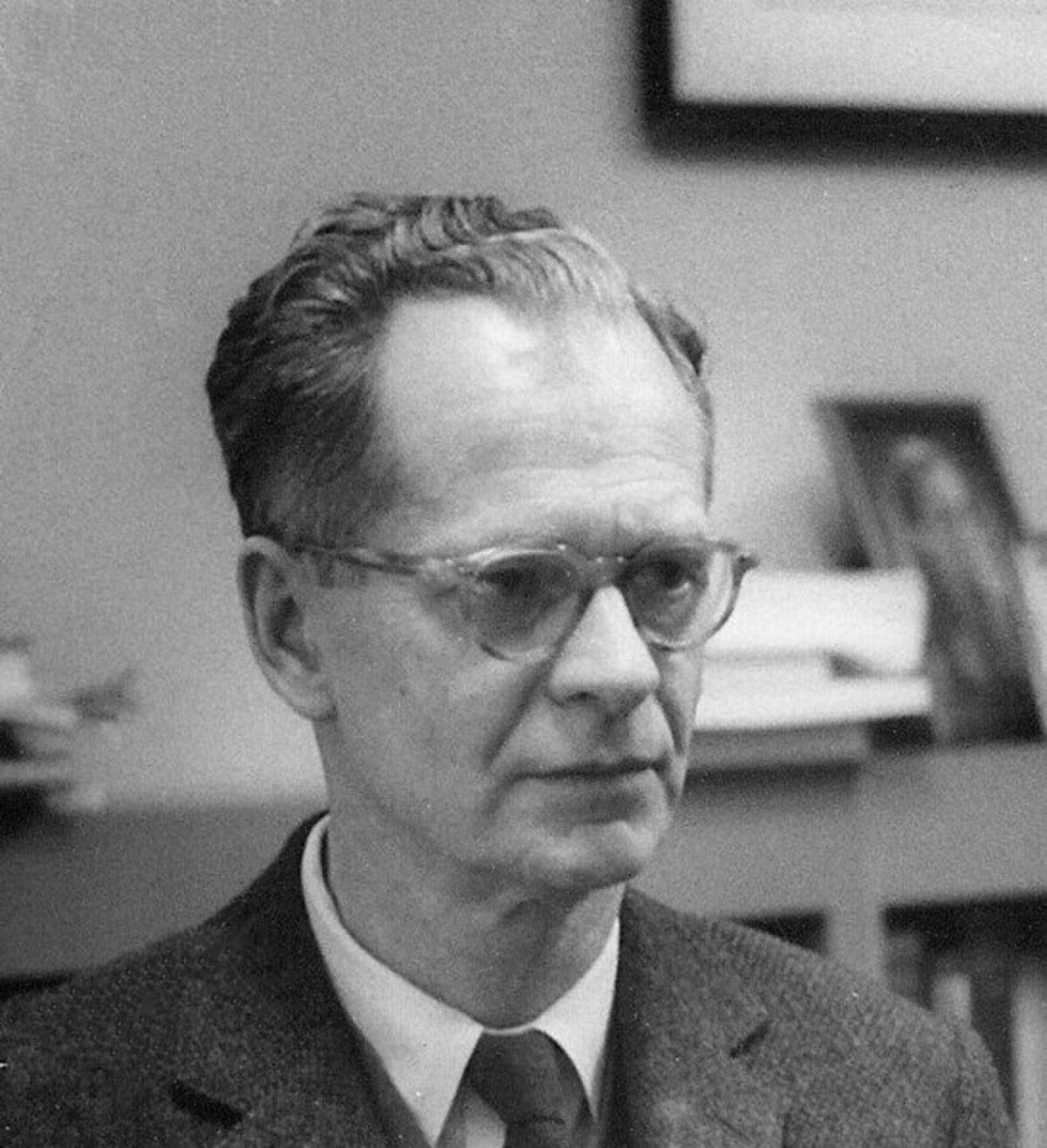
B.F. Skinner expanded this work by creating operant conditioning chambers, also known as Skinner boxes, where rats or pigeons made simple, repeatable responses like pressing a lever. Skinner focused strictly on observable actions and their outcomes, rejecting references to internal mental states. He tracked response rates over time using an automated cumulative recorder.
B.F. Skinner used controlled experimental chambers to measure how reinforcement rules change animal response rates. Silly rabbit, CC BY 3.0, via Wikimedia Commons
Consequences fall into distinct categories. Reinforcements are environmental events that increase a behavior, while punishments decrease it. Both can be positive (adding a stimulus) or negative (removing a stimulus). Extinction occurs when reinforcement stops entirely, causing the behavior to decline.
The timing of these consequences matters as much as the reward itself. Delivering reinforcement on a variable-ratio schedule, where the required number of actions is unpredictable, creates the highest response rates and the strongest resistance to stopping.
Test yourself
In operant conditioning, which payoff pattern makes a habit hardest to break?
An unpredictable schedule. Unpredictable rewards keep animals working faster and longer because missed payments look like temporary pauses rather than a broken system.
Under operant conditioning principles, why is intermittent reinforcement harder to extinguish?
Absence of reward looks temporary. When payoffs are random, a string of failures mimics a temporary dry spell rather than the end of the reward, sustaining the behavior much longer.
Why does an unreliable payoff build a more stubborn habit than a reliable one?
A gap looks like an ordinary wait. Under a reliable payoff, one failure is evidence something changed. Under an unreliable one, no run of failures is evidence of anything, so there is never a moment where stopping is the obvious move.
Play the lesson in edgi and the card is yours. It lands on your Map next to the ideas it connects to, and turns from matte to foil to gold as you learn more around it.
How does operant conditioning differ from classical conditioning?
Classical conditioning links two stimuli to produce an involuntary reflex, such as salivating at the smell of food. Operant conditioning modifies voluntary, intentional actions through the rewards or punishments that follow them.
What did B.F. Skinner say about human language?
In his 1957 book Verbal Behavior, Skinner argued that human language follows the same operant rules as physical actions. He viewed speech as behavior shaped and maintained by its consequences, including the reactions of listeners.