Slot machines: why the outcome is decided before reels spin
A slot machine is a gambling device that generates a game of chance using spinning reels and pays out money based on the matching patterns of symbols that appear. The actual outcome is decided the exact millisecond you press the button, calculated by an internal computer chip long before the reels stop spinning. They are the most popular gambling format in casinos, generating roughly 70 percent of an average American casino's revenue.
By the edgi team We find the most surprising true thing about an idea and build a 60-second lesson around it.
Inside a slot machine is a chip generating random numbers constantly, thousands per second, running whether anybody is sitting there or not. Press the button and the machine takes whichever number is up at that instant. That number is your result. The reels have not moved yet.
A tenth of a second earlier and you would have caught a different number. Nothing about how you press can reach into that gap. Even the symbols are just decoration. Cherries and melons date back to machines that dodged Gambling laws by paying out in fruit gum, and each symbol was a flavor.
The almost
Two jackpot symbols land and the third reel stops one spot short. It feels like the jackpot came within a hair. It was never close, because the stops on a reel are not equally likely. The computer weights them: the jackpot symbol might land one spin in two hundred, the blank beside it one spin in ten.
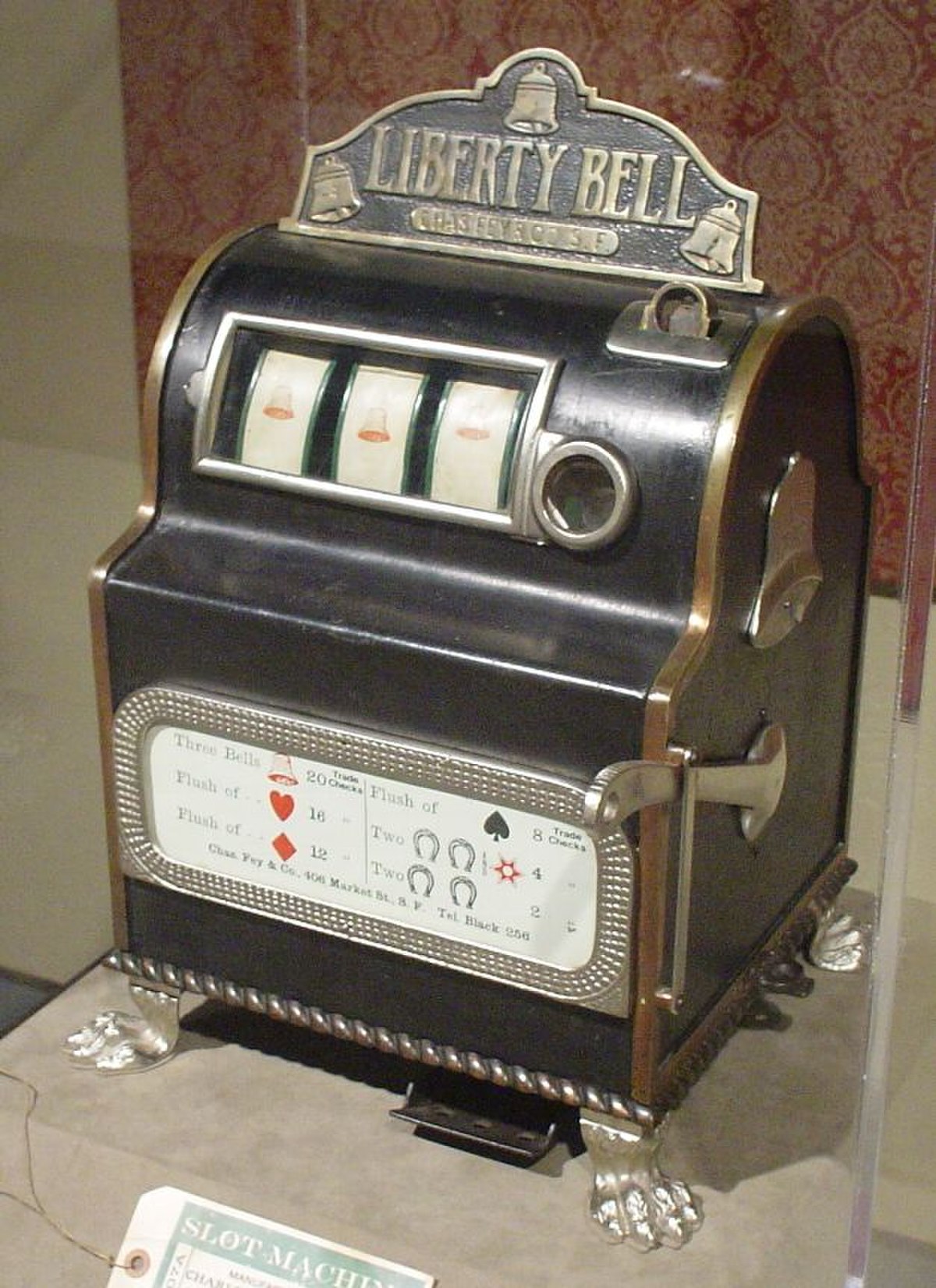
The 1899 "Liberty Bell" slot machine, manufactured by Charles Fey, featuring a black casing, three reels displaying bells, and a payout schedule on the front. Nazox, CC BY-SA 3.0, via Wikimedia Commons
So the reels stop beside the jackpot all the time and on it almost never. The near miss is not a special effect. It is the common outcome landing next to the rare one. Nevada banned rigging machines to show extra near misses in 1989, after catching a manufacturer doing it. The near misses never went away, because lopsided odds produce them on their own.
A loss that sounds like a win
Video machines added a newer trick. One press used to be one bet, and now a single press can spread your money across twenty lines at once. Bet 80 cents across those lines and hit on two of them, and the machine pays back 30 cents. You are down 50 cents, and it still plays the win music and counts your 30 cents up on screen.
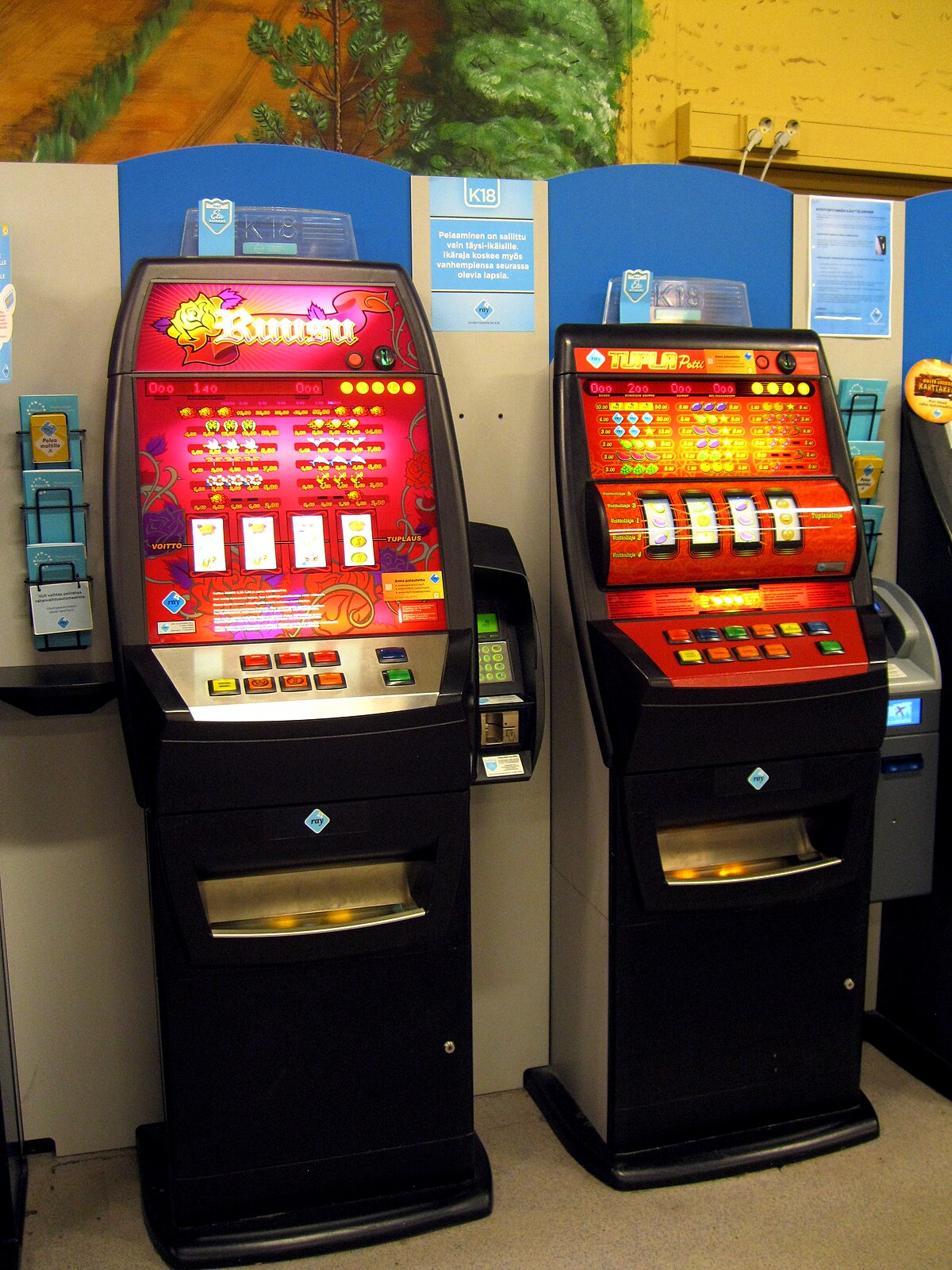
Two RAY slot machines, named Ruusu and Tuplapotti, are displayed in Finland. Santeri Viinamäki, CC BY 4.0, via Wikimedia Commons
Researchers call that a loss disguised as a win. Players wired to skin sensors react to one almost exactly the way they react to a real win. Afterwards, players remember these as wins. A machine can take your money for an hour and still send you home with the memory of a good night, and that memory is what brings you back.
How do modern slot machines work?
Inside every modern slot machine, a computer chip called a random number generator runs continuously, producing thousands of numbers every second. When a player presses the spin button or pulls the lever, the computer registers whichever number was generated at that exact microsecond. That number instantly determines the entire outcome.
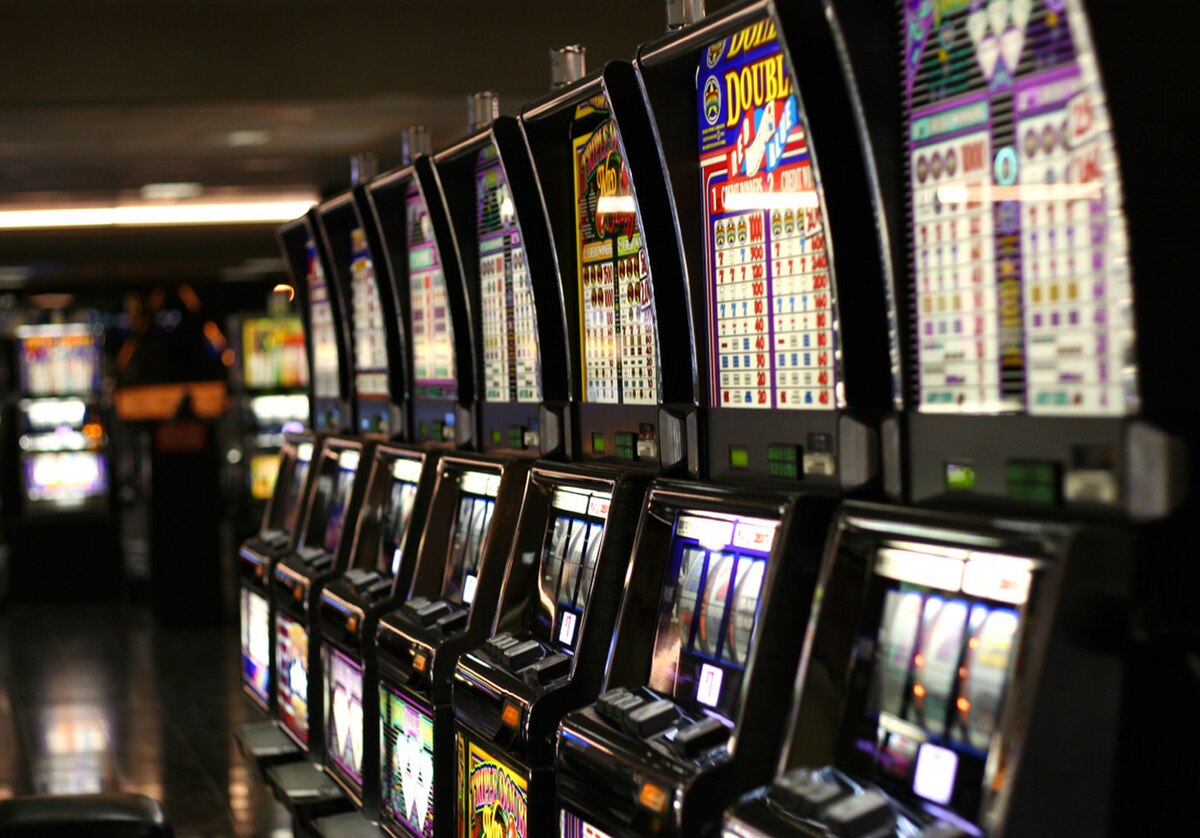
Rows of digital slot machines on a casino floor, where computer chips calculate random outcomes instantly upon activation. User:Yamaguchi先生, CC BY-SA 3.0, via Wikimedia Commons
The spinning reels on screen are visual decoration designed to reveal that pre-selected result. Mechanical reels have been largely replaced by video screens, buttons, and currency detectors that take cash, vouchers, tokens, or coins. Modern video versions allow betting across dozens of lines at once and offer interactive bonus rounds.
Near misses are engineered into the game mathematics. Designers assign higher probabilities to the reel spaces right next to valuable jackpot symbols. The computer lands on those adjacent spots far more frequently, creating the visual impression that a big payout was missed by a single notch.
Where did slot machines come from?
The earliest precursor was built in 1893 by Sittman and Pitt in Brooklyn, New York. It contained five drums with 50 poker card faces. Bartenders paid out prizes like drinks or cigars manually, often removing the ten of spades and jack of hearts to cut the player's chances of hitting a royal flush in half.
Between 1887 and 1895, Charles Fey of San Francisco solved the automatic payout problem. He replaced the five poker drums with three reels containing just five symbols: horseshoes, diamonds, spades, hearts, and a Liberty Bell. Three bells in a row awarded the top prize of ten nickels.
Later manufacturers such as Herbert Mills added fruit-flavor symbols like cherries, lemons, and plums to distribute fruit gum and bypass state anti-gambling laws. Electromechanical parts arrived in 1963 with Bally's Money Honey, which introduced automatic payouts of up to 500 coins. The first video slot machine followed in 1976, built with a modified 19-inch Sony Trinitron display.
Test yourself
When a slot machine player presses the button, what determines the final outcome?
A random number selected at that instant. A slot machine picks your result instantly from a constant stream of random numbers, making the spinning reels a visual animation rather than the mechanical cause of the outcome.
How do lopsided odds on a slot machine's reels create the frequent illusion of a near miss?
Rare jackpot symbols sit next to common blanks. Reel stops are weighted unevenly so that jackpot symbols appear frequently right next to the stopping position, making losses look like near wins without any physical rigging.
A lottery app spins a wheel after you tap. What is the wheel for?
Selling a result the software already picked. The number is drawn the moment you tap. The animation exists to make an instant, invisible event feel like an event you watched happen, which is also what lets it stage a near miss.
Play the lesson in edgi and the card is yours. It lands on your Map next to the ideas it connects to, and turns from matte to foil to gold as you learn more around it.
The nickname comes from the mechanical levers attached to the sides of early machines, combined with their tendency to rapidly empty players' pockets.
What is a loss disguised as a win?
A loss disguised as a win happens on multi-line video machines when you win back less money than you bet on that spin. The machine still celebrates with flashing lights and upbeat win music, tricking the brain into reacting as if you gained money.
What do the different regional names for slot machines mean?
British English calls them fruit machines after the traditional fruit reel symbols, while Scots uses the term puggie. Australian and New Zealand English refer to them as poker machines or pokies.