Cognitive science
11 ideas, each explained on one page with a 60-second lesson you can play right there.
-

 Analysis paralysis
Overthinking and excessive research freeze choices instead of improving them.
Analysis paralysis
Overthinking and excessive research freeze choices instead of improving them.
-
 Anchoring effect
The anchoring effect is a bias where people rely too heavily on an initial reference number when estimating values or making financial decisions.
Anchoring effect
The anchoring effect is a bias where people rely too heavily on an initial reference number when estimating values or making financial decisions.
-
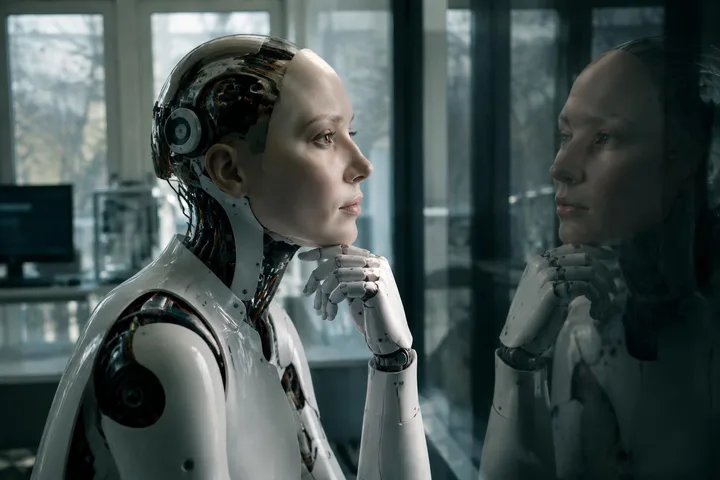 Artificial consciousness
 is the idea that a non-biological machine or artificial intelligence could have subjective, inner experiences.
Artificial consciousness
Artificial consciousness is the idea that a non-biological machine or artificial intelligence could have subjective, inner experiences.
-
 Availability heuristic
The availability heuristic makes people judge how common or severe an event is by how easily examples come to mind.
Availability heuristic
The availability heuristic makes people judge how common or severe an event is by how easily examples come to mind.
-
 Confirmation Bias
Confirmation bias leads people to seek, interpret, and remember evidence that fits their prior beliefs while ignoring contrary facts.
Confirmation Bias
Confirmation bias leads people to seek, interpret, and remember evidence that fits their prior beliefs while ignoring contrary facts.
-
 Dunning-Kruger Effect
The Dunning-Kruger effect is a cognitive bias where people with low ability in a specific area overestimate their competence.
Dunning-Kruger Effect
The Dunning-Kruger effect is a cognitive bias where people with low ability in a specific area overestimate their competence.
-
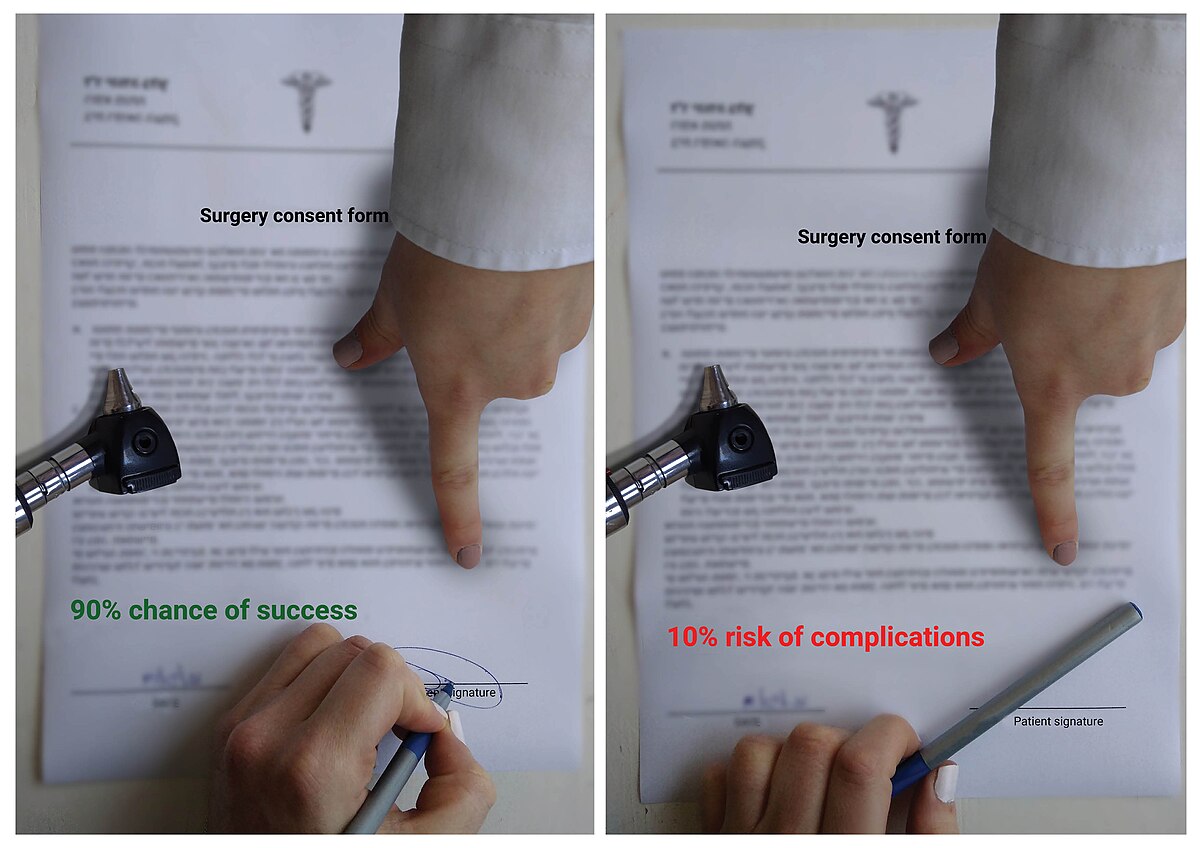 Framing Effect
The framing effect makes people pick different options based on whether identical outcomes are presented as gains or losses.
Framing Effect
The framing effect makes people pick different options based on whether identical outcomes are presented as gains or losses.
-
 Hindsight bias
 makes past events seem predictable after they happen, distorting memories and creating false confidence about future forecasts.
Hindsight bias
Hindsight bias makes past events seem predictable after they happen, distorting memories and creating false confidence about future forecasts.
-
 Implementation intention
An implementation intention is a self-regulation strategy that uses an if-then sentence to link a specific future cue to an exact behavior.
Implementation intention
An implementation intention is a self-regulation strategy that uses an if-then sentence to link a specific future cue to an exact behavior.
-
 Overconfidence Bias
Overconfidence bias is a mental blind spot where a person's certainty in their own judgment reliably exceeds its actual accuracy.
Overconfidence Bias
Overconfidence bias is a mental blind spot where a person's certainty in their own judgment reliably exceeds its actual accuracy.
-
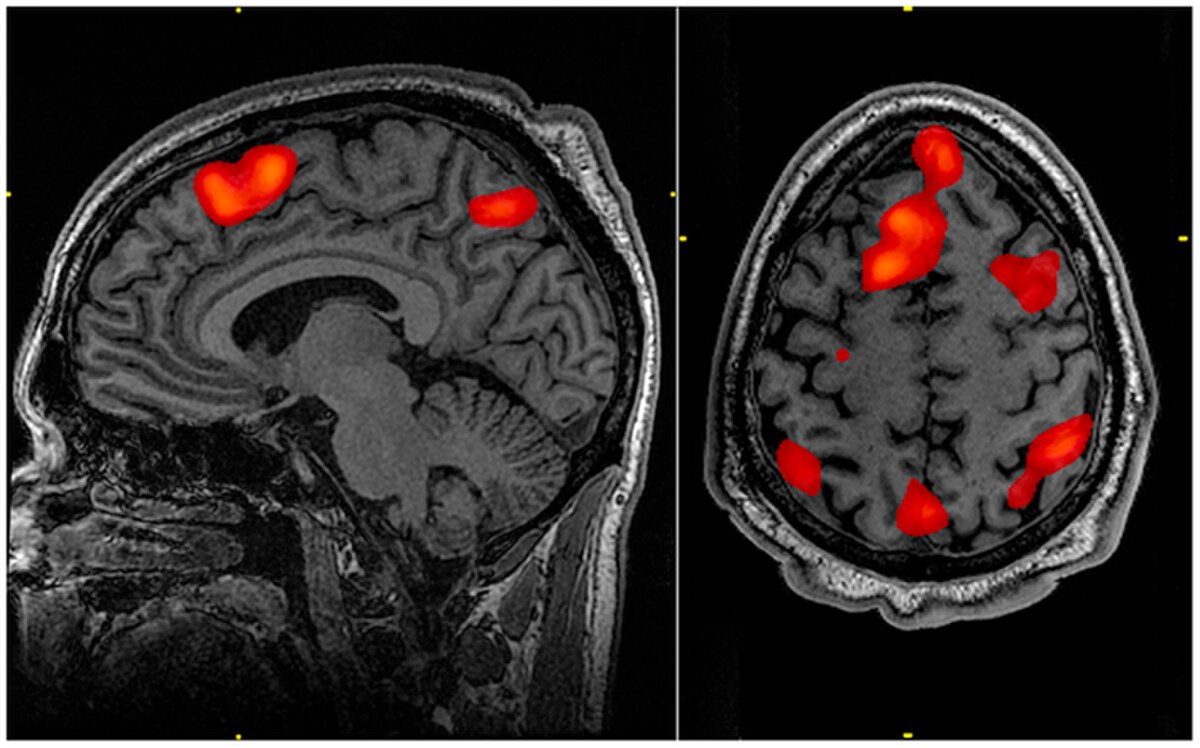 Working Memory
Working memory is the cognitive system that holds and manipulates information temporarily so you can reason and make decisions.
Working Memory
Working memory is the cognitive system that holds and manipulates information temporarily so you can reason and make decisions.