Biochemistry
14 ideas, each explained on one page with a 60-second lesson you can play right there.
-

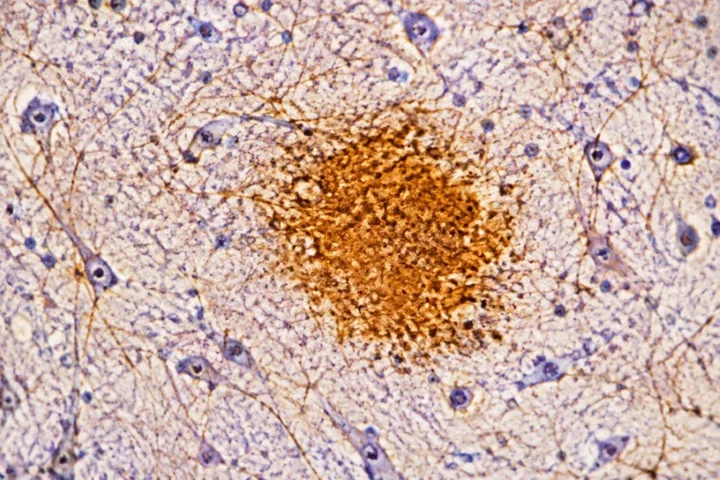 Amyloid beta
 is a small protein fragment naturally produced and released by brain cells every day.
-
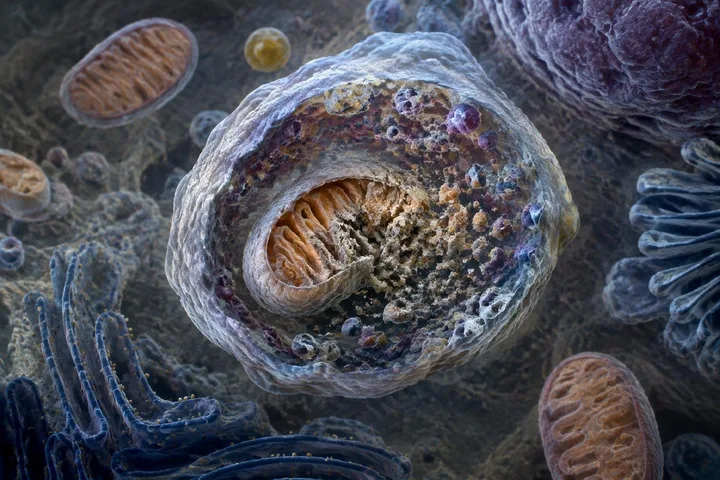 Autophagy
 is the cell's waste recycling system.
-
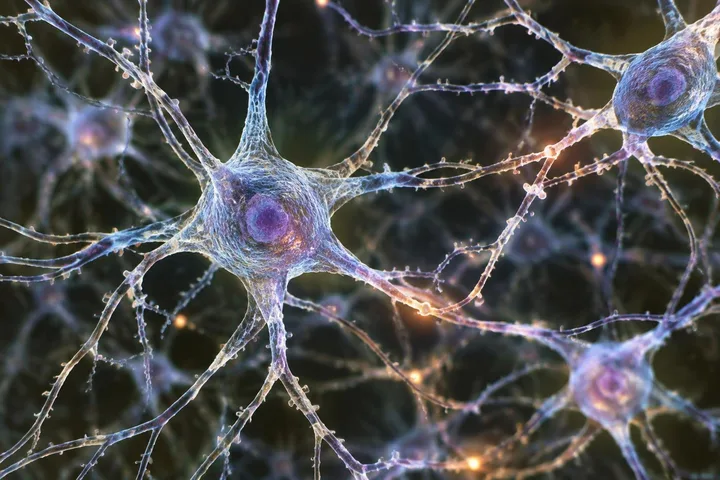 BDNF (Brain-Derived Neurotrophic Factor)
Brain-derived neurotrophic factor, or BDNF, is a protein that acts as a growth factor for nerve cells in the brain and body.
-
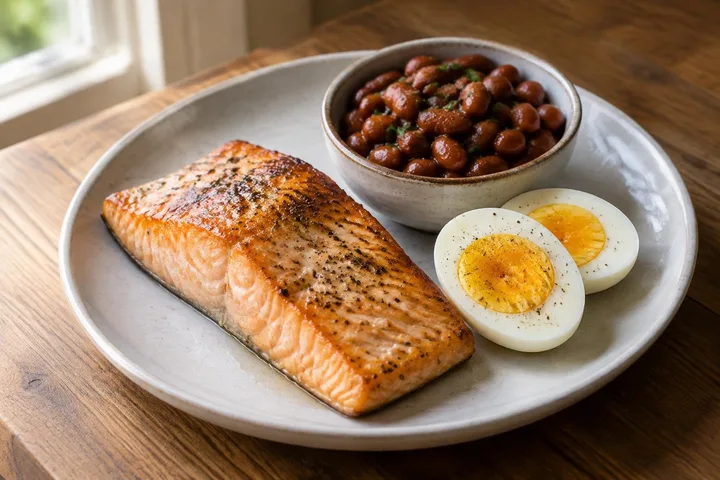 Essential amino acid
Humans cannot synthesize nine of the amino acids used to build proteins, meaning they must be supplied entirely by the foods in your diet.
-
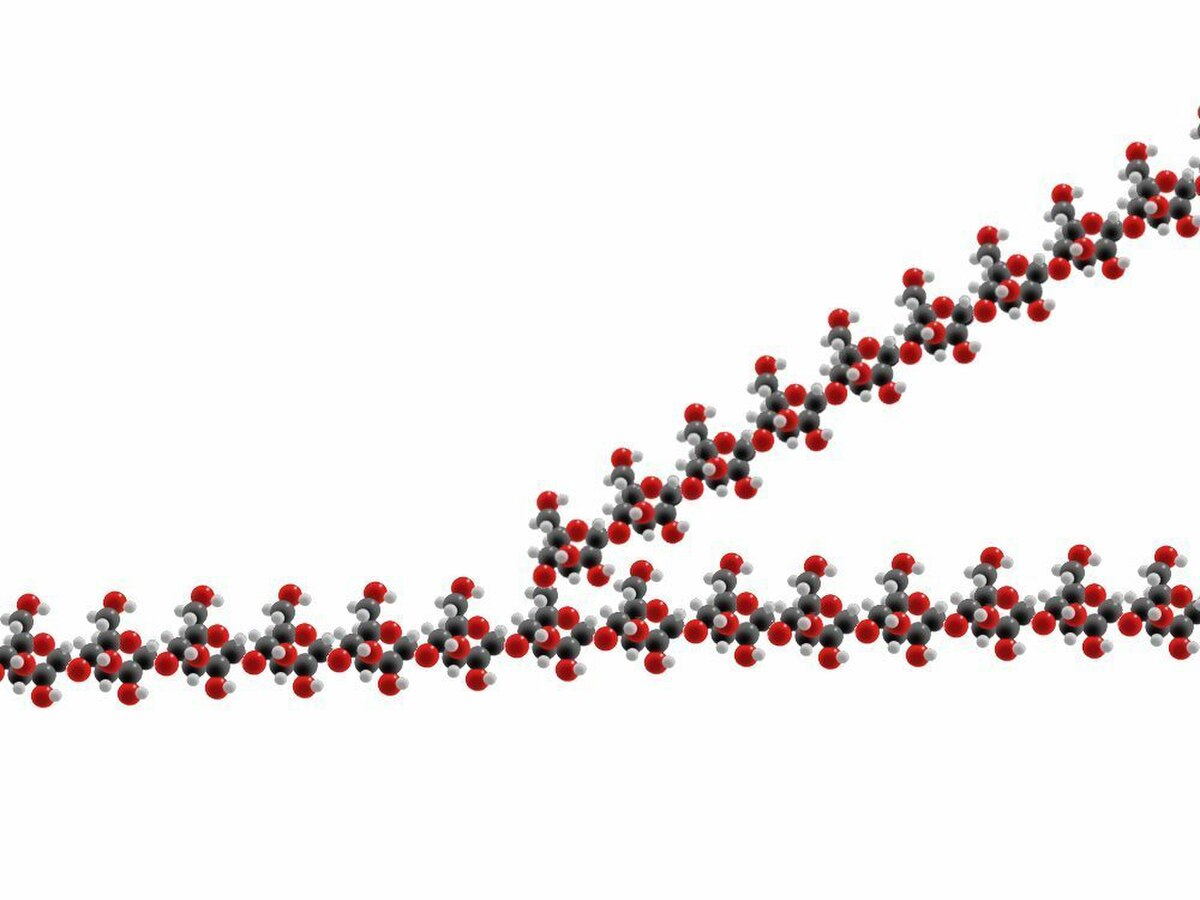 Glycogen
 is a branched chain of glucose sugar molecules packed together for quick energy storage in animals, fungi, and bacteria.
-
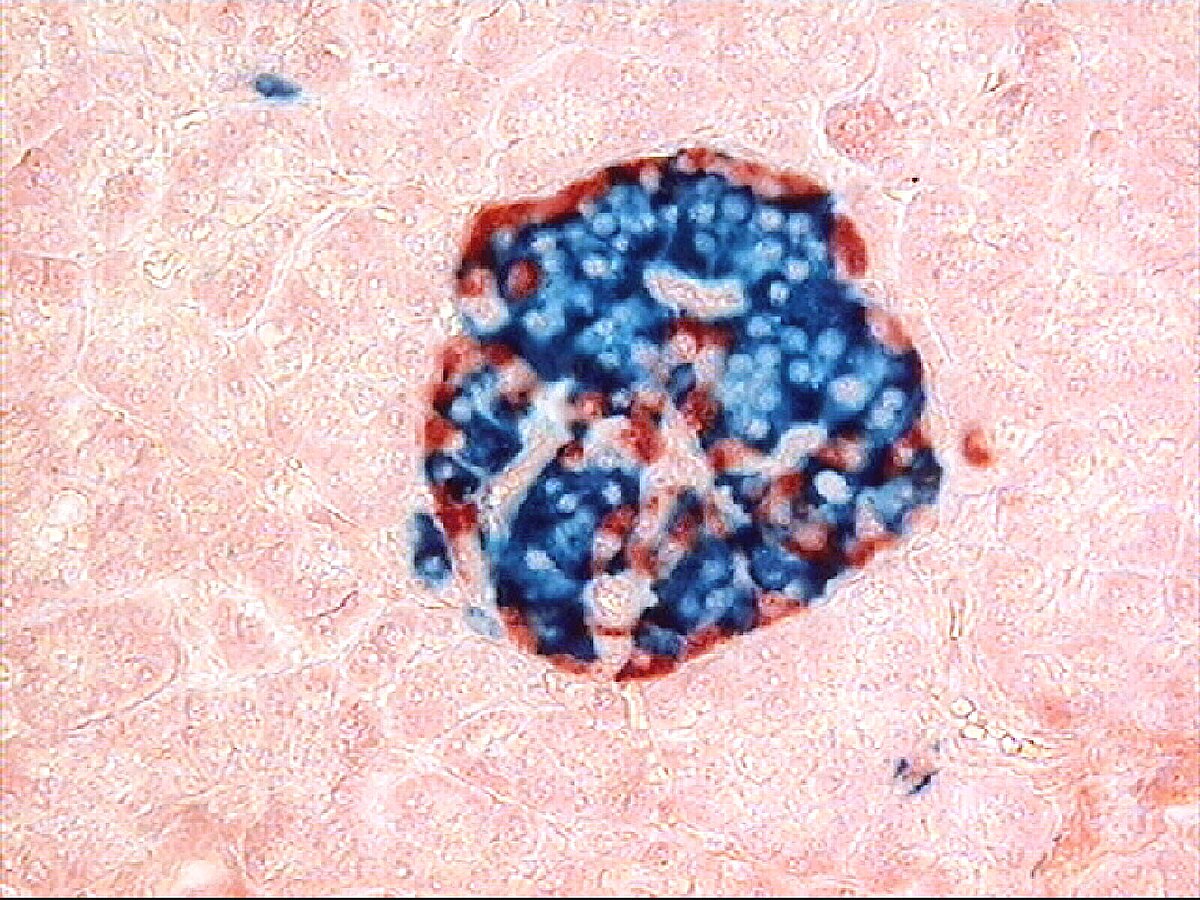 Insulin
 is a hormone produced in the pancreas that signals cells to absorb glucose from the bloodstream.
-
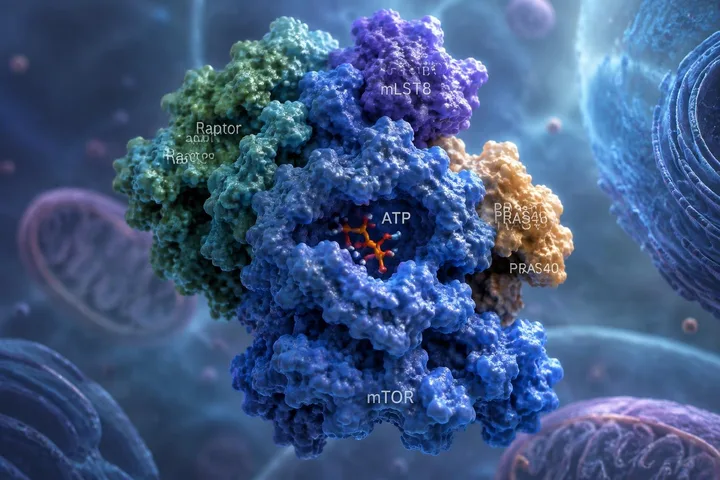 mTOR
mTOR, or mechanistic target of rapamycin, is an enzyme inside your cells that acts as a master growth switch.
-
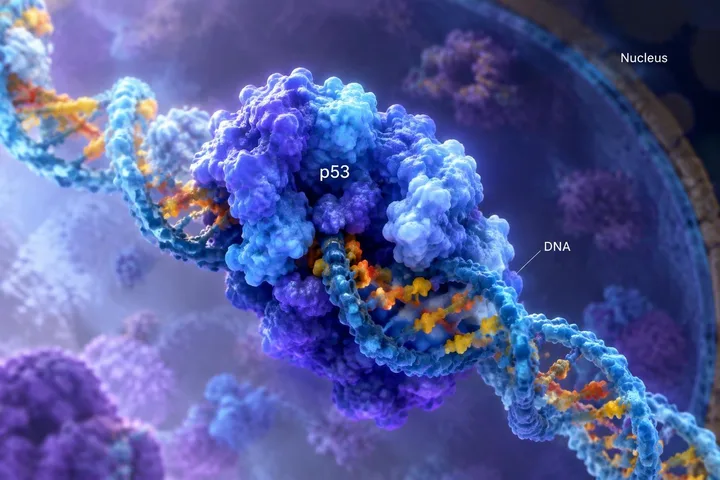 P53
P53 is a protein that acts as a quality control inspector inside your cells, binding to DNA to control which genes get turned on.
-
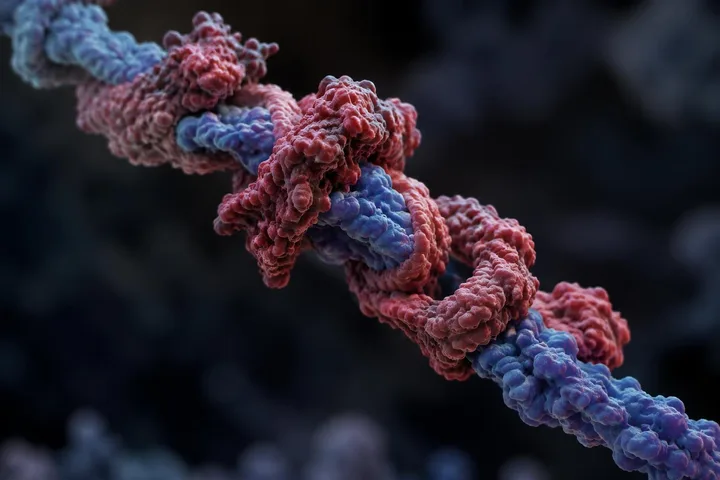 Prion
A prion is an infectious misfolded protein that forces healthy proteins of the same type to fold into its own abnormal shape.
-
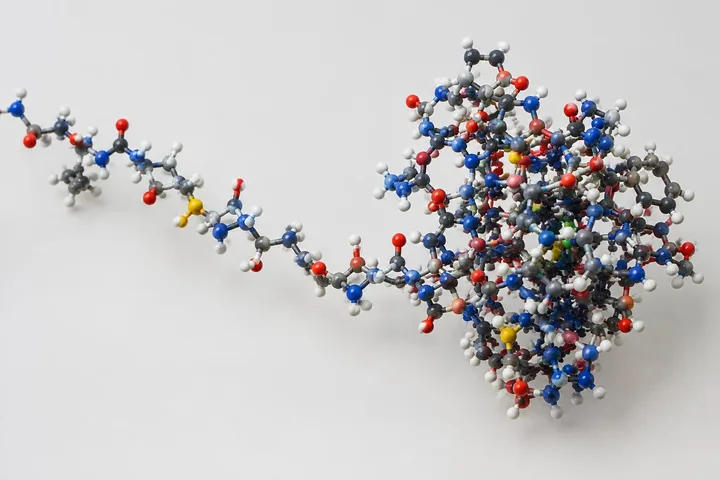 Protein folding
Proteins fold from simple amino acid chains into functional 3D shapes within milliseconds, driven by sequence, water, and chemical bonds.
-
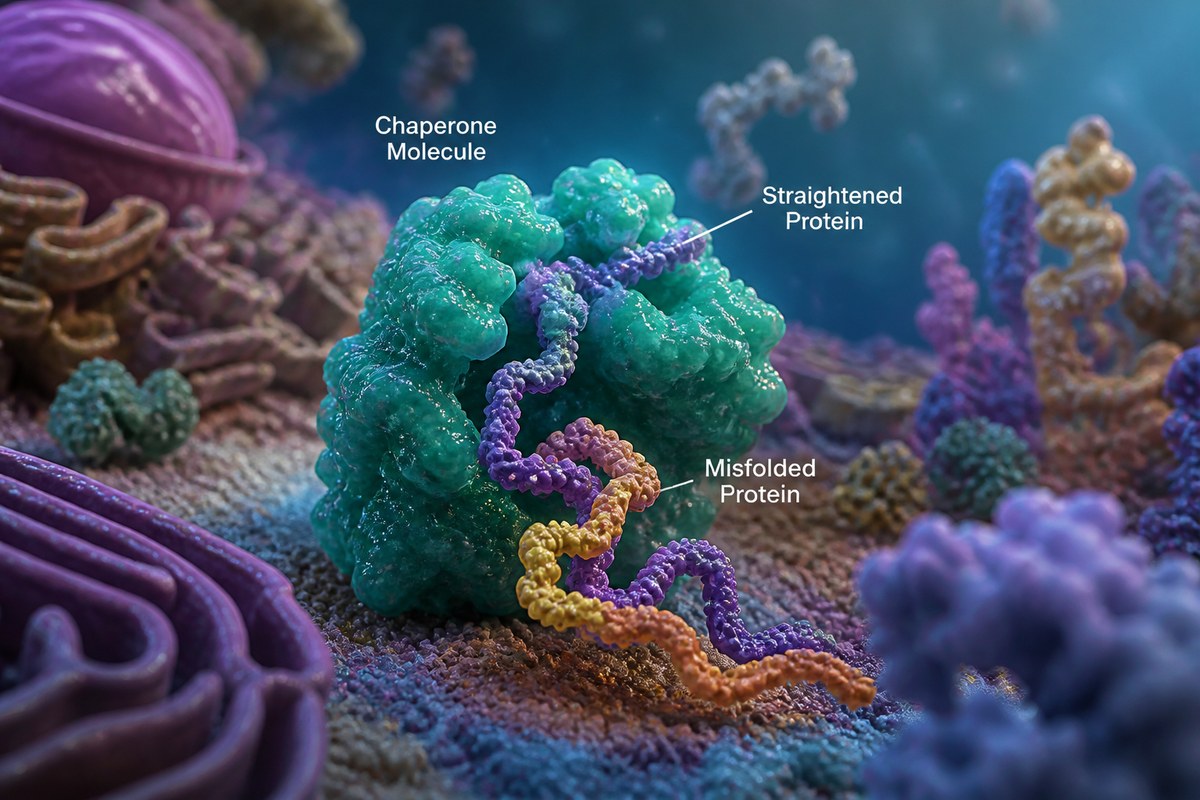 Proteostasis
 is the cell's system for balancing the creation, folding, and destruction of all its proteins.
-
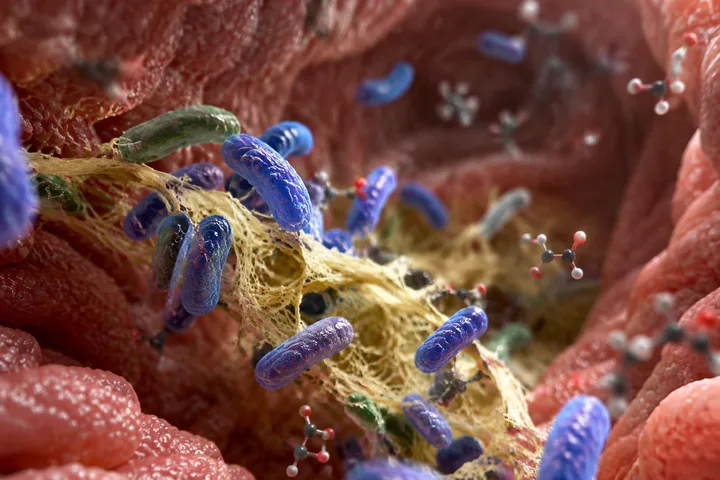 Short-chain fatty acid
s are energy-rich molecules made by gut bacteria fermenting dietary fiber, powering the cells lining your colon.
-
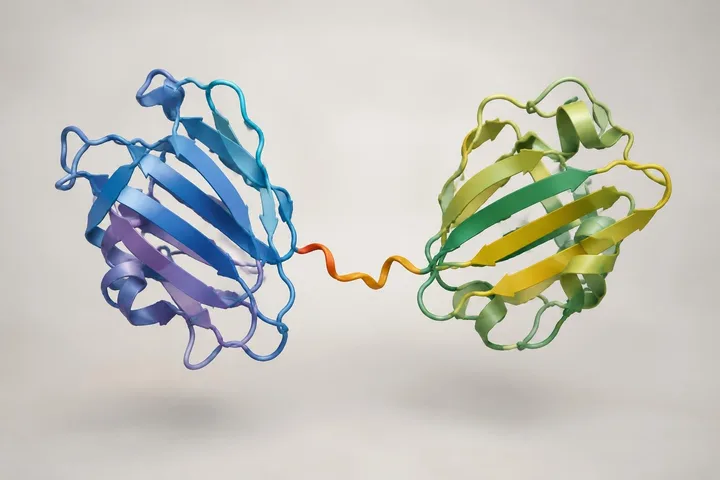 Single-chain variable fragment
A single-chain variable fragment is an engineered fusion protein that links the binding tips of an antibody into a compact sensor.
-
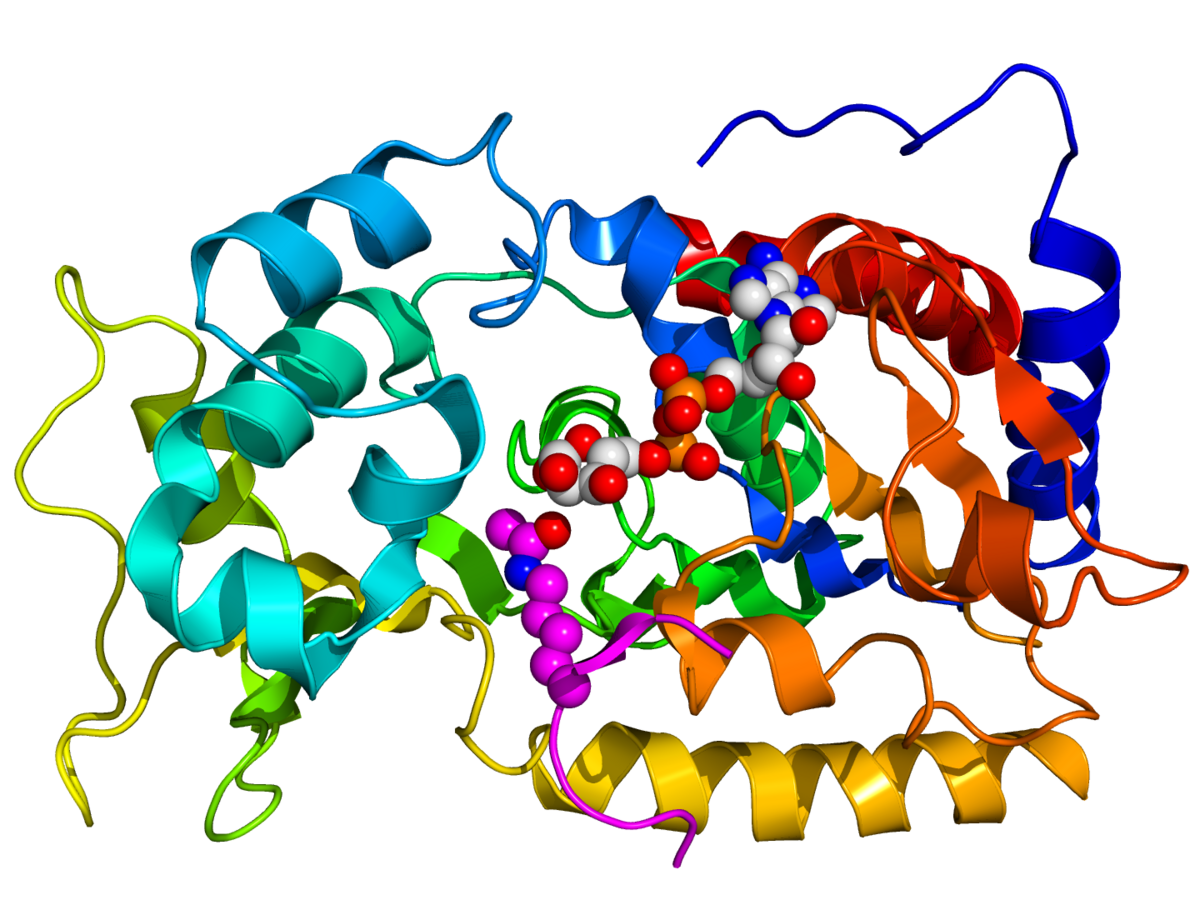 Sirtuin
s are an ancient family of signaling proteins that act as master regulators of cellular metabolism and DNA repair.