Genetics
15 ideas, each explained on one page with a 60-second lesson you can play right there.
-

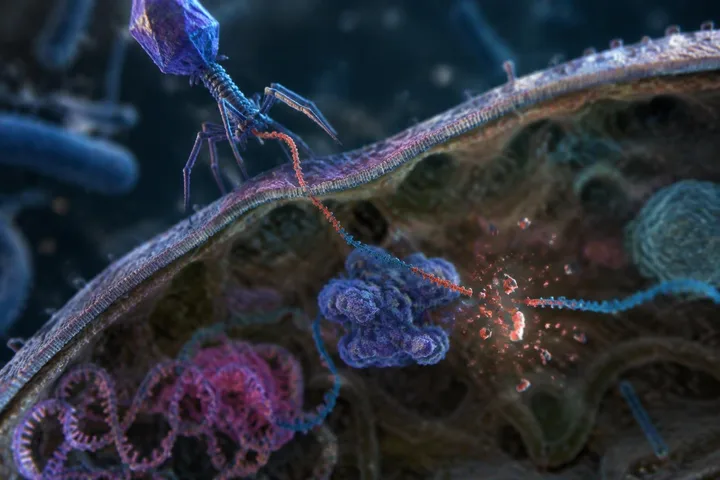 CRISPR
 is a microbial defense mechanism that stores virus DNA fragments and guides Cas enzymes to cut matching genetic sequences.
CRISPR
CRISPR is a microbial defense mechanism that stores virus DNA fragments and guides Cas enzymes to cut matching genetic sequences.
-
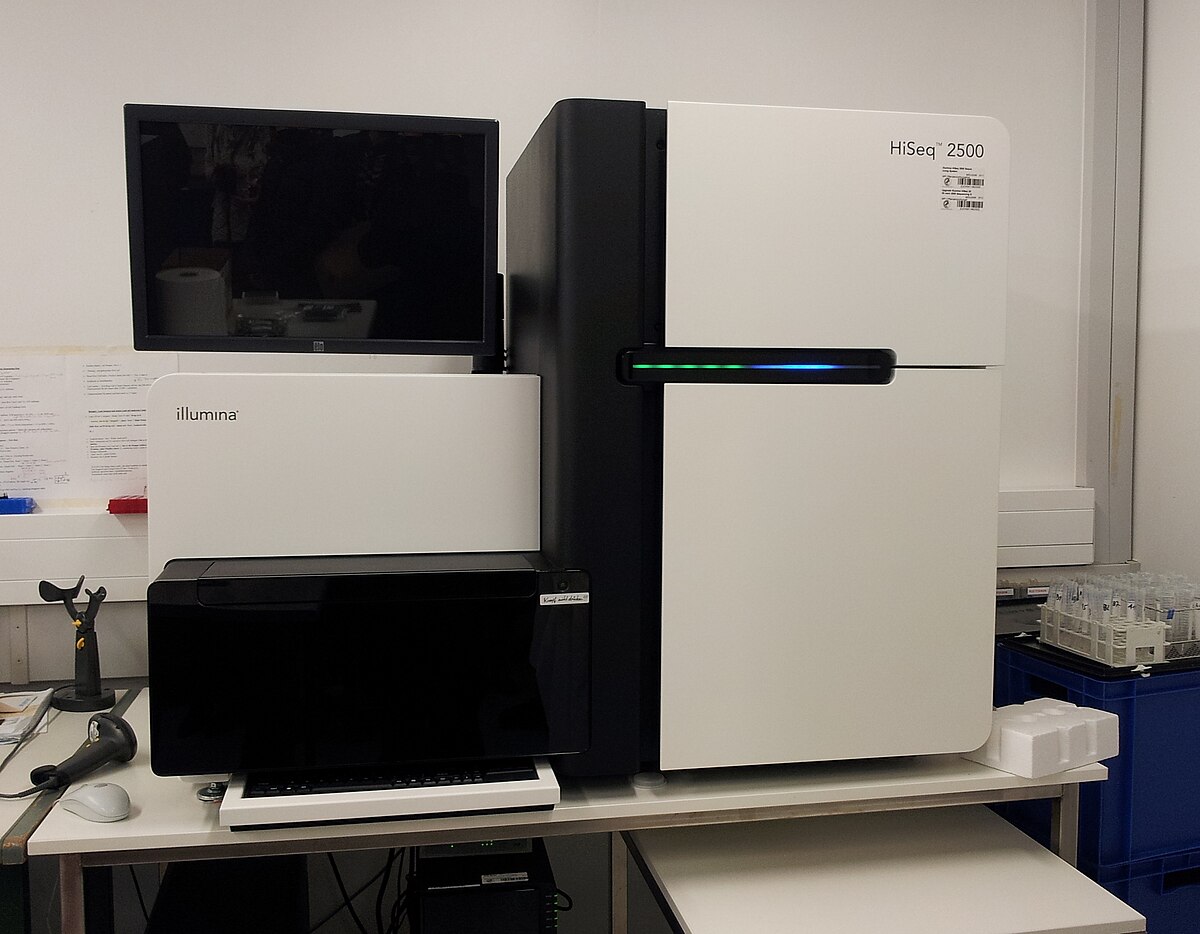 DNA Sequencing
DNA sequencing determines the precise order of bases in genetic material, shrinking full-genome reads from thirteen years to under a day.
DNA Sequencing
DNA sequencing determines the precise order of bases in genetic material, shrinking full-genome reads from thirteen years to under a day.
-
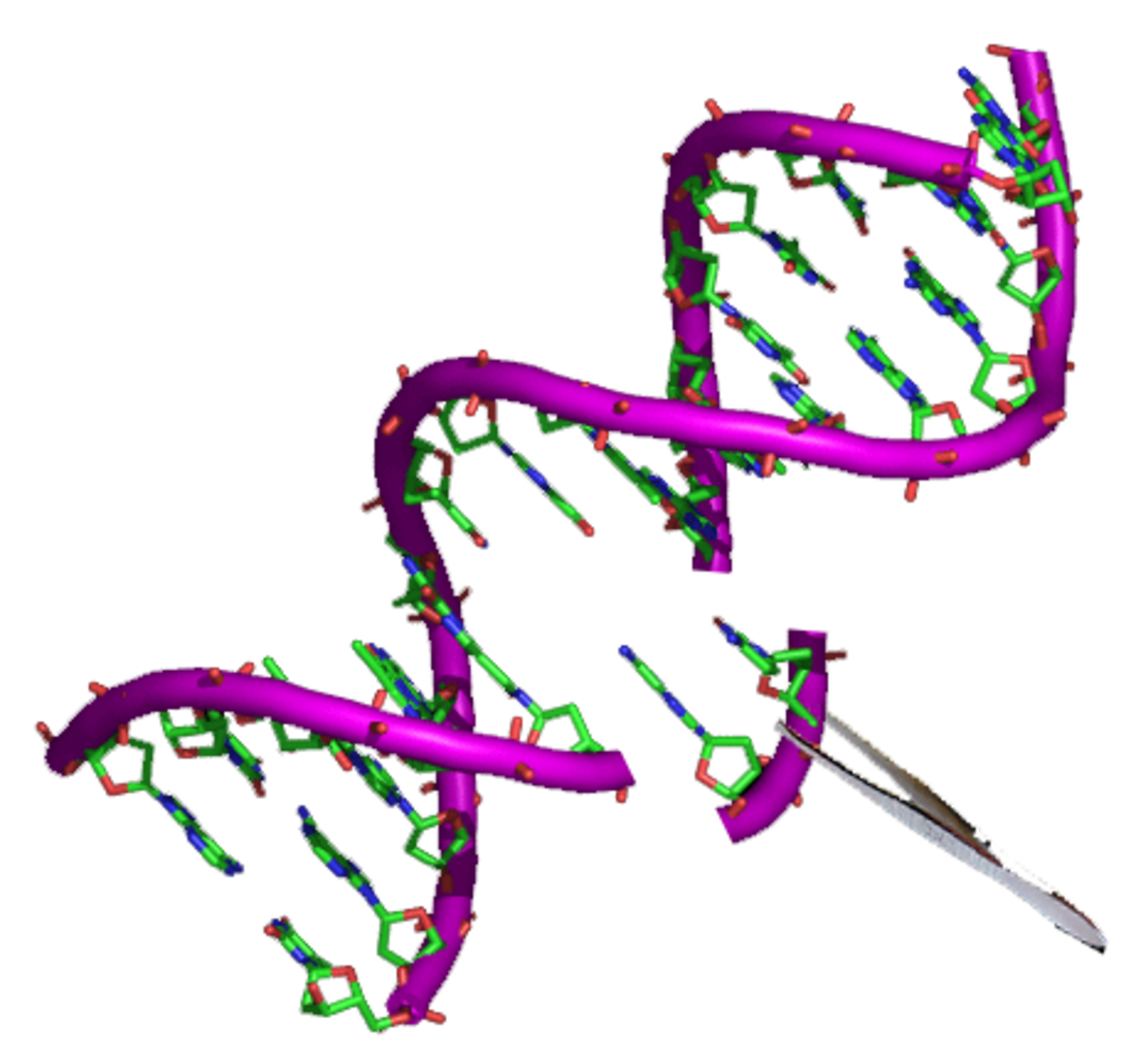 Gene Therapy
Gene therapy is a medical technique that treats disease by directly altering the genetic material inside a patient's living cells.
Gene Therapy
Gene therapy is a medical technique that treats disease by directly altering the genetic material inside a patient's living cells.
-
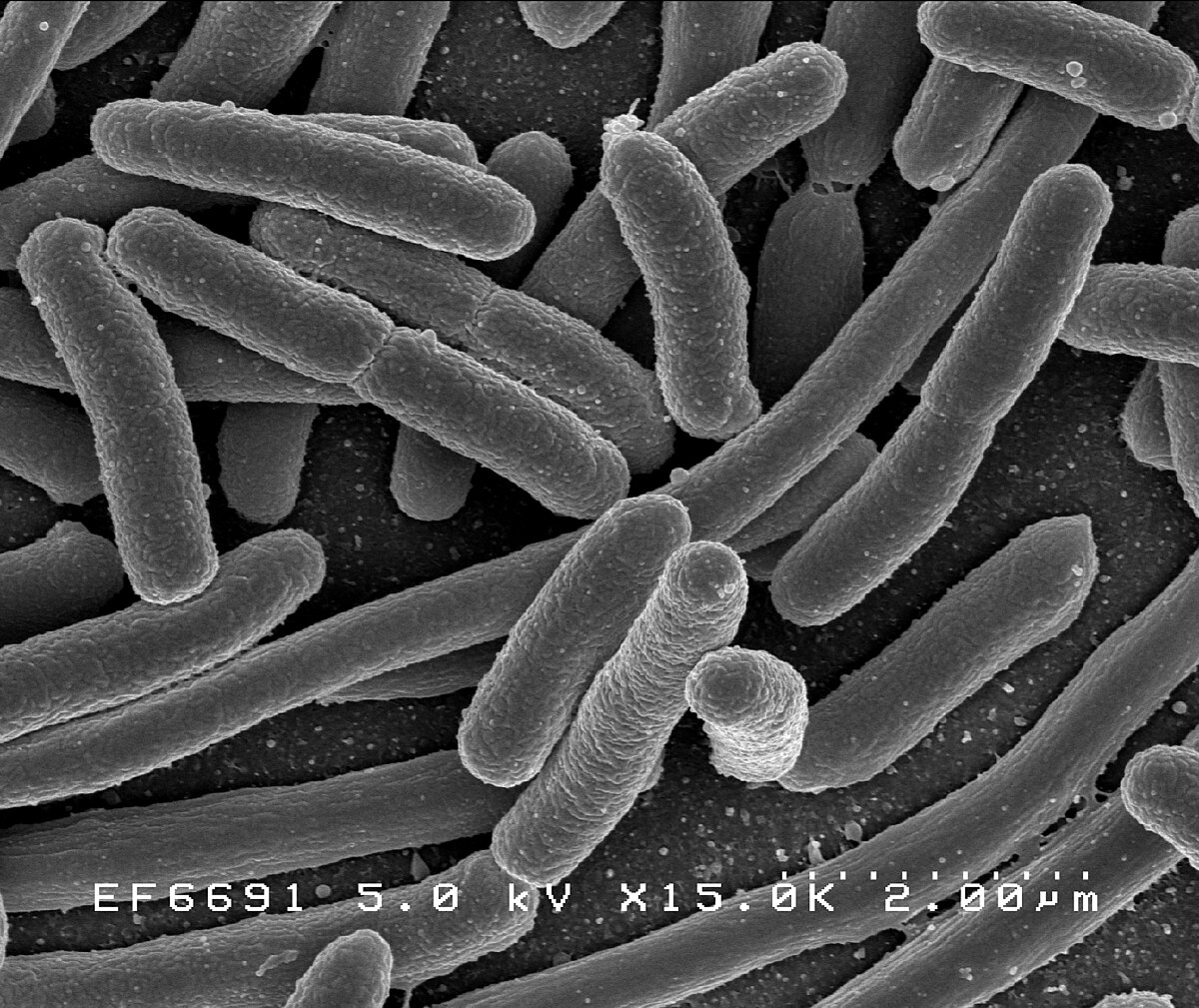 Gut Microbiome
The gut microbiome contains 10 to 100 trillion microbes that ferment fiber, make vitamins, and influence mood via the gut-brain axis.
Gut Microbiome
The gut microbiome contains 10 to 100 trillion microbes that ferment fiber, make vitamins, and influence mood via the gut-brain axis.
-
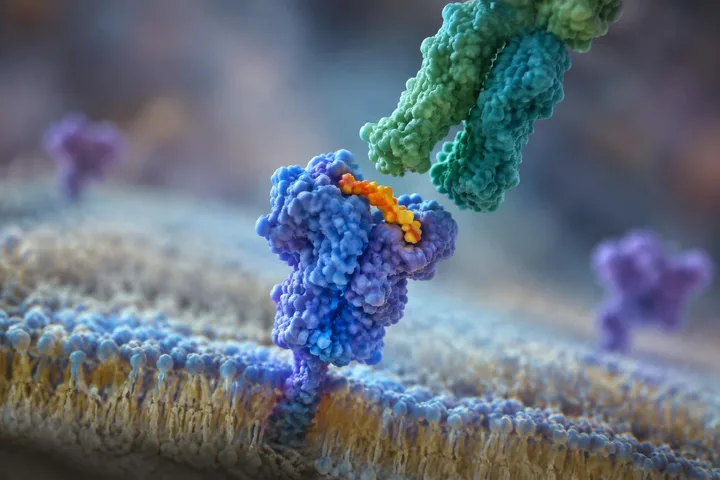 Major histocompatibility complex
Learn how the Major Histocompatibility Complex (MHC) presents protein fragments on cell surfaces to help T cells detect viruses and cancers.
Major histocompatibility complex
Learn how the Major Histocompatibility Complex (MHC) presents protein fragments on cell surfaces to help T cells detect viruses and cancers.
-
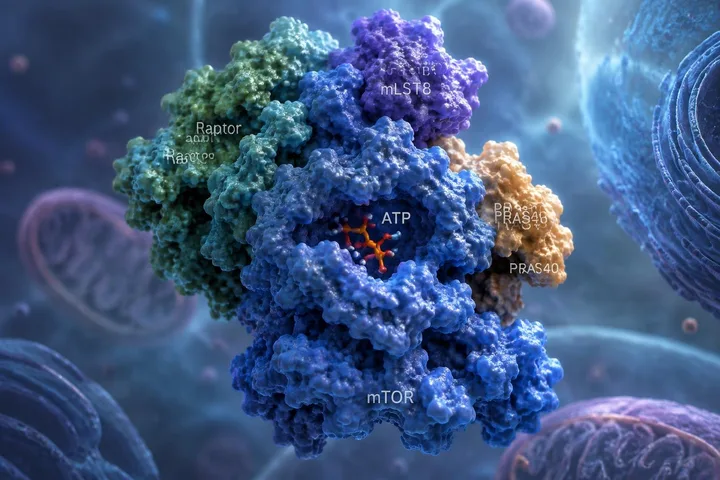 mTOR
mTOR, or mechanistic target of rapamycin, is an enzyme inside your cells that acts as a master growth switch.
mTOR
mTOR, or mechanistic target of rapamycin, is an enzyme inside your cells that acts as a master growth switch.
-
 Mutation
A mutation is a permanent change in the chemical sequence of an organism's DNA.
Mutation
A mutation is a permanent change in the chemical sequence of an organism's DNA.
-
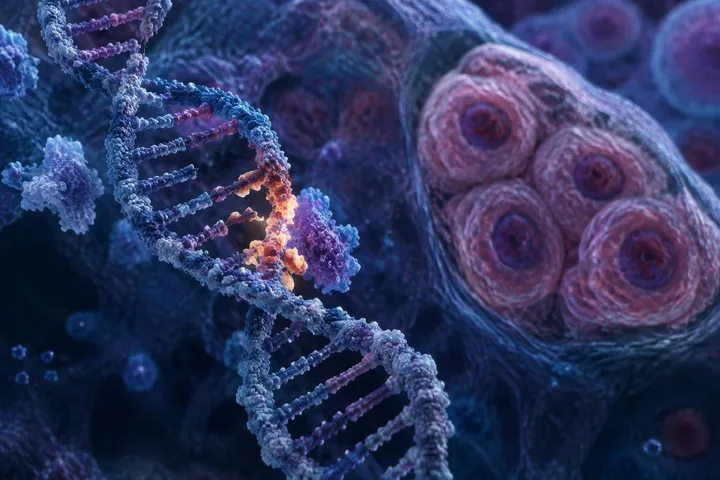 Oncogene
An oncogene is a mutated or overactive gene that has the potential to cause cancer.
Oncogene
An oncogene is a mutated or overactive gene that has the potential to cause cancer.
-
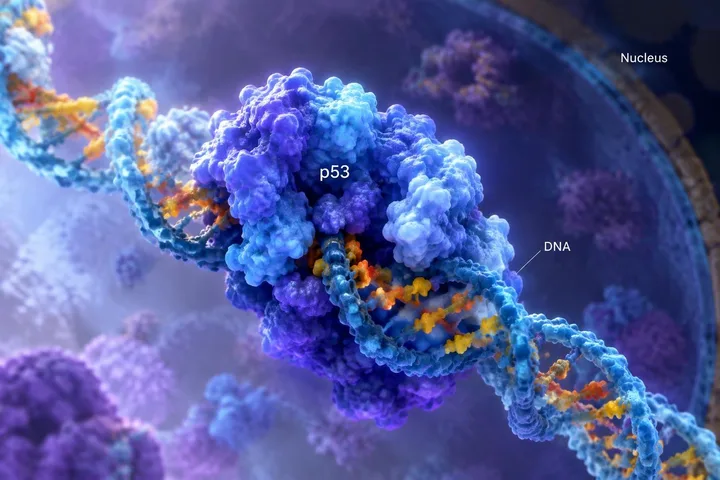 P53
P53 is a protein that acts as a quality control inspector inside your cells, binding to DNA to control which genes get turned on.
P53
P53 is a protein that acts as a quality control inspector inside your cells, binding to DNA to control which genes get turned on.
-
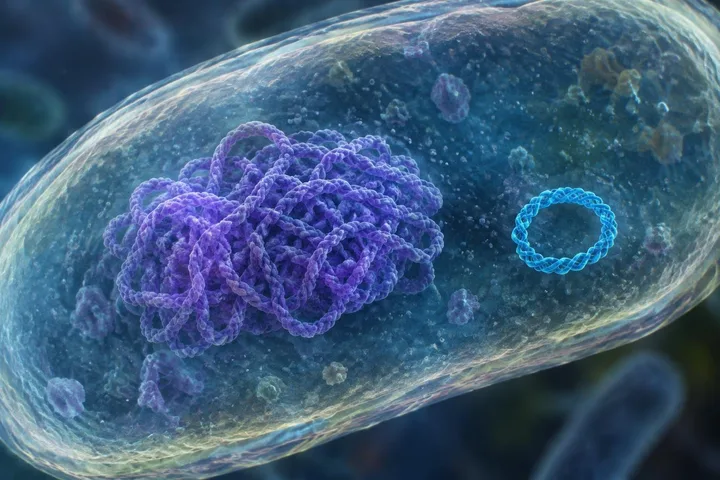 Plasmid
A plasmid is a small loop of DNA that sits outside a cell's main chromosome and can copy itself independently.
Plasmid
A plasmid is a small loop of DNA that sits outside a cell's main chromosome and can copy itself independently.
-
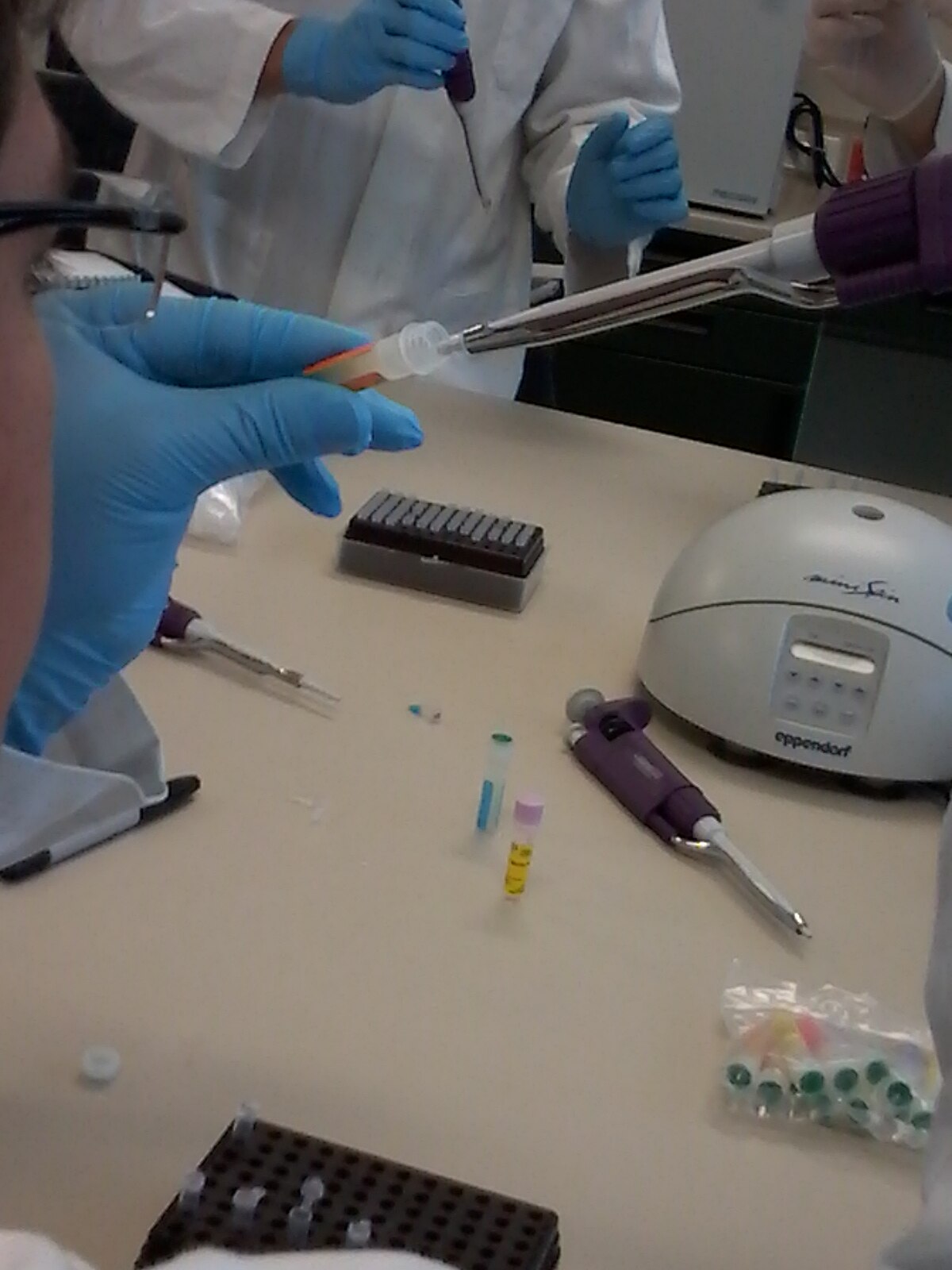 Polymerase Chain Reaction
 (PCR) is a laboratory method that rapidly makes billions of copies of a specific piece of DNA.
Polymerase Chain Reaction
Polymerase Chain Reaction (PCR) is a laboratory method that rapidly makes billions of copies of a specific piece of DNA.
-
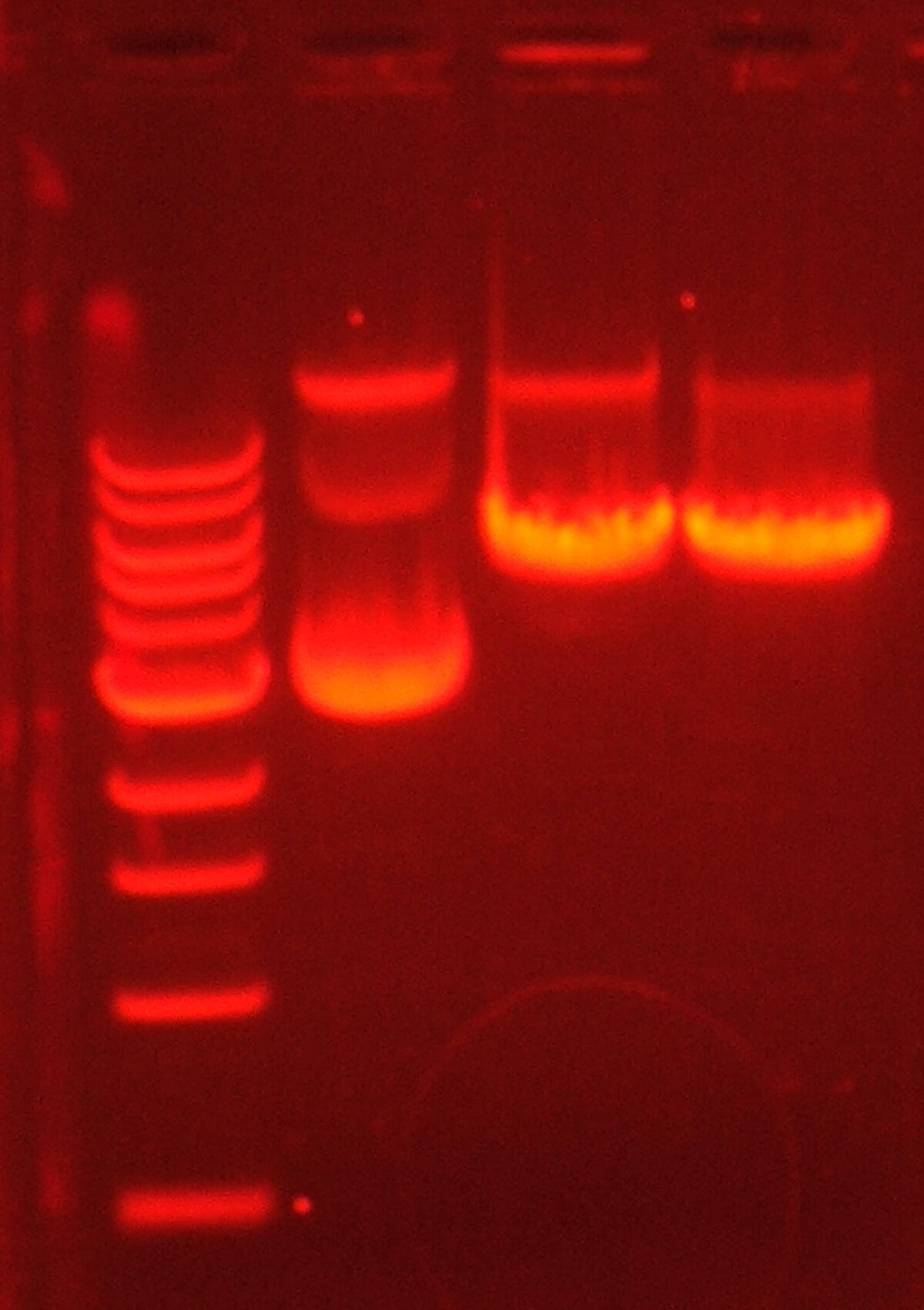 Recombinant DNA
 combines genetic material from multiple sources into a single molecule, allowing host cells to produce new proteins.
Recombinant DNA
Recombinant DNA combines genetic material from multiple sources into a single molecule, allowing host cells to produce new proteins.
-
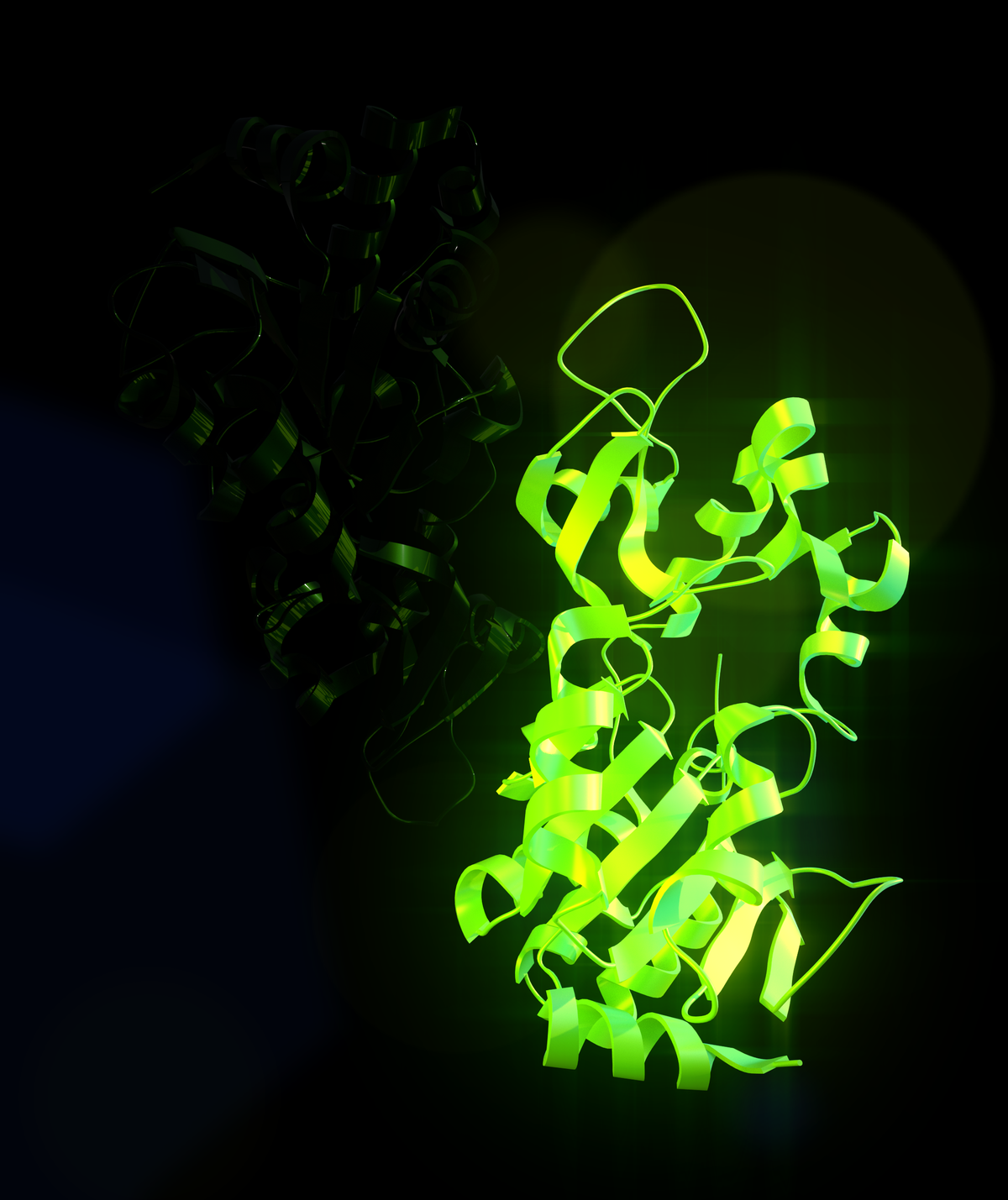 Sirtuin
s are an ancient family of signaling proteins that act as master regulators of cellular metabolism and DNA repair.
Sirtuin
Sirtuins are an ancient family of signaling proteins that act as master regulators of cellular metabolism and DNA repair.
-
 Tumor suppressor gene
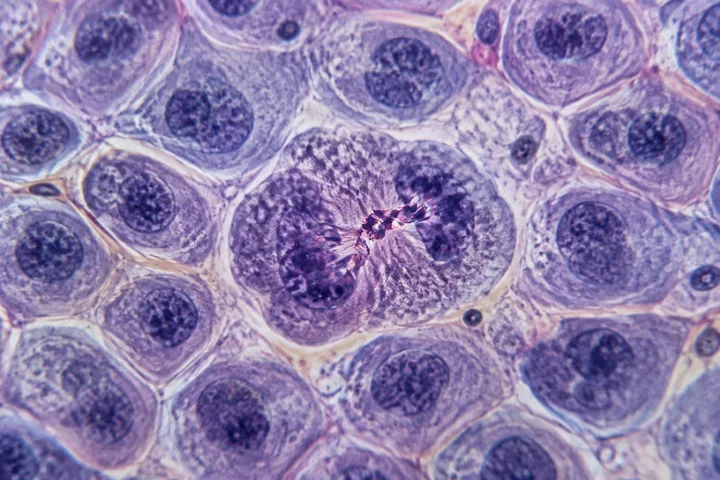
A tumor suppressor gene is a stretch of DNA that produces proteins to control cell division and stop abnormal cell growth.
Tumor suppressor gene
A tumor suppressor gene is a stretch of DNA that produces proteins to control cell division and stop abnormal cell growth.
-
 Viral vector
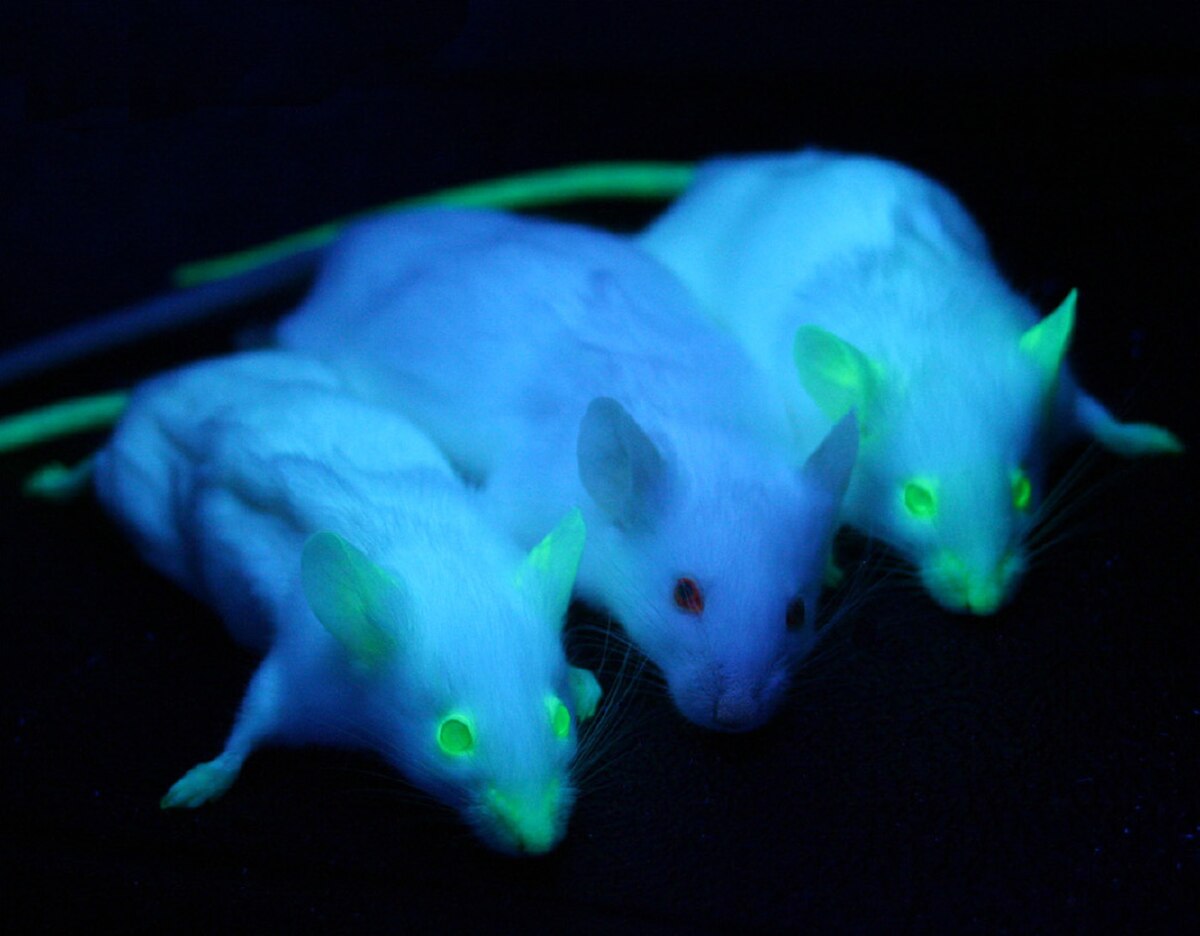
A viral vector is a modified virus stripped of its disease-causing parts and used to deliver genetic material into living cells.
Viral vector
A viral vector is a modified virus stripped of its disease-causing parts and used to deliver genetic material into living cells.